
Conagra
Gardein Gluten-Free Ultimate Plant-Based Beefless Ground Crumbles, Vegan, Frozen, 13.7 oz.
See current price

Compare meat substitute meatballs, chunks, and crumbles by ingredients, format, preparation style, and nutrition information to find options suited to your meals.
40 products in catalog
40 results
Conagra
See current price


BEYOND MEAT
See current price

365 By Whole Foods Market
See current price

Loma Linda
See current price

Atlantic Natural Foods LLC
See current price

Bob's Red Mill
See current price


BEYOND MEAT
See current price


Kellogg's
See current price

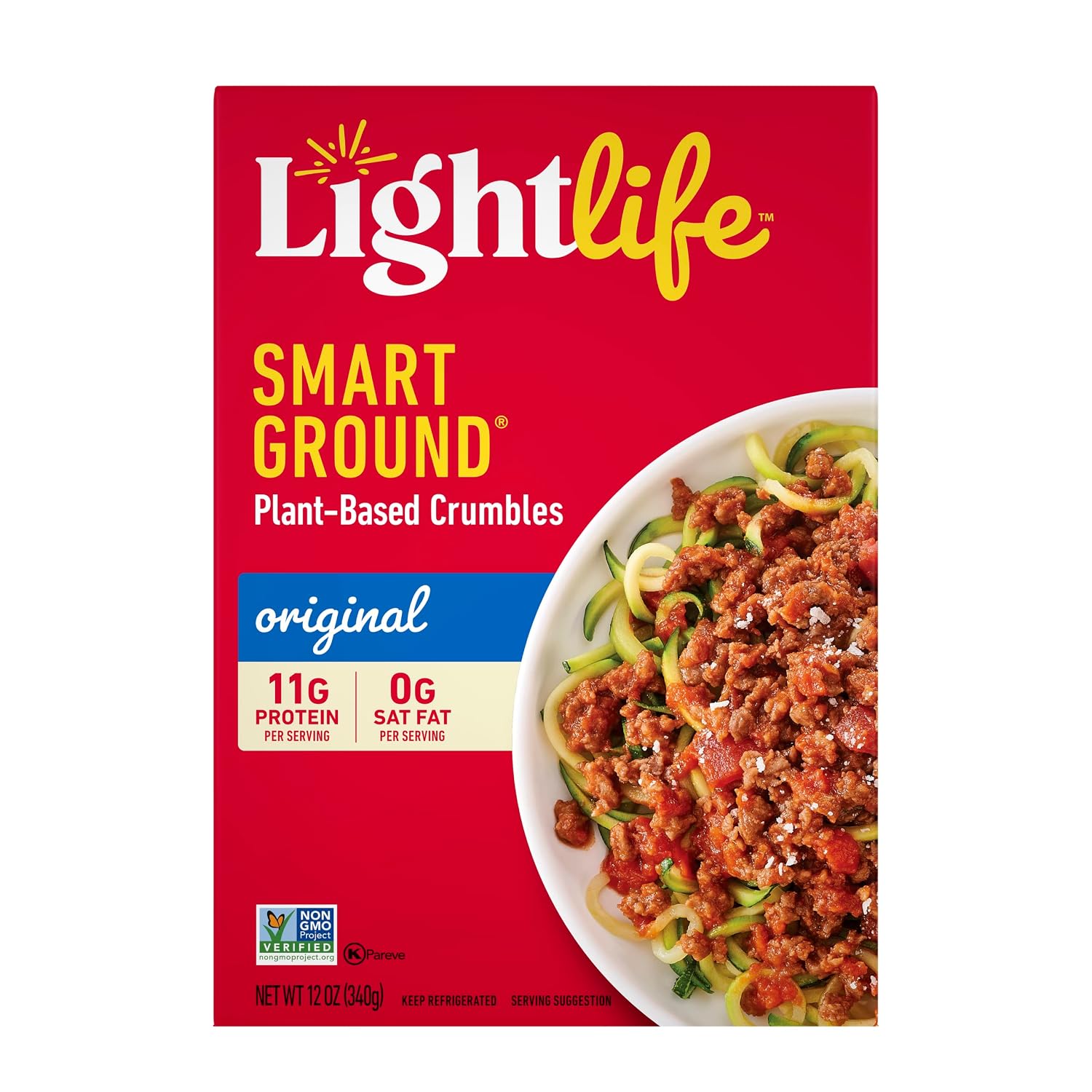


Loma Linda
See current price


Meat substitute meatballs, chunks, and crumbles can add familiar textures and convenient protein options to pasta dishes, tacos, bowls, sauces, sandwiches, and casseroles. This category brings together products designed for different cooking methods, recipes, and dietary preferences.
Before choosing, consider how you plan to use the product. A shaped meatball may work well as a centerpiece, while chunks can be useful in stir-fries or stews and crumbles can blend into sauces, fillings, and skillet meals. Browse the broader Meat Substitutes category if you want to compare this selection with other meat-free formats.
The shape and texture of a product can make a noticeable difference in preparation and serving:
Read the ingredient list rather than relying only on the product name. Meat substitutes may use different plant-based ingredients, including soy, wheat, pea, or other protein sources. If allergies or intolerances matter, check the allergen statement and any manufacturing or cross-contact information provided on the product page.
Also consider whether the product fits your dietary preferences. Look for relevant information about vegetarian or vegan suitability, added ingredients, flavorings, and the presence of common allergens. “Plant-based” labeling can vary in meaning, so the full package details are the best guide.
Product pages can differ in the amount of detail provided, so compare the specifications that affect how the food will fit into your routine:
Brands represented in this category include Conagra, BEYOND MEAT, Loma Linda, Atlantic Natural Foods LLC, Kellogg's, Amazon.com Services, Inc., Quorn, Noble Plate, Golden Goodness, Green Leaf Foods, Bob's Red Mill, and UPTONS NATURALS. Availability and product selection can vary, so compare each listing’s ingredients, preparation guidance, nutrition panel, and storage information rather than choosing by brand name alone.
Follow the package directions for the recommended cooking method and internal preparation guidance. If adding meatballs, chunks, or crumbles to a sauce or soup, consider whether the product should be browned separately first or added directly during cooking. This can affect texture and the amount of seasoning in the finished dish.
Use clean utensils when handling opened packages, and follow the stated refrigeration or freezing instructions. For meal planning, choose a format that can be portioned easily and matches the recipes you regularly prepare. When substituting in an existing recipe, adjust added salt and seasoning because some products are already flavored.
They are meat-free food products made in different shapes and textures for use in recipes that traditionally call for meat. Ingredients and preparation requirements vary by product.
Crumbles are often convenient for blending into pasta sauce, while meatballs can be served alongside or in the sauce. Check the product’s texture, seasoning, and cooking instructions before choosing.
Many chunk-style products are suitable for recipes featuring larger pieces, but preparation and texture vary. Review the package directions and product description for recommended uses.
Compare the nutrition facts panel using the same serving basis. Pay attention to protein, sodium, calories, fiber, saturated fat, and any nutrients that are important to your diet.
Review the full ingredient list, allergen statement, and cross-contact information. Common allergens can differ by product, even when two items have a similar format.
Storage depends on the product format. Check whether the item is shelf-stable, refrigerated, or frozen, and follow the package instructions after opening.