
Garrett
Garrett 1140900 Pro-Pointer AT Waterproof Pinpointing Metal Detector, Orange
See current price

Compare metal detectors by search purpose, detection controls, coil design, and included accessories. Explore catalog listings to find equipment suited to beaches, parks, yards, or prospecting.
231 products in catalog
231 results
Garrett
See current price

Bounty Hunter
See current price


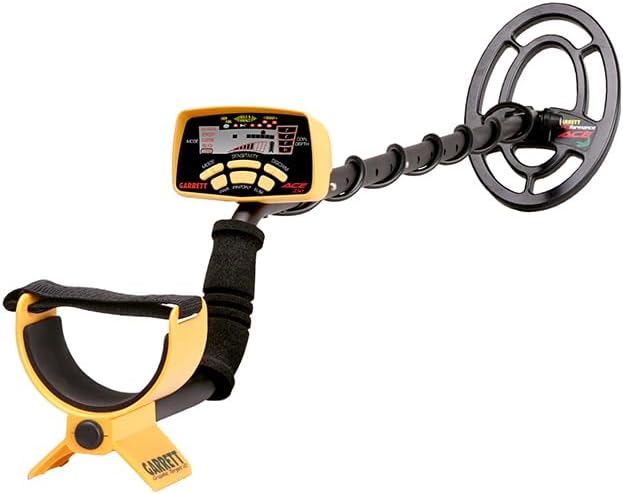

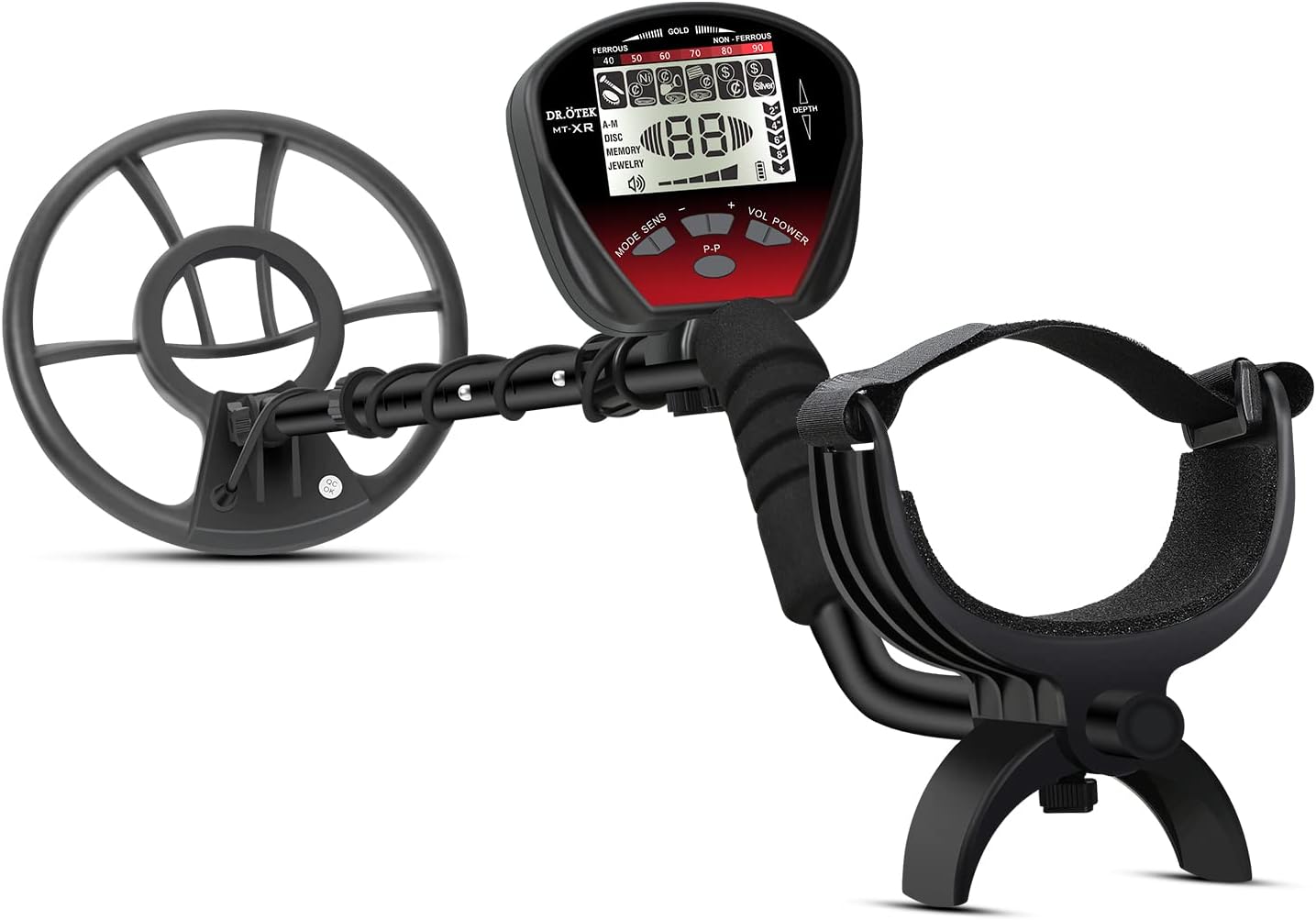


Garrett
See current price


![RM RICOMAX Metal Detector for Adults & Kids - High-Accuracy Metal Detector Waterproof LCD Display [PP Function & DISC Mode & Distinctive Audio Prompt] 10 Inch Waterproof Search Coil (GC-1028) , Black](https://m.media-amazon.com/images/I/71ZyYPitkxL._AC_SL1500_.jpg)

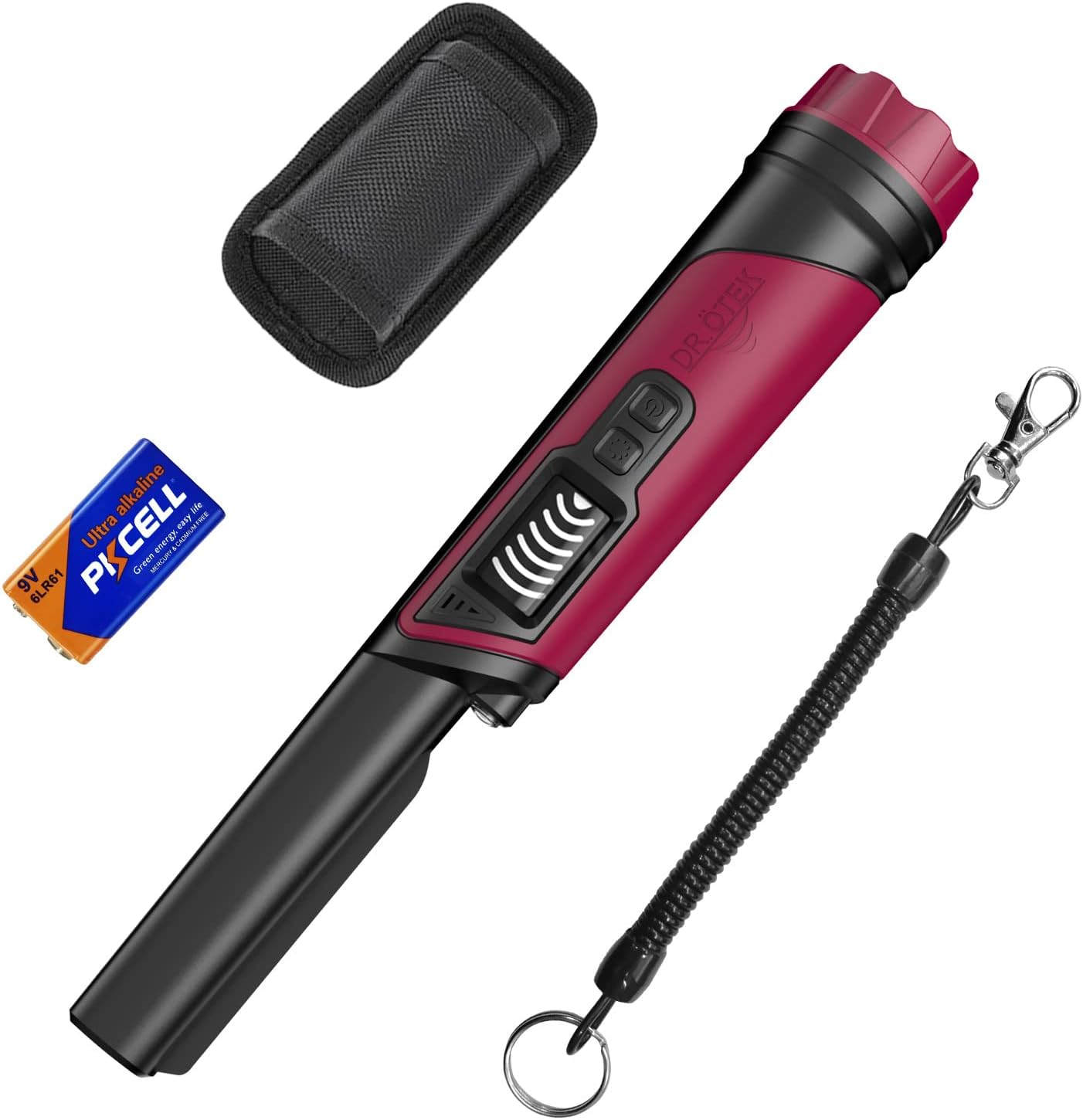
Metal detectors can help locate coins, jewelry, relics, and other metal objects in soil, sand, and some shallow-water environments. The right model depends on where you plan to search, the targets you want to find, and how much control you want over detection settings.
This category is part of Outdoor Power Tools, with listings suited to different experience levels and detecting goals. Compare the specifications and included equipment for each option before choosing a setup.
Start with your usual detecting location. A detector used in a backyard or park may have different priorities from one taken to a beach or used for gold prospecting. Consider:
Although listings may overlap in their intended uses, these broad categories can help narrow the search.
General-purpose models are a practical starting point for searching yards, parks, trails, and other common locations. Look for clear target identification, adjustable sensitivity, discrimination controls, and a display that is easy to read outdoors.
Wet sand and saltwater can create challenging conditions for some detectors. If beach detecting is a priority, review the listing for information about ground balancing, saltwater handling, coil construction, and water-resistance limits. Water-resistant housing and a waterproof search coil are not necessarily the same as full submersion capability.
Gold-focused equipment is designed for people searching for small natural gold in mineralized ground. Pay close attention to sensitivity, ground-balance controls, operating frequency information, and the manufacturer’s stated environmental limitations. These models may be more specialized than a general-purpose detector.
A pinpointer is a compact companion tool used to locate a target more precisely after the main detector identifies an area. It can reduce unnecessary digging and may be useful for coin, relic, and jewelry hunting. Check whether a pinpointer is built into the detector or sold as a separate accessory.
The control layout and detection technology can affect both convenience and performance. Compare the following details across listings:
The catalog includes metal detectors from Garrett, Bounty Hunter, RM RICOMAX, SUNPOW, MINELAB, VVinRC, AMERICAN HAWKS, PudiBe, Fisher Labs, DR.ÖTEK, ForDoc, and OMMO. Treat brand as one comparison point rather than a substitute for checking the specific model’s controls, limitations, included accessories, and intended use.
For replacement coils, digging tools, carry cases, and other compatible equipment, browse Replacement Parts & Accessories. Compatibility can vary by detector, so confirm the supported model or connector before selecting an accessory.
Read the operating instructions before adjusting sensitivity or using a detector in wet conditions. Begin with a standard mode in a familiar area, then change one setting at a time so you can understand its effect. Keep the search coil level and close to the ground without striking obstacles, and use a careful recovery method to minimize disturbance.
When comparing listings, check the detector’s packed size, shaft adjustment, handle design, and total included kit. These details can matter as much as detection features when a session involves extended walking or uneven ground. Follow local rules for detecting on public land, private property, beaches, and historic sites.
A model with simple controls, readable target information, adjustable sensitivity, and a general-purpose search mode is often easier to learn. An included pinpointer or digging accessory can also simplify the first outings.
No. Water protection varies by component and model. Check whether the control box and coil are waterproof, the permitted depth, and any restrictions on saltwater use before entering water.
Discrimination helps the detector respond differently to selected types of metal or unwanted targets. It can reduce signals from common junk, but it may also affect desirable targets, so adjustable settings are useful.
Not necessarily. A larger coil may cover more ground, while a smaller coil can be easier to maneuver around rocks, roots, and closely spaced objects. Choose based on the terrain and targets you expect to encounter.
Both can improve target feedback, but the best setup depends on preference and conditions. A display provides visual information, while headphones can make faint audio changes easier to notice and limit disruption to others.