

Replacement Parts & Accessories for Outdoor Power Tools
Find replacement parts and accessories for outdoor power tools, then compare compatibility, dimensions, materials, and included components to narrow your options.
6,659 products in catalog
6,659 results
Filters
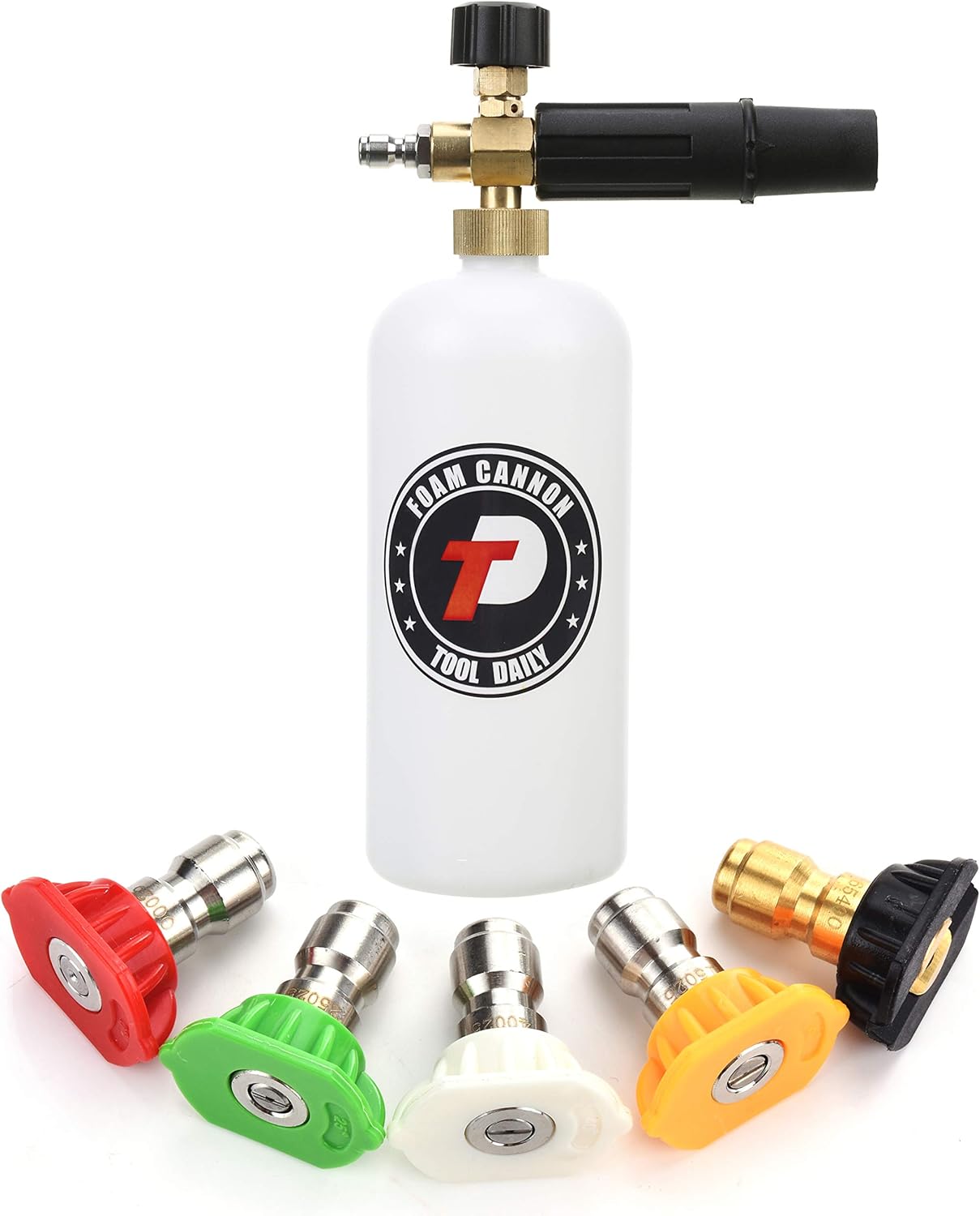
Tool Daily
Tool Daily Foam Cannon with 1/4 Inch Quick Connector, 1 Liter, 5 Pressure Washer Nozzle Tips
See current price


Twinkle Star
Twinkle Star Pressure Washer Nozzle Tips Multiple Degrees, 1/4 INCH (2.5 GPM)
See current price


Sona Enterprises
SE 13 1/4 Inch Stackable Classifier Gold Prospecting Pan - 1/50 Inch Stainless Steel Mesh Sifting Pan, Green
See current price


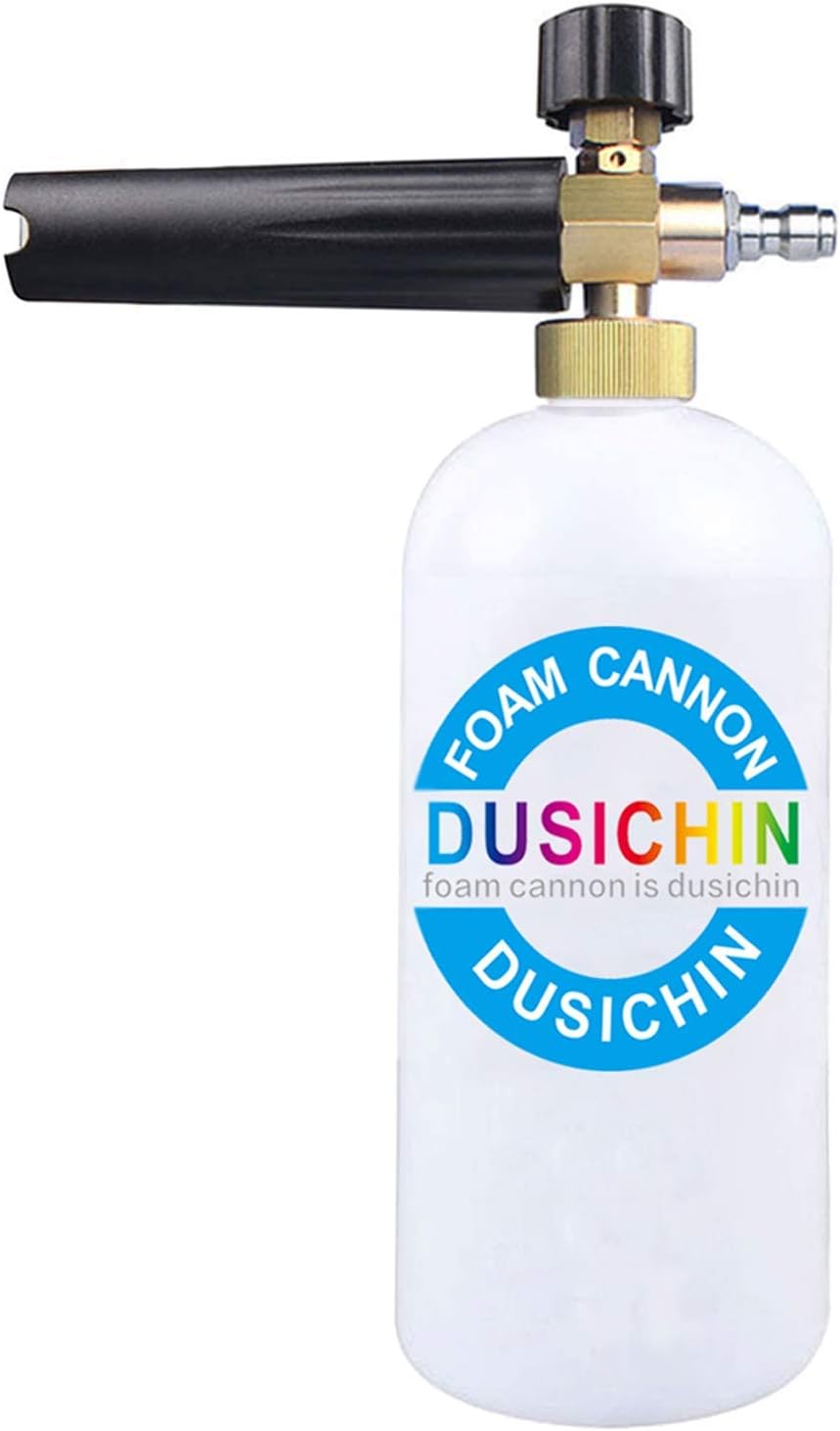


Twinkle Star
Twinkle Star Foam Cannon 1 L Bottle Snow Foam Lance with 1/4" Quick Connector, 5 Nozzle Tips for Pressure Washer
See current price




Popular brands in Replacement Parts & Accessories
Replacement parts can help restore an outdoor power tool, prepare it for seasonal work, or keep routine maintenance on schedule. The right choice depends less on appearance than on exact compatibility with the tool’s brand, model, power system, and existing assembly.
This K-Catalog category covers parts and accessories associated with outdoor power equipment. Use product specifications and listing details to verify fit before selecting an option for a mower, trimmer, chainsaw, blower, pressure washer, or other tool.
How to choose the right replacement part
Start by identifying the tool and the component that needs replacing. Have the equipment’s brand, model information, engine or power details, and the original part available when comparing listings. A product that looks similar may still differ in connection points, dimensions, mounting holes, electrical connections, or operating requirements.
Check these details before choosing:
- Exact compatibility: Look for a stated fit with your tool’s make and model rather than relying on a general product photo.
- Part identification: Compare the original part number, if available, with the identifiers shown in the listing.
- Dimensions: Check length, width, diameter, thickness, thread size, and mounting measurements where relevant.
- Connection type: Confirm whether the part uses the same connector, shaft, fitting, belt profile, plug, or attachment method.
- What is included: Determine whether the listing contains one component, a pair, a kit, fasteners, seals, or other installation hardware.
- Operating requirements: For electrical or engine-related parts, match voltage, current, fuel-system details, spark plug specifications, or other stated requirements.
If the original part is damaged or unreadable, consult the tool’s manual or an authorized parts diagram when possible. Measurements and photographs can help, but they should support—not replace—model-specific compatibility information.
Parts and accessories by tool type
Replacement components are often easier to find when you first identify the outdoor power tool they support. Browse the broader Outdoor Power Tools category to compare equipment categories, or use these related sections when you need a replacement for a particular type of tool.
- Pressure Washers may require hoses, spray components, fittings, filters, seals, or other maintenance and connection parts. Match pressure and connection specifications carefully.
- Leaf Blowers, Vacuums & Accessories can use tubes, nozzles, collection components, filters, batteries, chargers, and other attachments. Confirm the tool series and attachment interface.
- Chainsaws may need chain-related components, bars, covers, filters, sprocket parts, or maintenance accessories. Chain and bar compatibility must be checked together.
- String Trimmers commonly use cutting and guard components, spools, line, shafts, handles, batteries, and chargers. Verify both the trimmer model and the intended cutting system.
- Lawn Mowers & Tractors can require blades, belts, filters, wheels, handles, seats, deck components, and other replacement items. Deck size and model-specific mounting details are especially important.
Some parts can appear suitable for multiple tool families, but shared terminology does not guarantee interchangeability. Treat each compatibility statement as a specification to verify, not as a substitute for checking your equipment’s identification label.
Key specifications to compare
The most useful specification depends on the type of part. For mechanical components, focus on measurements, material, mounting style, and moving-part interfaces. For electrical components, compare voltage, connector style, battery platform, and whether the component is intended for indoor or outdoor equipment use as stated by the manufacturer.
For consumable or cutting parts, compare the material, dimensions, shape, thickness, and intended application. A blade, chain, line, filter, belt, or brush must match the tool’s design and operating requirements. Using an incompatible consumable can lead to poor performance or premature wear.
For accessories and attachments, consider how the item connects to the tool and whether it changes the tool’s function. Check included adapters, extension pieces, guards, storage components, and adjustment features. If an accessory is sold as a kit, read the full contents rather than assuming every pictured item is included.
Also compare listing terminology carefully. “Replacement” may describe a compatible alternative, while “genuine,” “OEM,” or similar wording may identify a particular source or construction standard. Confirm what the listing says about compatibility, included parts, and intended use before making a selection.
Brands represented in the catalog
The catalog includes products associated with Husqvarna, Briggs & Stratton, Oregon, Hipa, Stens, MAXPOWER, MTD Genuine Parts, John Deere, Harbot, Toro, Stihl, and Rotary. These brands appear across replacement-part and accessory listings, but brand name alone does not establish fit for a specific tool.
When comparing products from different brands, prioritize the part’s documented compatibility and specifications. An option from the same brand as the tool may still require model-specific verification, while a compatible alternative may use different product terminology. Review the complete listing details and compare the replacement with the original component whenever possible.
Installation, maintenance, and safety considerations
Before removing a part, switch off the equipment and follow the tool manufacturer’s shutdown procedure. Disconnect the spark plug, battery, power source, or fuel supply when the equipment’s instructions call for it. For cutting equipment, allow moving components to stop fully and use appropriate protective equipment during handling.
Keep fasteners and removed components organized during disassembly. Take photographs before removing complicated assemblies, and do not force a part into place if holes, connectors, threads, or clearances do not align. A poor fit can damage the tool or create a safety hazard.
After installation, inspect the assembly before use. Check that guards are secure, rotating parts move freely, belts and chains have the specified tension, electrical connections are protected, and fluids or fuel are not leaking. Follow the manufacturer’s instructions for break-in, lubrication, adjustment, and testing. If the repair involves fuel, electrical systems, high-pressure water, or critical cutting components and the instructions are unclear, qualified service may be the safer choice.
Store spare parts in a clean, dry location and keep batteries, filters, seals, and other sensitive components protected from moisture, heat, and contamination as directed by their documentation.
Frequently asked questions
How can I identify the correct replacement part?
Find the tool’s brand and model information, then compare the original component’s part number, dimensions, connectors, and mounting points with the listing. Model-specific compatibility is the strongest indicator of fit.
Is a part from the same brand always compatible?
No. Outdoor power tool brands often use different parts across product families and model generations. Verify the exact tool model and the listing’s compatibility details before choosing.
What if the original part number is missing?
Use the equipment identification label, manual, parts diagram, and physical measurements. Photos and dimensions can help narrow the options, but confirm the final choice against documented compatibility.
How do I know whether a listing includes installation hardware?
Read the included-items section and product description carefully. Do not assume that fasteners, adapters, gaskets, batteries, chargers, or other accessories shown in images are included unless the listing states so.
Can replacement parts be used on a different tool type?
Only when the listing specifically indicates compatibility. Similar-looking parts may have different dimensions, connection methods, strength requirements, or operating limits.
What should I do before using a newly installed part?
Inspect the installation, secure all fasteners and guards, check connections and clearances, and follow the tool manufacturer’s operating and safety instructions before starting the equipment.