

Microphone Accessories
Compare microphone accessories by fit, connection type, stability, and intended use. This catalog helps you review practical specifications before visiting Amazon for current availability.
696 products in catalog
696 results
Filters


Mudder
Mudder Mic Cover Foam Microphone Windscreen, Condenser Microphone (Size A, 1 Pack)
See current price

Amazon Basics
Amazon Basics Adjustable Boom Height Microphone Stand with Tripod Base, Up to 85.75 Inches - Black
See current price


![Pop Filter,PEMOTech [Upgraded Three Layers] Metal Mesh & Foam & Etamine Layer Microphone Windscreen Cover Handheld Mic Shield Mask,Microphone Accessories for Vocal Recording,Youtube videos,Streaming](https://m.media-amazon.com/images/I/813pCv3Q-nL._AC_SL1500_.jpg)


Cloud Microphones
Cloud Microphones - Cloudlifter CL-Z - Vari-Z Mic Activator - Ultra-Clean Microphone Preamp Gain Variable Impedance Control - USA Made
See current price


Popular brands in Accessories
Microphone accessories can affect setup comfort, positioning, portability, and recording results. The right choice depends on your microphone, mounting method, connection standard, workspace, and whether you are building a home, studio, stage, streaming, or mobile setup.
Use this page to compare accessory specifications and features across the catalog. If you are still choosing the microphone itself, browse Microphones first, then return here to match supporting equipment.
How to choose microphone accessories
Start by identifying the job the accessory needs to do. A stand or boom arm needs to hold the microphone securely and place it at a comfortable working height. A mount or shock mount needs to match the microphone’s shape and attachment method. A cable must have the correct connectors and enough length for the setup without creating unnecessary slack.
Consider these questions before comparing products:
- What microphone will it fit? Check the microphone’s dimensions, weight, mounting thread, connector, and included hardware.
- Where will it be used? Desktop, floor, studio, stage, vehicle, and outdoor setups have different space and stability requirements.
- How often will it move? Portable equipment should be easy to fold, detach, pack, and reassemble.
- What problem are you solving? Choose accessories for positioning, vibration control, cable management, wind protection, storage, or connection needs.
- What is included? Confirm whether adapters, clips, screws, cables, carrying solutions, or other mounting hardware are part of the package.
Common types of microphone accessories
The Accessories catalog covers supporting equipment rather than microphones themselves. Product types may vary, so read each listing carefully and compare the specifications that matter for your setup.
Stands, arms, and mounts
Desktop stands suit compact workspaces, podcasting, video calls, and other seated applications. Floor stands and boom stands offer more placement flexibility for vocalists, instruments, and performance spaces. Boom arms can keep a microphone off the desk, but compare their reach, mounting method, adjustment range, and support capacity.
Shock mounts and suspension-style holders are useful when handling movement or surface vibration is a concern. Confirm that the holder is designed for your microphone’s body size and shape; a universal label does not guarantee a secure fit for every microphone.
Cables, adapters, and connection accessories
Cable selection should begin with the connectors on both ends and the type of signal or device involved. Check whether the accessory is intended for a microphone, audio interface, mixer, camera, computer, or another source. Connector appearance alone can be misleading, particularly when adapters or different wiring configurations are involved.
For permanent setups, cable length and routing are important. For portable setups, flexibility, strain relief, and easy storage may matter more. Keep adapters limited to situations where they solve a specific compatibility need, since each additional connection can complicate setup.
Windscreens, pop filters, and protective accessories
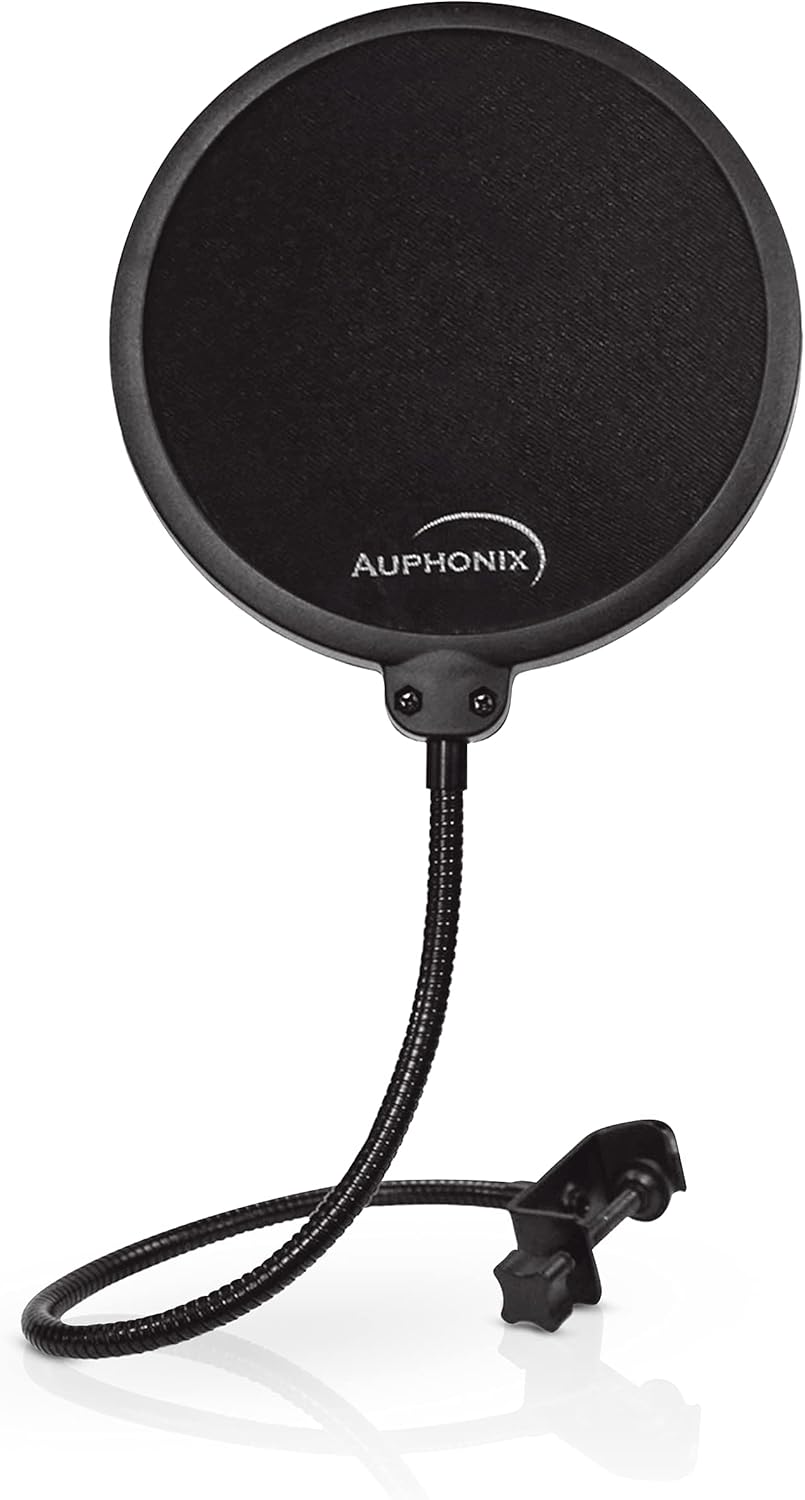
Windscreens can help manage airflow and environmental exposure, while pop filters are commonly used between a speaker and microphone to reduce the effect of strong plosive sounds. Compare the accessory’s attachment method, size, adjustability, and intended microphone placement.
Cases, covers, clips, cable organizers, and replacement hardware can also make a setup easier to transport and maintain. Match protective accessories to the microphone and the way it will be stored rather than choosing solely by appearance.
Specifications worth comparing
Small differences in specifications can determine whether an accessory works well in practice. Pay particular attention to:
- Compatibility: microphone dimensions, thread size, connector type, device support, and included adapters.
- Adjustment: height, angle, reach, rotation, clamp range, or other positioning controls.
- Stability: base design, clamp style, weight, locking mechanisms, and the surface where it will be installed.
- Construction: materials, joints, cable guides, padding, and components subject to repeated movement.
- Portability: folded size, detachable parts, storage options, and ease of setup.
- Placement needs: desk thickness, available clearance, floor area, and proximity to other equipment.
For accessories used during performances or frequent recording sessions, prioritize secure attachment and straightforward adjustment. For occasional home use, compact storage and simple installation may be more valuable.
Brands represented in the catalog
Brands represented in this catalog include Neewer, OnStage, YOUSHARES, InnoGear, Rode, Moukey, SHURE, SUNMON, Gator Frameworks, Pyle, Movo, and Samson. Treat brand presence as a way to narrow your comparison, not as a substitute for checking fit and specifications. Accessories from the same brand may still be designed for different microphones or use cases.
Frequently asked questions
How do I know whether an accessory fits my microphone?
Compare the accessory’s stated compatibility, dimensions, mounting thread, connector, and attachment method with the microphone’s specifications. Check included adapters and hardware as well.
Is a desktop stand or boom arm better?
A desktop stand is generally simpler and more self-contained. A boom arm can provide greater reach and keep the desk clearer, but it requires suitable mounting space and secure support.
Do I need a shock mount?
A shock mount may help reduce vibration transferred through a stand or desk. Whether it is useful depends on the microphone, mounting arrangement, and how much movement or handling your setup experiences.
What should I check before buying a microphone cable?
Verify the connector at each end, the required cable type, the length, and compatibility with the connected equipment. Do not rely only on the cable’s appearance.
Are pop filters and windscreens interchangeable?
They can serve related but different purposes. Compare the manufacturer’s intended use, attachment method, and placement before choosing one for vocal recording or outdoor use.
Can I use any microphone accessory for live performance?
Not necessarily. Live setups place greater demands on stability, durability, portability, and quick adjustment. Confirm that the accessory is suitable for the microphone and performance environment.