

Microphones for Recording, Streaming & Performance
Compare microphones by connection, pickup pattern, intended use, and essential features. Browse options for vocals, instruments, streaming, podcasting, meetings, and live performance.
1,139 products in catalog
1,139 results
Filters
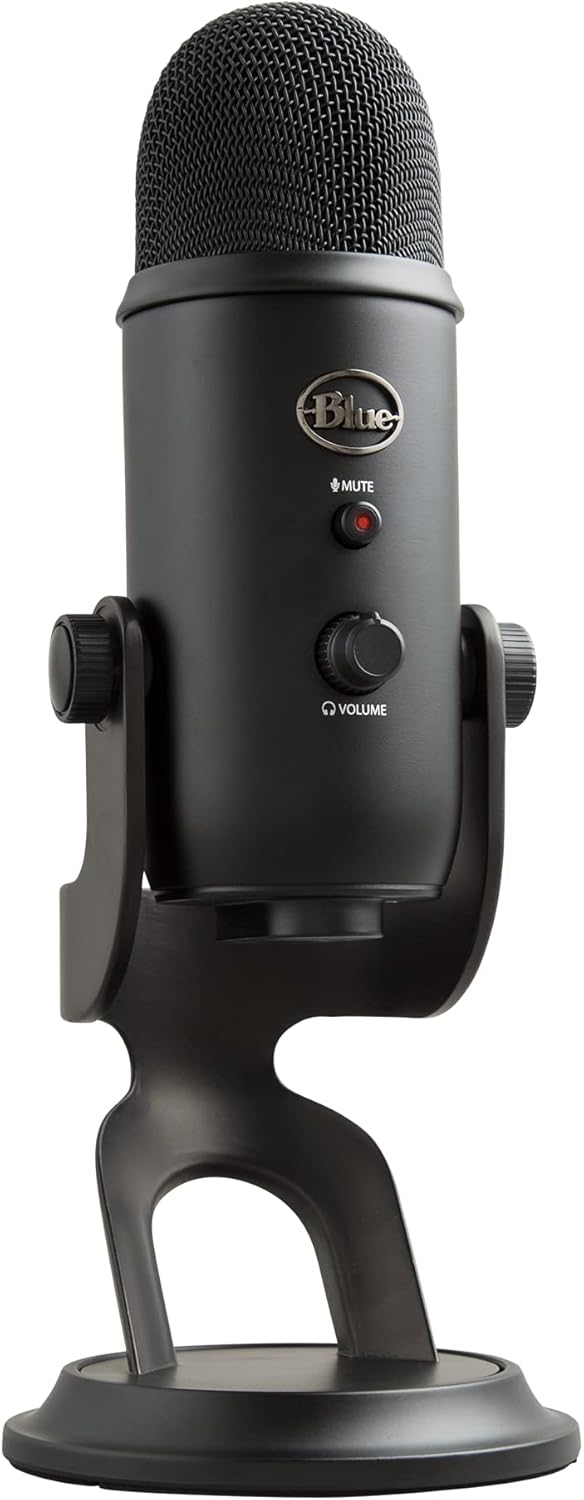

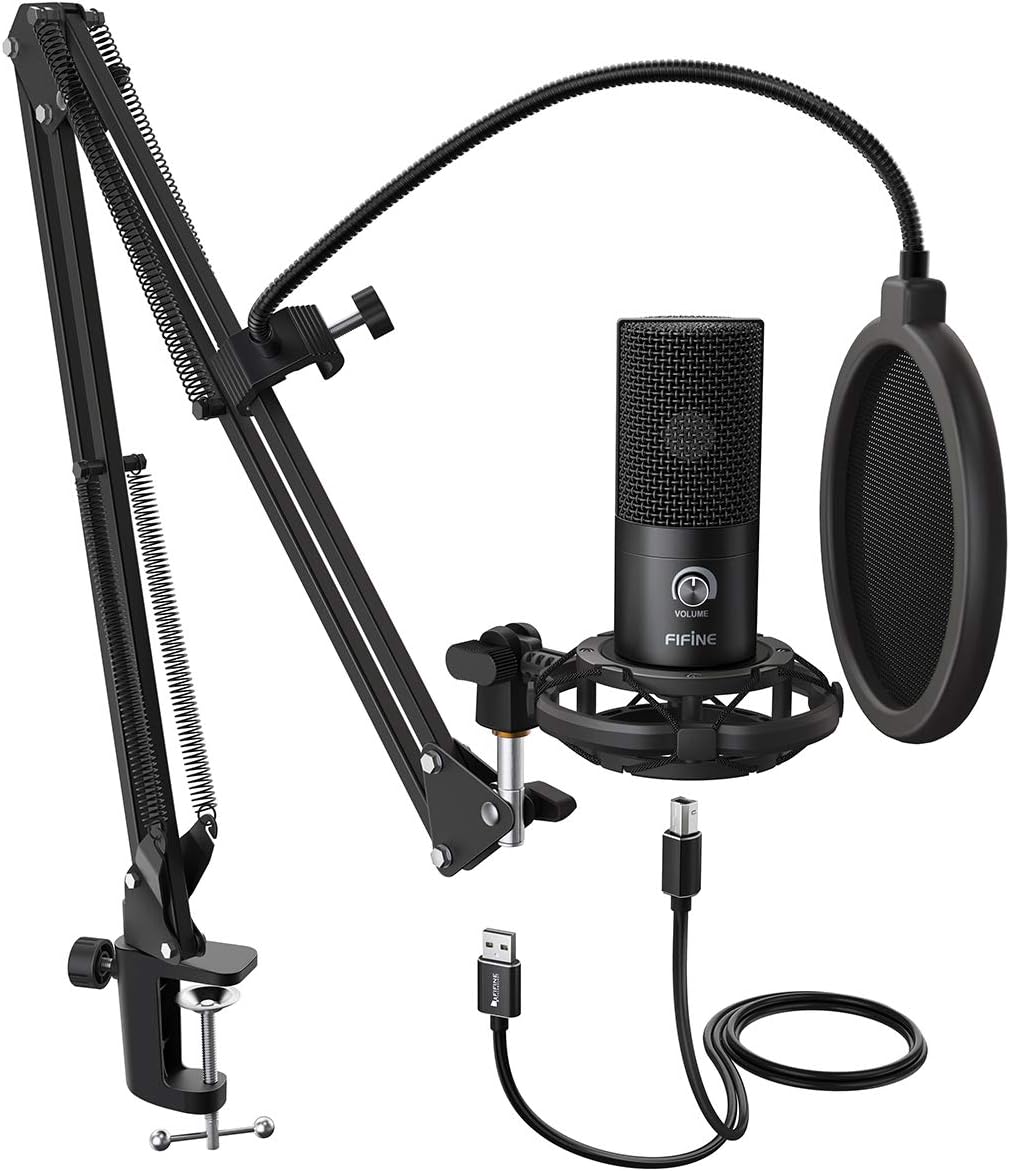


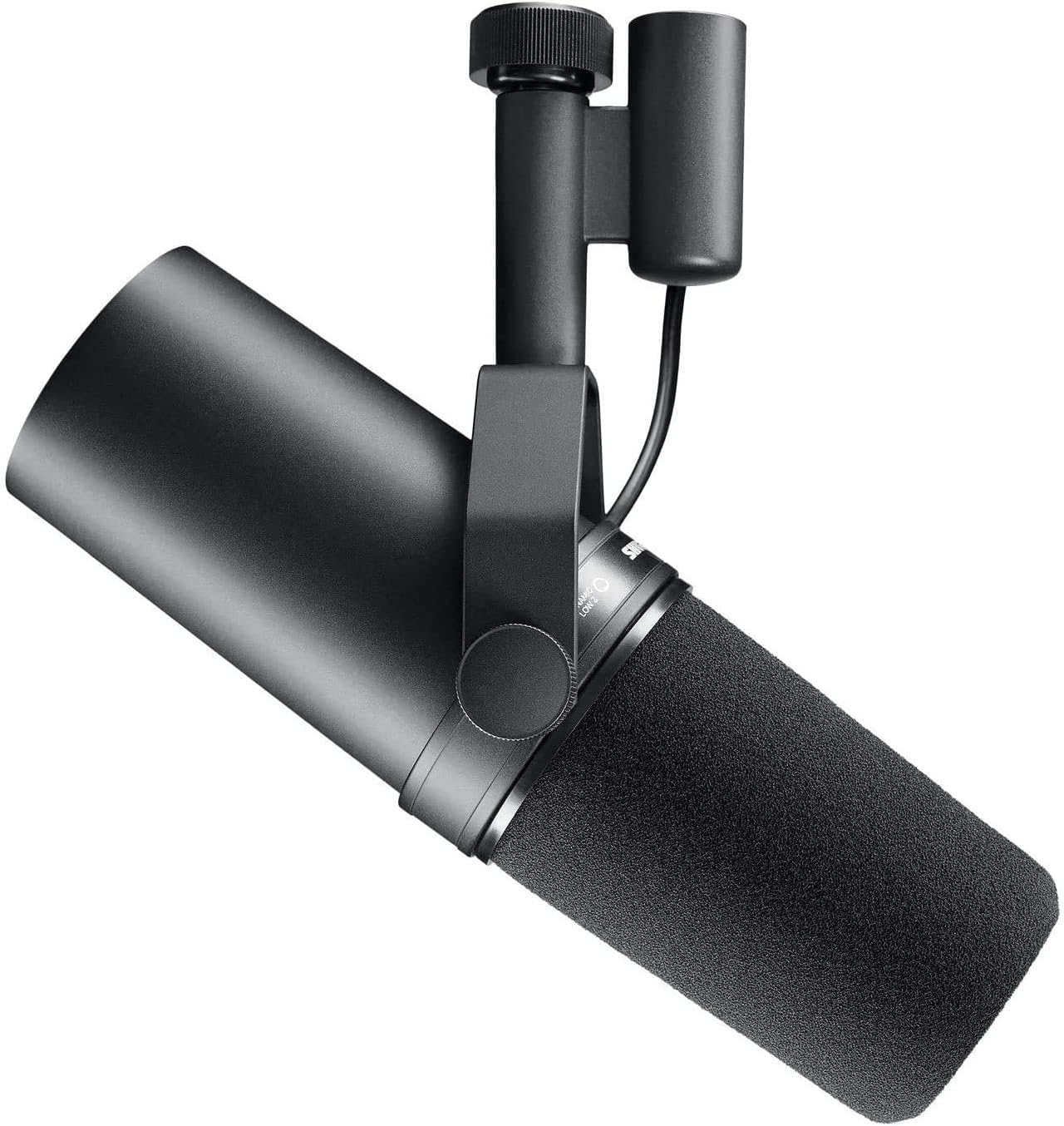


Singing Machine
Singing Machine SMM-205P Unidirectional Dynamic Karaoke Microphone with 10 Ft. Cord, Pink, One Size
See current price
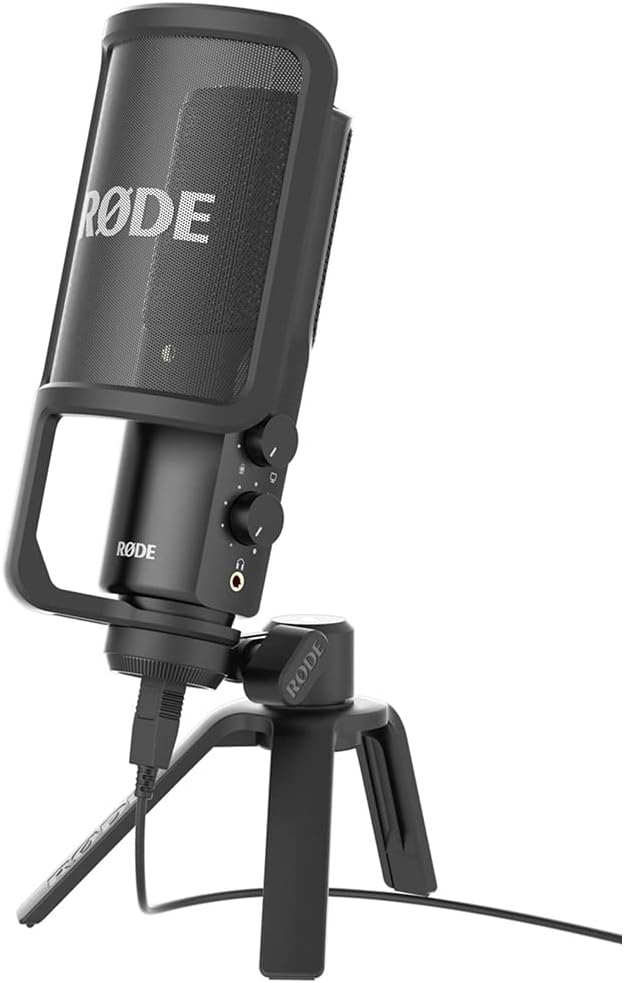


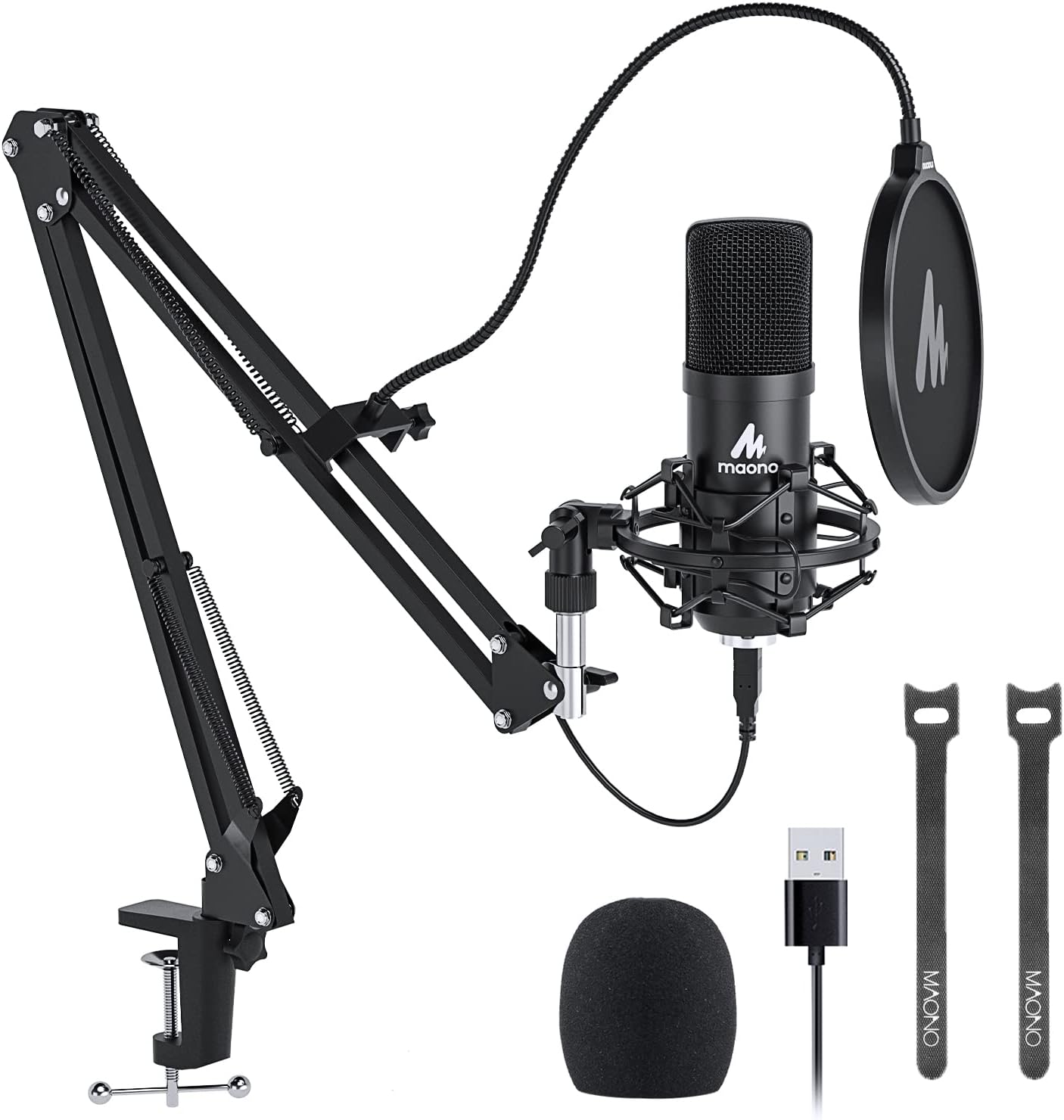


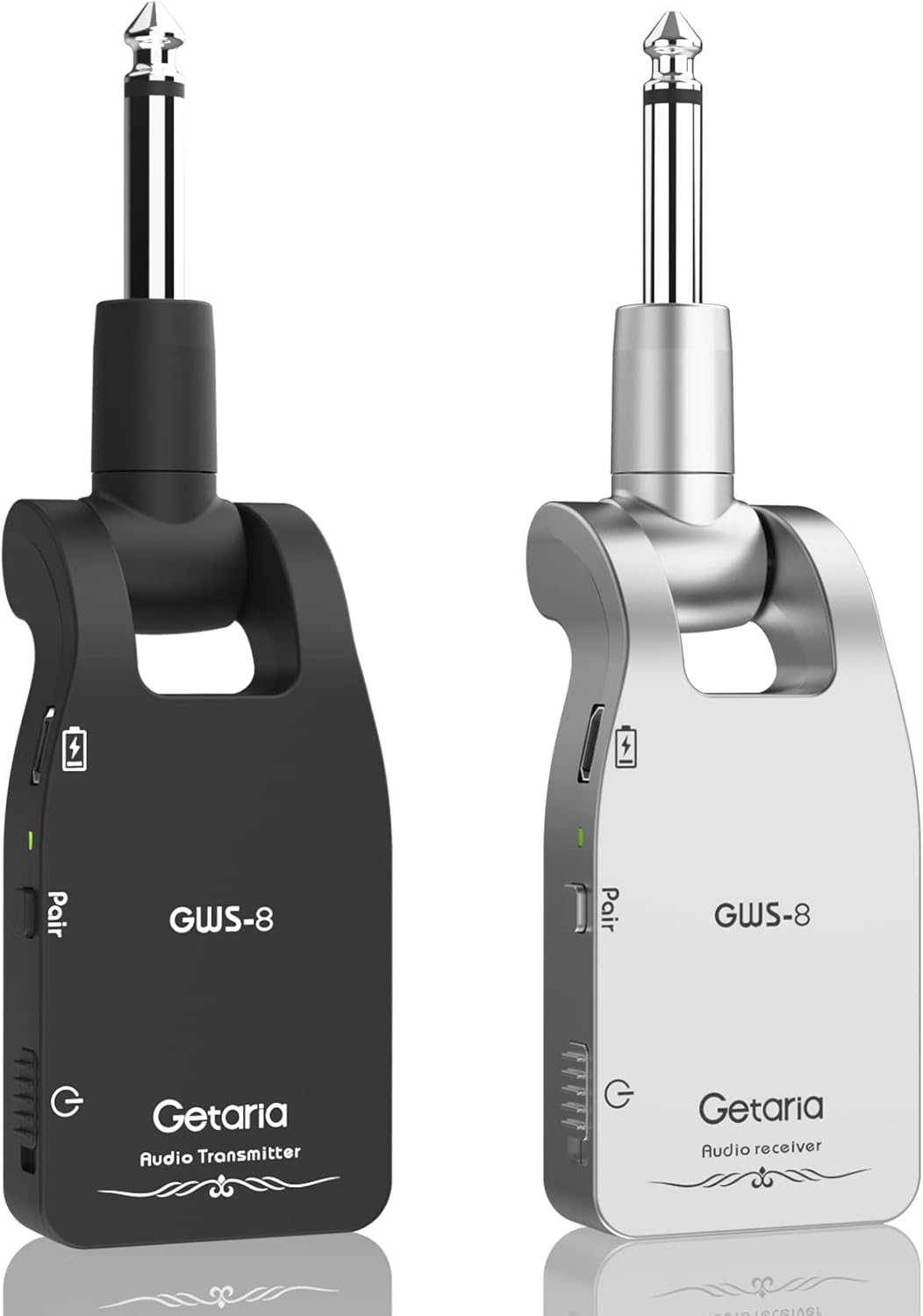
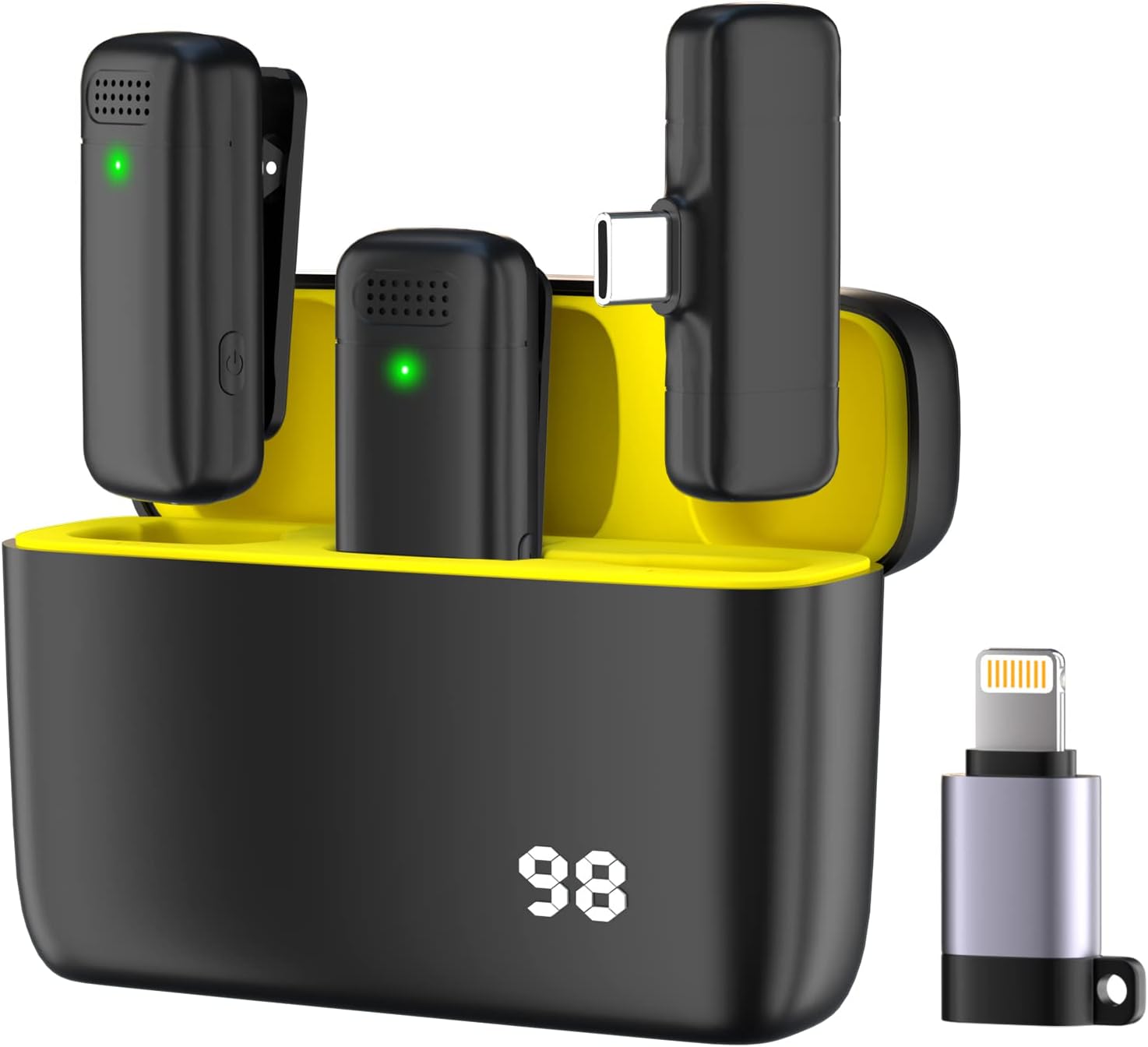


Popular brands in Microphones
Choosing a microphone starts with matching its design to the sound source and setup. A microphone for live vocals has different priorities from one used for podcasting, instrument recording, gaming, or video calls. Comparing specifications can help narrow the catalog to models that fit your equipment and workspace.
This K-Catalog page is part of Microphones & Accessories, where shoppers can compare product details before checking current availability and pricing on Amazon.
How to choose a microphone
Start by identifying how the microphone will be used and what equipment it must connect to. A home studio, desktop streaming setup, stage rig, and portable recording kit may each call for a different combination of microphone type, connection, and mounting method.
Consider these questions:
- What are you recording? Vocals, acoustic instruments, amplified sound, speech, and group conversations can benefit from different pickup characteristics.
- Where will you use it? Room noise, keyboard sounds, nearby speakers, and handling can affect the practical choice.
- What does it connect to? Check whether your computer, audio interface, mixer, camera, console, or mobile device supports the microphone’s connection.
- How will it be mounted? A handheld mic, desk microphone, clip-on design, boom-mounted model, or camera-mounted unit suits different workflows.
Common microphone types
Microphones are available in several designs, and the right category depends on both the recording task and the surrounding environment.
Dynamic microphones are often considered for live vocals, spoken-word use, instruments, and situations where durability and resistance to surrounding sound matter. They can be a practical fit for stage setups and untreated rooms.
Condenser microphones are commonly chosen for detailed vocal, instrument, voiceover, and studio recording. They can capture subtle sound, so shoppers should also consider the acoustics of the room and the amount of background noise.
USB microphones connect directly to compatible computers and other devices, making them convenient for streaming, podcasting, online meetings, and home recording. They can be useful when a separate audio interface is not part of the setup.
XLR microphones connect to mixers, audio interfaces, and other compatible audio equipment. They are suited to setups where the user wants more control over gain, monitoring, routing, or future equipment changes.
Other form factors include lavalier microphones for hands-free speech, shotgun microphones for more directional capture, headset microphones for performers or presenters, and compact models for portable use.
Key specifications to compare
A microphone’s headline type does not tell the whole story. Compare the following specifications and design details:
- Polar pattern: Cardioid focuses primarily on sound from the front, while omnidirectional designs capture sound from a wider area. Bidirectional and selectable-pattern microphones may suit interviews, duets, or other specialized setups.
- Frequency response: This describes the range of frequencies the microphone is designed to capture. Compare it with the voice or instrument being recorded and the desired tonal character.
- Sensitivity and maximum sound pressure level: These details can help indicate how the microphone handles quiet sources or louder instruments. Check the specifications against the intended recording environment.
- Connection and power: Confirm the connector type and whether the microphone requires USB power, phantom power, batteries, or another power source.
- Monitoring and controls: Some models include headphone monitoring, mute controls, gain adjustment, or other onboard controls that may simplify streaming and desktop recording.
- Included mounting hardware: Check whether the package includes a stand, clip, shock mount, windscreen, cable, or adapter. For additional setup items, browse Accessories.
Brands represented in the catalog
The catalog includes microphones from SHURE, Pyle, Neewer, Audio-Technica, Rode, BONAOK, MAONO, Samson, Logitech for Creators, TONOR, Behringer, and FIFINE. These brands cover a range of microphone formats and intended uses, so compare the specifications of individual products rather than choosing by brand name alone.
Pay particular attention to the connection, pickup pattern, included accessories, and compatibility information on each product page. A familiar brand may offer products for several different applications, and a model designed for one setup may not suit another.
Setup and compatibility tips
Before choosing a microphone, check the available ports and required accessories. USB models should be compatible with the intended computer or device, while XLR models generally need an appropriate cable and an audio interface, mixer, or other compatible input. Mobile and camera setups may require a specific adapter.
Placement also affects results. Keep the microphone positioned consistently relative to the speaker or instrument, avoid placing it directly beside a loud source, and use a windscreen or pop filter when appropriate. For desktop recording, a stable stand or boom arm can help maintain distance and reduce handling noise.
If several people will speak at once, consider whether a single directional microphone, an omnidirectional model, or multiple microphones will work best. For live use, also check cable length, mounting options, handling needs, and compatibility with the existing sound system.
Frequently asked questions
Should I choose a USB or XLR microphone?
USB is convenient for direct connection to a compatible device. XLR is better suited to setups using an audio interface, mixer, or other dedicated audio equipment.
Is a condenser microphone suitable for a noisy room?
It may capture detailed sound along with room noise. Compare the polar pattern, placement options, and room conditions before choosing one for an untreated space.
What does a cardioid pickup pattern mean?
A cardioid pattern is designed to emphasize sound from the front and reduce sensitivity to much of the sound from the sides and rear. Placement still matters.
Do microphones include stands and cables?
Included items vary by product. Check the individual listing for the cable, stand, clip, shock mount, windscreen, adapter, or other accessories provided.
What microphone is suitable for streaming or podcasting?
USB desktop microphones can be convenient for these uses, while XLR models may suit a more expandable audio setup. Compare connection, monitoring, controls, and pickup pattern.