

Mirrors for Every Room and Décor Style
Compare mirrors for bedrooms, bathrooms, entryways, living spaces, and more. Review dimensions, frame details, mounting options, and style to find a mirror that fits your room and décor.
1,109 products in catalog
1,109 results
Filters

Amazon Basics
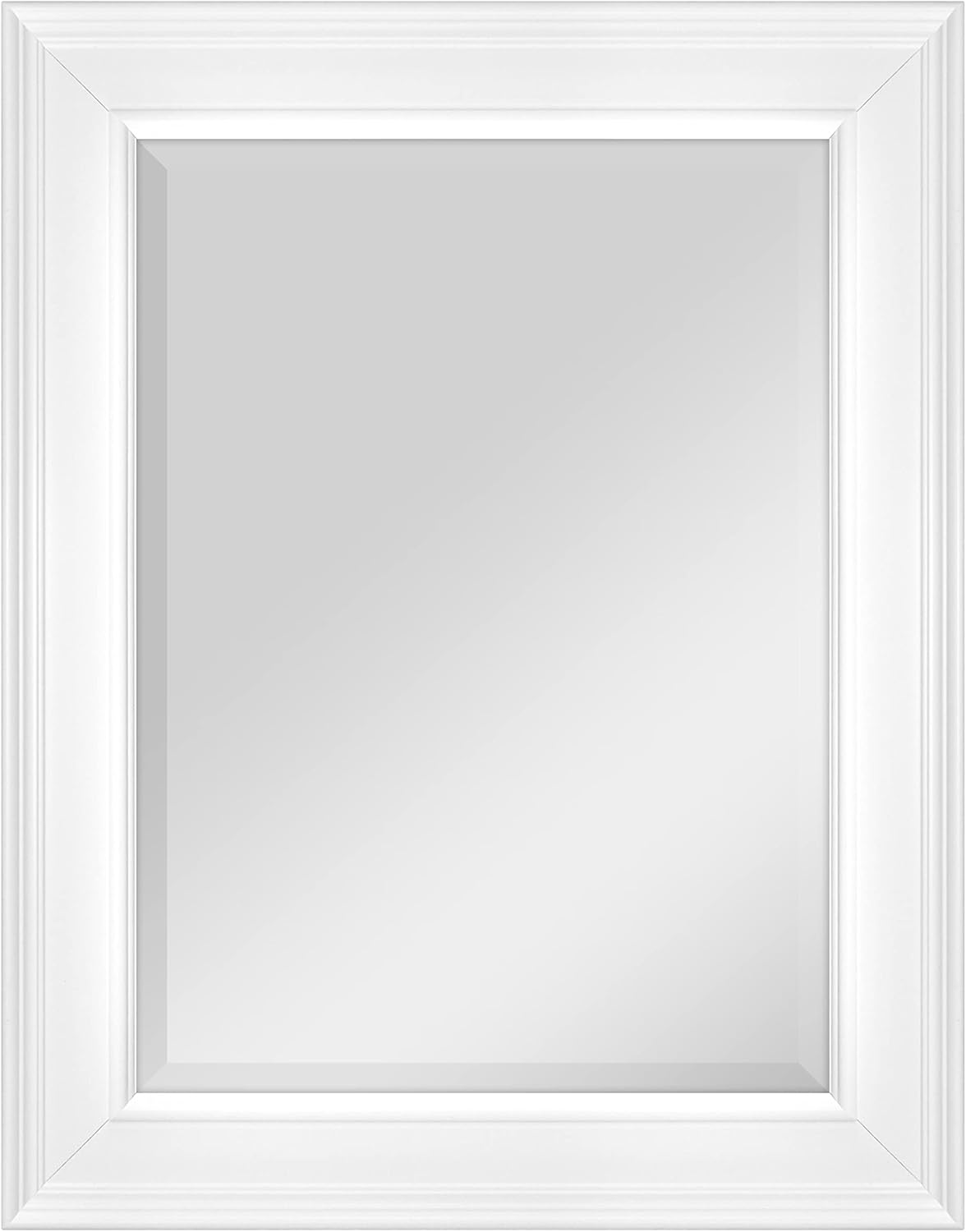
Amazon Basics Rectangular Wall Mirror 24" x 36" - Decorative Trim, Nickel
See current price


HBCY Creations
Black Circle Wall Mirror 20 Inch Round Wall Mirror for Entryways, Washrooms, Living Rooms and More (Black, 20")
See current price

Amazon Basics
Amazon Basics Wall-Mounted Round Vanity Mirror, 1X/5X Magnification, Chrome, 15.2 inches x 1.18 inches
See current price


The Better Bevel
Better Bevel 18” x 18” Matte Gold Rubber Framed Mirror | Round Bathroom Wall Mirror
See current price




Popular brands in Mirrors
Mirrors can make a room feel brighter, add a finishing detail to a wall, or provide a practical place to check your appearance. The right choice depends on more than visual style: size, shape, orientation, mounting method, and the wall where it will hang all matter.
K-Catalog brings together mirror options from brands including TinyTimes, Kate and Laurel, MCS, Stonebriar, Letushy, BBTO, Hamilton Hills, OGCAU, H&A, Naomi Home, BEAUTYPEAK, and Beauty4U. Compare the listed specifications and features, then visit Amazon to check the current product details before buying.
How to choose a mirror
Start with the mirror’s purpose and location. A wall mirror over a console may be primarily decorative, while a bedroom or dressing mirror needs enough surface area for a useful reflection. Bathroom mirrors should suit the vanity width and the room’s moisture-prone environment.
Before choosing a design, measure the available wall space. Account for nearby doors, cabinets, shelves, lighting, and other décor. A mirror should have enough clearance to hang securely and remain easy to use without making the wall feel crowded.
Consider the overall room style as well. A framed mirror can coordinate with furniture and hardware, while a frameless design may have a cleaner, more understated appearance. Rounded shapes can soften a room, while rectangular or geometric designs often create a more structured look.
Mirror styles and placement ideas
Mirrors can work in almost any room when their proportions and finish are suited to the space. Common placement ideas include:
- Entryway mirrors: Useful near a console, coat area, or landing spot for a final appearance check before leaving.
- Bedroom and dressing mirrors: Choose a size and orientation that make sense for the available wall or floor space.
- Bathroom mirrors: Compare the mirror width with the vanity and consider how the frame or edge treatment will work with the room’s fixtures.
- Living room mirrors: Decorative wall mirrors can reflect light and complement artwork, furniture, or an accent wall.
- Full-length mirrors: These are useful when a broader view is needed, but they require careful attention to placement and stability.
- Small accent mirrors: A compact design can fill a narrow wall or join a larger arrangement without dominating the room.
For additional room-planning ideas, browse Home Décor Products and Home Décor Accents. Other nearby categories, such as Photo Albums, Frames & Accessories, can help coordinate wall décor around a mirror.
Features and specifications to compare
Product listings may differ in the details that affect installation, appearance, and everyday use. Check the following specifications carefully:
- Overall dimensions: Confirm the height, width, and depth against the intended wall or floor location.
- Orientation: Some mirrors are designed for vertical or horizontal hanging, while others may support either direction.
- Frame and edge design: Compare framed, frameless, beveled, and decorative edge treatments according to the room’s style.
- Materials and finish: Look for the listed frame material, surface finish, and color rather than relying only on product photos.
- Mounting hardware: Check whether hanging hardware is included and whether the installation method suits the wall surface.
- Weight: A heavier mirror may require more suitable anchors or assistance during installation.
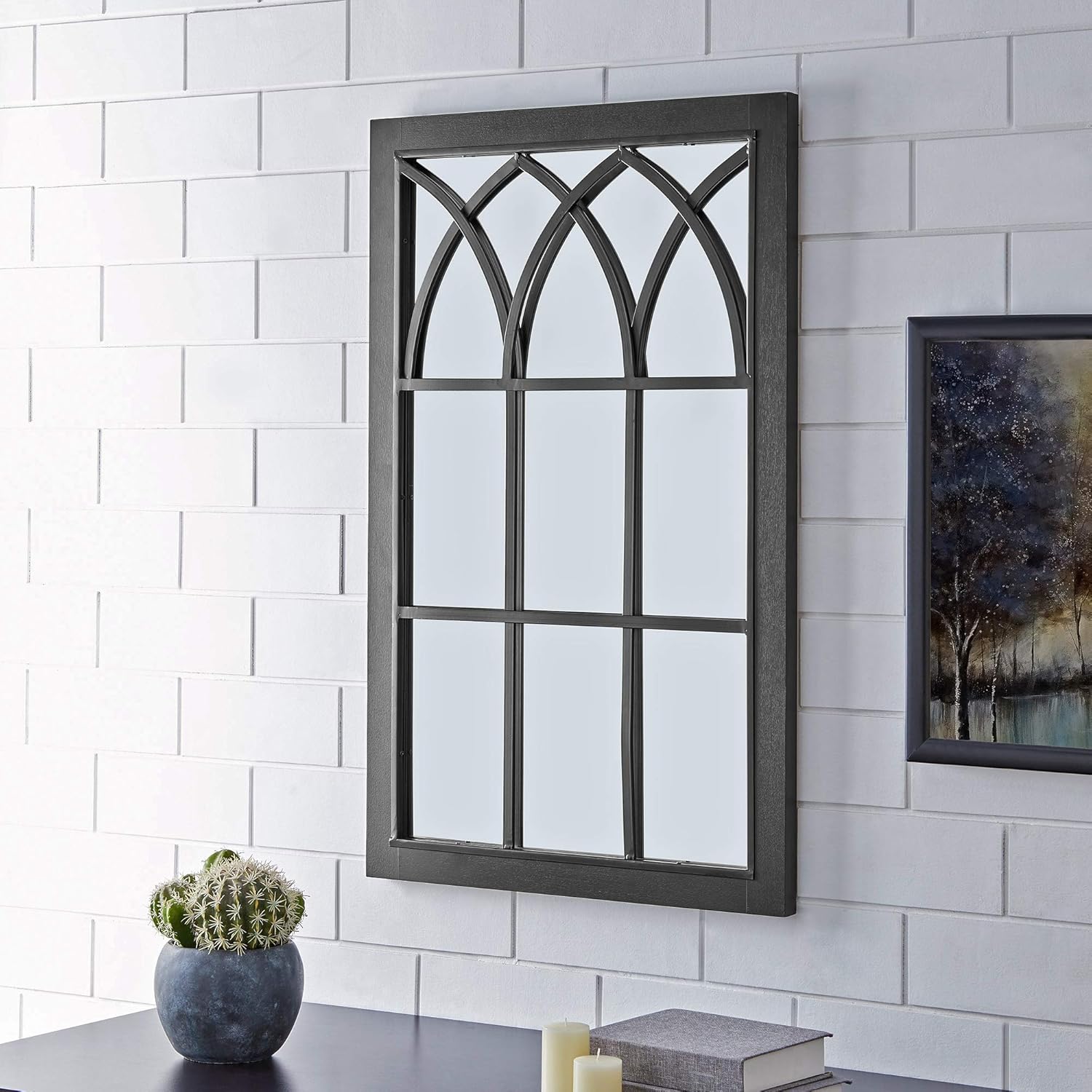
- Shape: Round, arched, oval, rectangular, and irregular silhouettes create different visual effects.
Photos can help with style, but measurements and specifications are more reliable for confirming fit. If a listing leaves an important detail unclear, check the current product information before ordering.
Coordinating mirrors with home décor
A mirror does not need to match every item in a room, but it should work with the surrounding palette and materials. Match or complement the frame with cabinet hardware, lighting, furniture legs, or nearby artwork. For a softer arrangement, pair a rounded mirror with curved furniture. For a more formal appearance, consider a symmetrical layout and a defined frame.
Placement also affects how the mirror functions. Avoid positioning it where it reflects an unattractive view or creates glare from a strong light source. In a smaller room, placing it across from a window or light-colored wall may help distribute existing light, though it will not replace dedicated lighting.
Related categories such as Window Treatments and Artificial Plants & Flowers can help complete a coordinated room design. For upholstered furniture, Slipcovers may offer another way to align colors and textures.
Installation and care tips
Use the included instructions when available, and select anchors appropriate for the wall material and the mirror’s weight. Do not assume that a nail or basic hook is suitable for every installation. Large or heavy mirrors may be easier and safer to position with help.
Keep the reflective surface clean with a soft, non-abrasive cloth. Apply cleaner to the cloth rather than allowing liquid to pool around the frame or edges. Follow any care guidance provided in the product listing, especially for decorative finishes. Avoid placing a mirror where it can be struck by doors, furniture, or frequent foot traffic.
Frequently asked questions
What size mirror should I choose?
Measure the available space first, then compare the listed dimensions with nearby furniture and room features. The ideal size depends on whether the mirror is decorative, functional, or intended for a full-body view.
Should a mirror be vertical or horizontal?
Choose the orientation that best suits the wall and the intended use. Vertical mirrors emphasize height, while horizontal designs can work well above consoles, vanities, or wider furniture.
Are mounting hardware and instructions included?
This varies by product. Review the listing details to see whether hardware and installation instructions are provided, and confirm that the method is compatible with your wall.
How do I coordinate a mirror with existing décor?
Use the frame color, finish, and shape to complement nearby furniture, lighting, hardware, and artwork. A related but not identical finish can create a coordinated appearance without looking overly matched.
Where else can decorative accents be found?
For additional ambient décor, explore Candles & Holders. Choose pieces that support the mirror’s style without blocking its reflection or crowding the surrounding wall.