

Nut & Seed Butters
Compare nut and seed butters by ingredients, texture, packaging, and intended use. Browse options for spreading, blending into recipes, baking, or adding to snacks.
529 products in catalog
529 results
Filters

SUPERNUTRI FOODS, SUPERNUTRI FOODS, MYFITNESS, SuperNutri Foods, Palitana Road, Talaja 364140
MYFITNESS Chocolate Peanut Butter Smooth 1250g | 26g Protein for Muscle Building & Repair | Vegan | Cholesterol Free, Gluten Free | Zero Trans-Fat
See current price

Better Body Foods
PBfit All-Natural Peanut Butter Powder, Powdered Peanut Spread From Real Roasted Pressed Peanuts, 8g of Protein, 30 Ounce (Pack of 1)
See current price


Barney & Co. California
BARNEY Almond Butter, Bare Smooth, No Stir, No Sugar, No Salt, Non-GMO, Skin-Free, Paleo, KETO, 16 Ounce
See current price


365 By Whole Foods Market
365 by Whole Foods Market, Organic Sweetened Smooth Peanut Butter, 16 Ounce
See current price


Popular brands in Nut & Seed Butters
Nut and seed butters can serve as spreads, recipe ingredients, smoothie additions, or convenient pantry staples. The right choice depends on the base ingredient, texture, flavor, dietary preferences, and how the product will be used.
K-Catalog helps shoppers compare listed specifications and features before clicking through to Amazon for current product information. For a broader pantry search, browse Pantry Staples, or explore related cooking ingredients below.
How to choose a nut or seed butter
Start with the main ingredient and decide whether you want a familiar peanut butter, a milder or richer tree-nut option, or a seed-based spread. Ingredient preferences can affect flavor, texture, recipe compatibility, and allergen considerations.
Check the ingredient list and nutrition panel for details that matter to your household. Depending on the product, you may want to compare added sweeteners, salt, oils, protein, fiber, and serving information. Those details are more useful than relying on the product name alone.
Consider how often the butter will be used and where it will be stored. A smooth spread may work well for toast and sauces, while a thicker or textured option may suit sandwiches, snacks, or toppings.
Common types and uses
Although this category does not have separate catalog subcategories, products can differ substantially by base ingredient and preparation style.
- Peanut butter: A familiar choice for sandwiches, snacks, sauces, and baking. Compare smooth and crunchy textures, sweetness, salt, and added ingredients.
- Almond and cashew butter: These can bring distinct nutty flavors to toast, oatmeal, smoothies, and desserts. Texture and consistency may vary between products.
- Seed butters: Sunflower seed butter and other seed-based options can be useful for shoppers avoiding particular tree nuts or looking for a different flavor profile. Always read the label for allergen and facility information.
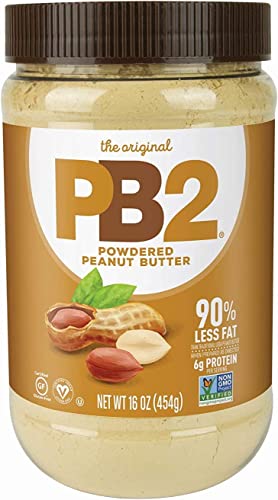
- Specialty and powdered formats: Some products are designed to be mixed with water or added directly to smoothies and recipes. Compare preparation instructions, package format, and intended uses.
For ingredients used alongside these spreads, see Cooking & Baking and Herbs, Spices & Seasonings.
Features and specifications to compare
Product pages may provide different levels of detail, so compare the information that is available for each option:
- Ingredients: Look for the nut or seed base, oils, sweeteners, salt, and other additions.
- Texture: Smooth, creamy, chunky, or powdered descriptions can help match the product to a recipe or snack.
- Flavor profile: Plain, salted, sweetened, roasted, and flavored varieties can have very different uses.
- Dietary details: Review allergen statements and label information relevant to your household, including whether the product fits a preferred eating pattern.
- Container and format: Jar size, squeeze packaging, single-serve portions, and powdered formats can suit different storage or serving needs.
- Recipe compatibility: For sauces, dressings, and baking, consider whether the butter is easy to stir, measure, or thin with other ingredients.
If you are building a wider pantry order, related sections include Canned, Jarred & Packaged Foods and Sauces, Gravies & Marinades.
Brands represented in the catalog
The catalog includes products from The J.M. Smucker Co., Skippy, PB2, Justins, Nuts 'N More, Peter Pan, Better Body Foods, PB2 Foods, 365 By Whole Foods Market, Conagra, Peanut Butter & Co., and The Hershey Company. Brand availability can vary by product type and listing, so compare the specifications of individual products rather than choosing by brand name alone.
Storage, handling, and everyday use
Follow the storage directions on the package, particularly for products that recommend refrigeration after opening. Some nut and seed butters naturally separate, so check the label for handling guidance and stir as directed when needed.
Use a clean utensil to help keep the product in good condition. For households managing food allergies, read the full ingredient and allergen statements every time, since manufacturing information and formulations can differ between products.
When using a butter in a recipe, account for its consistency. A thick spread may need mixing before measuring, while a powdered product may require liquid or a specific preparation method. For complementary pantry ingredients, browse Condiments & Salad Dressings or Soups, Stocks & Broths.
Frequently asked questions
What is the difference between nut butter and seed butter?
Nut butter is made from nuts such as peanuts, almonds, or cashews. Seed butter is made from seeds, such as sunflower seeds. The flavor, texture, and allergen considerations vary by product.
Should shoppers choose smooth or crunchy butter?
Choose based on use and preference. Smooth varieties are convenient for spreading, blending, and sauces, while crunchy styles add texture to sandwiches, snacks, and toppings.
What should be checked for allergy concerns?
Review the complete ingredient list, allergen statement, and any manufacturing or cross-contact information on the product page and package. Requirements can differ between products.
Are all nut and seed butters sweetened?
No. Products can vary in sweetness, salt, oils, and other additions. Compare the ingredient list and nutrition details to find a formulation suited to your preferences.
How can nut or seed butter be used beyond sandwiches?
It can be stirred into oatmeal, blended into smoothies, used in sauces or dressings, spread on fruit or crackers, or added to baking recipes. Check the product’s consistency and preparation directions for the intended use.