

Oil System Tools for Automotive Maintenance
Compare oil system tools for draining, filling, filtering, extracting, and checking engine oil. Review compatibility, construction, capacity, and ease of use before choosing equipment.
335 products in catalog
335 results
Filters


Hopkins Towing Solutions
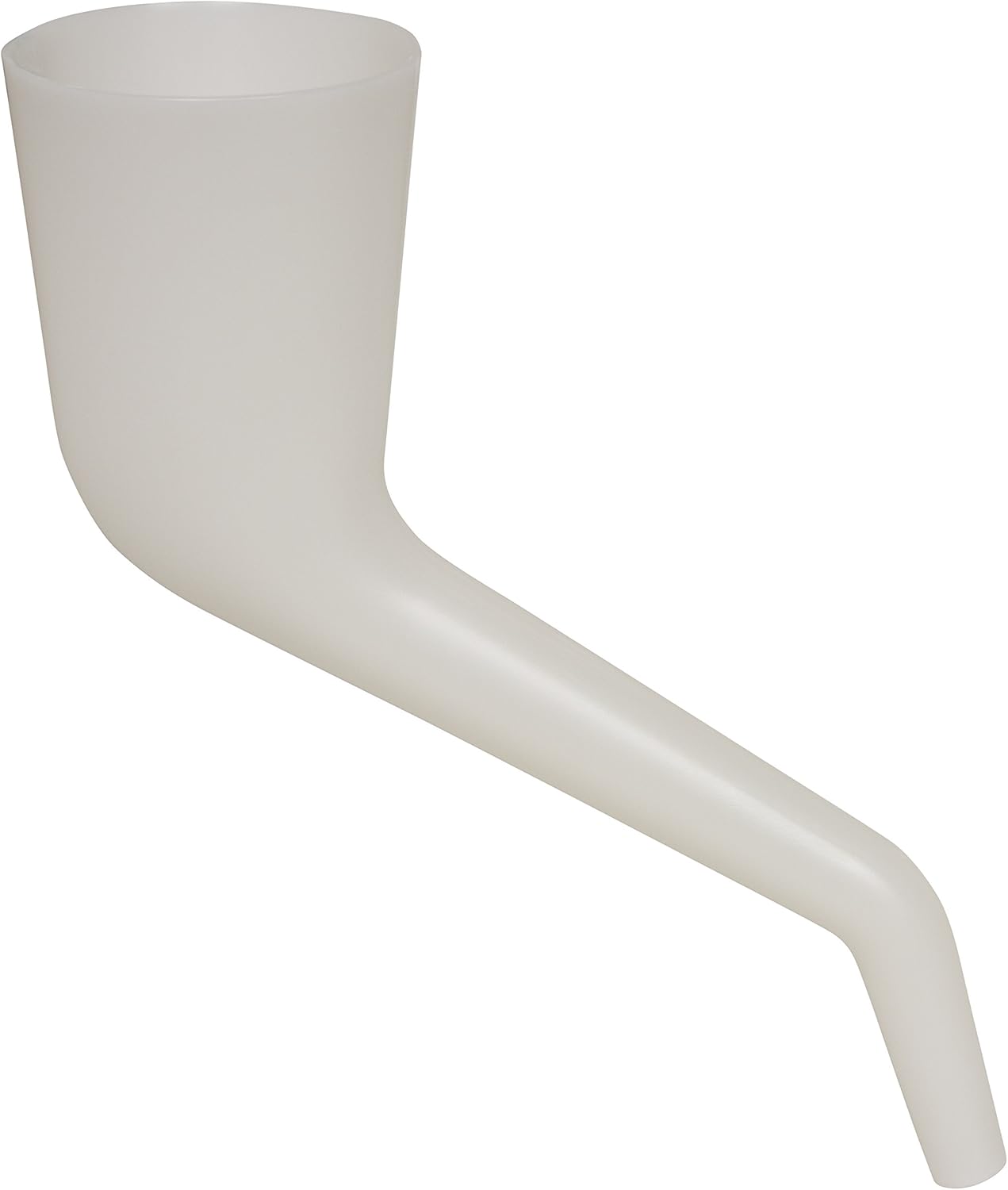
Hopkins Towing Solutions FloTool 10719 Capless Gas Tank Funnel,Yellow and Black, 1 Pack
See current price




Popular brands in Oil System Tools
Oil system tools help make routine engine-oil service more controlled and less messy. The right equipment can simplify draining used oil, removing filters, adding fresh oil, or checking the system during troubleshooting.
K-Catalog brings together options for home garages, mobile maintenance, and professional shop use. Compare the specifications and features on each listing, then check the current product details on Amazon before buying.
How to choose oil system tools
Start with the task you need to perform. A tool designed for oil-filter removal will have different requirements from a drain pan, fluid transfer pump, or oil pressure testing kit. Choosing by job helps avoid buying equipment that is difficult to use or incompatible with the vehicle.
Consider these factors:
- Vehicle compatibility: Check whether the tool suits the engine layout, filter style, drain plug, or access point involved.
- Capacity: For pans, containers, and extractors, select a capacity that is practical for the vehicle and your storage or disposal process.
- Access: Low-profile designs can be useful where ground clearance is limited, while long handles or flexible extensions may help reach recessed components.
- Construction: Compare the materials used for handles, seals, hoses, fittings, and containers, especially if the tool will see frequent use.
- Cleanup and storage: Features such as secure caps, pour spouts, drip control, and compact storage can make maintenance more convenient.
Common types of oil system tools
Oil system equipment covers several jobs rather than one single tool type. Common options include:
- Oil drain pans and containers: Designed to catch and hold used oil during a service. Look for stable bases, useful pour points, and a sealed way to transport the collected fluid.
- Funnels and filling tools: Help guide new oil into the filler opening while reducing spills. Compare the opening size, shape, flexibility, and whether the design suits confined engine bays.
- Oil filter wrenches and removal tools: Available in designs intended for different filter shapes and levels of access. Confirm the tool’s adjustment range or intended filter compatibility before ordering.
- Fluid extractors and transfer pumps: Useful when oil can be removed through a dipstick tube or when controlled transfer from one container to another is needed. Hose dimensions and connection styles deserve close attention.
- Oil pressure and service tools: Testing equipment can support troubleshooting and maintenance checks. Verify the gauge range, adapters, hose connections, and instructions for the vehicle being serviced.
If the job extends beyond oil service, browse Garage & Shop equipment for storage, work-area, and general maintenance needs.
Key specifications to compare
Compatibility is often more important than the number of included pieces. For filter tools, compare the working range, grip style, clearance requirements, and whether the tool is intended for cartridge or spin-on filters. For pumps and extractors, inspect hose length, fitting types, sealing components, and the intended fluid applications.
For collection equipment, review the container shape, handle placement, drain or pour design, lid security, and resistance to automotive fluids. A pan that is easy to carry and transfer may be more useful than one that is simply large. Funnels should be checked for fit at the filler neck and for features that help prevent splashback or overflow.
Kits can be convenient when several adapters or accessories are needed, but confirm what is actually included. Adapter availability does not automatically guarantee compatibility with a particular vehicle, so compare the listing specifications with the vehicle’s service information.
Brands represented in the catalog
The catalog includes oil system tools from iBetter, Motivx Tools, Lisle, K&N, ABN, GEARWRENCH, Hopkins Towing Solutions, FloTool, CTA Tools, EWK, Funnel King, and OEMTOOLS. These brands are represented across different tool designs and maintenance tasks. Compare each product by its stated application, materials, dimensions, included accessories, and compatibility rather than choosing by brand name alone.
Safe and tidy oil service practices
Work on a stable surface and follow the vehicle manufacturer’s service instructions. Allow hot components and fluids to reach a safe handling temperature, while remembering that recently operated oil may remain hot. Secure the vehicle properly before working underneath it, and keep collected oil in a suitable sealed container for recycling or disposal according to local requirements.
Inspect hoses, seals, adapters, and handles before use. Clean spills promptly, keep tools free from dirt that could enter the filler opening, and avoid forcing a fitting that does not match. For vehicle-specific testing or unfamiliar service procedures, consult the appropriate repair information.
For broader vehicle maintenance equipment, related sections include Diagnostic, Test & Measurement Tools, Tire & Wheel Tools, and Air Conditioning Tools & Equipment.
Frequently asked questions
What oil system tool should be purchased first?
Start with the tool required for the specific service task. A drain pan and suitable funnel may cover basic oil changes, while filter tools, pumps, or test equipment are better chosen for particular vehicle designs or maintenance needs.
How do I know whether an oil filter wrench will fit?
Check the product’s stated filter type, working range, dimensions, and clearance requirements. Compare those details with the filter installed on the vehicle rather than relying only on a general description.
What should I compare when choosing an oil drain pan?
Review capacity, overall height, stability, handles, pour or drain features, lid design, and how easily the container can be transported and emptied. Choose a design that fits both the vehicle and your disposal routine.
Are oil extractors compatible with every vehicle?
No. Extraction depends on the vehicle’s oil-path design, access through the dipstick tube, hose size, and the extractor’s fittings. Check the product information and vehicle service guidance before use.
When are oil pressure testing tools useful?
They are intended for diagnosis or maintenance checks when pressure needs to be measured. Confirm the gauge range and adapter compatibility, and follow the vehicle-specific testing procedure.