

Air Conditioning Tools & Equipment
Compare automotive air conditioning tools by function, refrigerant compatibility, connection style, and included accessories before checking current product details on Amazon.
338 products in catalog
338 results
Filters


Park Supply of America
Febco 905-212 Bonnet Repair Kit For 765 Pressure Vacuum Breakers And Backflow Preventers, 1 Inch And 1 1/4 Inch
See current price


ROSY PIXEL
ROSY PIXEL Diking R134 R12 A/C HVAC Air Conditioner Schrader Valve Stem Core Remover Tool (102Pcs)
See current price

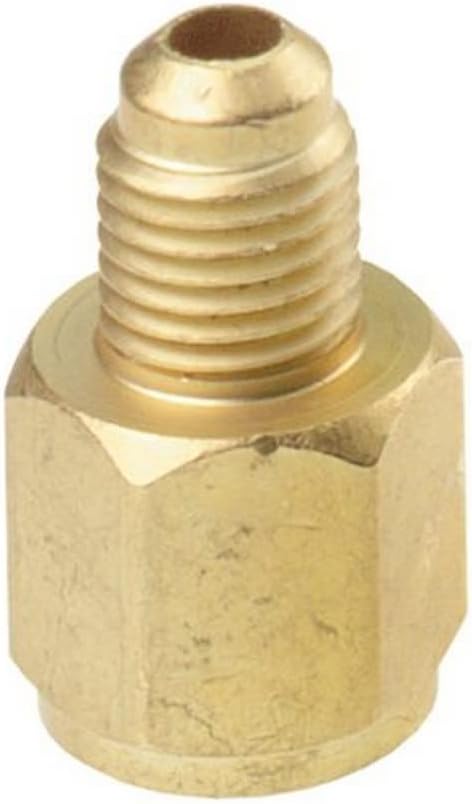


InterDynamics
InterDynamics Car Air Conditioner Refrigerant Gauge and Hose, EZ Chill Reusable AC Recharge Kit for Cars, Trucks
See current price

VIVOHOME
VIVOHOME 110V 1/4 HP 3.5 CFM Single Stage Rotary Vane Air Vacuum Pump with Oil Bottle
See current price


Popular brands in Air Conditioning Tools & Equipment
Automotive air conditioning service can involve checking system pressure, removing air and moisture, locating leaks, recovering refrigerant, or recharging a system. The right equipment depends on the task, the vehicle, and the refrigerant or fittings involved.
This K-Catalog category helps shoppers compare specifications and features across air conditioning tools and equipment. Review connection types, operating range, included hoses, power requirements, and intended use before selecting a product for a home garage, mobile setup, or professional workspace.
How to choose automotive AC equipment
Start with the job you need to perform. A gauge set may help with pressure checks, while a vacuum pump is used during evacuation. A leak detector or inspection accessory serves a different purpose, and recovery or charging equipment may be appropriate for more involved service work.
Consider these factors before comparing individual products:
- Vehicle and refrigerant compatibility: Confirm that the equipment is intended for the refrigerant and system type used by the vehicle. Compatibility can affect hoses, couplers, seals, gauges, and adapters.
- Connection style: Check whether the tool uses the fittings required by the vehicle and whether adapters are included.
- Pressure range and scale: Choose gauges that clearly cover the system pressures you need to observe. Dual-scale displays can make readings easier to interpret across different applications.
- Power source: Electric pumps and detectors may require a particular outlet, battery arrangement, or power connection. Verify this before buying.
- Portability: A compact tool can suit occasional garage work, while a larger kit with a case and accessories may be more practical for repeated service.
Common types of AC tools
Although this catalog does not divide the category into formal subcategories, automotive AC equipment generally falls into several useful groups.
Manifold gauge sets connect to the system to help observe pressure during inspection, evacuation, and charging procedures. Compare the number and type of hoses, couplers, valve controls, gauge readability, and included adapters.
Vacuum pumps are used to evacuate the system before charging. Look at the pump design, power requirements, service access, oil-related requirements, and whether the package includes the connections needed for your setup.
Leak detection tools can help identify possible refrigerant leaks. Depending on the tool, detection may involve electronic sensing or a compatible visual inspection method. Check the stated refrigerant compatibility and the type of indication provided.
Charging and recovery equipment is intended for handling refrigerant during service. These tools require especially careful attention to compatibility, connection standards, operating instructions, and safe handling practices.
Features and specifications to compare
Product names alone do not show whether a tool will fit a particular vehicle or workflow. Read the specification details closely and compare:
- Hose length, material, and connection size
- Coupler type and adapter selection
- Gauge layout, readability, and pressure units
- Pump capacity and vacuum performance specifications
- Included seals, valves, storage case, or replacement parts
- Construction materials and control layout
- Compatibility with the refrigerant named in the product listing
A complete-looking kit is not automatically the right kit. Accessories are useful only when they match the vehicle’s service ports and the procedure being performed. If an item will be used with existing shop equipment, check that the fittings and connections work together.
Brands represented in the catalog
The category includes products from Aupoko, Orion Motor Tech, Lichamp, Robinair, Yellow Jacket, Mastercool, InterDynamics, Gohantee, FJC, Mudder, Elitech, and Wadoy. These brands are represented across different AC tool formats and accessory configurations. Compare each listing by specifications and included components rather than choosing by brand name alone.
For broader workshop equipment, browse Tools & Equipment or Garage & Shop. Shoppers handling adjacent automotive work may also want to compare Body Repair Tools, Diagnostic, Test & Measurement Tools, Tire & Wheel Tools, and Oil System Tools. For vehicle power support, see Jump Starters, Battery Chargers & Portable Power.
Safe and practical use
Follow the tool manufacturer’s instructions and the vehicle service information for the system being serviced. Refrigerant can be hazardous, and incorrect connections or procedures may damage components or create a safety risk. Use suitable protective equipment, work in an adequately ventilated area, and avoid releasing refrigerant into the environment.
Before purchasing, confirm whether the task requires specialized recovery equipment or professional service. Inspect hoses and seals for damage, keep connectors clean, and store tools as directed so they remain ready for the next job.
Frequently asked questions
What is the first AC tool to compare?
A manifold gauge set is a common starting point for pressure-related checks, but the correct tool depends on the service task and the vehicle’s refrigerant system.
Do all AC gauges and hoses fit every vehicle?
No. Fittings, couplers, adapters, and refrigerant compatibility vary. Check the product specifications against the vehicle and any equipment already in use.
What does a vacuum pump do?
A vacuum pump evacuates air and moisture from an AC system during appropriate service procedures. Compare its connections, power requirements, and stated performance specifications.
How should shoppers compare leak detectors?
Check the detector’s refrigerant compatibility, sensing method, indicator style, power source, and included accessories. These details affect how it fits into a diagnostic workflow.
Can AC tools be used without technical experience?
Some tools are straightforward to connect, but refrigerant handling and system service require careful attention to instructions and safety. When the procedure is unclear, qualified service is the safer option.