
Leaf Blowers, Vacuums & Accessories
Compare leaf blowers, yard vacuums, and accessories by power source, airflow, collection features, comfort, and compatibility before choosing a tool for outdoor cleanup.
277 products in catalog
277 results
Filters


Greenworks
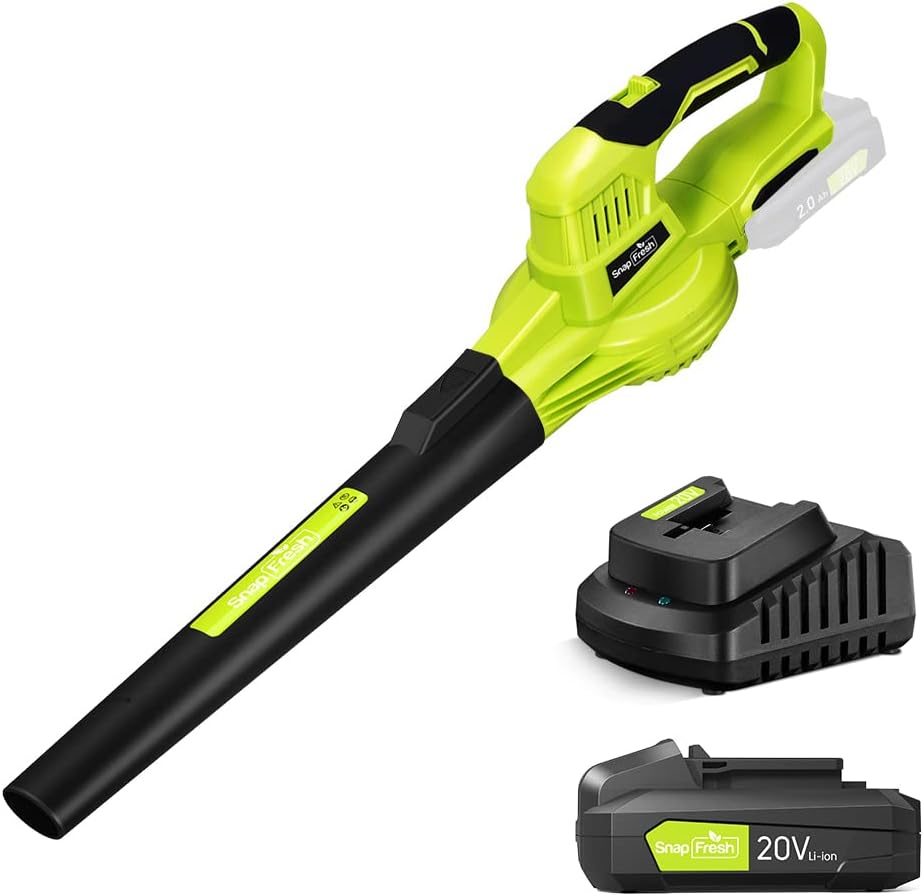
Greenworks 40V (150 MPH / 130 CFM) Cordless Leaf Blower, 2.0Ah Battery and Charger Included
See current price







Husqvarna
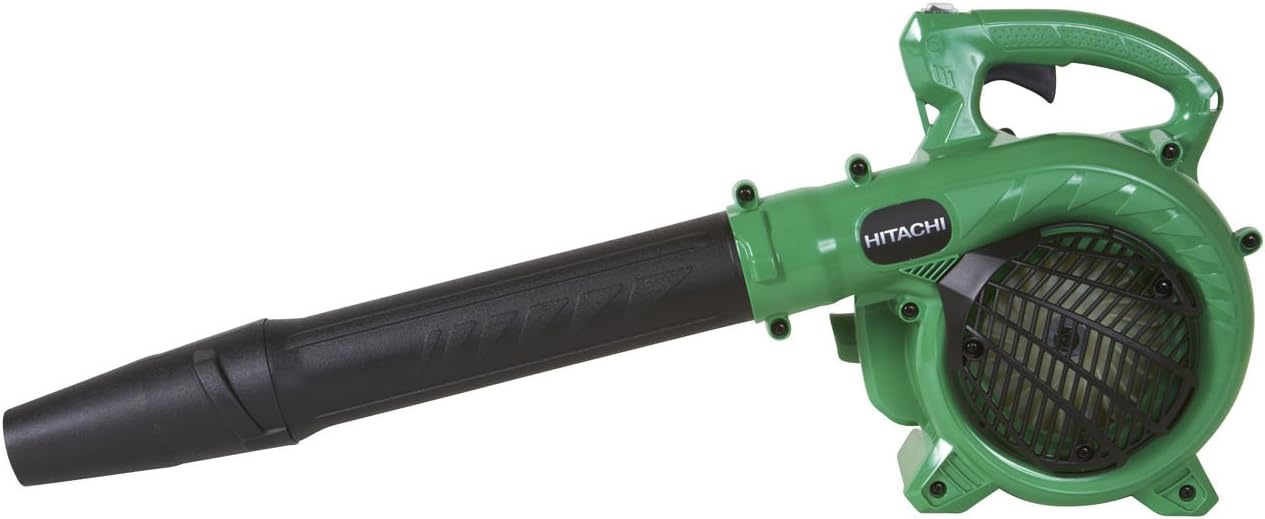
Husqvarna 952711925 125B 28cc 2-Cycle 470 CFM 170 MPH Handheld Gas Blower, Orange
See current price
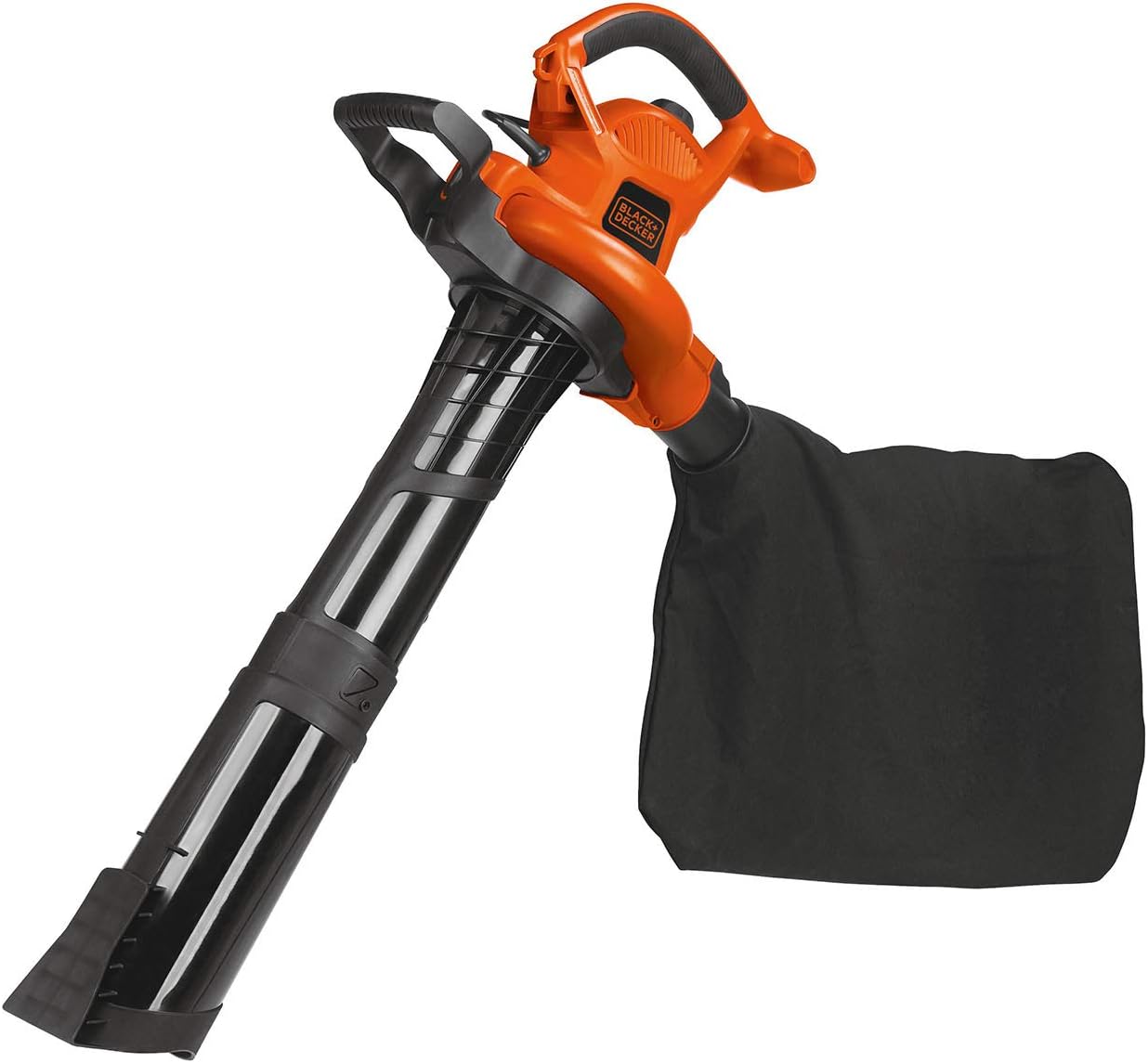
BLACK+DECKER
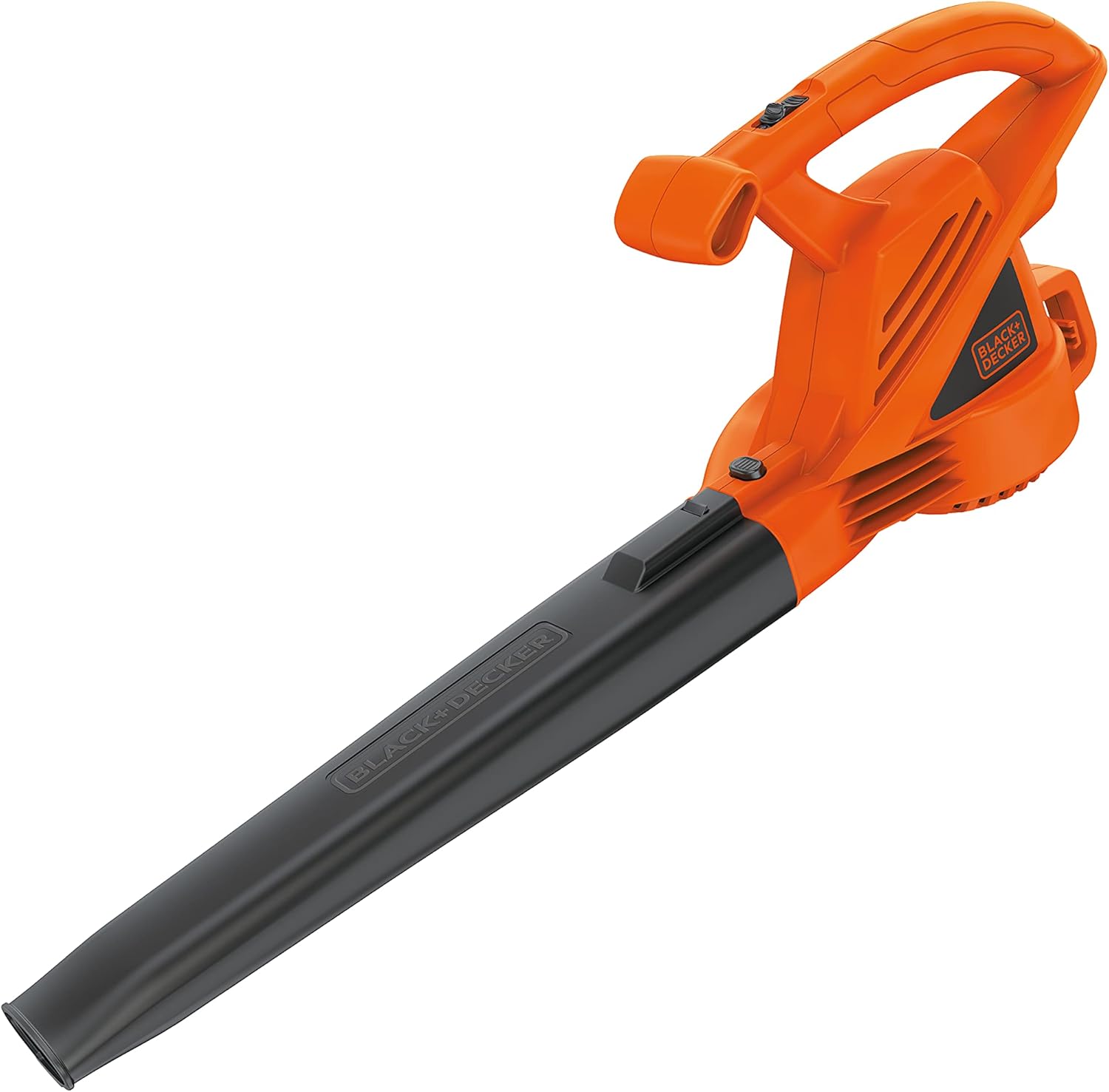
BLACK+DECKER Leaf Blower & Leaf Vacuum, 3-in-1, 12-Amp, 250-MPH, 400-CFM (BV6000)
See current price

Makita
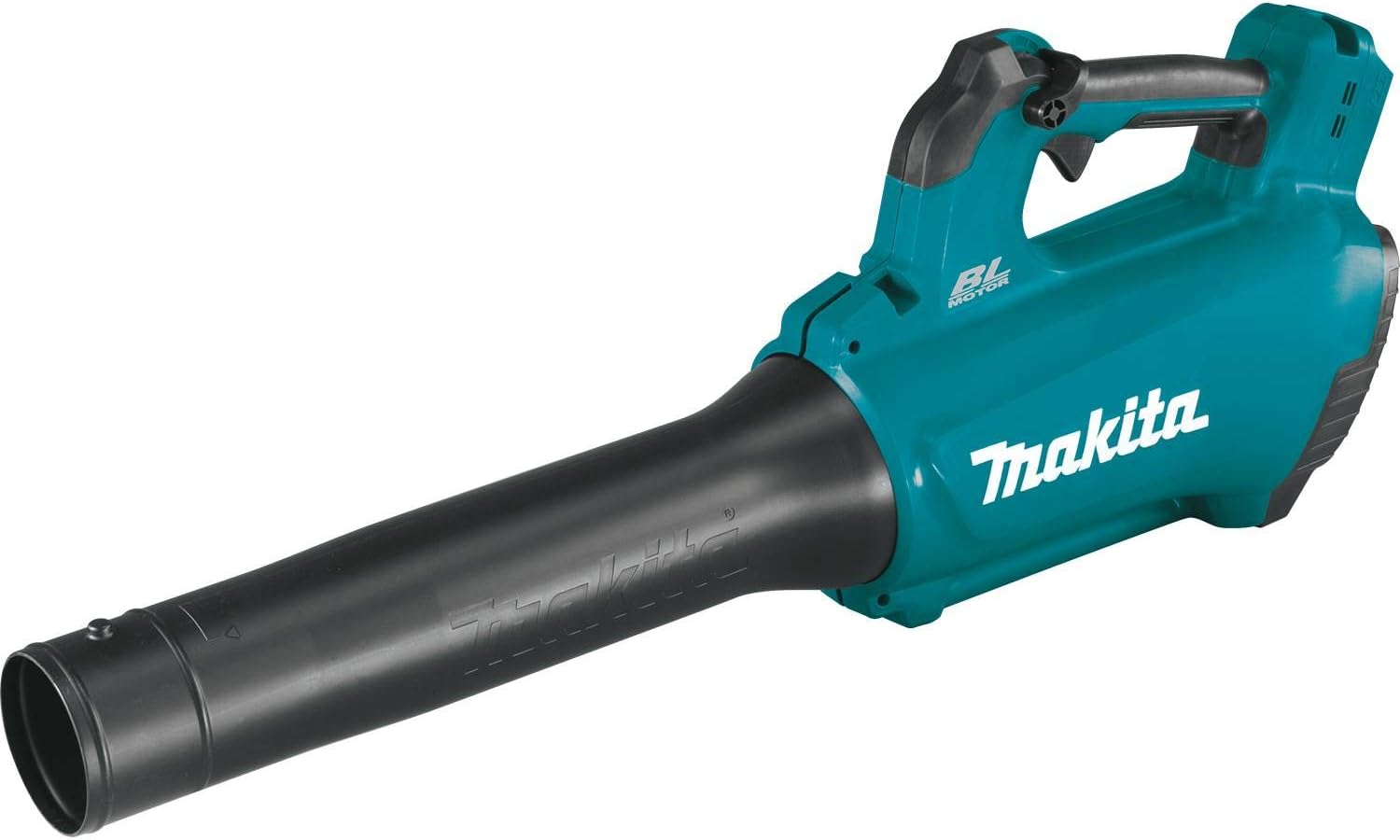
Makita XBU02PT1 36V (18V X2) LXT® Brushless Blower Kit with 4 Batteries (5.0Ah)
See current price


Positec/Worx - Lawn & Garden
WORX WA4054.2 LeafPro Universal Leaf Collection System for All Major Blower/Vac Brands
See current price
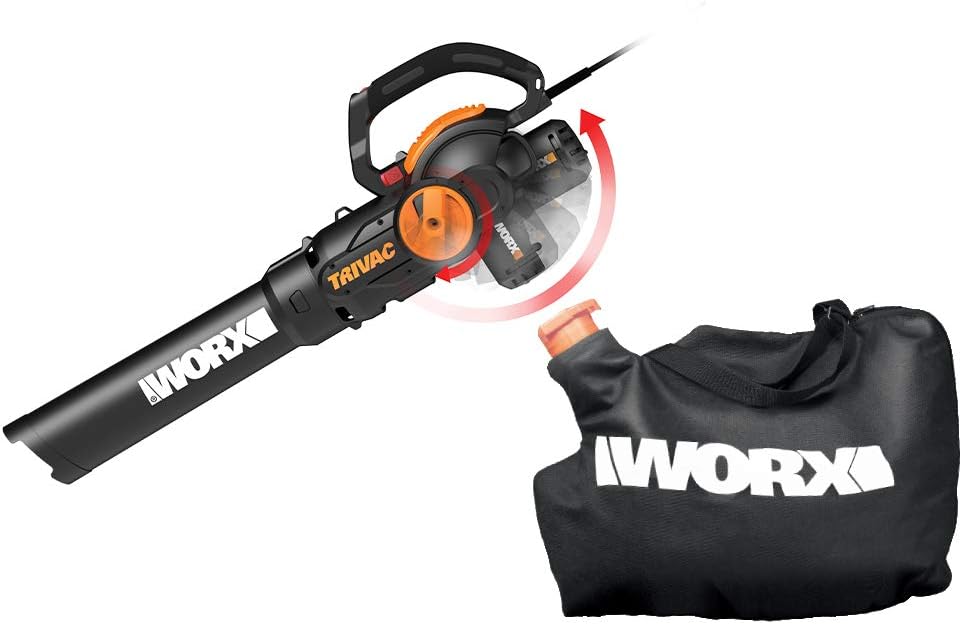

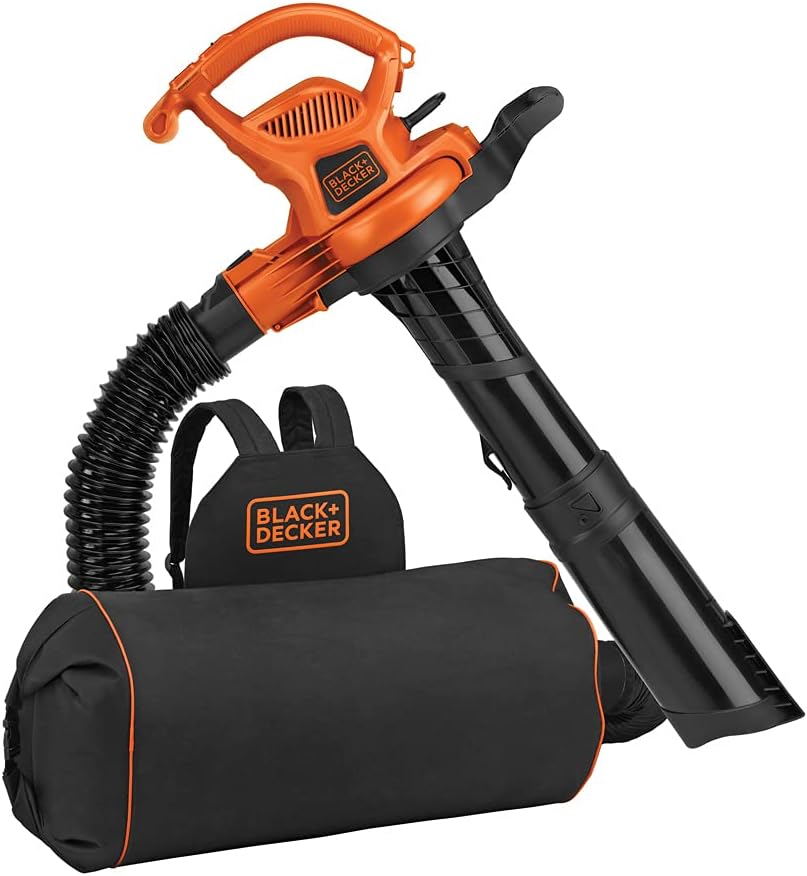
Black & Decker Outdoor
BLACK+DECKER Electric Leaf Blower, Leaf Vacuum and Mulcher 3 in 1, 250 mph Airflow, 400 cfm Delivery Power, Reusable Bag Included, Corded (BEBL7000)
See current price


Popular brands in Leaf Blowers, Vacuums & Accessories
Leaf blowers and yard vacuums can make routine outdoor cleanup more manageable, whether you are clearing patios, driveways, garden beds, or larger lawn areas. The right choice depends on the material being moved, the size of the area, access to power, and whether you want to collect debris as well as move it.
This K-Catalog category brings together leaf blowers, vacuums, combination tools, and related accessories. Compare specifications and features here, then check the product listing for current availability and details on Amazon.
Choose the right type of tool
A blower is designed to push leaves, grass clippings, and other loose debris into piles or away from hard surfaces. It can be a practical choice when speed and simple operation matter most. Look for a model that suits the size of your yard and the surfaces you clean most often.
A yard vacuum draws debris into a collection bag or container. This type can be useful when you want to gather leaves instead of moving them to another part of the property. Combination blower-vacuum tools offer more flexibility, but they may have additional components to assemble, store, and maintain.
Accessories can include replacement tubes, collection bags, nozzles, batteries, chargers, and other compatible parts. Before purchasing an accessory, confirm that it matches the tool’s brand and specific product requirements. For a broader selection of compatible equipment, browse Replacement Parts & Accessories.
How to compare leaf blower specifications
Several specifications can help narrow the options:
- Air volume and air speed: These describe how much air the tool moves and how forcefully it directs that air. Higher figures are not automatically better for every task; a controllable airflow can be more useful around flower beds, gravel, or delicate surfaces.
- Power source: Corded electric, battery-powered, and gas-powered tools each suit different working conditions. Consider outlet access, charging needs, fuel handling, noise, and how long you expect to work continuously.
- Runtime or operating range: For cordless models, compare the stated battery system and included battery equipment. A tool that uses a battery platform already owned may be more convenient than starting a separate system.
- Weight and balance: A lighter tool can be easier to carry, while handle design, shoulder straps, and weight distribution affect comfort during extended use.
- Controls: Variable-speed triggers, cruise control, and selectable operating modes can make it easier to adjust power for different surfaces and debris.
Features to compare in yard vacuums
For vacuum-capable tools, inspect the collection system carefully. Check the bag or container capacity, how it attaches, how easily it can be emptied, and whether replacement bags or components are readily available. A transparent or accessible container may make it easier to see when emptying is needed.
Some combination tools include a mulching function that processes leaves before collection. This can help reduce the volume of gathered material, but the mechanism introduces additional parts that should be kept clear of wet leaves, stones, and other unsuitable debris. Review the manufacturer’s stated material limitations before use.
Tube design also matters. Wider openings may be more suitable for larger leaves, while narrower nozzles can provide more focused airflow. If the tool includes interchangeable tubes or nozzles, compare how they attach and whether the included accessories match your usual cleanup tasks.
Brands represented in the catalog
The catalog includes products from Greenworks, Worx, Makita, BLACK+DECKER, Sun Joe, RYOBI, Craftsman, BHY, Husqvarna, Dewalt, EGO Power+, and Toro. These brands may differ in power systems, included accessories, controls, ergonomics, and compatibility requirements. Compare the specifications of individual products rather than selecting by brand name alone.
If you are planning a broader yard-maintenance setup, related String Trimmers, Lawn Mowers & Tractors, and Chainsaws categories can help you compare other outdoor power tools. Pressure Washers may also be useful for cleaning hard outdoor surfaces, while Metal Detectors serves a different type of outdoor project.
Practical tips for safe, efficient use
Clear stones, sticks, and other hard objects from the work area before using a blower or vacuum. Wear eye and hearing protection as appropriate, keep the airflow away from people and animals, and avoid directing debris toward vehicles, windows, or open doors. Follow the product instructions for clearing blockages and servicing moving parts.
Keep batteries, cords, fuel, collection bags, and tubes in good condition. Disconnect the power source before inspecting the impeller, changing attachments, or removing a jam. Store the tool in a dry location, and check whether leaves or moisture should be removed from the housing after each use.
Frequently asked questions
Is a blower or yard vacuum better for leaf cleanup?
A blower is suited to moving debris into piles, while a yard vacuum collects it. A combination tool can be preferable when you want both functions.
Should I choose a corded or cordless leaf blower?
Choose based on your work area and access to power. Corded models require an outlet and cable management, while cordless models require battery charging and may have runtime limits.
What is the difference between air speed and air volume?
Air speed describes how forcefully air exits the tool. Air volume describes how much air moves over time. Both can affect performance, depending on the debris and surface.
Are accessories interchangeable between brands?
Usually, compatibility depends on the specific tool and attachment design. Check the manufacturer’s compatibility information before buying replacement parts or add-ons.
Can a leaf vacuum handle wet debris?
Not necessarily. Wet leaves can be heavier and more likely to clog a vacuum or collection system. Follow the product instructions for acceptable materials and conditions.