
Flybar
Flybar My First Foam Pogo Jumper for Kids Fun and Safe Pogo Stick for Toddlers
See current price

Compare pogo sticks and hoppers for balance, bouncing, and outdoor fun. Review construction, fit, safety features, and play style before choosing a product.
200 products in catalog
200 results
Flybar
See current price


Waliki
See current price


Big Country Farm Toys, LLC
See current price
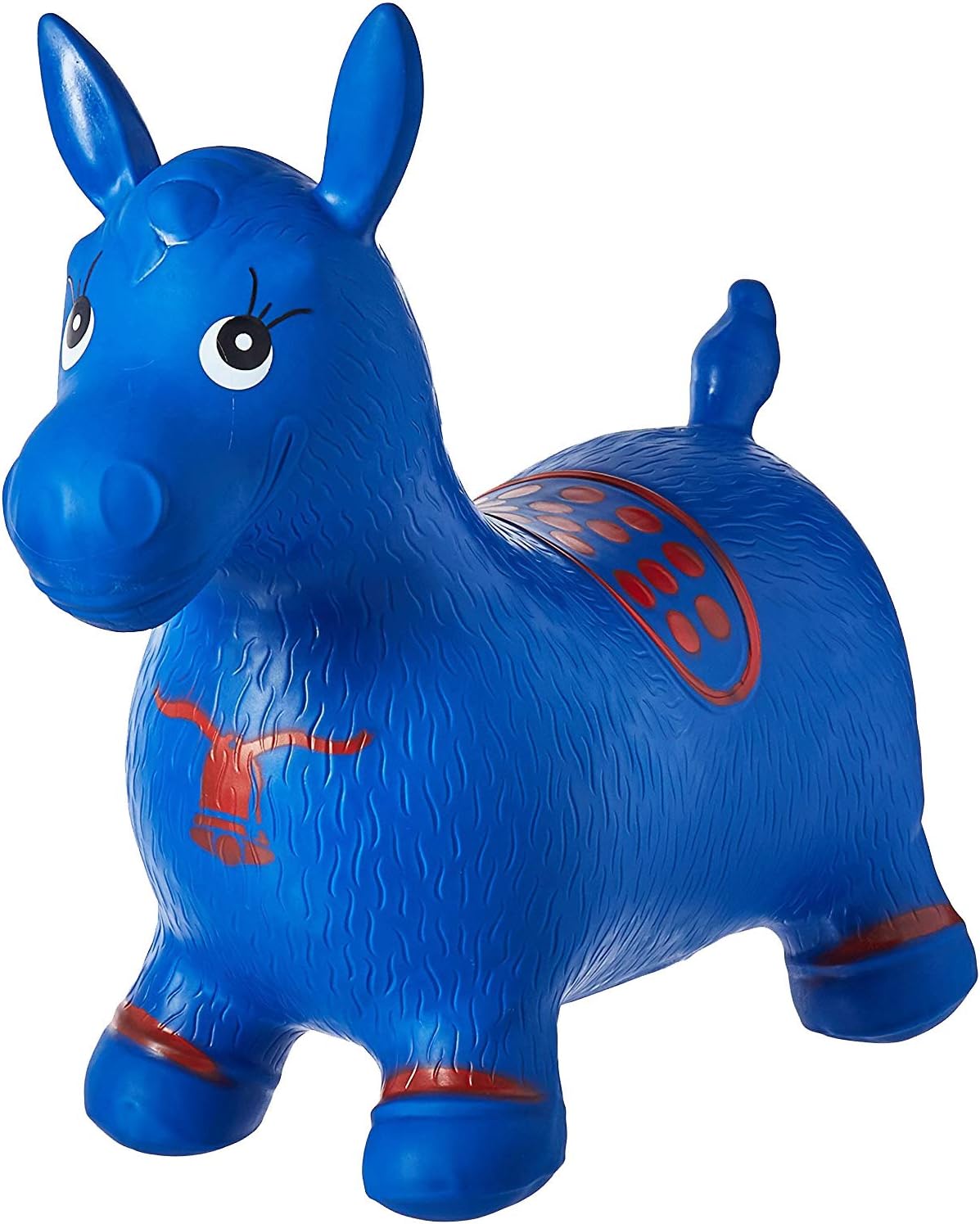
AppleRound
See current price


AppleRound
See current price

Apple Round Global Trading LLC
See current price


Pogo sticks and hoppers turn active play into a balance and coordination challenge. Traditional pogo sticks are designed for repeated bouncing while standing on foot pegs, while hopper-style toys usually use a wide base, seat, or handle that can feel more approachable for younger or less experienced users.
Use this category to compare product specifications and features from brands represented in the K-Catalog, then check the individual listing for details such as recommended users, weight limits, dimensions, and included components.
Start with the child’s size, confidence, and intended play area. A toy that is too large or difficult to control can be frustrating, while one that does not provide enough room or support may be outgrown quickly.
Consider these questions before choosing:
Traditional pogo sticks have a vertical frame, handles, foot pegs, and a spring or other bouncing mechanism. They suit children who want to practice balance and rhythmic bouncing. Look closely at the foot-peg design and the way the handles are positioned, since these affect control and comfort.
Hopper balls and similar bouncing toys typically combine a flexible body or ball with a seat, handle, or gripping section. They can offer a different balance challenge and are often chosen for simple indoor or outdoor active play, subject to the manufacturer’s surface recommendations.
Some products are designed more like beginner balance toys, with a stable base or simplified controls. These may be useful when the main goal is confidence, coordination, and movement rather than advanced bouncing. For more active-play ideas, browse Toy Sports or Play Sets & Playground Equipment.
The most useful specifications are the ones that affect fit, control, durability, and safe use.
The catalog includes pogo sticks and hoppers from Waliki, Apple Round Global Trading LLC, AppleRound, Flybar, iPlay, iLearn, Hedstrom, INPANY, Geospace, EVERICH TOY, BAFDS, Play22, and New Bounce. Brand availability can vary by product type, so compare the specifications of each individual listing rather than relying on the brand name alone.
A brand may offer several designs for different users or play styles. Pay particular attention to the listing’s stated fit, construction, included accessories, and care instructions.
Use pogo sticks and hoppers only in a clear area away from traffic, furniture, stairs, pools, and other obstacles. A level surface with enough room to step off safely is preferable. Adult supervision is appropriate, especially while a child is learning.
A properly fitted helmet and suitable protective gear can help reduce injury risk during active play. Inspect the toy before each use for loose fasteners, cracks, worn grips, damaged springs, deflation, or other signs of wear. Stop using it if a structural or moving part appears compromised.
Follow the manufacturer’s instructions for inflation, cleaning, storage, and weight limits. Keep the toy dry when required, protect it from unnecessary heat or prolonged weather exposure, and store it where moving parts will not be damaged. For other outdoor play options, see Pools & Water Toys, Blasters & Foam Play, or Sandboxes & Beach Toys.
Some are designed with beginner-friendly support or stability features, while traditional pogo sticks can require more balance. Check the recommended user information and choose a clear practice area.
A smooth, level surface with sufficient open space is generally easier to control. Always follow the manufacturer’s guidance, since some products may have specific surface requirements.
Compare the product’s height, handle position, foot-peg placement, recommended age or height range, and weight capacity with the intended user’s measurements.
Some products arrive ready to use, while others require handles, footrests, or other components to be attached. Check the listing details before purchase.
Check grips, footrests, fasteners, frames, springs, seams, and inflatable sections for damage or looseness. Do not use a toy with a compromised structural or moving part.
No. Both support active bouncing play, but a pogo stick typically uses a vertical frame and foot pegs, while a hopper may use a seat, handle, broad base, or inflatable body.