
Tough Headwear
Balaclava Ski Mask - Winter Face Mask for Men & Women - Cold Weather Gear for Skiing, Snowboarding & Motorcycle Riding
See current price

Compare motorcycle and powersports protective gear by coverage, fit, materials, and features. Explore options for street riding, touring, off-road use, and everyday protection.
2,345 products in catalog
2,345 results
Tough Headwear
See current price


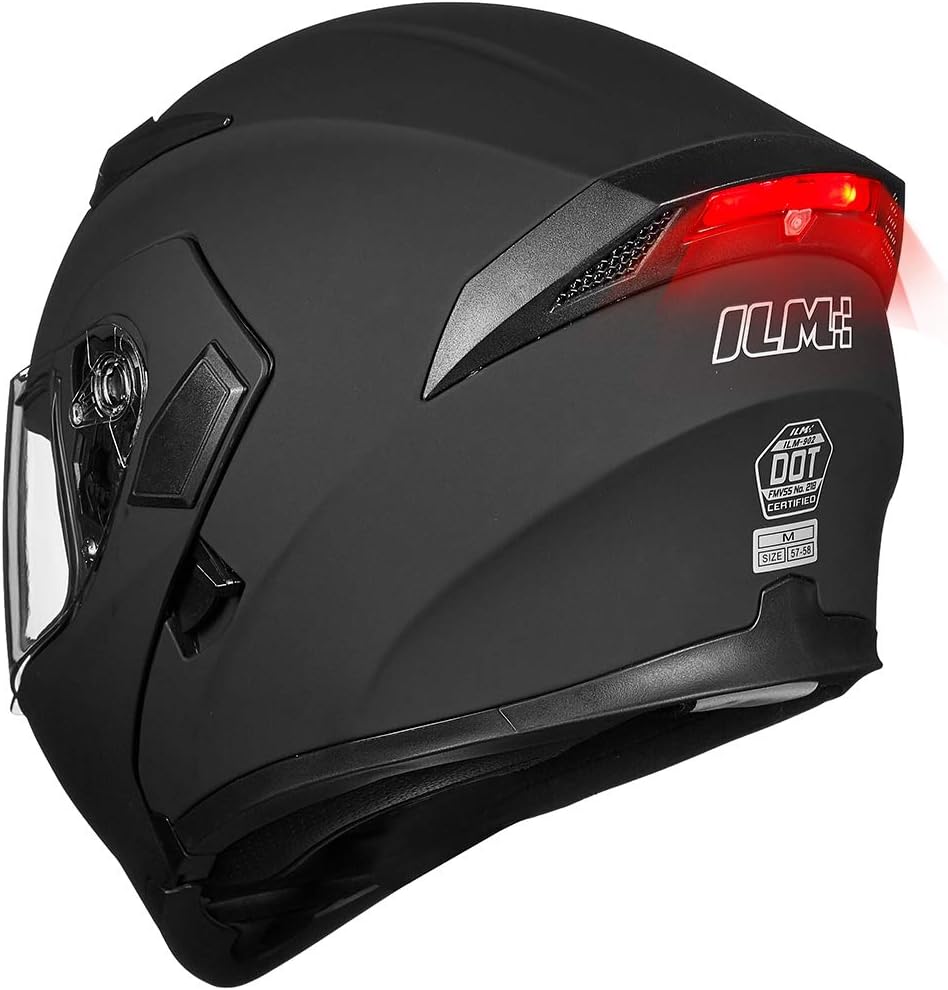

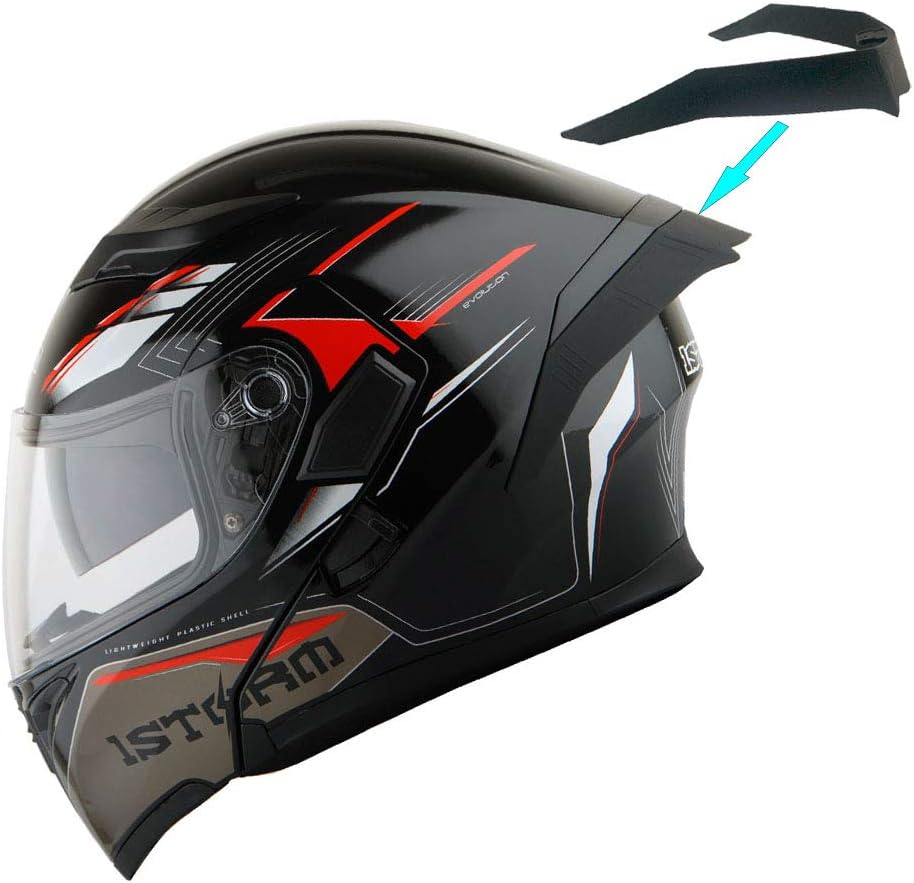
1Storm
See current price


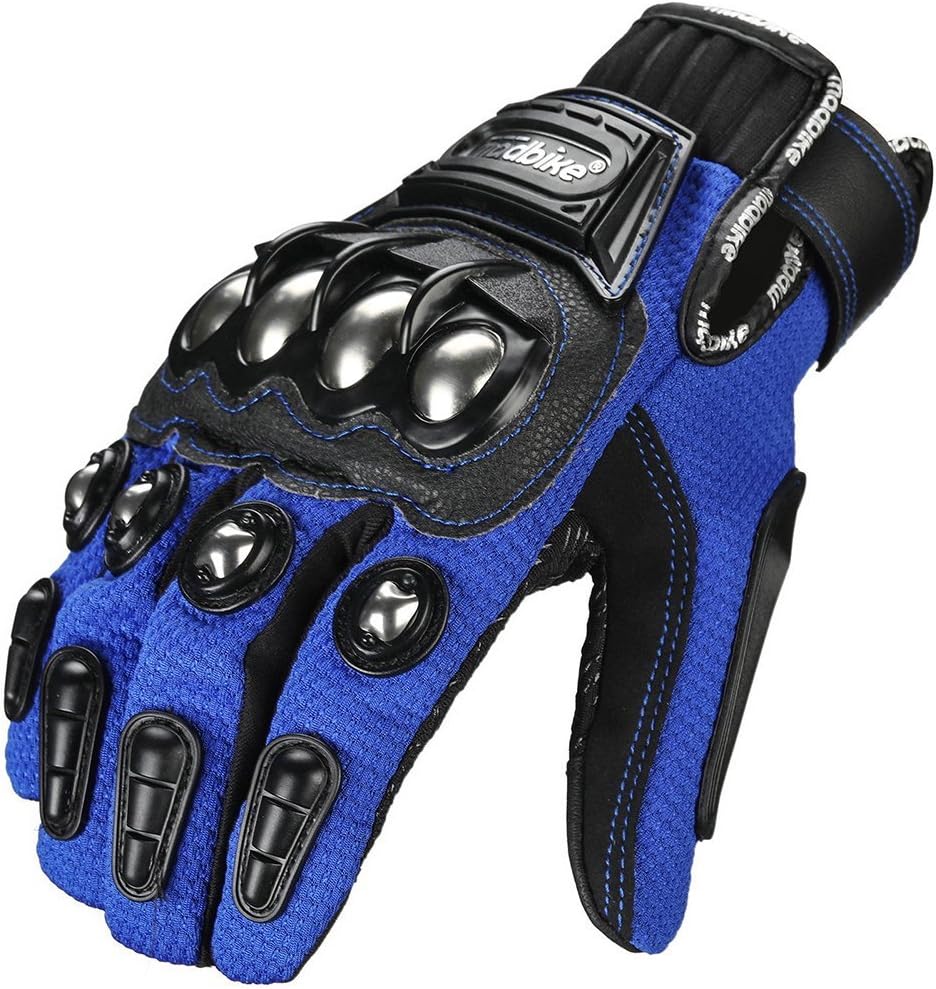

Pacific Cycle, Inc
See current price


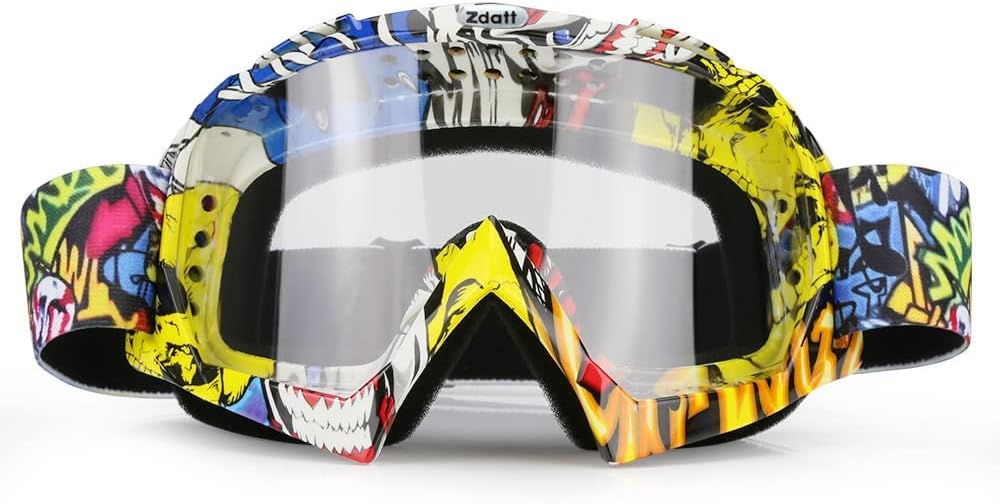

Protective gear helps riders prepare for the conditions and risks associated with motorcycles and powersports vehicles. The right equipment depends on where you ride, how often you ride, the weather, and which areas of the body need coverage.
Use this category to compare specifications and features across helmets, jackets, gloves, boots, pants, armor, and other riding equipment. Before choosing, confirm that each item fits correctly and is intended for your riding environment.
Start with the type of riding you do most often. Street and commuter riders may prioritize abrasion-resistant clothing, visibility, weather protection, and gear that is practical for regular use. Touring riders may want adjustable ventilation, removable liners, waterproof construction, and storage features. Off-road and motocross riders often look for lightweight protection, flexible movement, impact coverage, and equipment that can handle dirt and demanding terrain.
Think about protection as a complete system rather than choosing one item in isolation. A helmet, gloves, jacket or jersey, pants, and appropriate footwear should work together without restricting movement. Layering can also help in changing weather, but bulky layers should not interfere with closures, armor placement, or helmet fit.
The category includes several types of equipment, each serving a different purpose:
Fit is one of the most important specifications. Use the manufacturer’s measurement guide and compare waist, chest, inseam, hand, foot, or head measurements as applicable. A secure fit should keep protective components in their intended positions while allowing natural movement. Loose equipment can shift, while overly tight gear may be uncomfortable and restrict control.
Materials affect durability, comfort, and weather performance. Leather, textile, mesh, synthetic materials, and reinforced fabrics each offer different combinations of abrasion resistance, flexibility, airflow, and water protection. Look for product details that explain reinforcement zones rather than relying only on broad material labels.
Pay attention to impact protection and certification information. Check whether armor is included or sold separately, where it is positioned, and whether replacement or upgrade options are available. For helmets and other safety-critical equipment, verify the relevant markings and requirements for the area where the gear will be used.
Protective gear is more likely to be used consistently when it is comfortable and easy to operate. Compare ventilation openings, removable liners, stretch panels, adjustable straps, zipper placement, and closure systems. Riders who commute may value quick entry and compatibility with ordinary clothing, while long-distance riders may prefer additional weather protection and storage.
Visibility can also matter, especially for street riding and low-light conditions. Consider reflective panels, high-visibility color options, and whether the design remains noticeable when worn with other equipment. Always follow safe riding practices and local requirements in addition to selecting suitable gear.
The catalog includes protective gear from Fox Racing, HWK, O'Neal, Jackets 4 Bikes, Viking Cycle, WICKED STOCK, ILM, Alpinestars, Fly Racing, Biltwell, Global Vision, and Triangle. Compare products by their individual specifications, intended use, fit guidance, materials, and included protection rather than choosing by brand name alone.
For equipment that supports the rest of the riding setup, browse related Motorcycle & Powersports Parts, Motorcycle & Powersports Accessories, and Motorcycle & Powersports Vehicles categories. Fluids & Maintenance may also help with routine care for compatible vehicles.
A basic setup commonly includes a properly fitted helmet, gloves, protective outerwear, durable pants, and enclosed footwear with suitable coverage. The best combination depends on riding conditions and personal fit requirements.
A helmet should sit level and feel snug without creating painful pressure points. It should not move excessively when the head is turned or when the retention system is secured. Follow the manufacturer’s fitting instructions.
No. Weather performance varies by material, membrane, construction, and included liner. Check the product specifications for water resistance or waterproof features, and consider removable layers for changing conditions.
Not necessarily. Some garments include armor, while others have pockets designed for compatible inserts or are sold without them. Confirm the included components and coverage before ordering.
Inspect gear regularly for damage, worn closures, degraded materials, and displaced or damaged armor. Replace equipment when it no longer fits properly, provides its intended coverage, or has sustained significant damage, following the manufacturer’s guidance.