

Science Toys and STEM Experiment Kits
Explore science toys for hands-on discovery, from nature and chemistry activities to physics demonstrations and microscope-style exploration. Compare kit contents, age guidance, and learning features before choosing.
398 products in catalog
398 results
Filters

Melissa & Doug
Melissa & Doug 20 Wooden Animal Magnets in a Box - Cute Animal Fridge, Refrigerator Magnets For Toddlers Ages 2+
See current price




Educational Insights
Educational Insights GeoSafari Jr. Kidnoculars, Binoculars for Toddlers & Kids, Gift for Toddlers Ages 3+
See current price





Popular brands in Science
Science toys turn questions into hands-on activities. Whether a child is interested in nature, chemistry, physics, geology, or the human body, the right kit can make scientific ideas easier to explore through observation, building, testing, and recording results.
This K-Catalog category is part of STEM Toys, with products suited to different ages, interests, and levels of guidance. Compare the included materials and experiment format rather than choosing by theme alone.
How to choose science toys
Start with the type of learning experience that will hold the child’s attention. Some kits are structured around a sequence of experiments, while others provide tools for open-ended exploration. Consider:
- Interest area: Look for activities involving living things, the natural world, chemistry, physics, weather, space, or general scientific observation.
- Age and skill fit: Age guidance can indicate whether the activities require reading, careful measuring, fine motor control, or adult help.
- Level of structure: Step-by-step instructions may suit beginners, while open-ended kits can be better for children who enjoy designing their own investigations.
- Repeat play: Check whether the kit includes reusable tools, multiple activities, or consumable materials intended for limited use.
- Available space: Some experiments work well at a table, while nature-focused activities may be better suited to outdoor use.
A good choice should be engaging without making the setup unnecessarily difficult. For younger children, simple demonstrations and visible results can be more approachable. Older children may prefer experiments that involve variables, measurements, written observations, or repeated trials.
Popular types of science toys
Science kits can cover several fields, even when they are listed under one broad category. Common formats include:
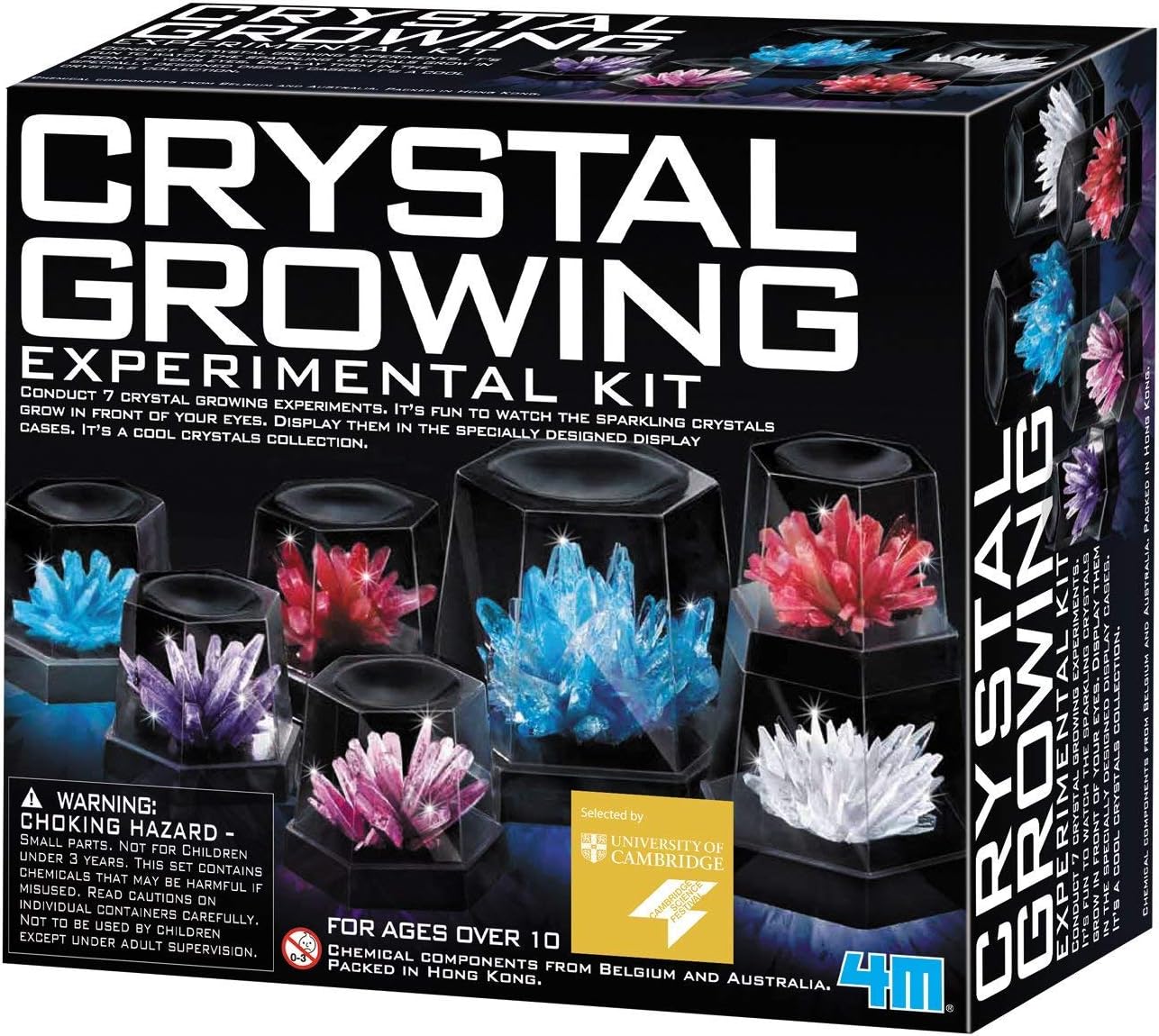
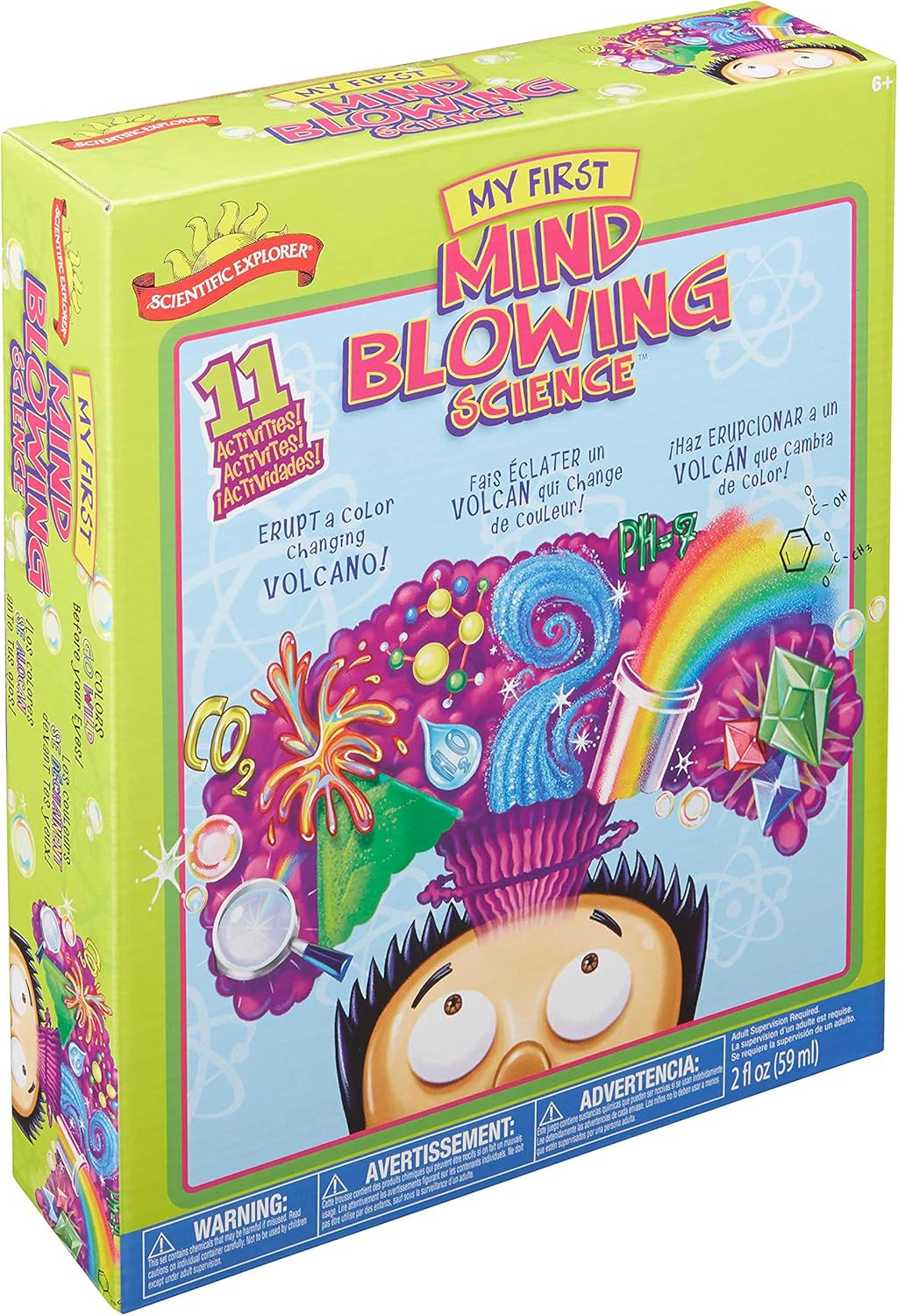
- Chemistry sets: Activities may involve combining household-safe or supplied materials, observing reactions, and learning about color, texture, gas, or temperature changes.
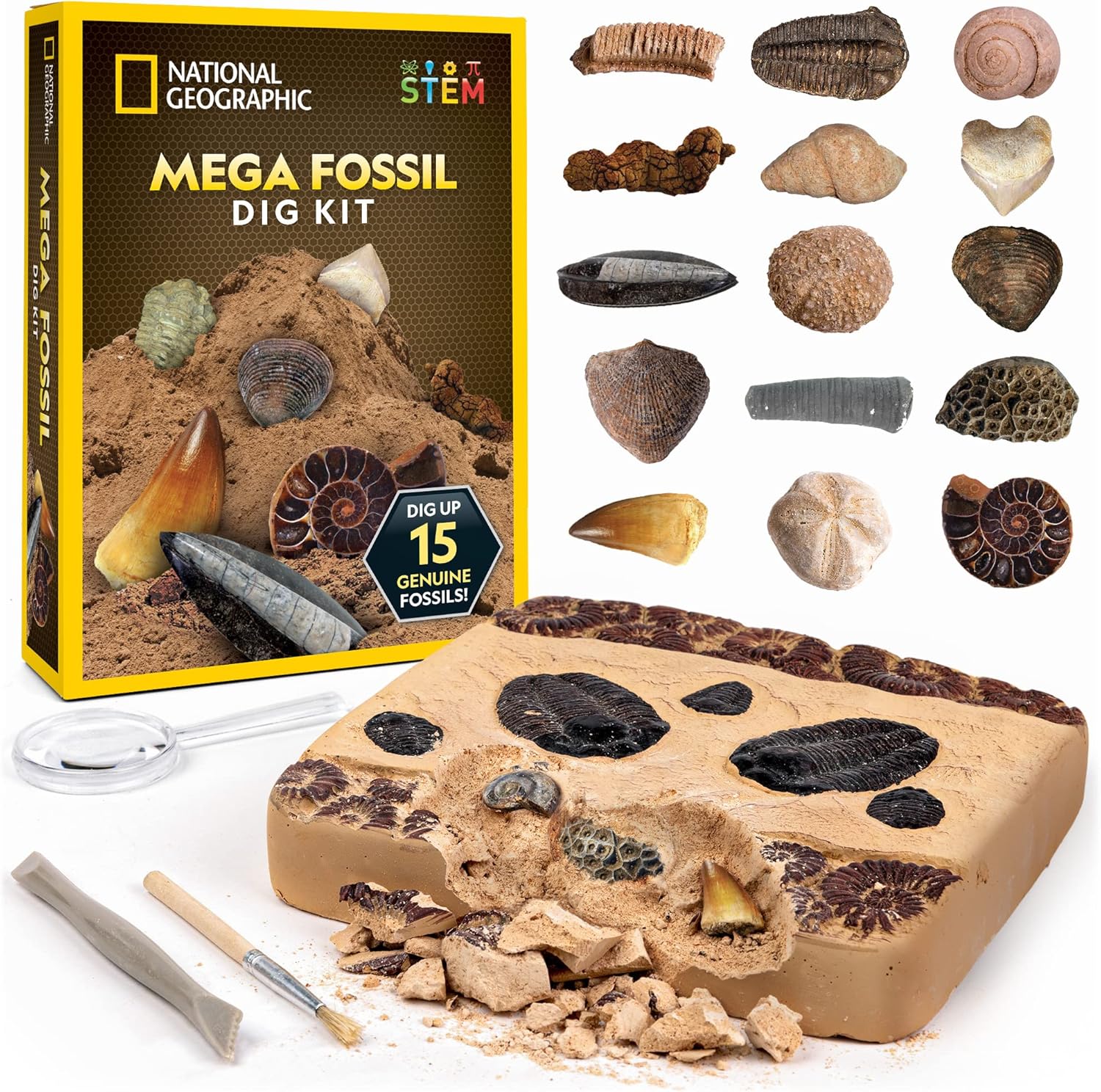
- Nature and earth science kits: These encourage observation of rocks, plants, insects, weather, or outdoor environments. Tools such as containers, magnifiers, or collection accessories may be included.
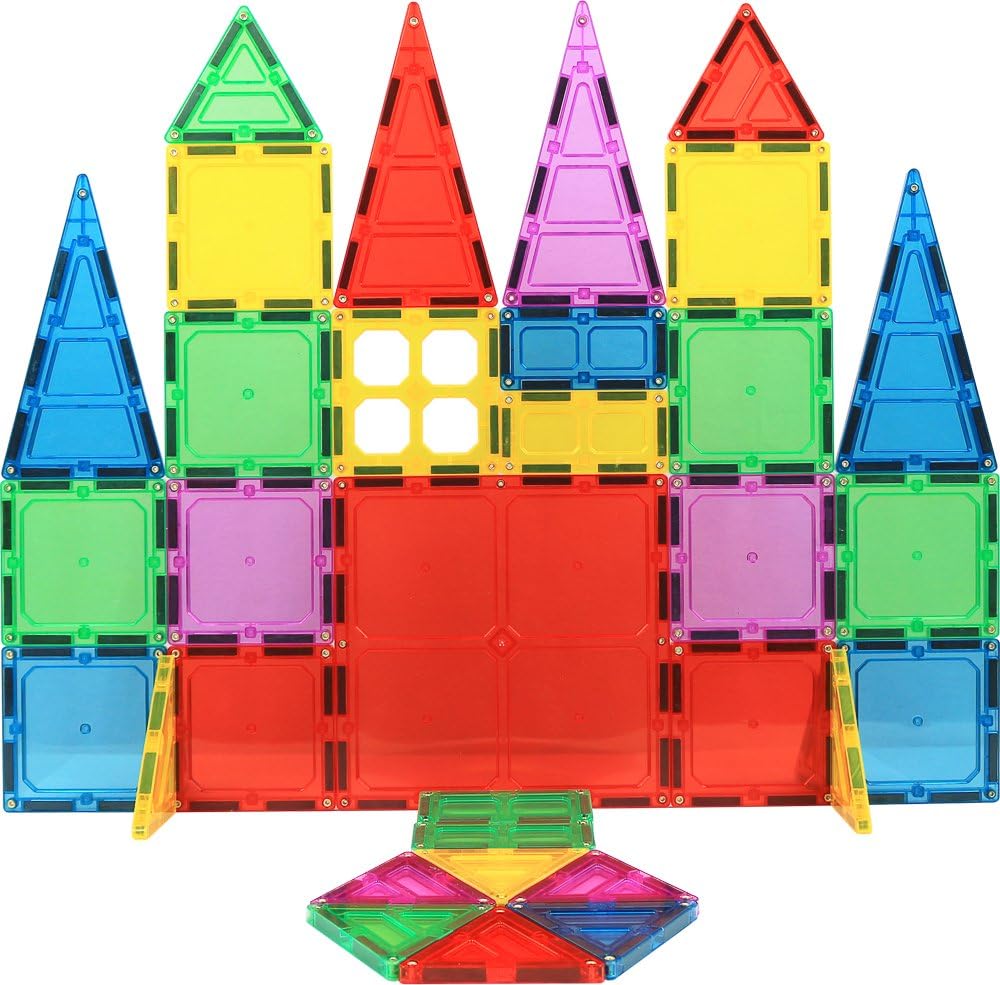
- Physics and engineering experiments: Children can investigate motion, force, balance, magnetism, light, sound, or simple machines through guided activities.
- Microscopy and magnification kits: These are designed for closer examination of prepared or collected samples. Compare the included viewing tools and sample materials.
- Space and astronomy activities: Some kits focus on planets, stars, the solar system, or sky observation through models and educational activities.
- Forensics and observation sets: These may introduce pattern recognition, evidence handling, classification, or logical problem-solving in an age-appropriate format.
For science projects that emphasize coding, machines, electronics, or construction, also compare the selection in Technology & Engineering.
Key features and specifications to compare
The title and theme only tell part of the story. Product details can help determine whether a kit matches the intended use:
- Included equipment: Check for containers, tools, measuring items, protective accessories, samples, and instruction materials.
- Consumable supplies: Some activities require materials that are used up. Determine what is supplied and what must be provided separately.
- Instruction format: Look for clearly organized experiments, diagrams, explanations, or project prompts that match the child’s reading level.
- Adult supervision: Review safety guidance and identify whether an adult should help with setup, handling materials, or cleanup.
- Storage: Small components are easier to manage when the kit includes a case, tray, or organized packaging.
- Learning emphasis: Compare whether the kit focuses mainly on demonstrations, factual learning, creative play, observation, or investigation.
Compatibility also matters for kits that use special batteries, sample slides, replacement materials, or household items. Checking the full contents before purchase can prevent interruptions during an activity.
Brands represented in the catalog
The science catalog includes products from Thames & Kosmos, Learning Resources, National Geographic, Educational Insights, Playz, Discover with Dr. Cool, Scientific Explorer, Nature Bound, 4M, Dan&Darci, Melissa & Doug, and TEDCO. These brands may approach science play differently, so compare individual product specifications, activity types, included components, and age guidance rather than relying on the brand name alone.
Safe and successful science play
Read all instructions before beginning an experiment and prepare a suitable work area. Use the recommended protective equipment, keep materials away from food preparation areas, and provide supervision where the product guidance calls for it. Children can also get more from a kit by keeping an observation notebook, drawing results, and changing one factor at a time during repeat experiments.
When comparing products, think about who will use the kit, how much help will be available, and whether the activities fit the child’s interests. Product pages can provide the latest details so shoppers can compare specifications and features before checking the current price on Amazon.
Frequently asked questions
What age is appropriate for science toys?
The appropriate age depends on the activity, reading requirements, small parts, and materials involved. Use the manufacturer’s age guidance as a starting point and consider the child’s ability to follow instructions safely.
Do science kits require adult supervision?
Some do, especially when activities involve heat, glass, chemicals, sharp tools, or detailed setup. Review the safety instructions and stay involved whenever supervision is recommended.
Are science toys reusable?
It varies by product. Tools and containers may be reusable, while powders, solutions, samples, or other experiment materials may be consumable. Check the listed contents and replacement requirements.
What should beginners look for in a science kit?
Beginners often benefit from clear instructions, simple setup, visible results, and activities that can be completed in a manageable amount of time. A kit aligned with the child’s existing interests can also encourage continued use.
How can shoppers compare similar science toys?
Compare the experiment topics, age guidance, included tools, consumable materials, supervision requirements, instructions, and storage options. These details reveal how each kit is intended to be used.