
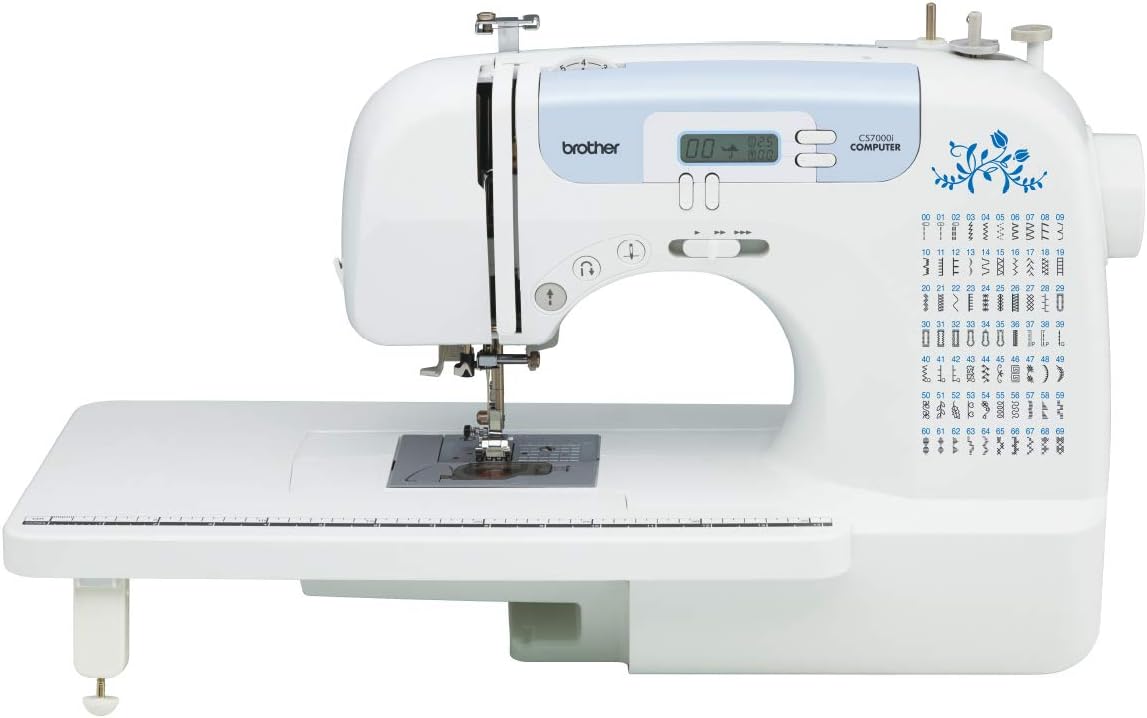
Sewing Machines for Every Skill Level
Compare sewing machines by stitch selection, controls, construction, and included accessories. Find options suited to garment making, quilting, repairs, and creative sewing projects.
295 products in catalog
295 results
Filters

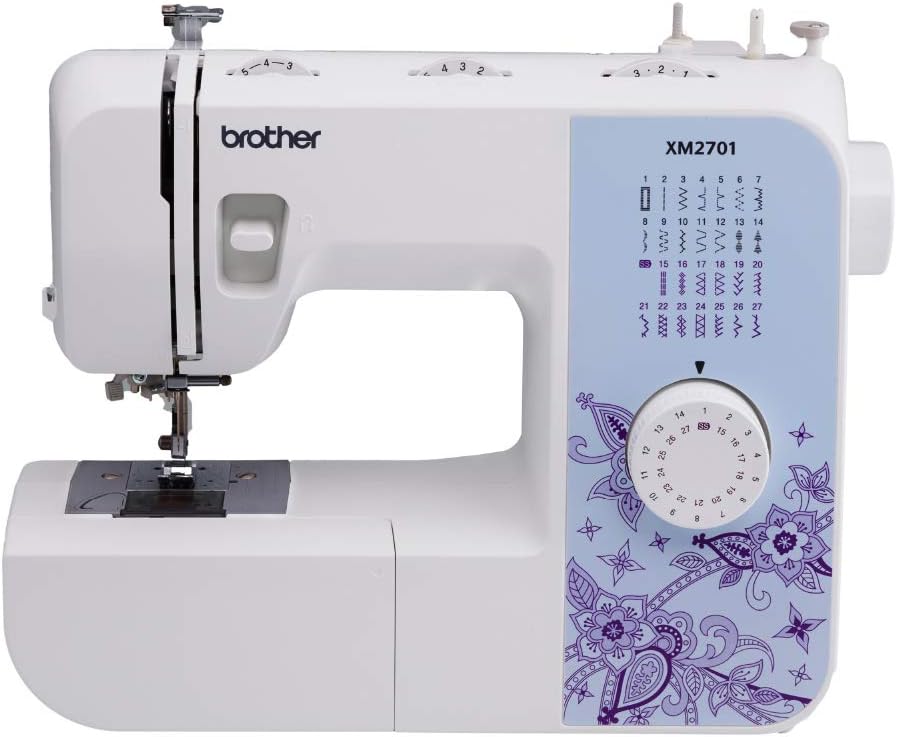
Brother
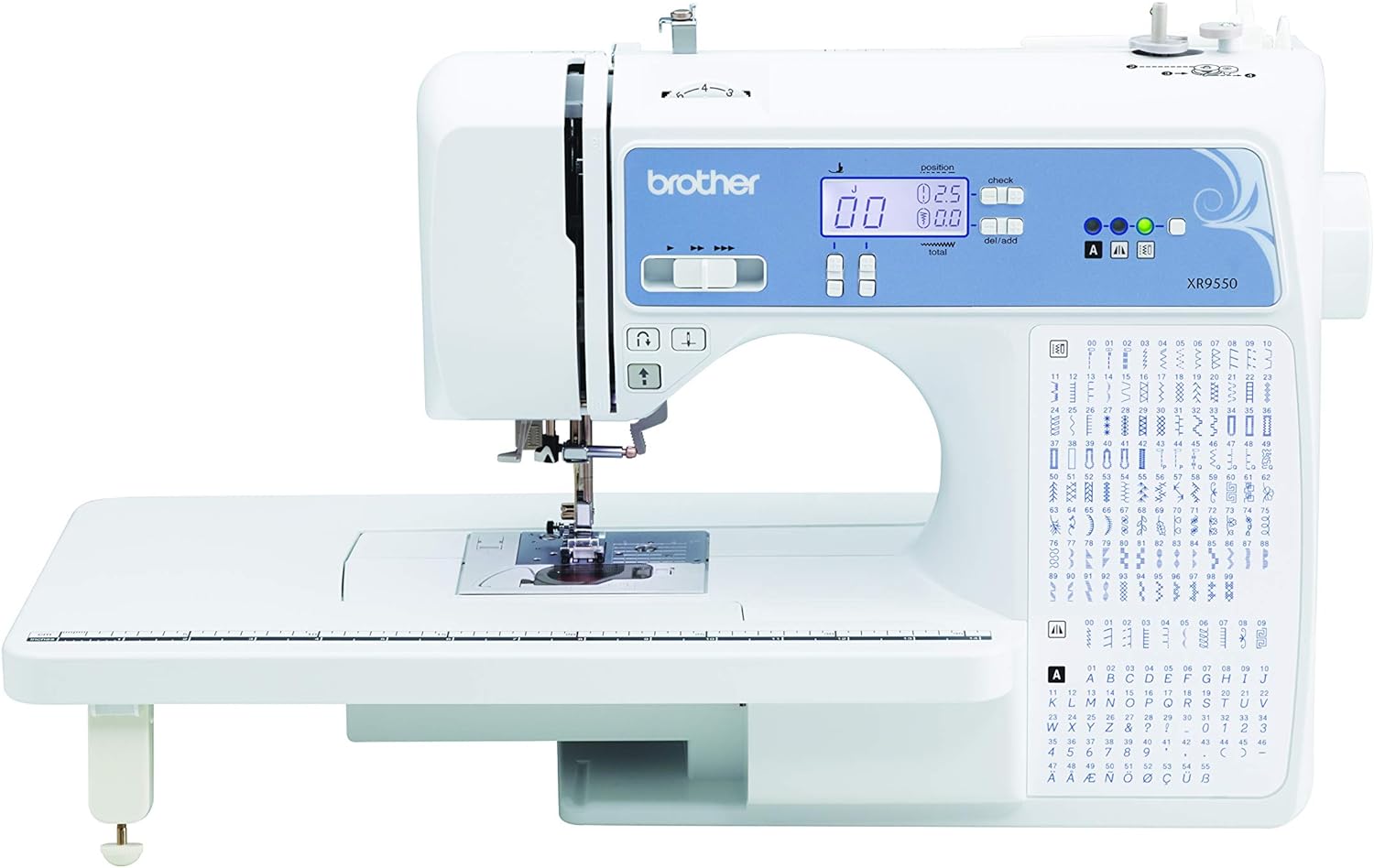
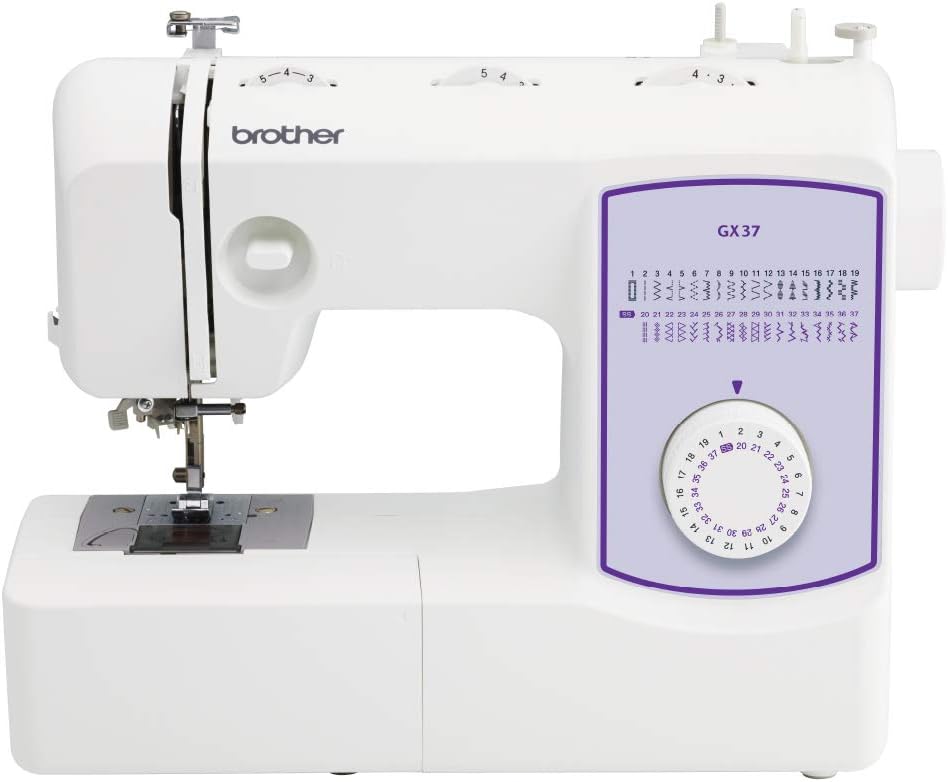
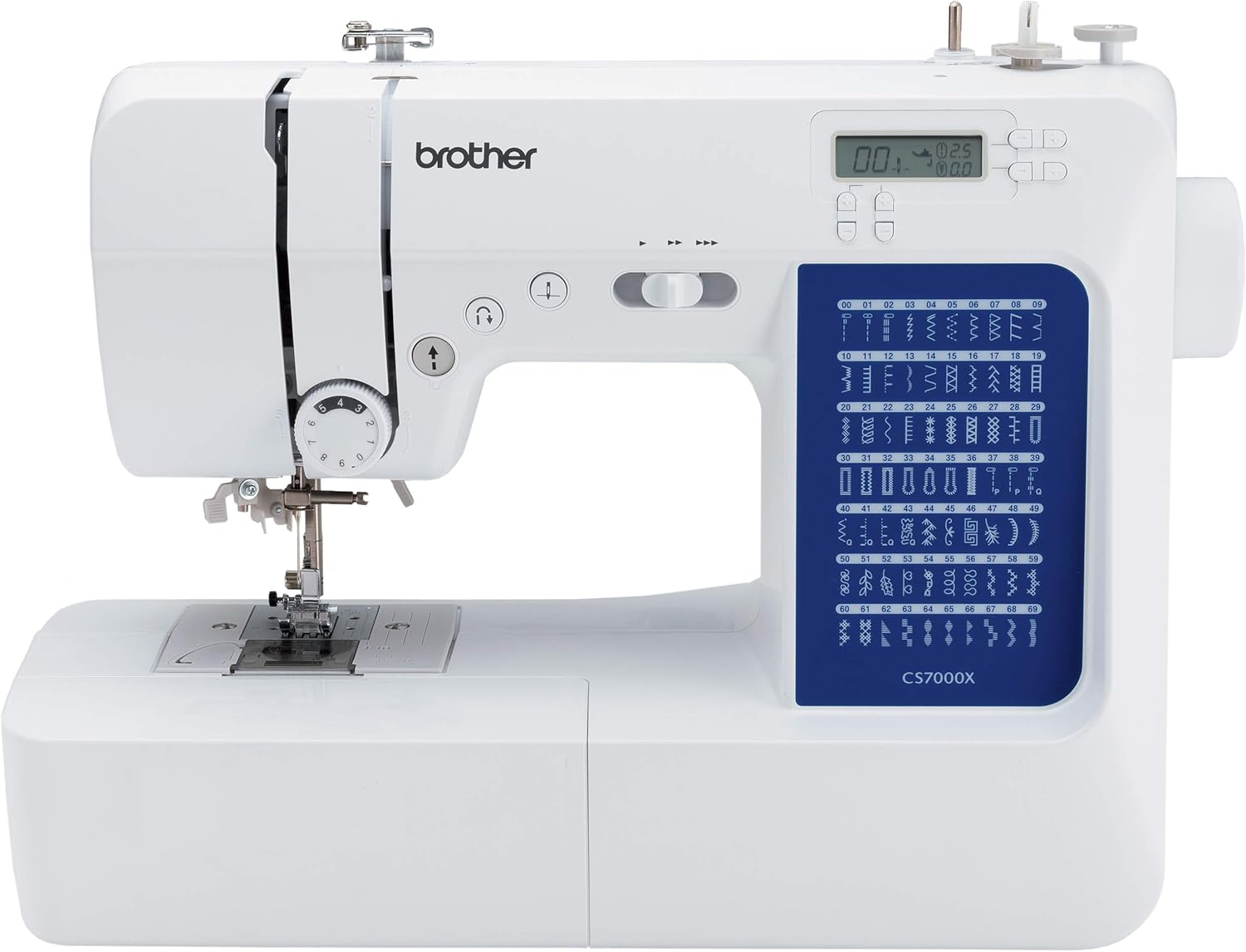
Brother Sewing Machine, XM2701, Lightweight Machine with 27 Stitches, 6 Included Sewing Feet
See current price


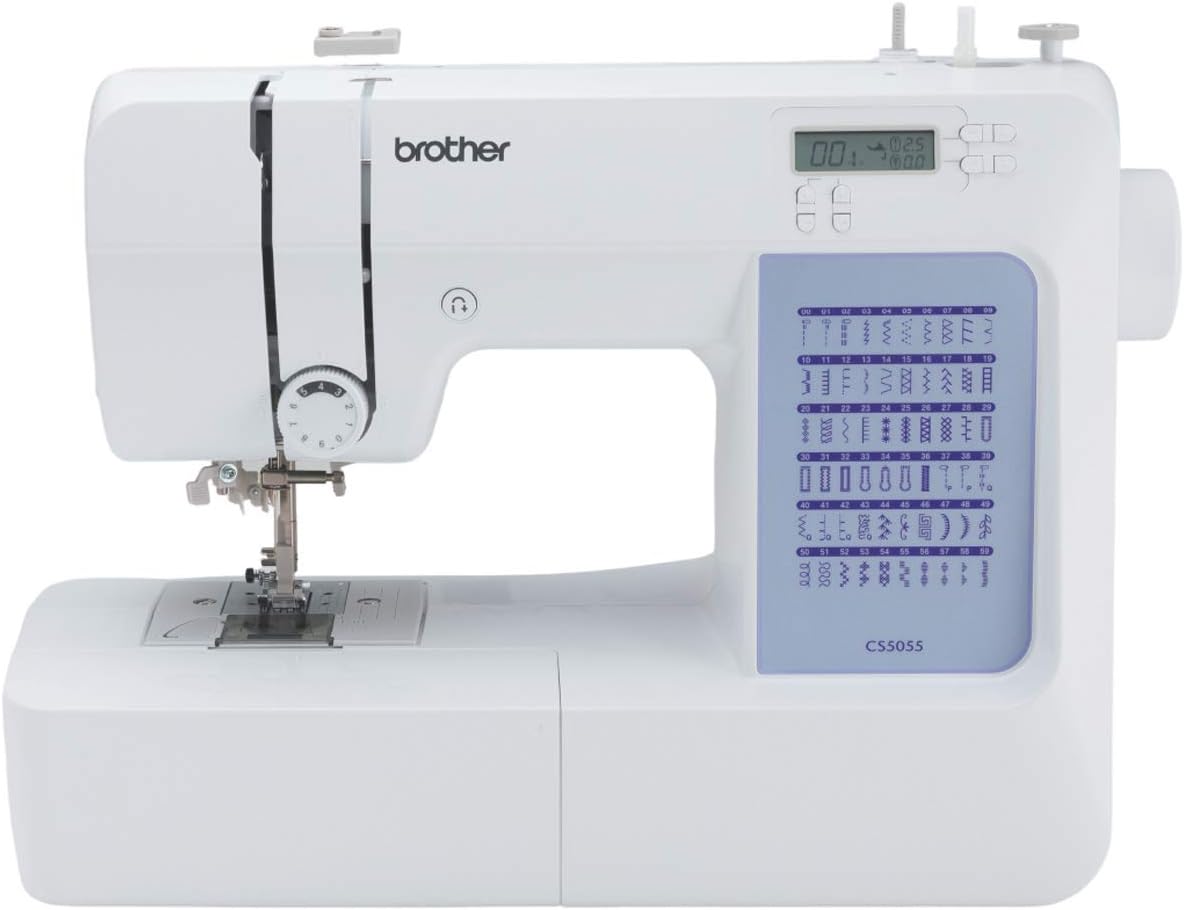

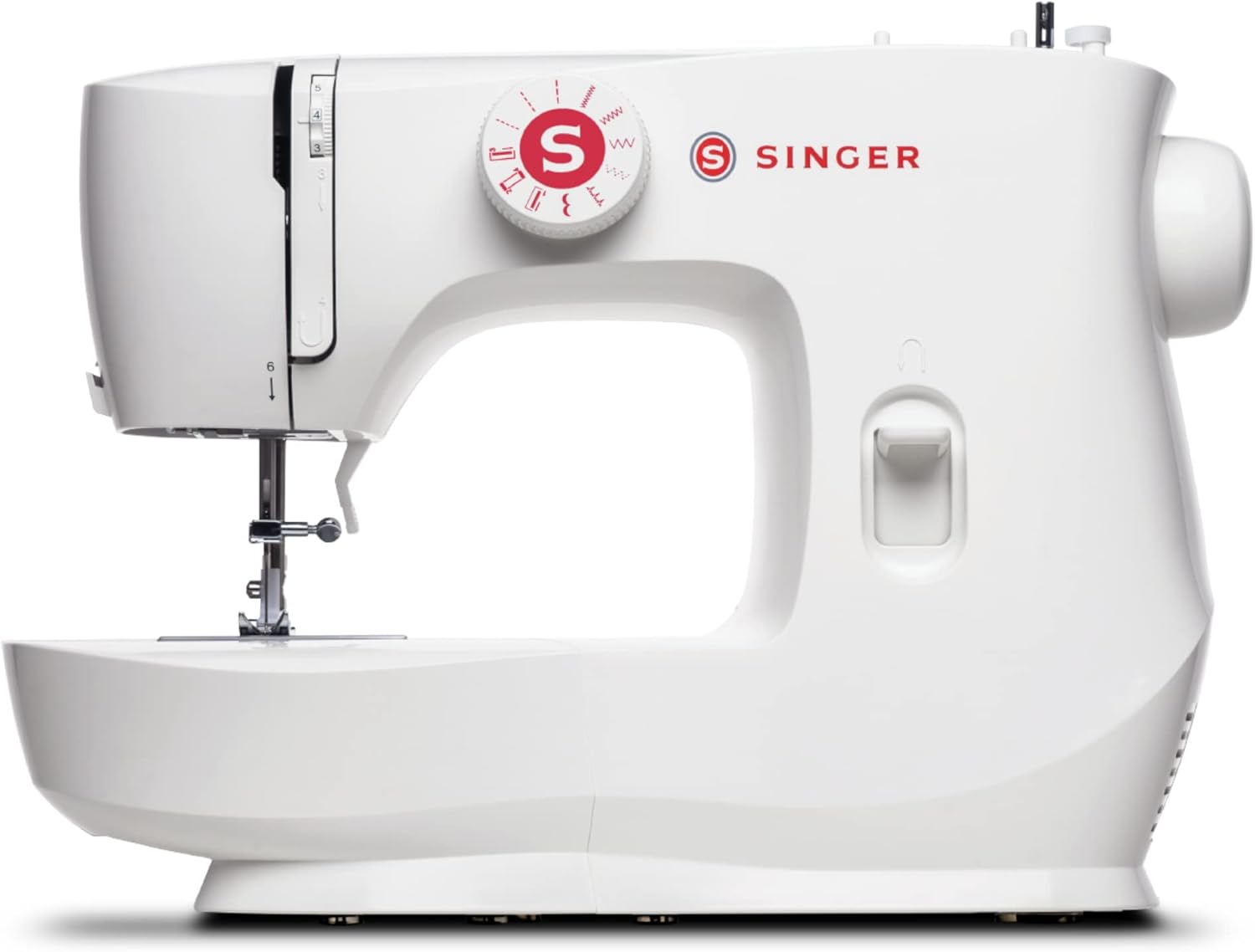




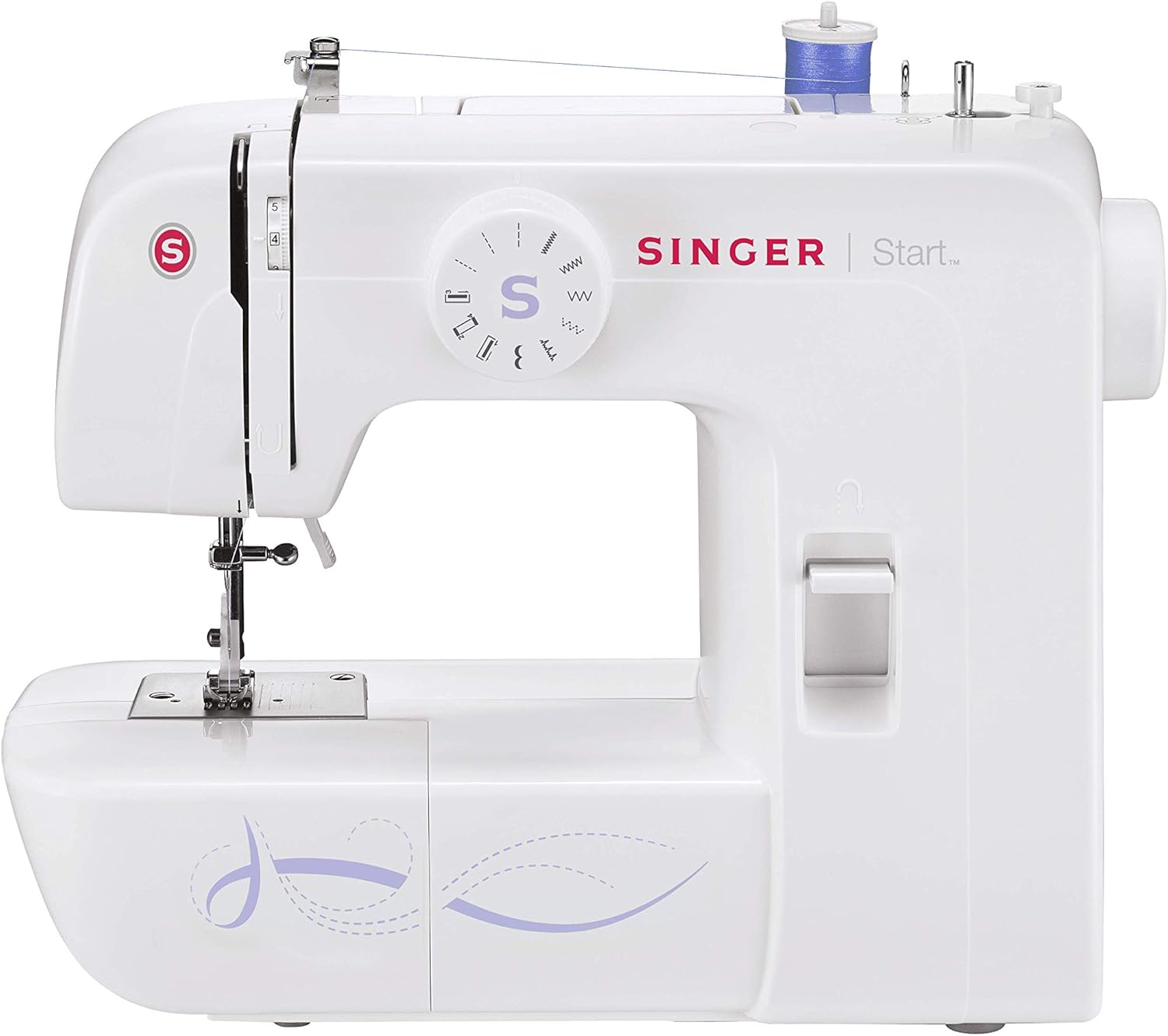


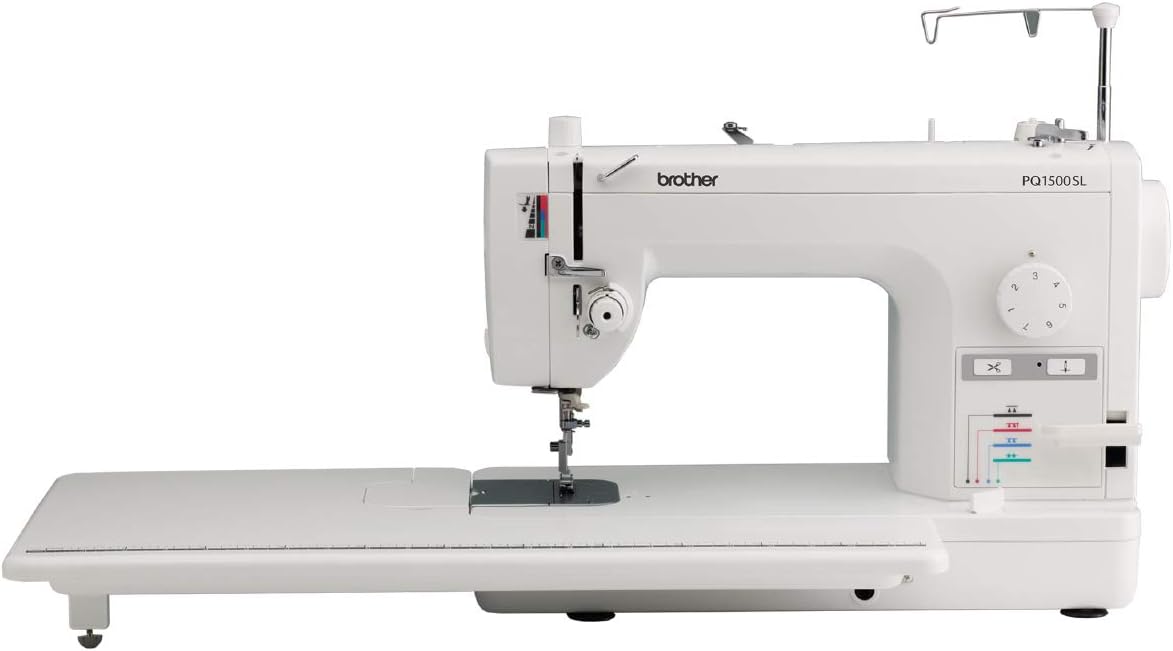
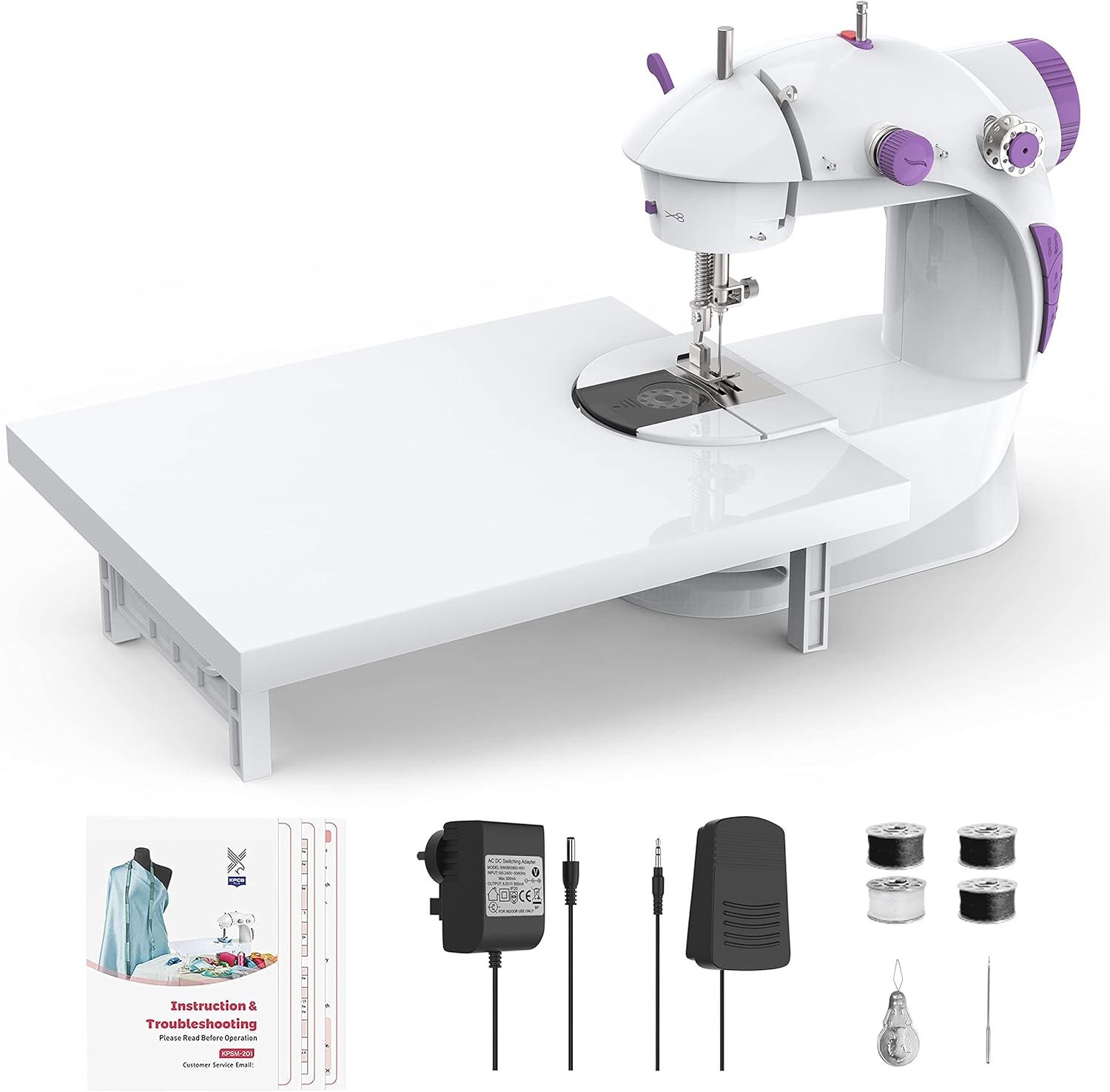
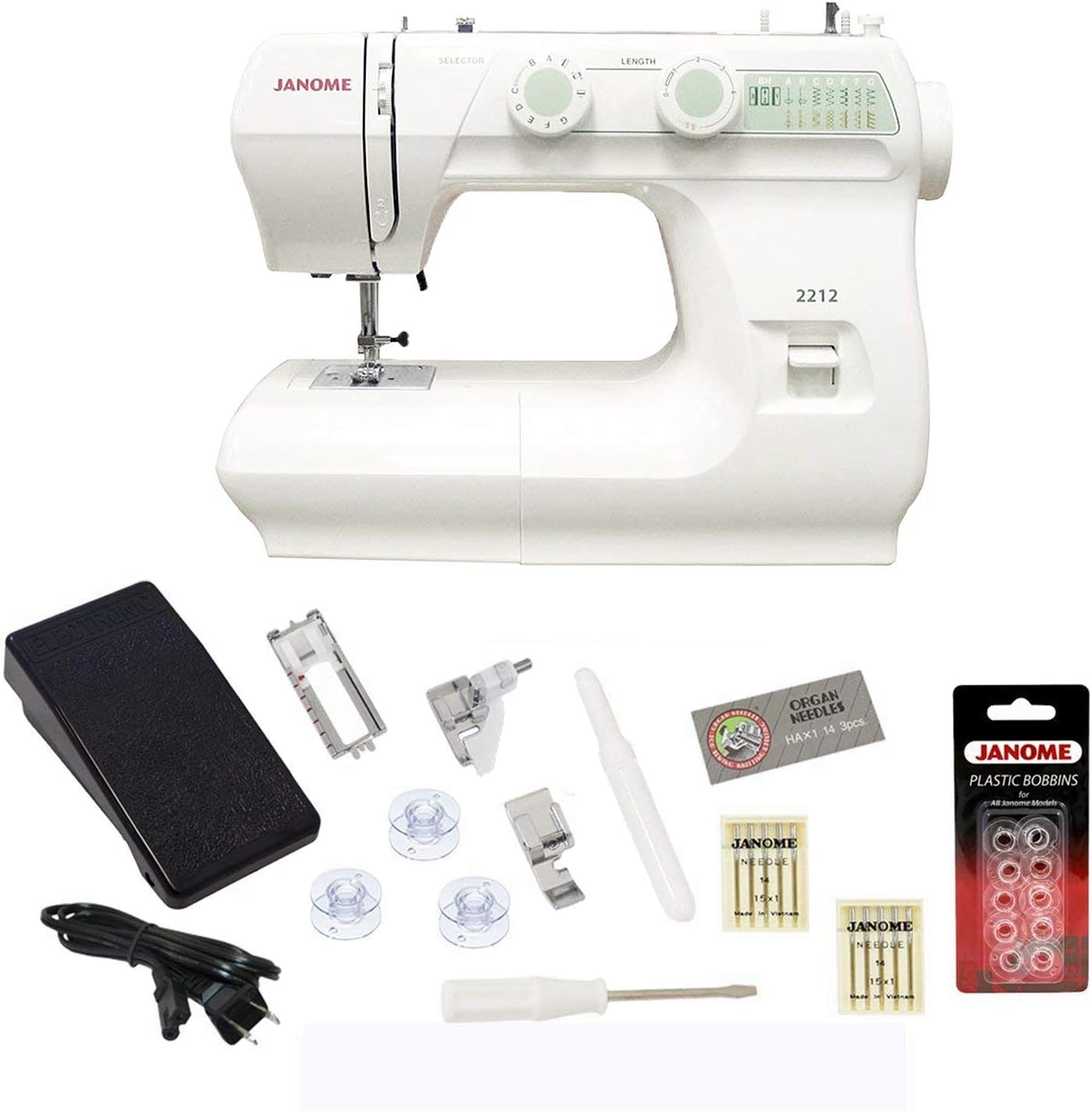
Varmax
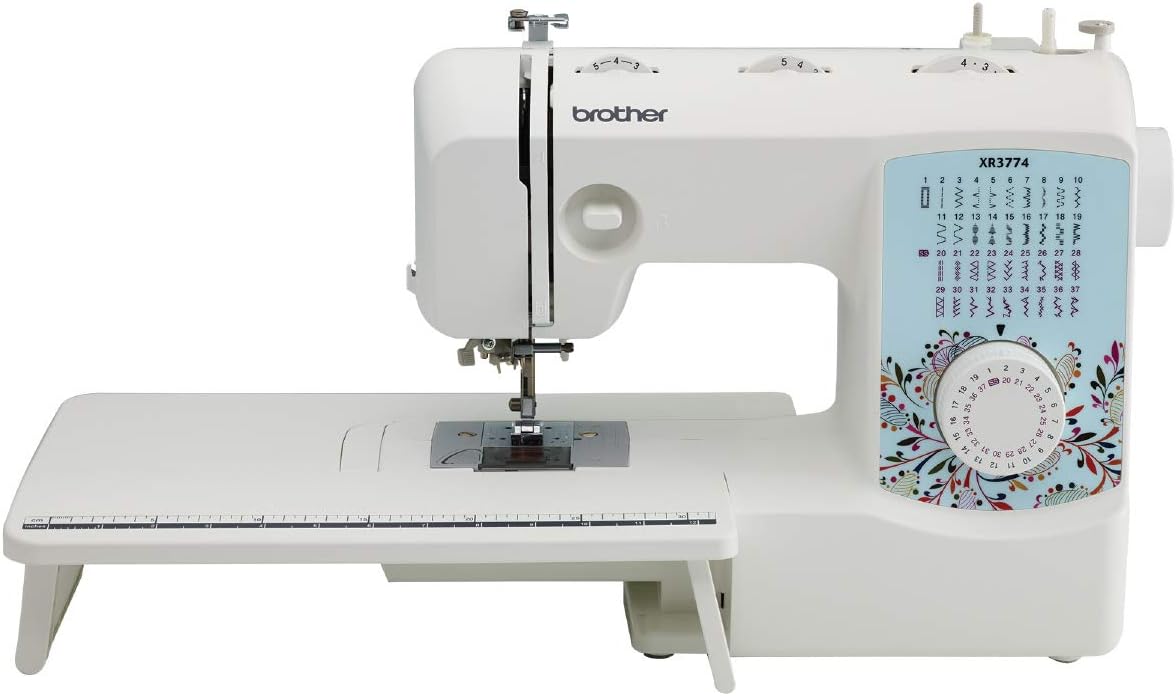
Varmax Sewing Machine with Extension Table Electric Sewing Machine for Beginners
See current price

Popular brands in Sewing Machines
Whether you are learning basic repairs or building a dedicated sewing setup, the right machine should match your projects, workspace, and comfort level. This catalog brings together sewing machines from brands including Singer, Brother, Janome, JUKI, and others so shoppers can compare specifications and features in one place.
Before choosing a machine, consider the fabrics you plan to sew, the types of stitches you need, and how often the machine will be used. A compact model may suit occasional mending, while a more capable machine can make garment construction, home décor, or quilting easier to manage.
How to choose a sewing machine
Start with the kind of work you expect to do most often. For simple alterations and household repairs, look for straightforward controls, dependable straight stitching, reverse sewing, and a useful selection of basic stitches. If you plan to sew clothing or decorative projects, adjustable stitch length and width, buttonhole functions, and more presser-foot options may be important.
Also consider the machine’s physical design. A heavier build can help the machine stay steady during longer sessions, while a compact form may be easier to store or transport. Check the work area, lighting, control layout, and whether the machine feels accessible for your experience level.
Common sewing machine types
Mechanical sewing machines
Mechanical models use dials, levers, or knobs for stitch and tension adjustments. They can be a practical choice for beginners and sewists who prefer direct, hands-on controls. Fewer electronic settings may also make the operation feel less complicated for routine sewing.
Computerized sewing machines
Computerized machines typically provide guided controls, preset stitch selections, and more automated functions. They may suit sewists who want convenient stitch changes, repeatable settings, decorative options, or built-in assistance with tasks such as buttonholes.
Heavy-duty and specialty-focused machines
Machines designed for demanding sewing may be suited to thicker fabrics, frequent use, or projects that require additional stability. Specialty needs vary, so compare the stated fabric capabilities, motor information, needle system, presser-foot compatibility, and included accessories rather than relying on the category label alone.
For project materials and supporting supplies, browse Sewing Notions & Supplies, Thread & Floss, and Sewing Machine Parts & Accessories.
Features and specifications to compare
Pay close attention to the details that affect control, versatility, and maintenance:
- Stitch selection: Compare utility stitches, stretch stitches, overcasting options, decorative stitches, and buttonhole styles.
- Stitch adjustment: Adjustable length and width can help tailor seams to different fabrics and techniques.
- Speed control: A speed limiter, foot-pedal response, or start/stop control may help with precision sewing.
- Threading and bobbin system: Check how the machine is threaded, how the bobbin loads, and whether thread guidance is clear.
- Presser feet: Review which feet are included and whether common specialty feet are compatible.
- Needle position and free arm: These features can be useful for topstitching, narrow seams, sleeves, cuffs, and other small areas.
- Lighting and workspace: A well-lit needle area and a practical sewing surface can improve visibility and comfort.
- Included extras: Compare the accessories, manuals, storage options, and replacement-part compatibility supplied with each machine.
Brands represented in the catalog
The catalog includes sewing machines from Singer, Brother, Janome, KPCB Tech, JUKI, W-Dragon, AONESY, DUTISON, APlus, FamYun, Suteck, and Chyodi. Brand selection should be only one part of the comparison. The more useful questions are whether the machine offers the needed stitch functions, fits the intended fabrics, has accessible controls, and supports available accessories and parts.
Match the machine to your projects
Garment makers may prioritize buttonholes, stretch stitches, adjustable settings, and easy handling around curves. Quilters can benefit from a stable work area, consistent feeding, free-motion compatibility, and room to manage larger fabric pieces. For quilting materials and related project supplies, see Quilting.
If your focus is embellishment, decorative stitching, or fabric personalization, compare the available stitch designs and presser-foot options. Those working with trims should also explore Trim & Embellishments, while pattern-based projects may benefit from Sewing Patterns & Templates.
Frequently asked questions
What is a good sewing machine for a beginner?
A beginner-friendly machine usually has clear controls, dependable basic stitches, easy threading, adjustable speed or responsive control, and instructions that explain setup and operation.
Should I choose a mechanical or computerized machine?
Choose mechanical controls if you prefer simplicity and direct adjustments. A computerized model may be more convenient if you want guided selections, automated functions, or a wider range of preset stitches.
What sewing machine features matter for quilting?
Look for a stable machine, a useful work area, consistent fabric feeding, adjustable stitch settings, and compatibility with quilting or free-motion accessories.
Can one machine sew both light and heavy fabrics?
Some machines handle a broad range of materials, but capability varies. Check the manufacturer’s fabric guidance, presser-foot clearance, needle compatibility, and motor or construction details before choosing.
Which accessories should come with a sewing machine?
Useful accessories may include standard and specialty presser feet, bobbins, needles, a seam ripper, cleaning tools, and a manual. Confirm the included items and compatibility for replacement accessories.