

Trim & Embellishments for Sewing and Crafts
Explore trim and embellishment supplies for clothing, costumes, quilting, accessories, home décor, and craft projects. Compare materials, dimensions, finishes, and attachment methods before choosing.
3,925 products in catalog
3,925 results
Filters


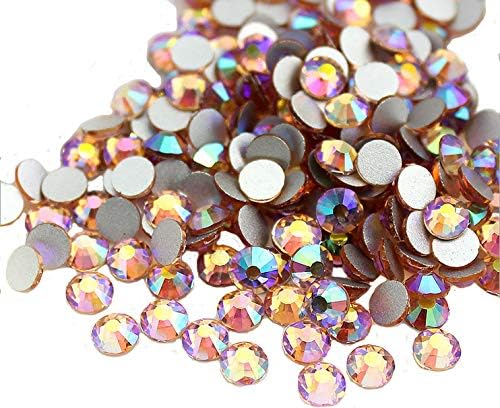
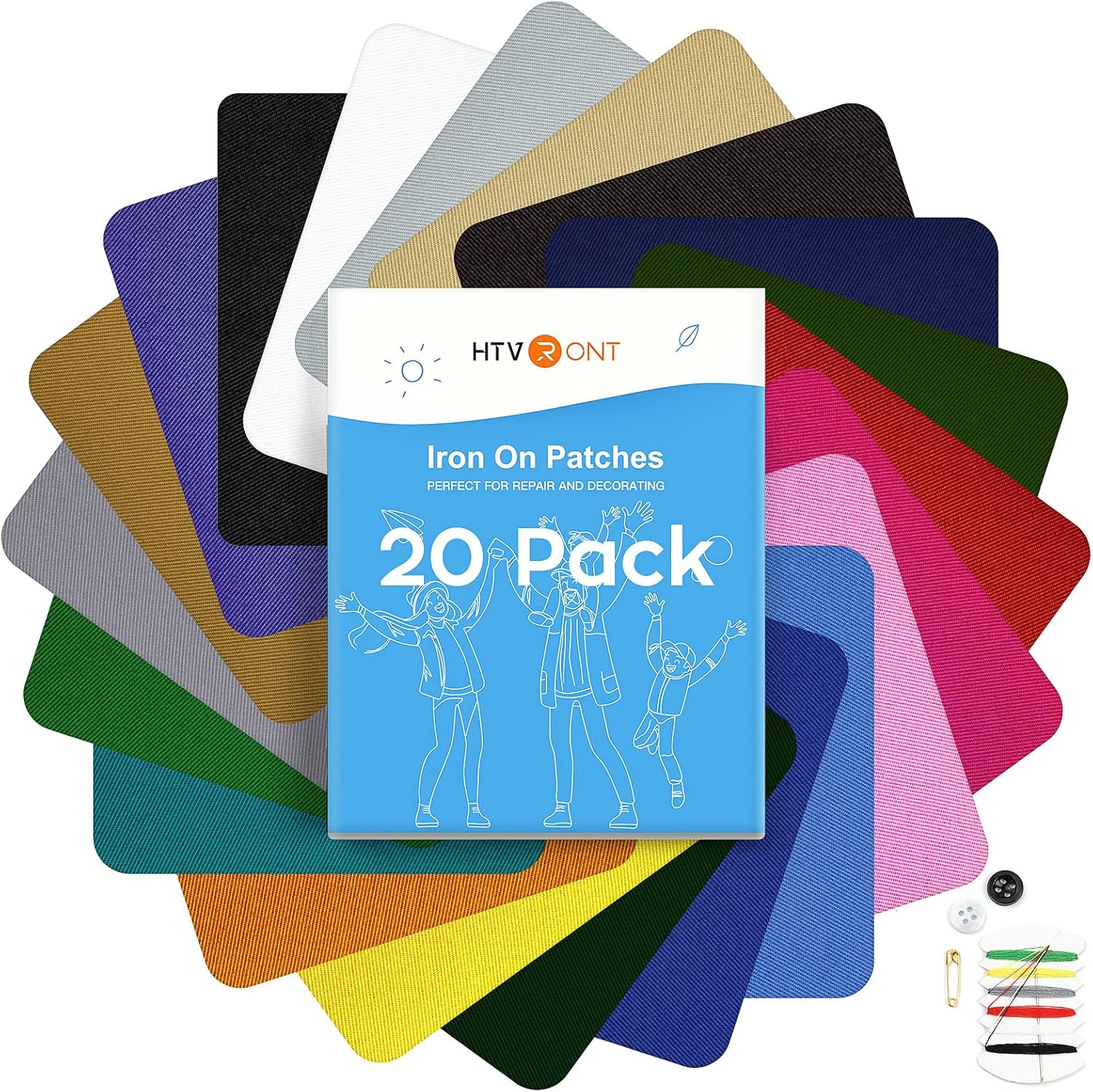
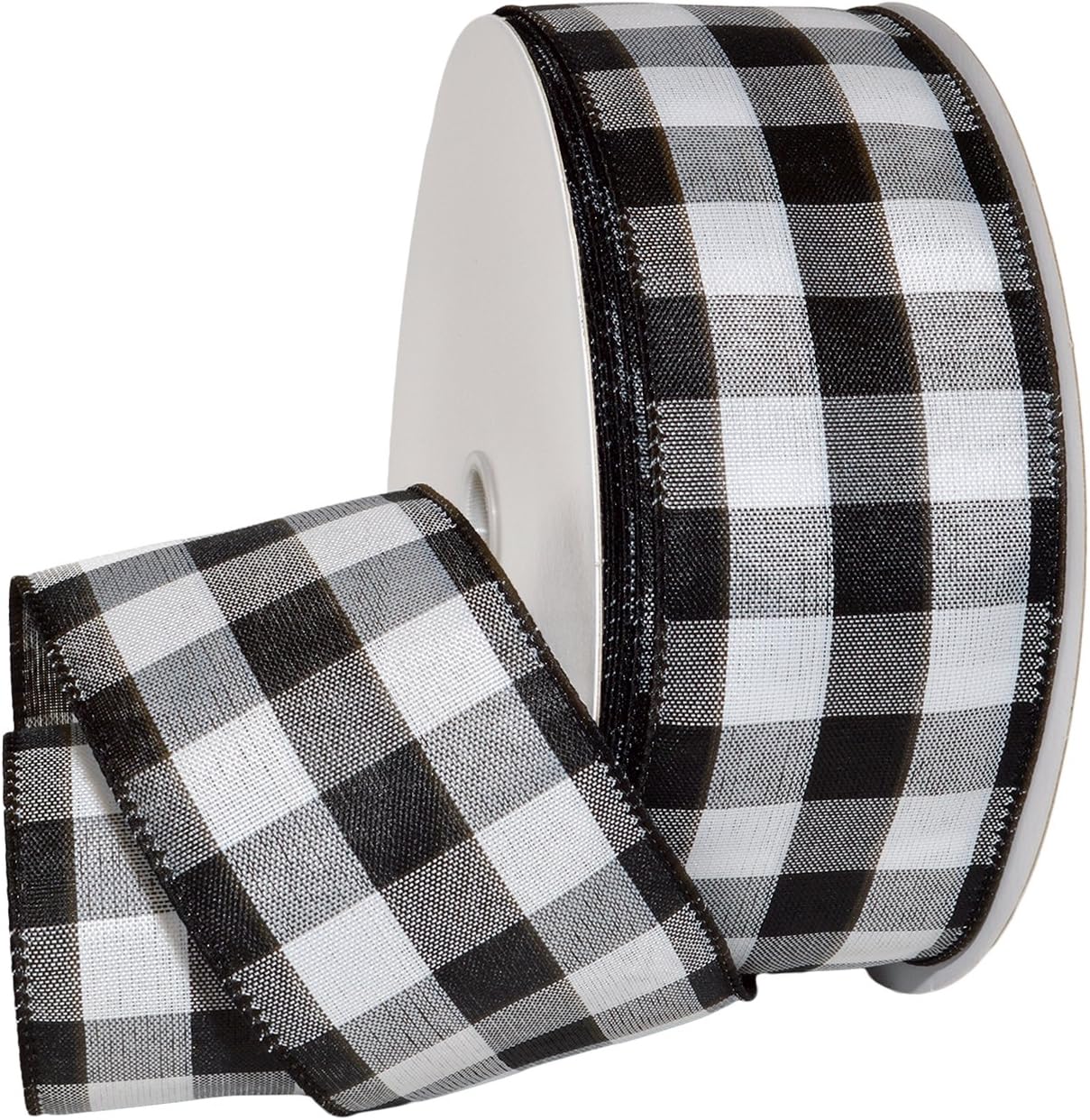


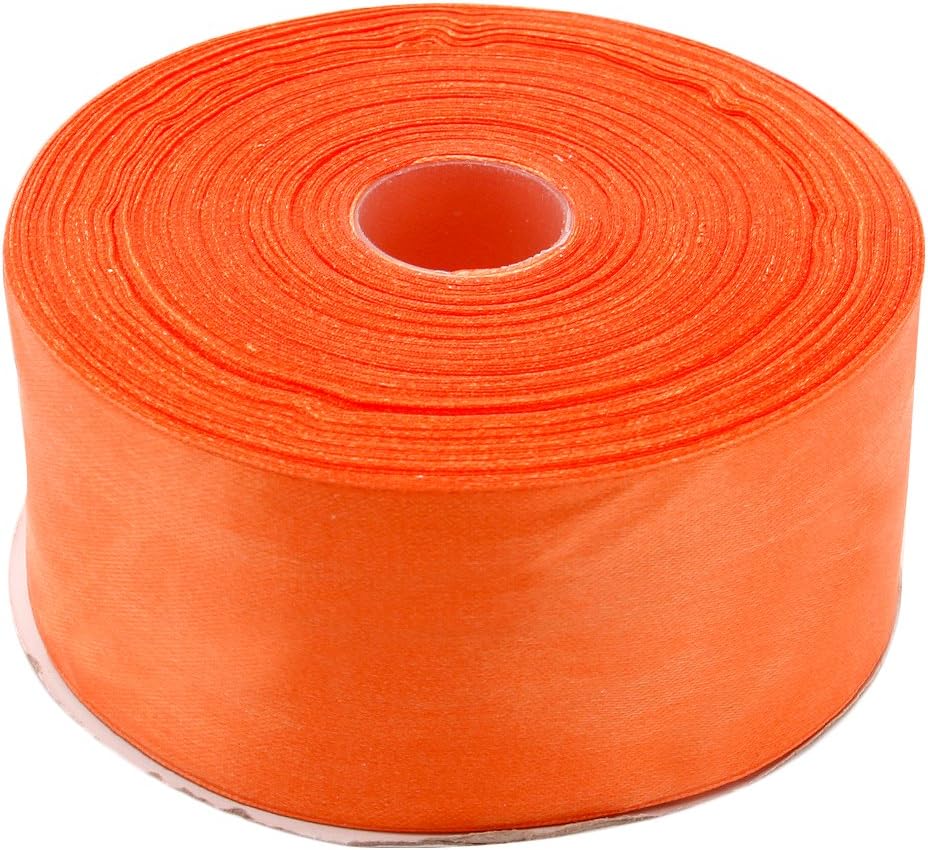
Topenca Supplies
Topenca Supplies 2 Inches x 50 Yards Double Face Solid Satin Ribbon Roll, Orange
See current price


Craig Bachman
Handmade 10 inch x 30 feet Deco Poly Mesh Ribbon - Metallic Teal : RE130160
See current price


BEADSLAND
beadsland 288 Piece Flat Back Crystal Rhinestones Round Gems, Light Pink (SS30(6.3-6.5mm))
See current price
Popular brands in Trim & Embellishments
Trim and embellishments can add color, texture, structure, or a decorative focal point to a project. This category covers supplies used to finish garment edges, decorate fabric surfaces, personalize accessories, and create visual detail in crafts and home décor.
When comparing options, consider the project surface, the amount of handling or washing it will receive, and how the trim will be attached. The right choice should complement the fabric without adding unwanted bulk or making the finished item difficult to care for.
How to choose trim and embellishments
Start by defining the role the material will play. Some trims finish an edge or seam, while others are primarily decorative. A narrow accent may work well on clothing or small accessories, whereas wider or more dimensional pieces can suit costumes, displays, pillows, and other statement projects.
Consider these factors before selecting a product:
- Material: Fabric, lace, ribbon, braided, metallic, vinyl, and other materials can differ in flexibility, texture, durability, and care requirements.
- Width and thickness: Check how much coverage the trim provides and whether it will create a raised edge or add bulk beneath a presser foot.
- Color and finish: Match the trim to the base fabric, or use contrast intentionally. Matte, glossy, metallic, sheer, and textured finishes create different effects.
- Attachment method: Determine whether the item is sewn, glued, ironed, fused, or applied with another method suited to the project.
- Quantity and format: Look for the supplied length, roll format, individual pieces, or repeating design so the material fits the project plan.
Common types and uses
Ribbon and decorative bands are versatile choices for gift projects, apparel details, hair accessories, packaging, and fabric crafts. They may be used as borders, ties, straps, or surface accents.
Lace and openwork trims add a lighter, ornamental look to garments, linens, bridal projects, costumes, and accessories. Check the edge finish and flexibility when using lace around curves or gathered fabric.
Fringe, tassels, and dimensional trims can bring movement and texture to costumes, pillows, curtains, bags, and decorative pieces. These options may need careful spacing and secure stitching because their profile extends beyond the fabric surface.
Appliques, patches, and decorative motifs are useful when the goal is to add a specific image, shape, or themed detail rather than a continuous border. Confirm whether the item is intended for sewing, heat application, adhesive use, or a combination of methods.
For broader project supplies, browse Sewing Notions & Supplies or explore Quilting when the trim is part of a quilted or patchwork project.
Key specifications to compare
Product photos can show overall style, but specifications help determine whether a trim will work in practice. Compare the listed dimensions carefully, including width, thickness, and length. For repeating patterns, also consider the design interval so motifs line up as expected.
Check whether the material has a finished edge, a selvage, adhesive backing, or a surface intended for stitching. Flexible trim is generally easier to shape around corners and curves, while rigid or heavily embellished materials may be better for straight sections and decorative focal points.
If the project involves a sewing machine, consider how the trim affects needle clearance, presser-foot movement, and seam thickness. You may need a longer stitch, a different foot, hand stitching, or a stabilizing layer depending on the material and fabric.
Brands represented in the catalog
The catalog includes trim and embellishment products from Craig Bachman, Outus, WILLBOND, EmbTao, Backwoods Barnaby, KENICUT, Morex Ribbon, ZEGINs, HTVRONT, Offray, Expressions, and VINYL FROG. These brands may cover different styles, materials, formats, and application methods, so compare the individual product specifications rather than choosing by brand alone.
Related supplies may be useful when planning a complete project. Thread & Floss can help match stitching to the trim, while Sewing Patterns & Templates may provide a layout or garment design for decorative details.
Application and care tips
Test a small section before applying trim to the final piece. This helps confirm the color, scale, attachment method, and compatibility with the fabric. It also shows whether the trim puckers, frays, stretches, or changes the drape.
For washable items, check the care guidance for both the trim and the base material. If their care requirements differ, the finished project may need gentler cleaning. Secure ends to reduce unraveling, especially on ribbons, braided trims, and fringe. When using heat or adhesives, follow the product instructions and protect the work surface and fabric from unwanted marks.
If you are building a machine-sewing setup, Sewing Machine Parts & Accessories may help with feet or accessories suited to specialty materials. For larger equipment needs, see Sewing Machines.
Frequently asked questions
What projects can use trim and embellishments?
Trim can decorate garments, costumes, bags, quilts, pillows, curtains, accessories, gift items, and many other fabric or craft projects.
How do I know which attachment method to use?
Check the product instructions and the material of the trim. Sewing is often suitable for washable or flexible projects, while fusible or adhesive options may be useful when stitching is not practical.
Should I test trim before applying it?
Yes. Test it on a scrap of the same or similar fabric to check its appearance, handling, attachment, and response to heat or washing.
How much trim should I buy?
Measure every edge or section that will receive trim, then allow extra for corners, overlaps, pattern matching, and securing the ends.
Can decorative trim be used with a sewing machine?
Many trims can be machine sewn, but thick or raised materials may require slower stitching, a compatible presser foot, hand finishing, or a different construction order.