

Shocks, Struts & Suspension Parts
Compare shocks, struts and suspension components by vehicle fitment, construction, intended use and installation requirements. Review specifications before choosing parts for a repair, replacement or performance project.
24 products in catalog
24 results
Filters
Availability
Price


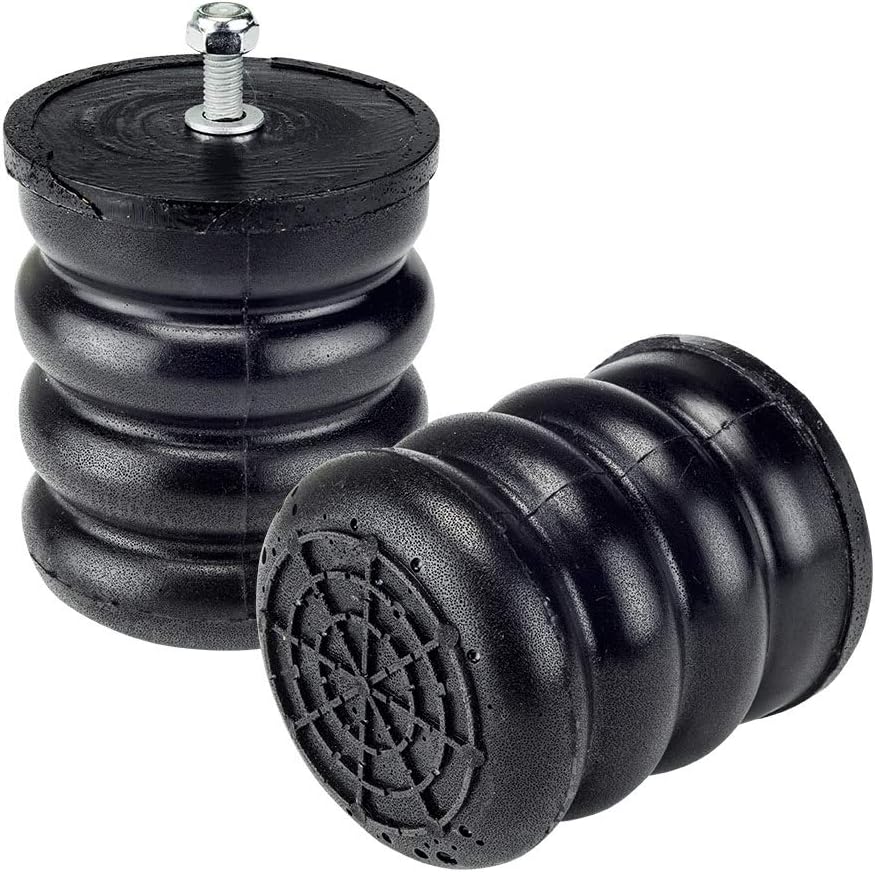


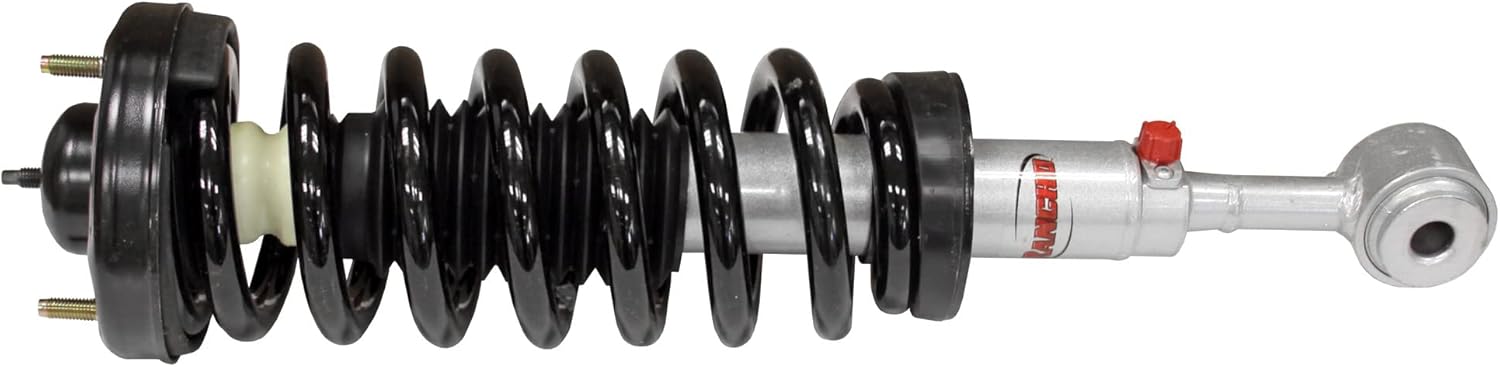


Popular brands in Shocks, Struts & Suspension
Suspension components help control how a vehicle responds to bumps, braking, cornering and changes in load. The right choice depends on the vehicle’s year, make, model, suspension configuration and the job the part is expected to perform.
K-Catalog brings together options in Shocks, Struts & Suspension within Performance Parts & Accessories. Use the available specifications to narrow compatible parts and compare designs before visiting Amazon to check current availability and purchase details.
How to choose suspension parts
Start with exact vehicle fitment. Suspension parts that look similar may differ by model year, body style, drivetrain, axle position or factory suspension package. Confirm whether the component is intended for the front or rear of the vehicle and whether it replaces a complete assembly or only one part.
Also consider the reason for the replacement:
- Routine replacement: Prioritize direct fitment, original mounting points and compatibility with the existing suspension.
- Towing or added load: Look for components designed around the vehicle’s load demands, while staying within the manufacturer’s limits.
- Off-road use: Check construction, travel, mounting style and compatibility with any lift or leveling equipment.
- Handling changes: Compare damping design and intended use rather than assuming a firmer part is suitable for every vehicle.
Replacing suspension components in matching pairs on the same axle is often considered when wear is uneven, but the appropriate repair depends on the vehicle and the condition of the surrounding parts.
Types of shocks, struts and suspension components
Shocks control suspension movement and help reduce bouncing after the vehicle moves over uneven surfaces. They are commonly selected by vehicle fitment, axle position, mounting arrangement and intended driving conditions.
Struts may combine the damping function with a structural role in the suspension. Replacing a strut can involve more than changing a shock absorber, so verify whether the listing is for an individual insert, a complete strut assembly or another related component.
Suspension support and load-assist parts can help address specific load, ride-height or application requirements. These may include components intended for trucks, utility vehicles, towing setups or modified suspensions. Compatibility with existing springs, brackets and hardware is especially important.
When a vehicle has lift, leveling or other suspension modifications, confirm that the replacement part matches the altered geometry and available travel. Standard replacement parts may not suit a modified setup.
Specifications and features to compare
Product pages can differ considerably in the details they provide. Give priority to specifications that affect fit and function:
- Vehicle year, make, model, engine and body configuration
- Front or rear position and left/right application, if applicable
- Extended and compressed length where listed
- Mounting type, mounting hardware and connection points
- Shock or strut design and damping characteristics
- Compatibility with factory, lifted or lowered suspension systems
- Intended use, including street driving, towing, hauling or off-road operation
- Material, finish and environmental considerations
- Whether the component is sold individually or as part of a set
Check the manufacturer’s fitment information against the vehicle identification details before ordering. If the suspension has already been modified, compare measurements rather than relying only on the original vehicle description.
Brands represented in the catalog
The catalog includes suspension products from Daystar, Prothane, KYB, Rancho, SuperSprings, Allstar, Firestone, Rough Country and SACHS. These brands may cover different types of shocks, struts, bushings, load-support parts and related suspension components, so compare each item by its specific application and specifications rather than by brand name alone.
Brand availability can vary by vehicle and component type. A familiar brand does not replace the need to verify fitment, mounting details and intended use for the exact part.
Installation and replacement considerations
Suspension work can involve compressed springs, heavy components and parts that affect steering or vehicle control. Review the manufacturer’s installation instructions and use the correct equipment for the job. If a spring must be compressed or a strut assembly must be disassembled, professional installation may be the safer choice.
After installation, inspect fasteners, bushings, mounts and nearby components for wear or damage. Parts such as tires, steering joints and alignment-related components can influence how the vehicle behaves. An alignment may be appropriate after work that changes strut position, ride height or suspension geometry.
For other vehicle performance systems, browse related categories such as Exhaust Systems & Parts, Ignition & Electrical, Filters and Fuel System. Engines & Engine Parts and Emission System provide additional categories for broader performance and maintenance projects.
Frequently asked questions
What is the difference between a shock and a strut?
A shock primarily controls suspension movement, while a strut can also serve as a structural part of the suspension. The exact design varies by vehicle, so confirm what the replacement includes.
Should shocks or struts be replaced in pairs?
Replacing matching components on the same axle can help maintain more consistent damping, but the correct approach depends on the vehicle, part instructions and condition of the existing suspension.
How do I confirm suspension part fitment?
Check the vehicle year, make, model, engine, body style, axle position and suspension configuration. For modified vehicles, compare dimensions and mounting details as well.
Can standard shocks be used on a lifted vehicle?
Not always. Lifted suspensions may require different lengths, mounting arrangements or travel characteristics. Verify compatibility with the complete suspension setup before ordering.
Do suspension repairs require an alignment?
An alignment may be needed when struts, ride height or suspension geometry are changed. Follow the part instructions and have the vehicle inspected if steering or tire-wear concerns remain after installation.