
Snow Joe
Snow Joe SJ626E Electric Walk-Behind Single-Stage Snow Blower, 22-inch, 14.5-Amp
See current price

Compare snow blowers by power source, clearing design, intake capacity, discharge control, and handling features to find a practical match for your winter maintenance routine.
42 products in catalog
42 results
Snow Joe
See current price

Snow Joe
See current price
Snow Joe
See current price


Snow Joe
See current price

Snow Joe
See current price


Earthwise Power Tools by ALM
See current price
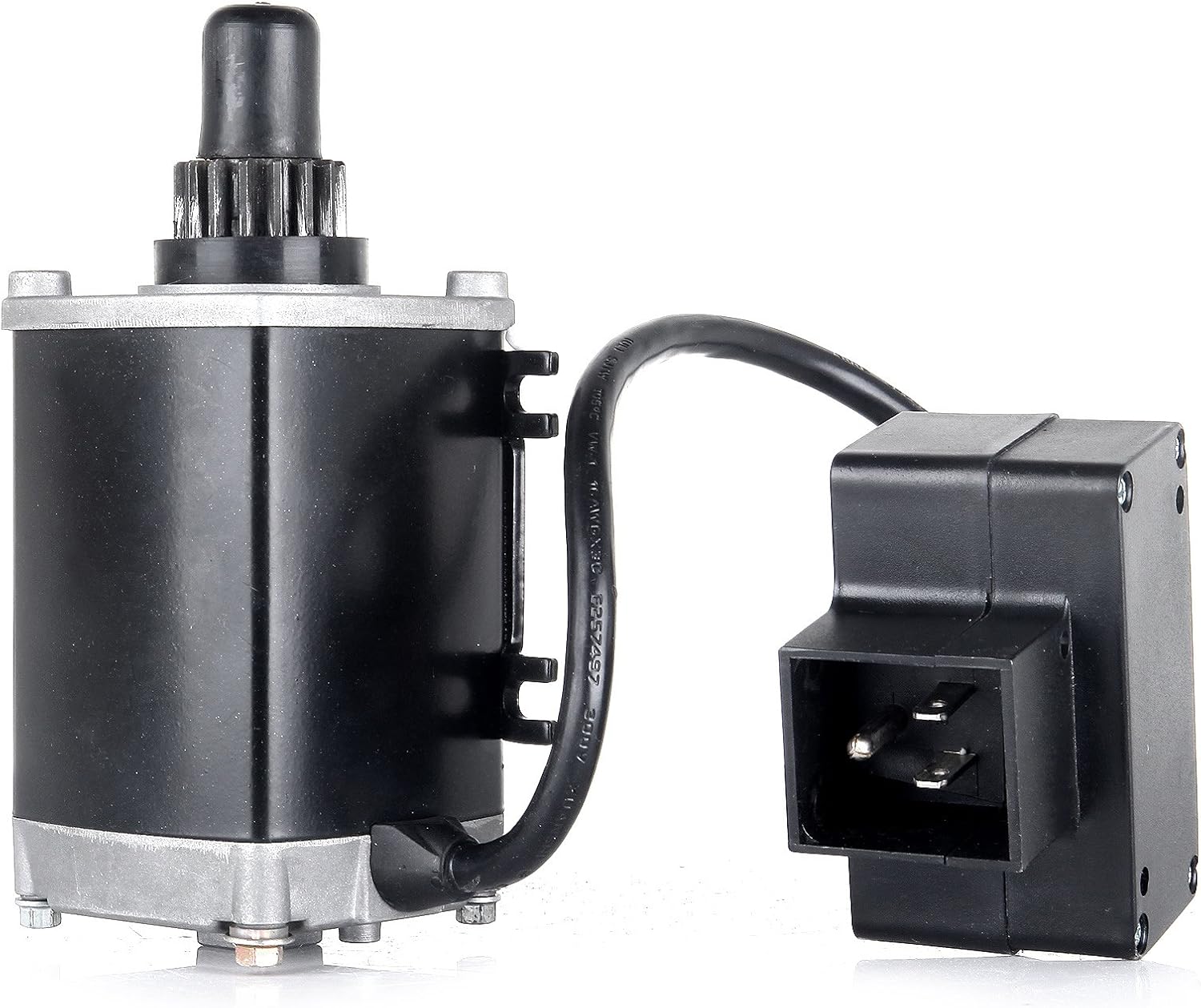
Arrowhead
See current price


Snow Joe
See current price


Earthwise Power Tools by ALM
See current price


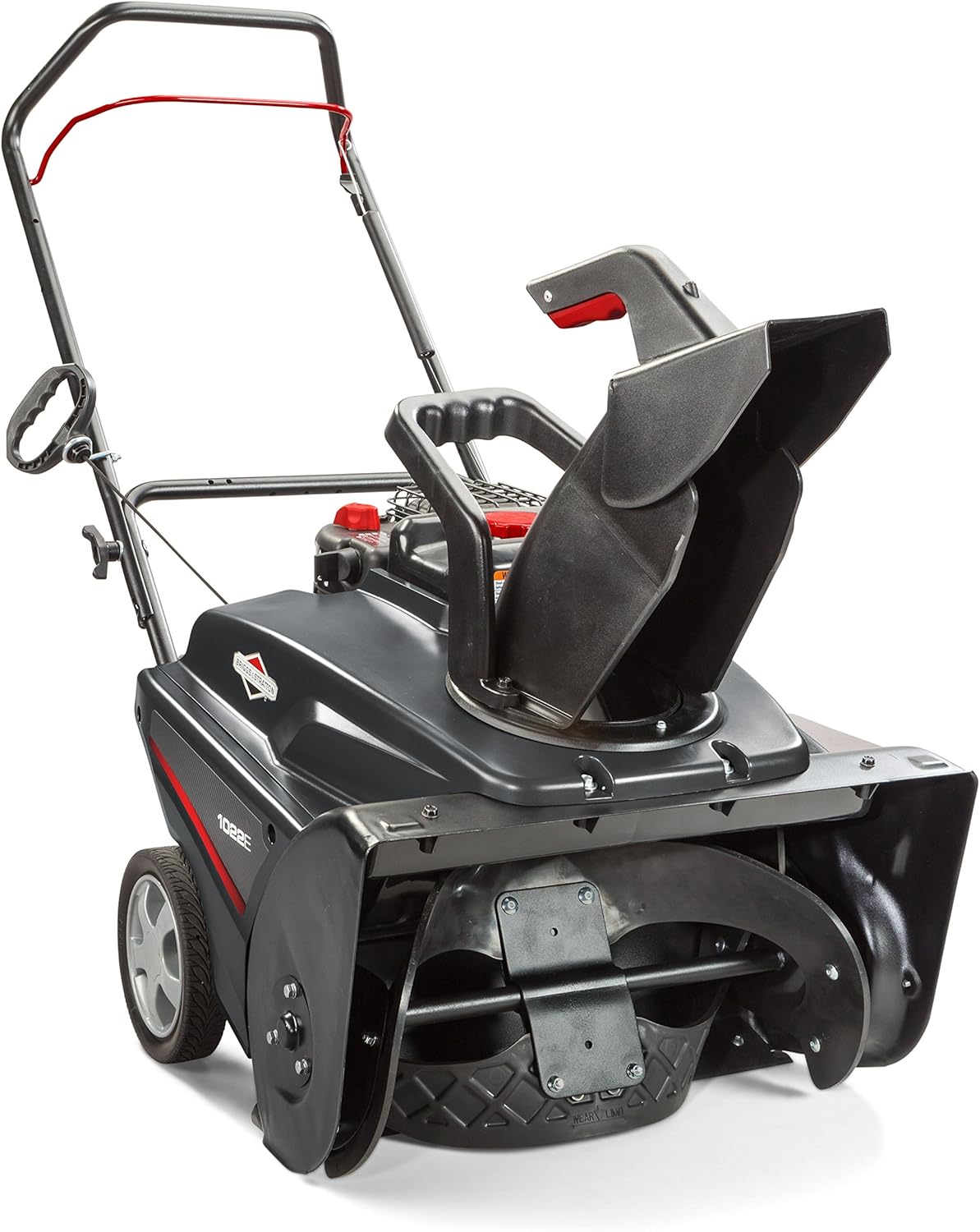
Briggs & Stratton
See current price
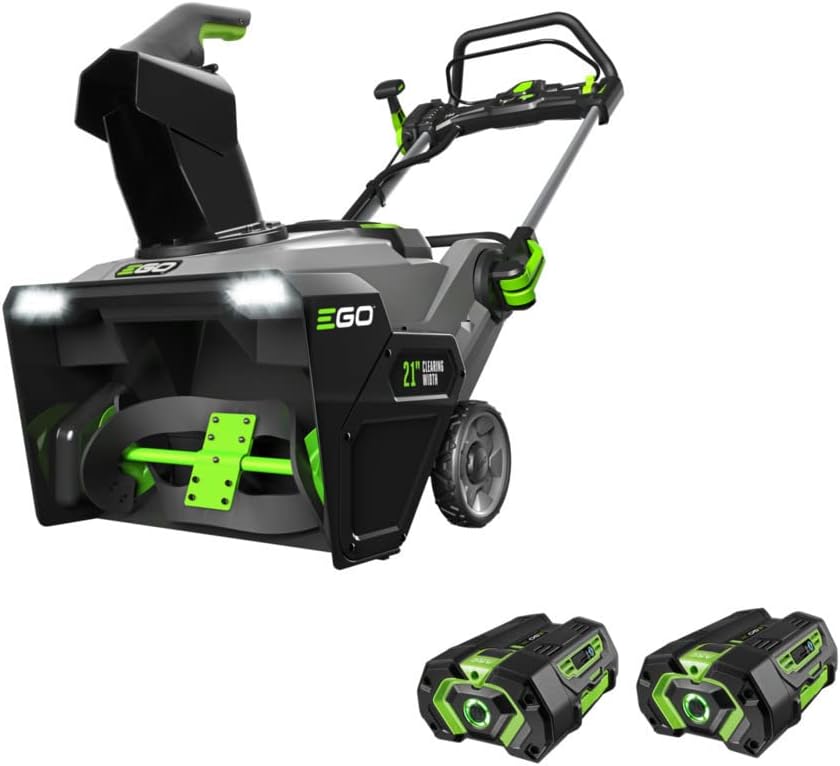
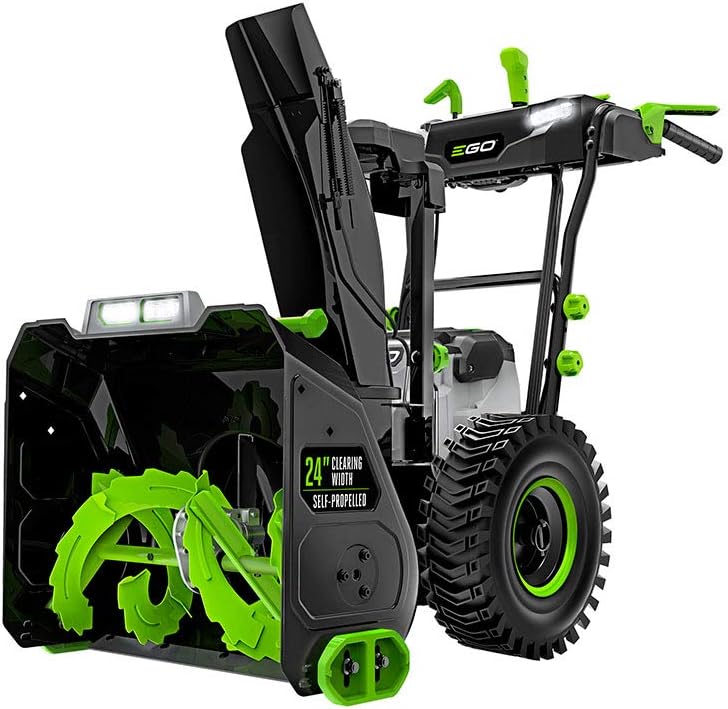


Snow Joe
See current price

Earthwise Power Tools by ALM
See current price


Snow blowers are designed to move accumulated snow from driveways, walkways, patios, and other outdoor surfaces more efficiently than a shovel. The right choice depends on the typical depth and texture of snowfall, the area you need to clear, access to power, and how much storage space is available between storms.
This K-Catalog page brings together snow blower products for side-by-side specification and feature comparison. Use the details provided for each product to narrow your options, then check the current listing on Amazon before buying.
Start with the conditions the machine will face. Light, powdery snow is generally easier to move than wet, compacted, or partially frozen snow. A compact blower may suit a small walkway or occasional cleanup, while a larger design can be more appropriate for broad driveways and repeated snowfall.
Consider these factors before comparing individual products:
Corded electric models can be convenient where an outdoor power connection is available. They may work well for smaller clearing areas, but cord length, outdoor-rated extension-cord requirements, and cable management should be considered carefully.
Battery-powered models avoid a trailing cord and can be easier to maneuver around a property. Compare battery system details, included components, charging requirements, and expected operating time. If the battery or charger is sold separately, confirm what is included before ordering.
Gas-powered machines can be useful for shoppers who want a fuel-powered option for larger areas or locations without a convenient electrical connection. Compare starting method, fuel requirements, maintenance access, and storage needs. Always follow the manufacturer’s outdoor-use and fuel-storage guidance.
Single-stage blowers typically use an auger to gather and discharge snow in one process. They can be a practical choice for lighter-duty clearing and smaller paved areas. Two-stage designs use a separate impeller to help move snow after collection, which can be useful for deeper accumulations or larger clearing jobs. Exact capability varies, so compare the listed intake dimensions and operating specifications rather than relying on type alone.
Pay close attention to the complete specification sheet. Clearing width and intake height are among the most useful measurements, but they do not tell the whole story. Compare the auger or impeller construction, discharge chute range, deflector adjustment, and whether controls can be changed from the operator position.
For powered models, check motor or engine information, voltage where listed, battery compatibility, charging equipment, and operating controls. For all designs, look at wheel size, traction features, handle configuration, scraper or skid components, and the method used to adjust the chute.
If noise, cleanup, or nighttime clearing matters, review any listed operating details and lighting features. A headlight, ergonomic controls, or an easy-to-use chute can make repeated clearing more manageable, but these features should be weighed against the machine’s size and storage requirements.
Snow blowers in this catalog include products from Snow Joe, Earthwise Power Tools by ALM, PowerSmart, Greenworks, Briggs & Stratton, Worx, EGO Power+, Arrowhead, SuperHandy, WEN, Arnold, and Amerisun Inc. These brands are represented across the catalog; compare each product’s specifications, included equipment, compatibility details, and intended use rather than choosing by brand name alone.
A snow blower may be part of a broader winter-maintenance setup. For narrow paths, steps, or small amounts of snow, compare Snow Shovels as a manual alternative. Replacement augers, belts, skids, and other maintenance items can be found in Snow Blower Replacement Parts.
For ice and traction management, see De-Icers & Salt Spreaders. Snow Rakes can help address snow on suitable roof areas, while Snow Blower Accessories may include equipment intended to support operation, storage, or maintenance. Browse the broader Snow Removal category to compare additional tools.
Choose based on the area to clear, typical snow depth, surface type, and available storage. Compare clearing width and intake height, then consider maneuverability in tight spaces.
Some may be designed for more demanding conditions, but capability varies by product. Check the listed intake dimensions, power information, auger design, and manufacturer guidance for wet or deep snow.
Corded models require access to a suitable outdoor outlet and careful cord management. Battery-powered models offer cordless movement but require attention to battery capacity, charging, and included accessories.
A single-stage design may suit lighter clearing and smaller paved areas. A two-stage design may be better suited to deeper snow or larger jobs, but compare the actual specifications for each product.
Confirm the exact product compatibility, part type, dimensions, and included hardware. Use the manufacturer’s product information when matching parts to an existing snow blower.