

Snow Shovels: Compare Blades, Handles & Features
Compare snow shovels by blade design, handle comfort, materials, and intended use. Find practical guidance for clearing driveways, walkways, steps, and other areas around the home.
126 products in catalog
126 results
Filters


True Temper
True Temper 193055510 Telescoping Snow Roof Rake with Aluminum Handle, 17-Foot
See current price
True Temper
True Temper 193055510 Telescoping Snow Roof Rake with Aluminum Handle, 17-Foot
See current price


True Temper
True Temper ABTT5212 Telescoping Scratch-Free End Scraper and Cushioned Grip, 52-Inch Snow Brush
See current price


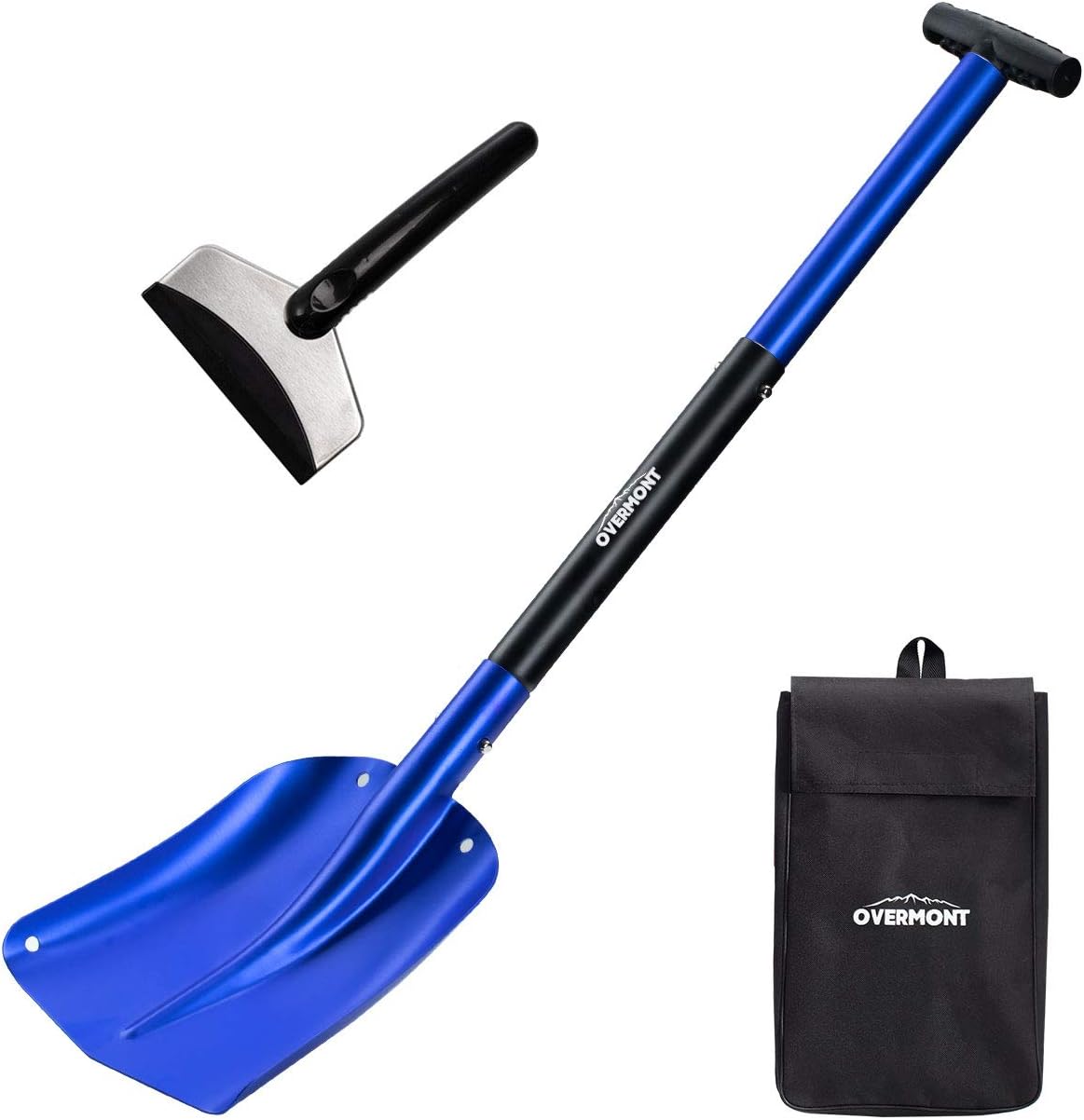


Bully Tools
Bully Tools 92814 Combination Snow Shovel with Fiberglass D-Grip Handle, 22-Inch
See current price

Snow Joe
Snow Joe 24V-SS11-XR 24-Volt 11-Inch 5-Ah Cordless Snow Shovel, Kit (w/5-Ah Battery + Quick Charger)
See current price
Popular brands in Snow Shovels
Snow shovels are useful for clearing fresh snowfall from paths, steps, decks, vehicles, and smaller paved areas. The right design depends on the type of snow, the surface being cleared, the size of the area, and how much lifting or pushing you want to do.
This K-Catalog category brings together snow shovels from brands including Snow Joe, Suncast, True Temper, ORIENTOOLS, Garant, Manplow, Bully Tools, THE SNOWPLOW, Trazon, MTB SUPPLY, Ohuhu, and multifun. Compare specifications and features, then check the current product details on Amazon before choosing.
How to choose a snow shovel
Start by considering how snow is usually cleared around your property. A compact scoop can be practical for steps, narrow walkways, vehicles, and smaller areas. A wider shovel or pusher can cover more ground on driveways and paths, reducing the number of passes needed.
Think about whether you prefer to lift snow, push it, or use both methods. Scooping designs are suited to moving snow into piles, while push-style tools can help shift lighter accumulation without repeated lifting. A combination design may offer more flexibility when snowfall varies.
The snow’s condition also matters. Light, loose snow is generally easier to push or scoop, while wet or compacted snow places greater demands on the blade, handle, and user. For heavier accumulation, prioritize a sturdy construction and a grip that allows controlled movement.
Snow shovel designs to compare
Although products can vary in shape and construction, these common design differences are useful when comparing listings:
- Scoop shovels: Designed for lifting and throwing snow. Look for a blade size that balances clearing coverage with manageable loads.
- Snow pushers: Use a broad blade to move snow forward. They can be convenient for driveways and open walkways when the snow is not deeply packed.
- Combination shovels: Support both pushing and scooping, making them a versatile option for changing conditions.
- Ergonomic designs: May use a curved shaft, secondary grip, or adjusted handle position to reduce bending and improve leverage.
- Compact shovels: Easier to store and carry, making them useful for vehicles, porches, steps, or occasional clearing.
For roof-level snow, a standard ground shovel may not be the appropriate tool. Consider a dedicated Snow Rakes category when clearing snow from roofs is part of the task.
Key features and specifications
Blade width affects coverage and maneuverability. A wider blade can clear more with each pass but may be harder to control when loaded. A narrower blade can be easier to use in tight areas and around obstacles.
Pay attention to the blade shape and edge. A flat edge may suit smooth paved surfaces, while a shaped or curved blade can help guide snow during pushing. If clearing near delicate surfaces, check the product description for information about the edge and intended applications rather than assuming it is suitable for every material.
Handle length and design influence posture and leverage. A handle that is too short can require more bending, while one that is too long may feel difficult to control. Look for grip details, shaft shape, and any secondary handle that can improve stability during lifting or pushing.
Material and construction are also important. Compare the listed blade material, shaft material, reinforcement, and connection points. A lightweight design may be easier to carry, while a heavier construction can feel more substantial when working through dense snow. The best balance depends on the user’s strength, the typical snowfall, and the area being cleared.
Brands represented in the catalog
The snow shovel selection includes Snow Joe, Suncast, True Temper, ORIENTOOLS, Garant, Manplow, Bully Tools, THE SNOWPLOW, Trazon, MTB SUPPLY, Ohuhu, and multifun. These brands may offer different approaches to blade shape, handle design, portability, and construction. Use the specifications to compare individual products rather than selecting by brand name alone.
If snow removal involves powered equipment, Snow Blowers may be worth comparing for larger areas. Shovel users looking for replacement or maintenance components can also browse Snow Blower Replacement Parts and Snow Blower Accessories.
Practical snow-clearing tips
Clear snow before it becomes compacted whenever conditions allow. Push snow toward a planned collection area so piles do not block walkways, visibility, drainage, or access points. On steps and narrow paths, use controlled loads instead of overfilling the blade.
Store the shovel in a dry, accessible location and inspect the blade, handle, grip, and fasteners before the season. Avoid using a shovel on surfaces or materials that the product description excludes. For ice or stubborn accumulation, a shovel may work best alongside De-Icers & Salt Spreaders, selected according to the surface and local conditions.
Frequently asked questions
What type of snow shovel is easiest to use?
A design that matches the task is usually easiest. Pushers can suit open areas and lighter snow, while scoop or combination shovels offer more control when lifting is necessary.
Is a wider snow shovel always better?
Not necessarily. Wider blades cover more ground, but they can be harder to maneuver and heavier when full. Choose a width that suits the user and the clearing area.
What handle features should I compare?
Check handle length, shaft shape, grip style, and whether the shovel has a secondary handle. These features affect posture, leverage, and control.
Can snow shovels be used on every surface?
No. Review the product description for the intended surface and edge design. Use extra care on wood, decorative paving, delicate coatings, or other surfaces that can be scratched.
How should a snow shovel be stored?
Remove packed snow and moisture, inspect it for damage, and store it somewhere dry where it can be reached quickly during the next snowfall.