
TNNZEET
TNNZEET 3 Pack Biker Shorts for Women – 8" Buttery Soft High Waisted Yoga Cycling Workout Shorts
See current price

Compare triathlon gear for swimming, cycling, and running by fit, materials, compatibility, and intended use. K-Catalog helps you review product specifications before shopping.
16 products in catalog
16 results
TNNZEET
See current price


SLS3
See current price


TNNZEET
See current price
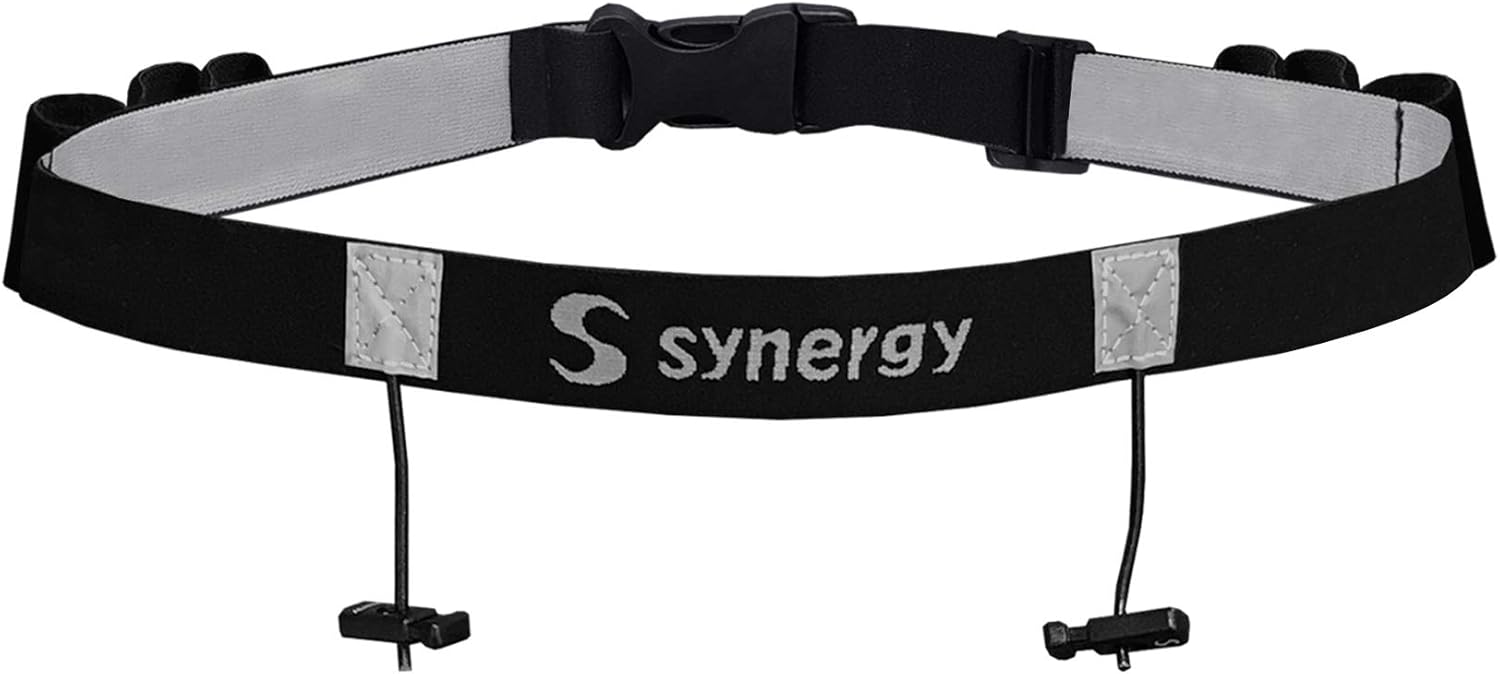


TNNZEET
See current price


Triathlon combines swimming, cycling, and running, so choosing the right equipment means looking at how each item supports a specific stage of training or race day. The best choice depends on your experience, event conditions, fit preferences, and how easily the gear works with the rest of your setup.
K-Catalog brings together triathlon products for shoppers who want to compare specifications and features in one place. Use the product information to narrow your options, then check the current details on Amazon before buying.
Start by identifying the discipline and situation the product is designed for. A beginner building a complete kit may prioritize versatility and comfort, while an experienced athlete may focus more closely on weight, aerodynamics, transition efficiency, or technical materials.
Consider these questions before choosing:
For event-specific planning, it can also help to browse Cycling and Water Sports for equipment related to the bike and swim portions of a triathlon.
Triathlon products can cover several parts of preparation and performance. Swim-focused items may emphasize a secure fit, freedom of movement, visibility, or resistance to water exposure. Look for construction details that suit the environment where you expect to train.
Cycling-related gear should be assessed for comfort in the riding position, secure adjustment, ventilation, and compatibility with your bicycle or accessories. If the product will be used during transitions, easy handling may be just as important as technical performance.
Running equipment generally benefits from a stable fit, low irritation, and materials suited to repeated movement. Products intended for all three disciplines may offer convenience, but dedicated items can provide a more specialized fit or function. Compare the trade-offs rather than assuming one approach suits every athlete.
Product specifications can reveal important differences that are not obvious from a product name alone. Pay attention to:
Compatibility deserves special attention. Accessories should work with the equipment you already own, and apparel should allow the movement needed for each discipline without restricting your stroke, pedal position, or running stride.
The Triathlon catalog includes products from TNNZEET, Synergy, Sundried, Sparx Sports, Santic, MY KILOMETRE, TYR, Neo-Sport, and SLS3. These brands are represented across the available selection, but the right choice still depends on the individual product’s specifications, sizing information, materials, and intended use.
When comparing products from different brands, focus on like-for-like details. Check whether two items are designed for the same discipline, environment, and level of use before comparing construction or included features. Brand familiarity can help with initial browsing, but product-level information should guide the final decision.
Test the fit and adjustment of new equipment during training rather than waiting until an event. This gives you time to identify rubbing, slipping, restricted movement, or compatibility problems. It is also useful to practice transitions with the equipment you expect to use so that straps, fasteners, and accessories are familiar.
After swimming, rinse items that have been exposed to chlorine or salt water when the care instructions allow it. Dry gear thoroughly before storage, avoid leaving it compressed or damp for long periods, and inspect closures or elastic components regularly. For apparel, follow the manufacturer’s washing guidance instead of relying on assumptions about fabric care.
Browse the broader Sports catalog for additional activity equipment, or compare adjacent options such as Team Sports when shopping for general athletic apparel and accessories.
Prioritize a comfortable fit, straightforward adjustment, durable materials, and equipment that can be used for both training and event preparation. Clear sizing and care instructions are especially useful.
Not always. Some products are designed for multiple stages, while others focus on swimming, cycling, or running. Choose based on the conditions, movement, and compatibility requirements of your routine.
Compare products with the same intended use, then review materials, sizing, adjustability, care requirements, and compatibility. Product descriptions and specification fields can help identify meaningful differences.
Fit is foundational. Advanced materials or extra features are less useful if an item slips, chafes, restricts movement, or does not work with the rest of your equipment.
Use the product’s care instructions, rinse suitable swim gear after exposure to treated or salt water, dry items fully, and store them in a clean, dry place. Inspect gear regularly for wear.