
Sun Joe
Sun Joe TJ602E Electric Garden Tiller + Cultivator, 12-inch, 8-Amp, 3-Position Height Adjustment
See current price

Compare tillers by power source, tine configuration, working width, depth, and handling features. Use the listed specifications to find equipment suited to beds, rows, or larger soil-preparation tasks.
53 products in catalog
53 results
Sun Joe
See current price

Earthwise Power Tools by ALM
See current price

Earthwise Power Tools by ALM
See current price
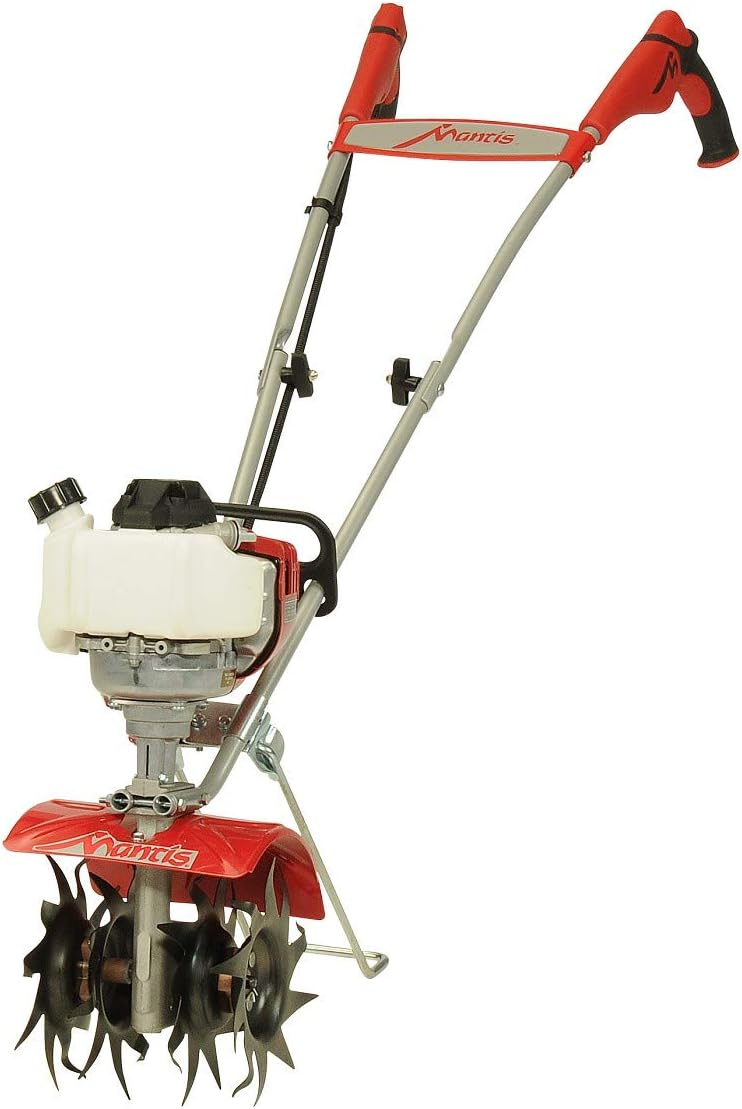

Earthwise Power Tools by ALM
See current price

BLACK+DECKER
See current price
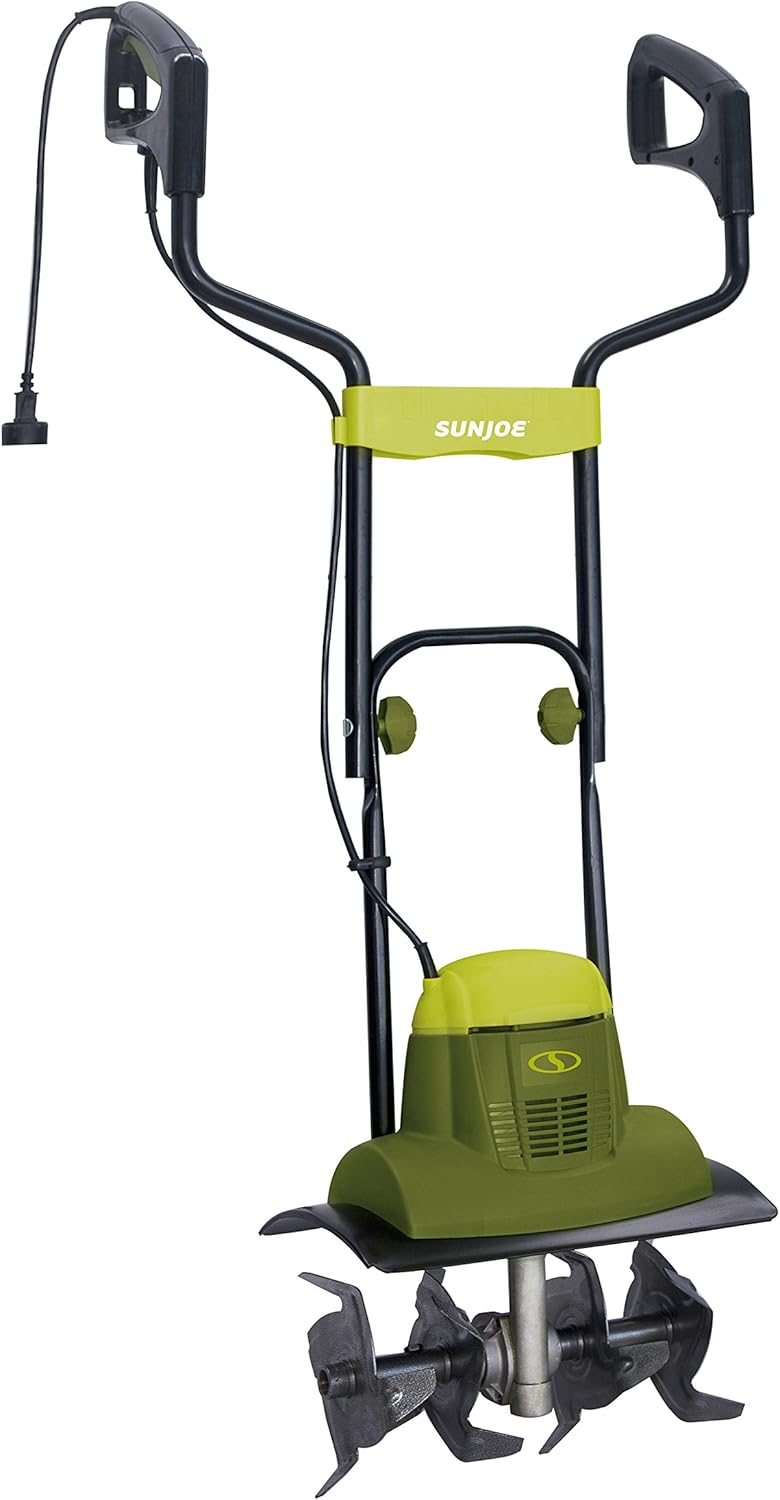
Sun Joe
See current price
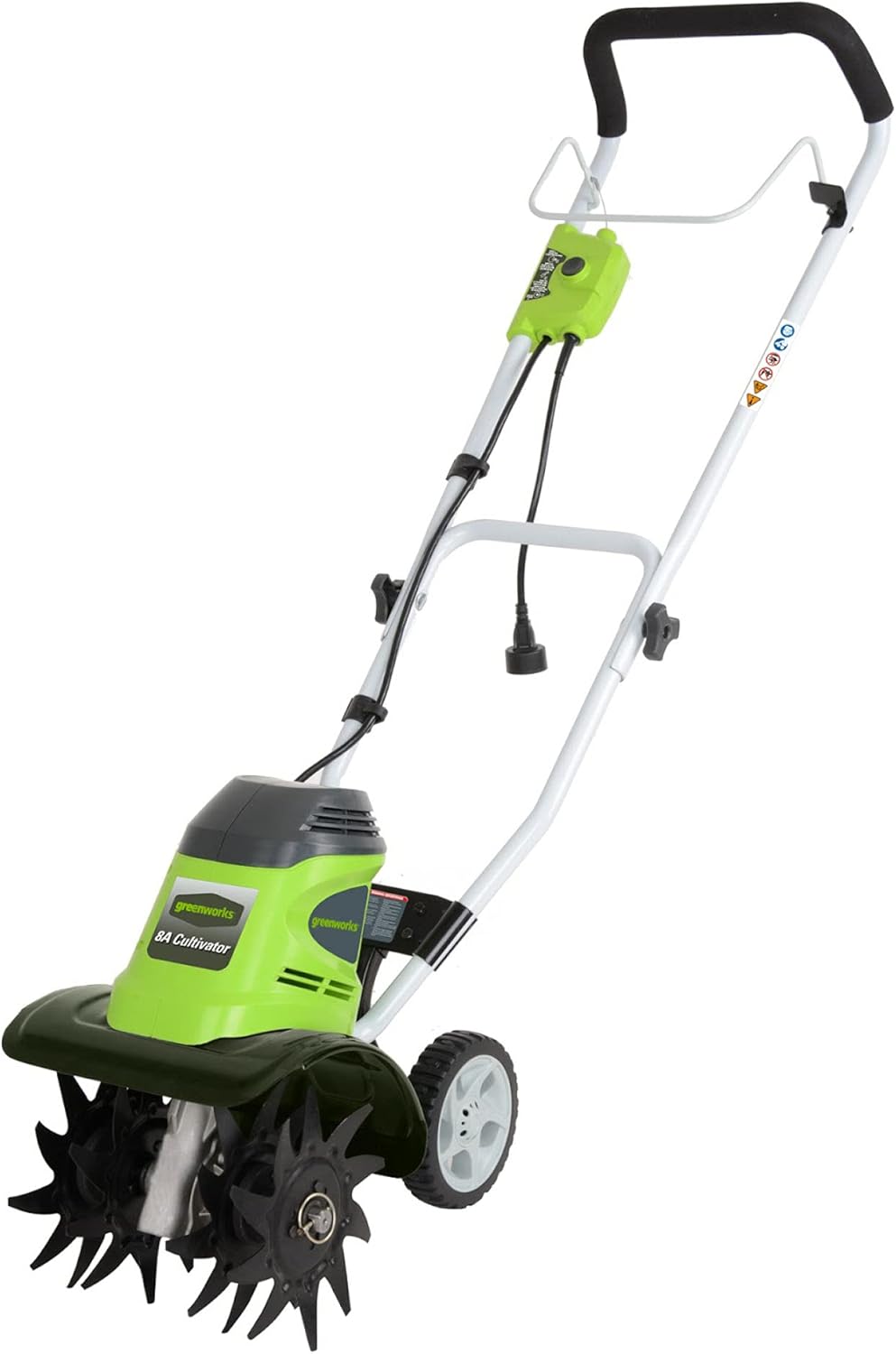


Sun Joe
See current price


Earthwise Power Tools by ALM
See current price


Earthwise Power Tools by ALM
See current price

Scotts Outdoor Power Tools
See current price


EarthWise
See current price


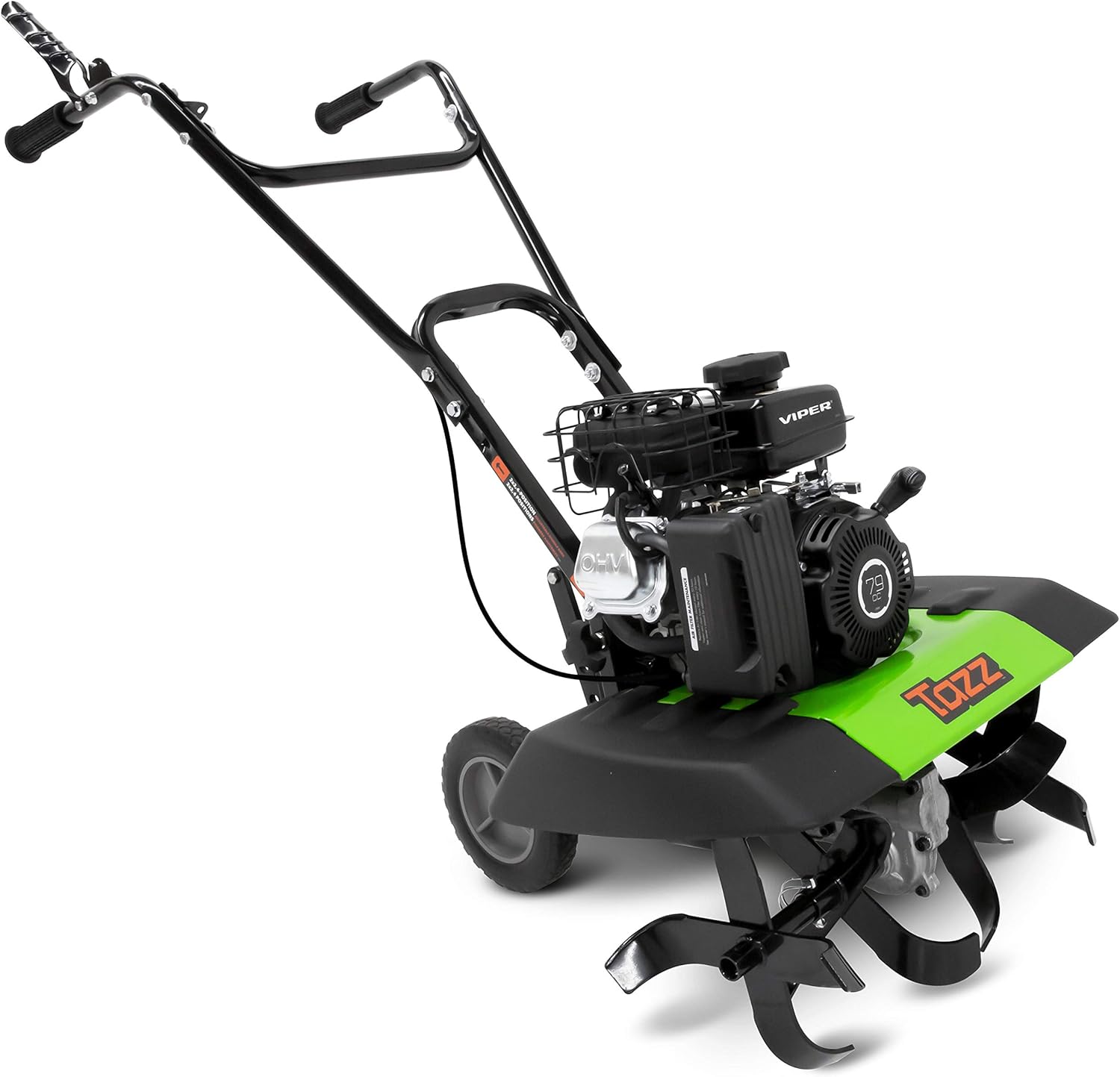

Trimmer Plus
See current price
Tillers break up and loosen garden soil before planting, help incorporate compost or amendments, and can make seasonal bed preparation easier. The right choice depends on the size and condition of the area, the soil you work with, and how much maneuverability you need.
K-Catalog lists tillers from brands including Mantis, Earthwise Power Tools by ALM, EARTHQUAKE, Sun Joe, Greenworks, Scotts Outdoor Power Tools, EarthWise, Troy-Bilt, SuperHandy, and others. Compare each product’s specifications and features, then check the current listing for availability and purchasing details.
Start by considering the work area and soil conditions rather than choosing by appearance alone. A compact tiller may be easier to guide around raised beds, narrow rows, and established plantings. A larger or more powerful machine may be more appropriate for breaking new ground or working dense soil, provided you have enough room to maneuver and store it.
Key decisions include:
The main tiller designs differ in how they move through soil and where they are most convenient to use. Compact cultivators are useful for smaller garden areas, light cultivation, and working around plants. They are generally easier to store and reposition, but their size may be less suitable for extensive or heavily compacted ground.
Front-tine tillers place the working tines ahead of the wheels and can offer useful maneuverability for garden beds. They may require more active guidance, especially when the tines encounter roots, hard soil, or stones.
Rear-tine tillers are designed with the tines behind the wheels and are often considered for larger areas or more demanding soil preparation. Compare the tine rotation, wheel arrangement, and controls carefully, since these details affect how the machine advances and how much effort is needed to guide it.
Some models are intended for cultivation as well as tilling. If you want to maintain existing beds, check whether the listed attachments or tine settings support shallow cultivation without disturbing nearby plants.
Product listings can vary considerably in the specifications they emphasize. Focus on details that affect real use:
Also consider storage. A tiller that is easy to transport, fold, or keep upright may be more practical when shed space is limited. For replacement components or compatible add-ons, browse Replacement Parts & Accessories.
Remove large stones, branches, wire, and other debris before tilling. Mark irrigation lines and avoid areas where buried utilities may be present. Read the product’s instructions before assembly and operation, especially for tine installation, depth adjustment, and control use.
Wear suitable eye and hearing protection, sturdy footwear, and clothing that cannot catch on moving parts. Keep people and pets away from the work area, and disconnect the power source or stop the engine before clearing wrapped roots or debris. Avoid forcing the machine; allowing the tines to work at an appropriate pace can provide better control.
For routine care, clean soil from the tines after use and inspect fasteners, guards, wheels, cables, and controls. Follow the manufacturer’s schedule for lubrication, air filters, spark plugs, fuel handling, battery care, and other service requirements. Other outdoor equipment categories, including String Trimmers and Chainsaws, may also be useful when preparing and maintaining a garden area.
The Tillers catalog includes Mantis, Earthwise Power Tools by ALM, EARTHQUAKE, Sun Joe, Greenworks, Scotts Outdoor Power Tools, Davis Instruments, EarthWise, Troy-Bilt, Trimmer Plus, SuperHandy, and Zama. Brand availability varies by product, so compare the specifications of individual listings rather than relying on the brand name alone. Pay particular attention to power source, tine layout, working dimensions, included equipment, and maintenance requirements.
A tiller is generally used for deeper or more intensive soil preparation, while a cultivator is typically suited to loosening surface soil and maintaining existing beds. Product descriptions may use the terms differently, so check the listed working depth and intended use.
A compact, maneuverable model with an appropriate working width may be easier to use in raised beds, narrow rows, or confined spaces. Compare its depth control, weight, handle design, and power source with the layout of your garden.
Electric models generally avoid fuel-related maintenance, but they still require cleaning, inspection, and proper care of the cord or battery. Gas models require additional attention to fuel, engine components, and seasonal storage.
Both matter, but they serve different purposes. Width affects how much soil can be covered in a pass, while depth affects how deeply the soil is loosened. Select settings based on bed size, existing soil condition, and the type of planting preparation required.
Check the power source, tine configuration, working width and depth, operating controls, weight, transport features, maintenance needs, and included accessories. Confirm that the design matches the soil and space where you plan to use it.