
eCustomRim
2-Pk Trailer Tire On Rim ST205/75D15 F78 205/75 LRC 5 Lug White Spoke Wheel
See current price

Compare complete tire and wheel assemblies by fitment, load capacity, tire construction, wheel dimensions, and intended use before checking current availability on Amazon.
68 products in catalog
68 results
eCustomRim
See current price


Antego Tire & Wheel
See current price

eCustomRim
See current price


Golf Cart Tire Supply
See current price
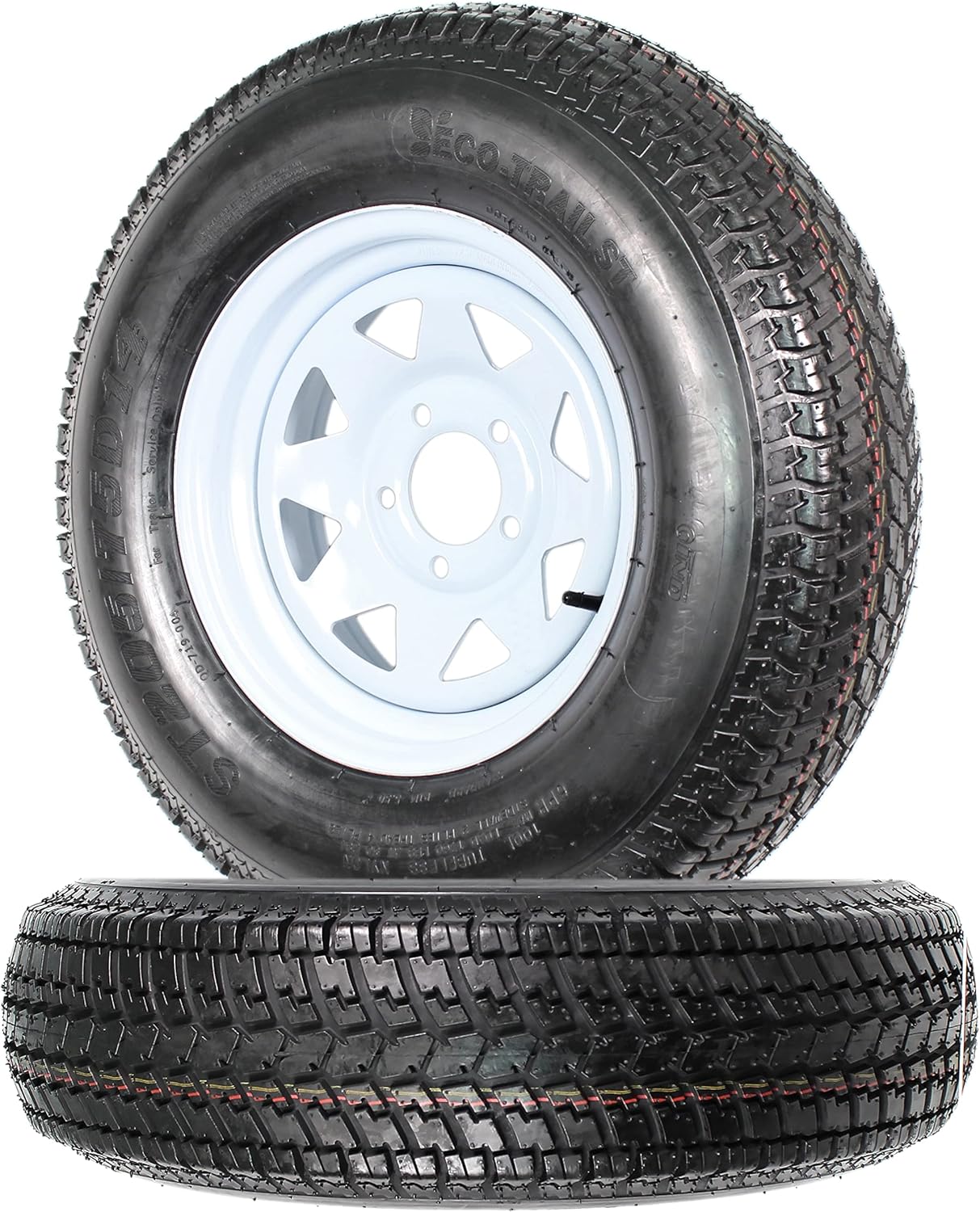

eCustomRim
See current price
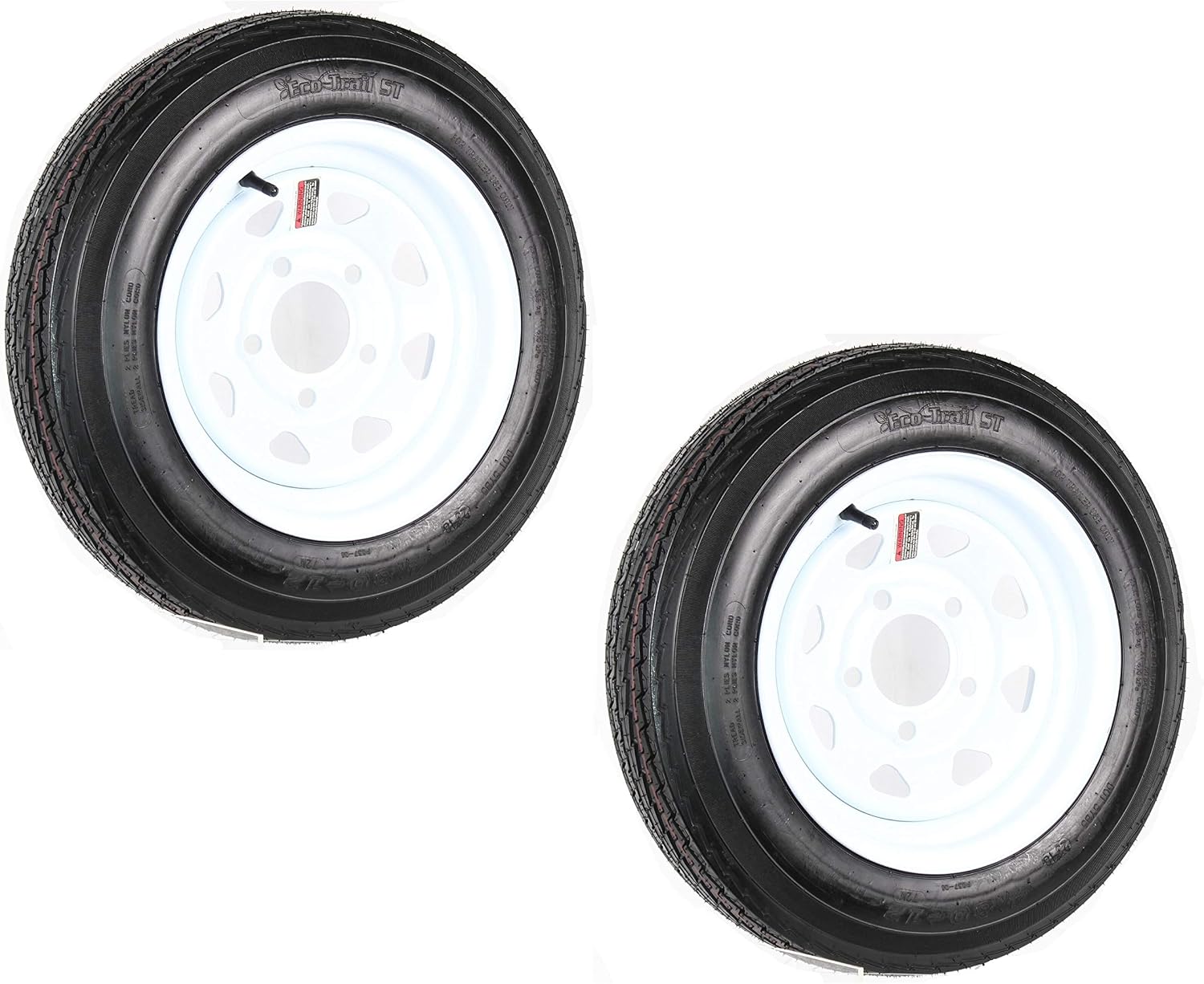

Golf Cart Tire Supply
See current price
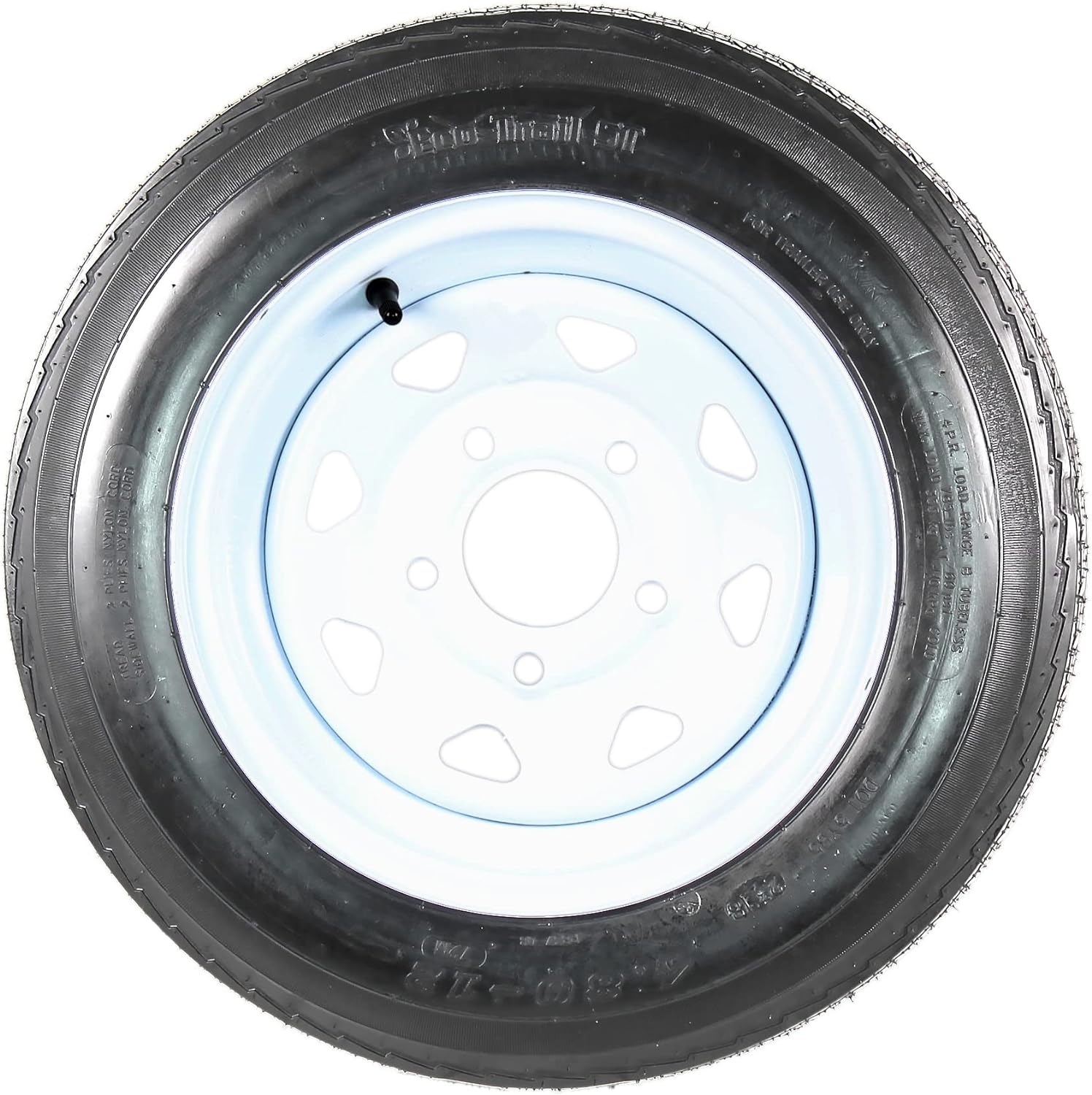
eCustomRim
See current price

Antego Tire & Wheel
See current price

Antego Tire & Wheel
See current price

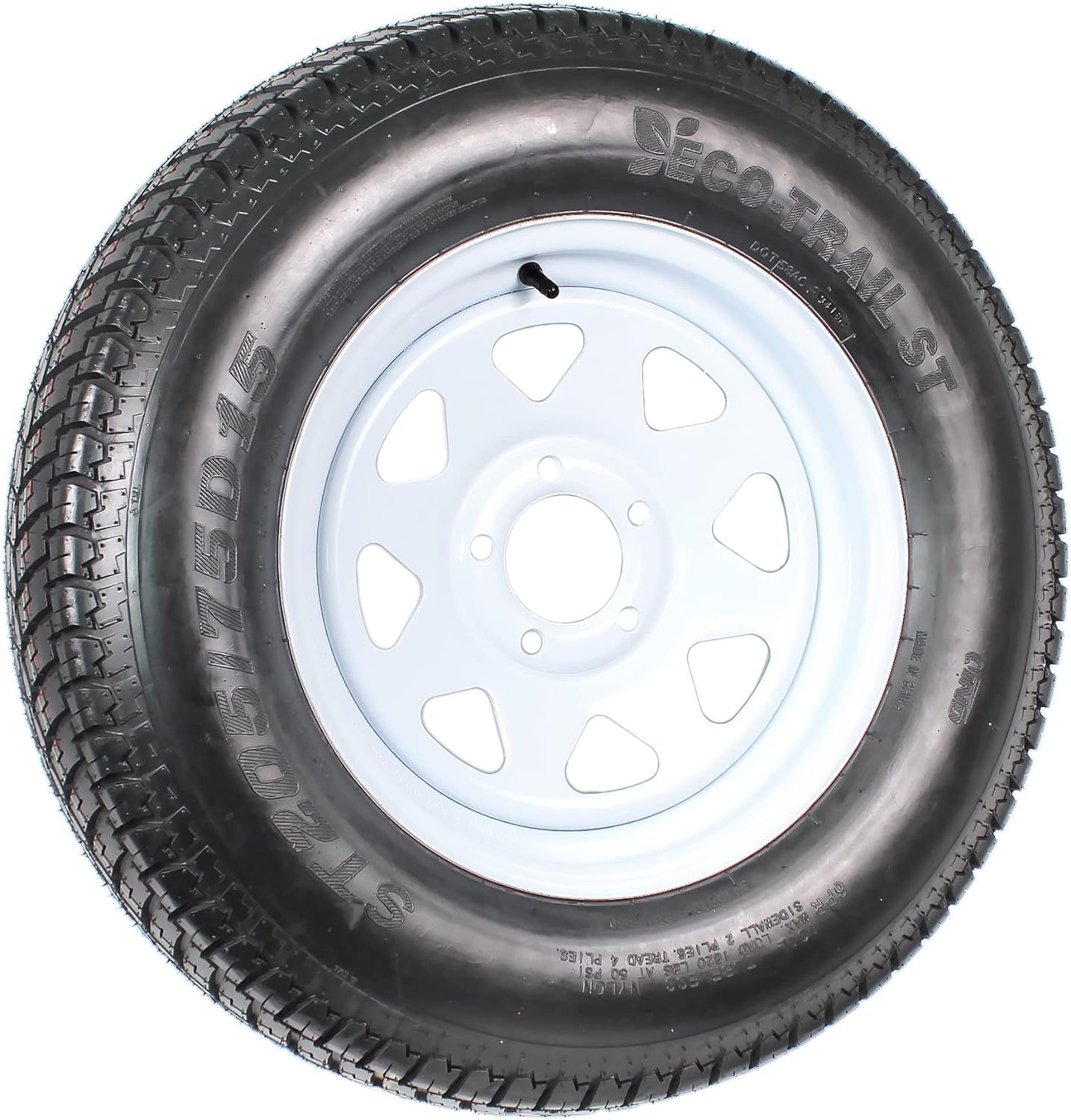
eCustomRim
See current price

eCustomRim
See current price

eCustomRim
See current price

eCustomRim
See current price
eCustomRim
See current price
eCustomRim
See current price
eCustomRim
See current price
eCustomRim
See current price
Tire and wheel assemblies combine a tire with a mounted wheel, making them a practical option when replacing a complete setup or preparing a trailer, utility vehicle, lawn and garden machine, or other equipment. The right assembly depends on more than appearance: fitment, load capacity, tire design, and operating conditions all matter.
Use this K-Catalog selection to compare specifications and features across available assemblies. Always confirm the product details against your vehicle or equipment requirements before buying.
Start with the application. A trailer assembly may need different load and construction characteristics than an assembly for a golf cart, utility cart, agricultural implement, or light recreational vehicle. Consider where the assembly will be used, how much weight it must support, and whether it will travel on pavement, gravel, grass, or mixed surfaces.
Check the original equipment information, owner’s manual, or existing tire and wheel before comparing listings. Important details may include:
A complete assembly can simplify replacement, but it is only useful if every fitment dimension matches. If the listing does not clearly provide a specification you need, seek confirmation before ordering.
The catalog does not divide these products into separate subcategories, so comparing by intended use is a helpful way to narrow the selection. Trailer-oriented assemblies are typically evaluated around load support, highway suitability, fender clearance, and compatibility with the trailer hub. Utility and equipment assemblies may require attention to tread pattern, ground clearance, and the conditions where the equipment operates.
Golf cart and small-vehicle assemblies call for careful checking of wheel fitment, tire diameter, and available clearance. For a broader look at individual components, browse Tires and Wheels. Accessories & Parts may also be useful when you need related replacement or installation items.
Fitment is the first priority. A wheel can look suitable while still having the wrong bolt pattern, offset, center bore, or width. Compare the assembly’s listed dimensions with the specifications for the vehicle or equipment, and check whether spacers, adapters, or special lug hardware are prohibited or unnecessary.
Load capacity should match the complete application. Consider the combined weight of the vehicle or trailer, cargo, passengers, and any equipment. The assembly should not be selected solely by tire appearance. Check the stated tire and wheel capacity, then account for how weight is distributed across the installed assemblies.
Tread and construction affect intended use. A highway-oriented tread may be appropriate for regular road travel, while a more open tread can be worth considering for unpaved or grassy surfaces. Bias-ply and radial construction can differ in ride characteristics, flexibility, and typical application, so use the manufacturer’s description and your equipment requirements as the guide.
Also compare the wheel material and finish, sidewall information, speed or service markings where provided, valve configuration, and whether the assembly arrives mounted and ready for installation. Confirm that the tire’s overall diameter will provide adequate clearance from the frame, suspension, bodywork, and fenders.
Brands represented in this catalog include eCustomRim, Golf Cart Tire Supply, Antego Tire & Wheel, Kenda, MASSFX, Kenda Loadstar, Eco Trailer Tire and Wheel, AFT PRO USA, Usnyabni, InTow, Bestroad, and RamPro. Treat brand as one comparison point rather than a substitute for checking dimensions, capacity, and application details. Specifications can vary between products from the same brand.
Before installation, inspect the tire, wheel, valve stem, and mounting area for visible damage. Use suitable lug hardware and follow the vehicle or equipment manufacturer’s tightening procedure. After installation, verify clearance by turning or moving the equipment through its normal range of motion, where applicable.
Maintain the pressure specified for the particular application rather than relying on a general assumption. Periodically check pressure, tread condition, sidewalls, lug tightness, and signs of uneven wear. Trailer and equipment assemblies may sit for extended periods, so storage conditions and age-related tire condition deserve attention even when tread appears usable.
Listings in this category are intended to be compared as tire-and-wheel combinations, but confirm exactly what is included in each product description, including mounting and any hardware.
Match the tire size, wheel dimensions, bolt pattern, center bore, offset or backspacing, and clearance requirements with the vehicle or equipment specifications. When information is missing, contact the seller before ordering.
The appropriate construction depends on the application, road use, load requirements, and manufacturer guidance. Compare the stated construction with how and where the equipment will operate.
It is essential. Account for the full operating weight, including cargo and passengers where relevant, and compare that total with the assembly’s stated capacity and the vehicle manufacturer’s requirements.
A different tire diameter can affect fender, suspension, gearing, handling, and speedometer clearance. Do not change size without confirming that the vehicle or equipment is designed to accommodate it.