

Tires: Compare Types and Specifications
Compare tires by vehicle fitment, season, tread design, load capacity, and performance goals. K-Catalog helps shoppers review specifications and features before visiting Amazon.
360 products in catalog
360 results
Filters
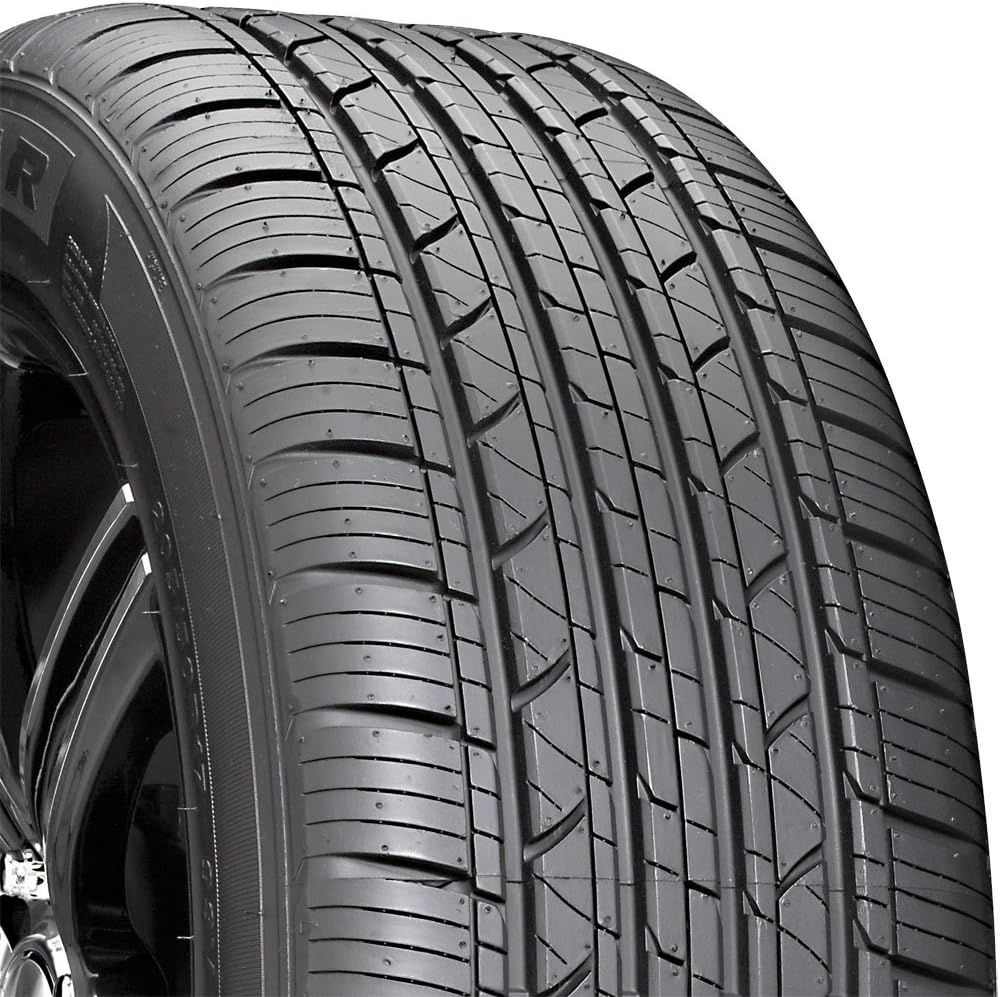

Grand Ride
Set 4 Free Country Trailer Tires ST 175/80R13 6 ply Load Range C w/Scuff Guard 11151
See current price

Grand Ride
2 Premium Trailer Tires ST235/80R16 Radial 10PR Load Range E w/Side Scuff Guard …
See current price






Popular brands in Tires
Choosing the right tires involves more than matching a familiar brand to a vehicle. The correct option must fit the wheel, support the vehicle’s load, suit local driving conditions, and deliver the handling characteristics you expect.
Use this K-Catalog category to compare tire specifications and features from brands represented in the catalog. Always confirm the details against your vehicle’s documentation, the information printed on the current tires, and the tire manufacturer’s fitment guidance.
How to choose tires
Start by identifying the required tire size and service specifications. This information is commonly found on the driver-side doorjamb label, in the owner’s manual, or on the sidewall of the tires currently installed. Match the full designation rather than relying only on the vehicle make and model.
Next, consider how and where the vehicle is driven:
- Daily commuting: Look for balanced handling, predictable wet-road grip, and a tread design suited to regular road use.
- Highway driving: Stability, road comfort, and consistent performance at sustained speeds may be priorities.
- Rain-prone conditions: Channel and groove design can help move water away from the contact patch, while the rubber compound affects wet traction.
- Light-duty or utility use: Check load capacity and construction details carefully, especially when carrying equipment or cargo.
- Seasonal driving: Choose a tire type appropriate for the temperatures and road conditions in your area rather than treating all-season labeling as universal protection.
The best choice depends on the balance of safety, comfort, durability, traction, and operating conditions—not simply on the most aggressive tread or the lowest purchase cost.
Tire types to compare
The catalog does not separate Tires into listed subcategories, so shoppers may need to compare product descriptions and specifications directly. Common categories include all-season, summer, winter, touring, performance, all-terrain, and trailer tires.
All-season tires are designed for broad everyday use and may suit drivers who experience changing conditions without severe winter weather. Summer tires generally emphasize warm-weather grip and handling. Winter tires use designs and compounds intended for cold conditions, snow, and ice; they are not interchangeable with all-season options for every climate.
Touring tires often focus on a composed ride and practical road manners, while performance tires may prioritize steering response and cornering. All-terrain tires can be relevant for vehicles that alternate between paved roads and lighter off-road surfaces. Trailer tires require especially careful attention to load capacity, construction, and intended application.
For a wider vehicle setup comparison, browse Tire & Wheel Assemblies. Shoppers selecting tires and wheels separately can also review Wheels.
Key specifications and features
Size and fitment are essential. Confirm width, aspect ratio, wheel diameter, construction type, and the complete service description. A tire that appears visually compatible may still be unsuitable if its specifications do not match the vehicle or wheel.
Load capacity and speed rating should meet or exceed the vehicle manufacturer’s requirements. Drivers who regularly carry passengers, cargo, or towing loads should pay close attention to the applicable load specifications and maintain the recommended inflation pressure.
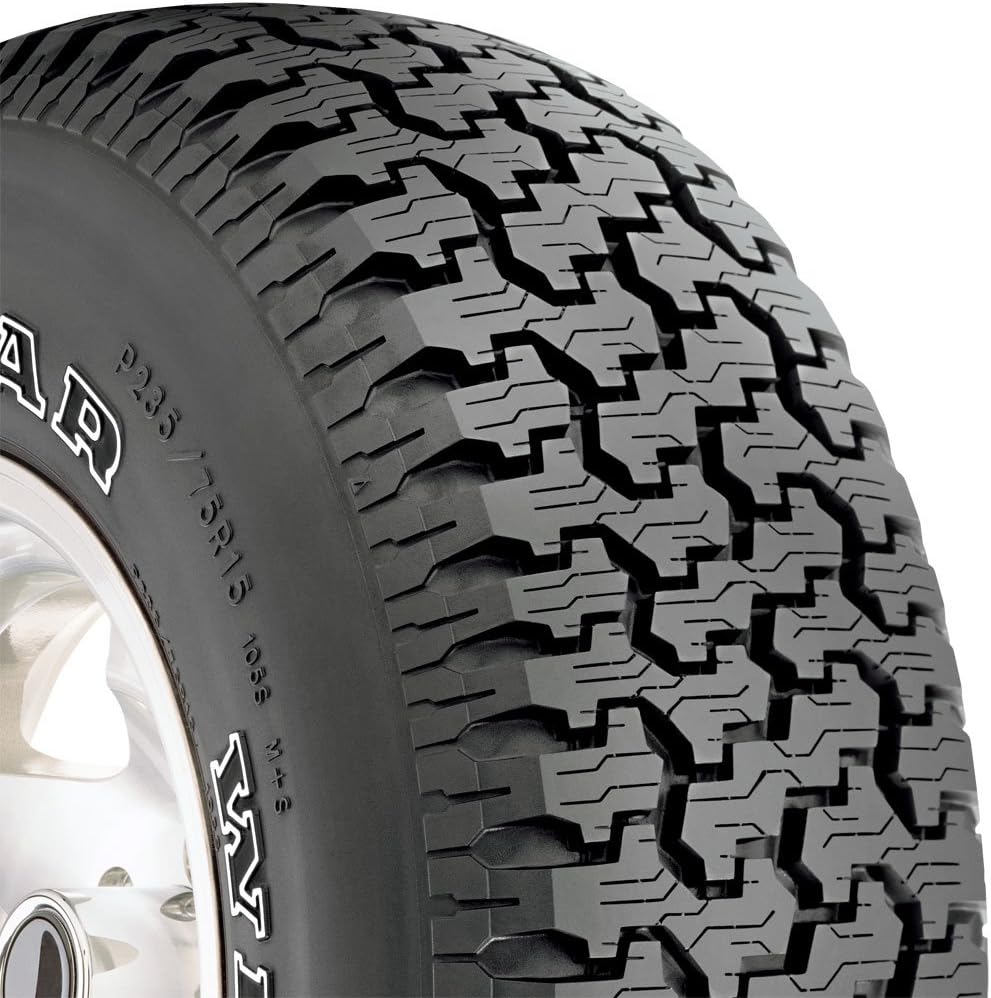
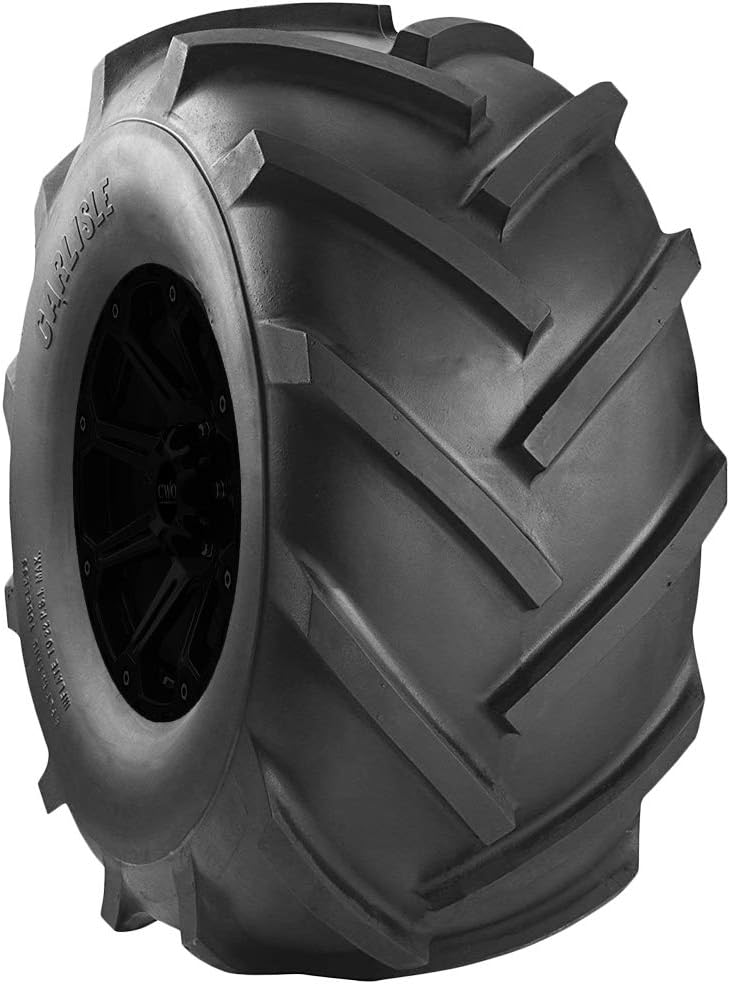
Tread pattern affects water evacuation, noise, steering feel, and traction on different surfaces. A more open pattern may be useful for certain loose surfaces, while a continuous rib design may favor stable highway tracking. Tread appearance alone does not establish suitability.
Other details worth comparing include sidewall construction, run-flat availability where applicable, rolling resistance, road-noise expectations, and whether the tire is intended for a car, SUV, light truck, trailer, or specialty vehicle. Check whether the listing includes one tire or a complete set before making a comparison.
Brands represented in the catalog
Tire shoppers can compare products from HANKOOK, WESTLAKE, Goodyear, Fullway, Carlisle, Achilles, NEXEN, Falken, Supermax, MILESTAR, Kumho, and Pirelli. These brands may cover different applications, vehicle types, and performance priorities, so brand name should be considered alongside the complete specification sheet and fitment information.
For valve components, installation-related items, and other supporting products, see Accessories & Parts. This can help when replacing related hardware or preparing for installation.
Installation, maintenance, and safety
Have tires installed by a qualified professional using equipment suitable for the tire and wheel. After installation, verify inflation pressure when the tires are cold and follow the vehicle manufacturer’s recommended pressure rather than the maximum pressure molded into the sidewall.
Inspect tires regularly for uneven wear, cracks, bulges, punctures, and embedded objects. Uneven wear can indicate alignment, suspension, inflation, or rotation issues. Tire rotation and balancing should follow the vehicle and tire manufacturer’s guidance.
When replacing fewer than all tires, ask a qualified technician about the safest placement and compatibility. Mixing tire types, tread patterns, or significantly different wear levels can affect handling. Replace a tire if its condition or service history makes it unsafe, even when tread appears usable.
Frequently asked questions
How do I find the correct tire size?
Check the vehicle’s doorjamb label, owner’s manual, or current tire sidewall. Confirm the complete size and service description, then compare it with the product’s fitment details.
Are all-season tires suitable for winter driving?
They may work for moderate seasonal changes, but suitability depends on local temperatures, snow, ice, and road conditions. Drivers facing severe winter weather should compare tires specifically designed for those conditions.
What does a tire’s load rating mean?
It indicates the maximum load the tire is designed to support under specified conditions. The rating should meet the vehicle manufacturer’s requirements and account for typical cargo or towing needs.
Should all four tires be the same?
Using matching tires is generally preferred for consistent handling. If replacing only some tires, confirm compatibility and placement with a qualified tire professional.
How often should tire pressure be checked?
Check pressure regularly when the tires are cold and before demanding trips. Use the vehicle manufacturer’s recommended pressure, adjusting for the vehicle’s load when applicable.