
Simplehuman
simplehuman 50 Liter / 13 Gallon Semi-Round Kitchen Step Trash Can with Secure Slide Lock, Black Plastic
See current price

Compare trash, recycling and compost containers by capacity, opening style, placement, materials and maintenance needs before choosing a practical fit for your home.
1,263 products in catalog
1,263 results
Simplehuman
See current price


Amazon Basics
See current price

Simplehuman
See current price

Simplehuman
See current price


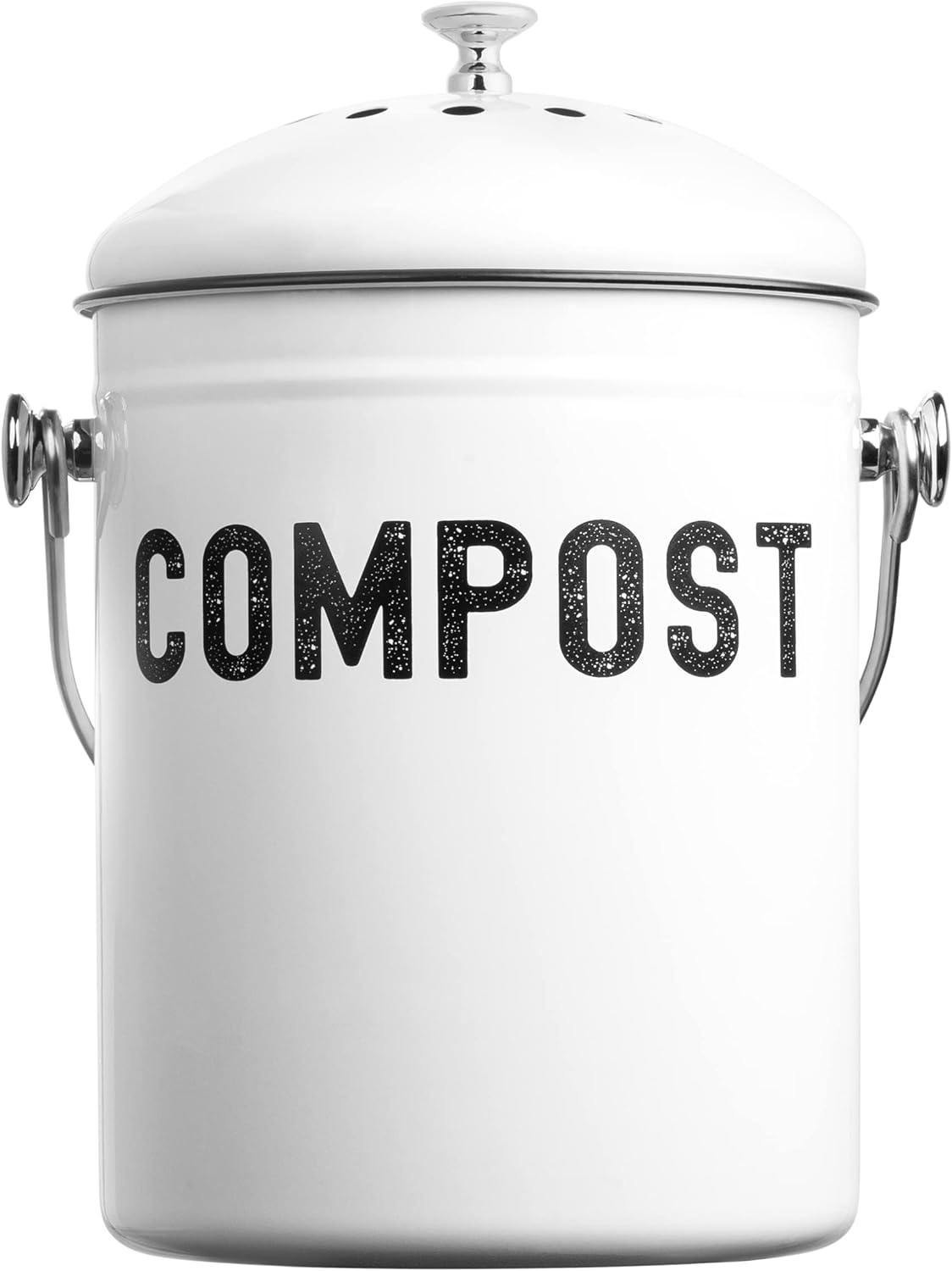


Rubbermaid
See current price
Rubbermaid
See current price

Simplehuman
See current price


Curver
See current price
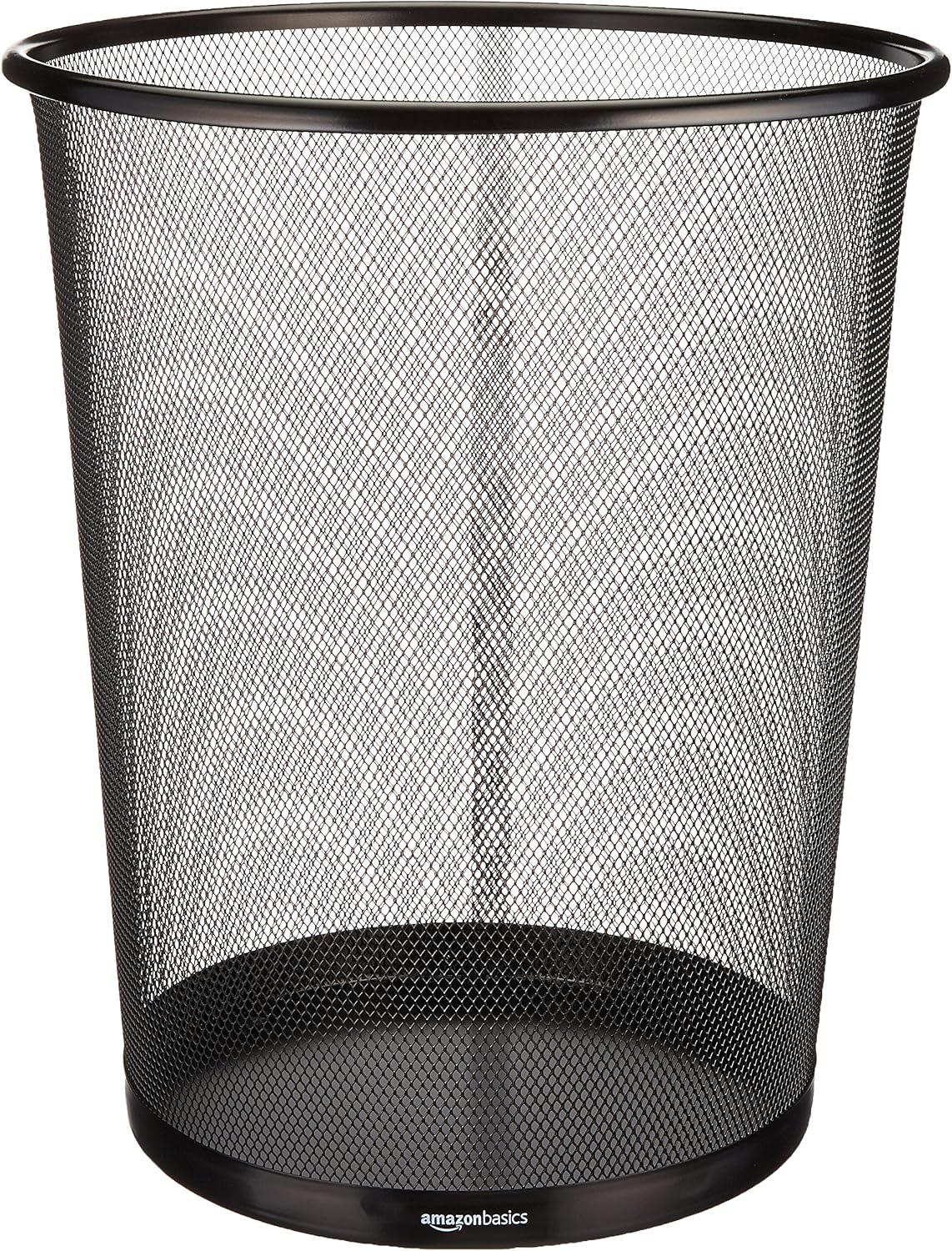

Ninestars
See current price


Simplehuman
See current price

Trash, recycling and compost containers help organize everyday waste while making sorting more convenient. The right choice depends on where the container will go, how much it needs to hold, and whether you want separate bins or a combined system.
This K-Catalog category includes options for kitchens, utility rooms, offices, bathrooms and other household spaces. Compare specifications and features to narrow the selection, then check the current product details before buying.
Start with the available space. Measure the floor area, cabinet opening or pull-out compartment where the container will sit, including clearance for the lid or drawer. A tall bin can use vertical space efficiently, while a slim or rectangular design may fit better beside cabinets or appliances.
Next, consider how waste will be handled:
Traditional step cans are useful when hands-free opening matters, especially during food preparation. Touch-top, swing-top and open-top designs offer different balances of convenience, odor control and access. Motion-sensor models may suit shoppers who prefer touchless operation, while manual lids avoid batteries and electronic components.
Under-counter and pull-out containers are designed to stay concealed inside cabinetry. Check the required cabinet dimensions and mounting or installation method carefully. Freestanding bins are easier to reposition and can work in kitchens, garages, offices or laundry areas. Compact containers may be more suitable for bathrooms, bedrooms or desks.
Compost containers vary from small indoor food-scrap pails to larger bins intended for ongoing collection. Consider whether a removable inner container, lid seal or smooth interior would make emptying and cleaning easier.
Capacity and dimensions are the most important starting points. Compare the listed capacity with the size of your household, collection schedule and available liners. Exterior dimensions matter just as much as capacity when space is limited.
Also compare:
The catalog includes products from mDesign, Simplehuman, Amazon Basics, Rubbermaid, Brabantia, IDesign, Ninestars, Rev-A-Shelf, iTouchless, GREENSTELL, Elaine Karen and Umbra. These brands are represented across different container styles and household organization needs. Compare each product’s dimensions, materials, opening design and included components rather than choosing by brand name alone.
A waste-sorting setup often works best when it fits into a broader organization plan. For cabinet and pantry zones, browse Baskets, Bins & Containers for complementary storage. If you are organizing a utility area, Laundry Storage & Organization may help with nearby supplies. Racks, Shelves & Drawers can also be useful when containers need to be raised, separated or kept accessible.
Keep containers away from heat sources and place them on a stable, level surface. Empty food waste regularly, clean spills promptly and follow the care instructions for the selected material. For pull-out systems, confirm installation measurements before ordering.
Separate containers can make sorting more convenient and reduce contamination between waste streams. The best arrangement depends on available space and local collection requirements.
Measure the available width, depth and height, then check clearance for lids, pedals, drawers and cabinet doors. Also compare the container dimensions with the liner size you plan to use.
Touchless models can reduce hand contact with the lid and may be convenient during cooking. Compare sensor operation, battery requirements, opening clearance and cleaning access.
A compost container should be easy to empty and clean, with a size suited to how often food scraps are collected. A lid may help contain mess and odors, while a removable inner container can simplify maintenance.
Some containers are made for under-counter or pull-out installation, but fit is model-specific. Check the full cabinet opening, interior dimensions, mounting requirements and door or drawer clearance before choosing one.