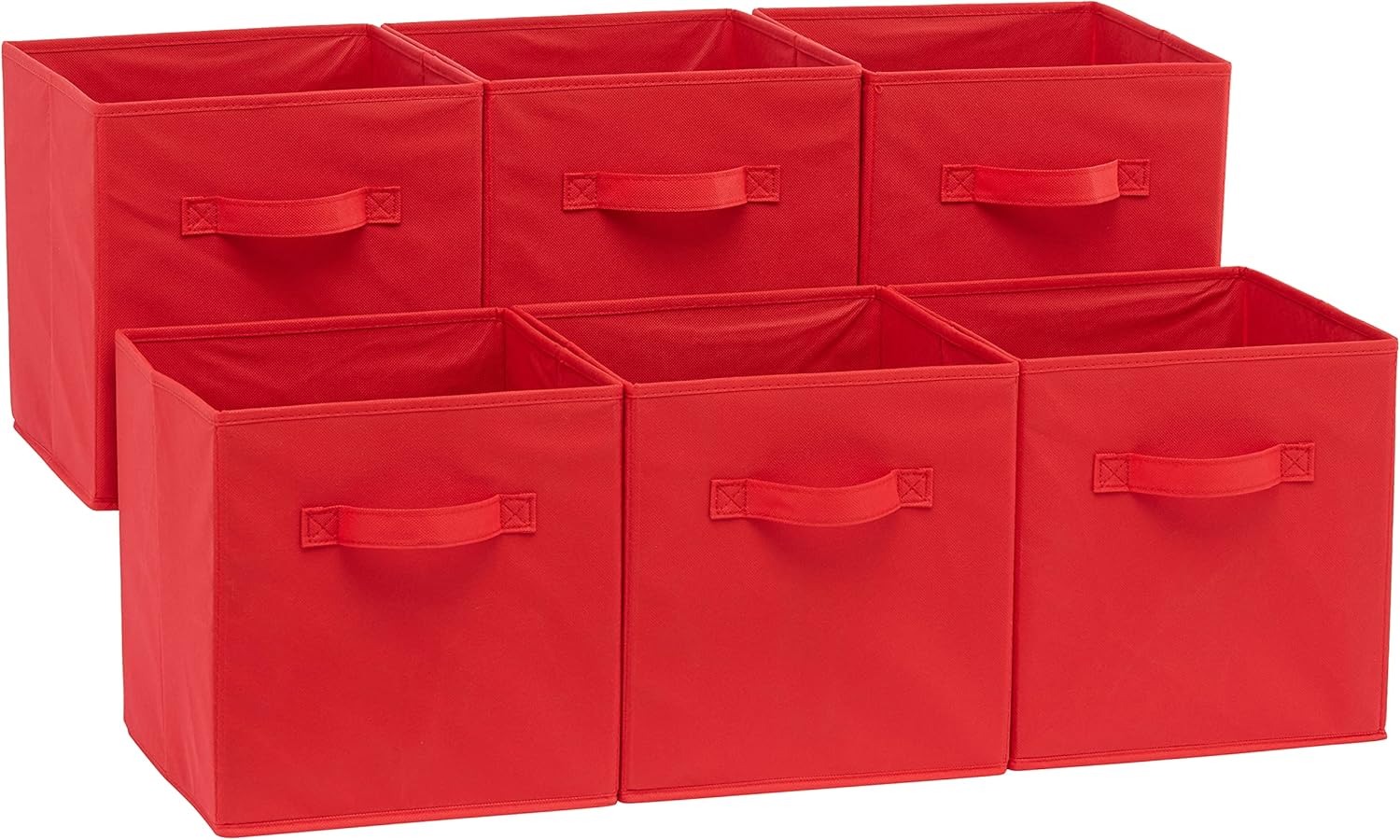
Amazon Basics
Amazon Basics Collapsible Fabric Storage Cubes Organizer with Handles, 10.5"x10.5"x11", Red - Pack of 6
See current price

Compare baskets, bins and containers for closets, shelves, cabinets, laundry areas and everyday home organization. Review sizes, materials, access and design details to find storage that fits your space.
1,567 products in catalog
1,567 results
Amazon Basics
See current price

Simple Houseware
See current price

Simple Houseware
See current price


Household Essentials
See current price
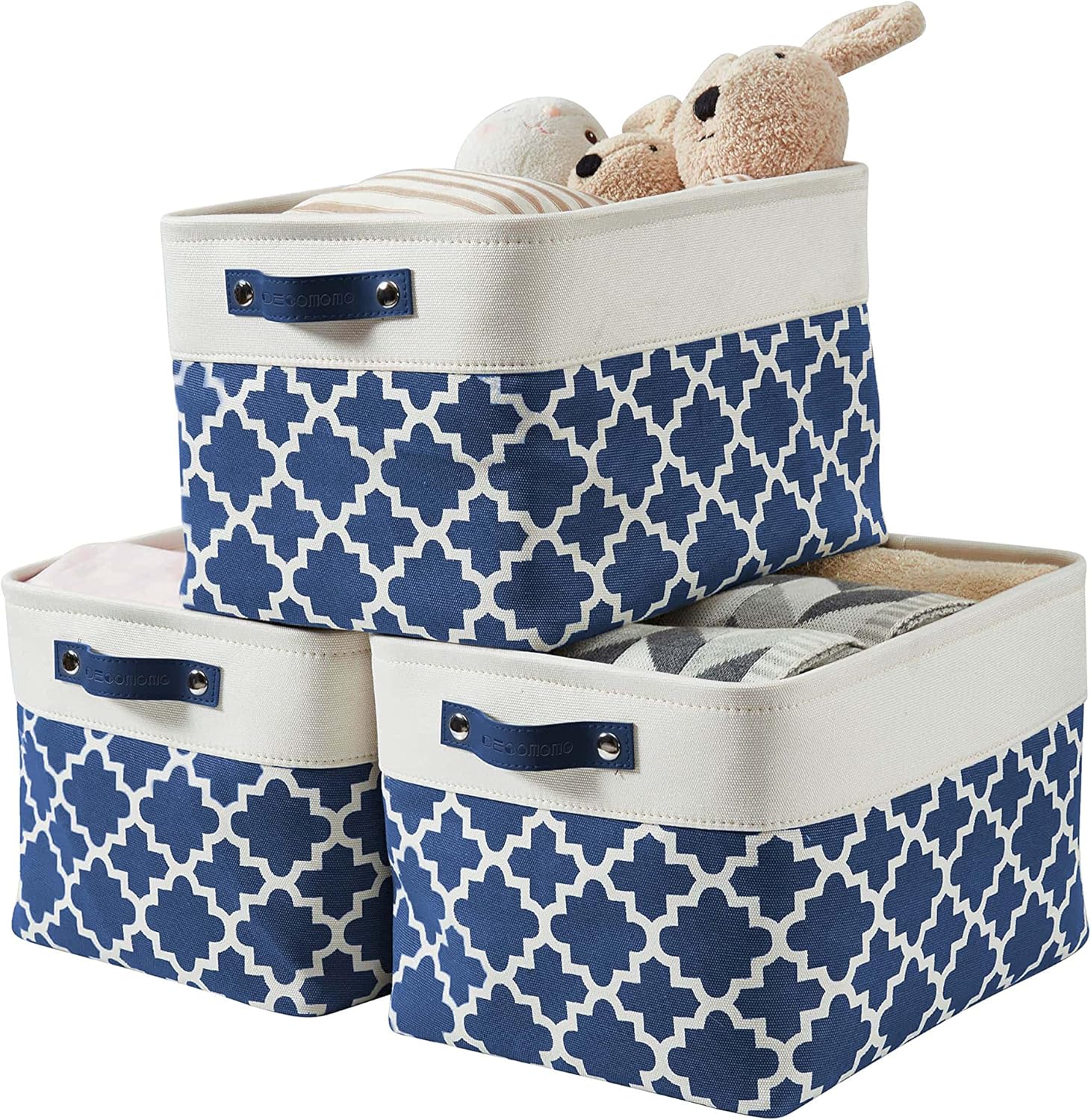


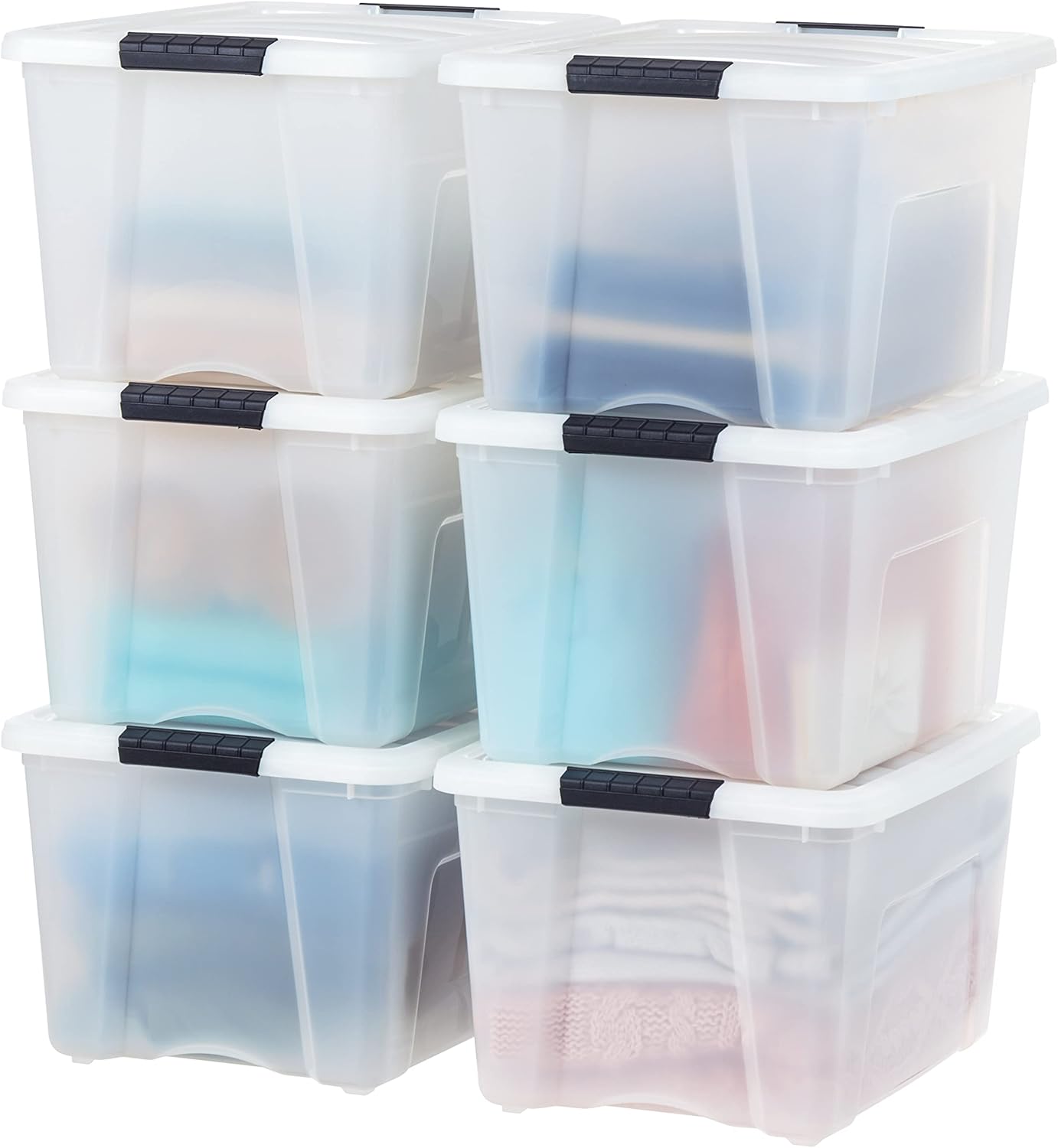


RiverRidge
See current price


Sodynee
See current price

Spectrum Diversified
See current price


Baskets, bins and containers make it easier to group similar items, reduce visual clutter and use available storage space more effectively. The right choice depends on what you are storing, where the container will go and how often you need to access its contents.
This K-Catalog category covers storage solutions for many rooms and routines. Compare product specifications and features, then check the current price and availability on Amazon before buying.
Start with the storage location and measure the usable space, including shelf height, depth and clearance. A container that fits the opening but cannot be pulled out comfortably may be less useful than a slightly smaller option.
Consider the items you plan to store:
Think about access as well as capacity. Open baskets are convenient for items used often, while lidded containers can provide a tidier look and help protect contents from dust.
Open baskets are useful when quick access matters. Handles may make them easier to move, especially when storing items on high shelves or in deep compartments. Check the opening shape and whether the basket can be pulled out without catching on nearby surfaces.
Fabric bins are often suited to closets, cubbies and shelving. Look for details such as reinforced sides, carry handles and whether the bin folds when not in use. Their flexibility can be helpful in spaces where rigid containers are difficult to position.
Plastic bins and containers can be practical for utility areas, playrooms, garages and general household storage. Compare lid style, stackability, interior shape and how easily the contents can be identified.
Decorative containers can sit in visible areas such as living rooms, bedrooms or entryways. Match the container’s shape and finish to the furniture around it, while still checking whether the interior dimensions suit your belongings.
For clothing-specific organization, browse Clothing & Closet Storage. Laundry-related needs may be better served by Laundry Storage & Organization, while shelving and furniture systems are covered in Racks, Shelves & Drawers.
Dimensions and capacity: Exterior measurements determine whether a container fits your space; interior measurements determine what it can hold. Pay attention to tapered shapes, thick walls and handles that reduce usable room.
Lid and access design: Decide between open-top, hinged, lift-off and snap-on designs. A lid that is easy to remove may be preferable for daily access, while a more secure closure can suit less frequently used items.
Stacking and stability: If you plan to stack containers, check whether the design is intended for stacking and whether the base and lid provide a stable surface. Avoid assuming that containers with similar dimensions will stack securely.
Material and upkeep: Choose a material and finish appropriate for the room. Smooth surfaces may be easier to wipe, while fabric or woven designs may have different cleaning requirements. Follow the manufacturer’s care instructions.
Portability: Handles, weight and overall rigidity matter when containers need to move from room to room. For children’s items or frequently used household supplies, easy carrying can be more important than maximum capacity.
The catalog includes storage products from Sterilite, DII, IRIS USA, Inc., StorageWorks, LessMo, mDesign, Sea Team, Enzk&Unity, Whitmor, BINO, NEATERIZE and GRANNY SAYS. Compare each product’s listed dimensions, materials, closure style and intended use rather than choosing by brand name alone.
For other organization needs, explore Home Storage Hooks for hanging solutions or Trash, Recycling & Compost for waste-sorting containers. Seasonal items may fit better in Holiday Décor Storage.
Group items by use instead of placing unrelated belongings in one large container. Labeling opaque bins can save time, especially when several containers look alike. Leave enough room to remove items without having to unpack the entire bin, and avoid overloading flexible baskets until their sides bow or handles become difficult to use.
Before ordering, confirm the container’s dimensions against doors, drawers, shelving and stairway access. For damp, dusty or high-traffic areas, pay particular attention to the material, closure and cleaning guidance listed for the product.
A basket is commonly chosen for accessible or visible storage, while a bin often emphasizes containment and may include more structured sides or a lid. The terms can overlap, so compare the actual features.
Choose a lid when you want to cover contents, stack containers or store items for longer periods. Open containers are usually more convenient for belongings that are accessed often.
Measure the available space and compare it with both the product’s exterior and interior dimensions. Account for handles, lids, shelf clearance and the shape of the items being stored.
They can work well on shelves and in cubbies when their dimensions and structure match the space. Check whether the sides remain stable when the bin is partially filled and whether the handles are positioned for easy removal.
Group containers by room, activity or frequency of use. Keep everyday items in the most accessible locations, and label containers that hold less frequently used or seasonal belongings.