

Wax Molding Materials for Jewelry Making
Compare wax molding materials for shaping jewelry designs, making patterns, and preparing pieces for casting. Review each product’s form, firmness, and intended use before choosing.
26 products in catalog
26 results
Filters


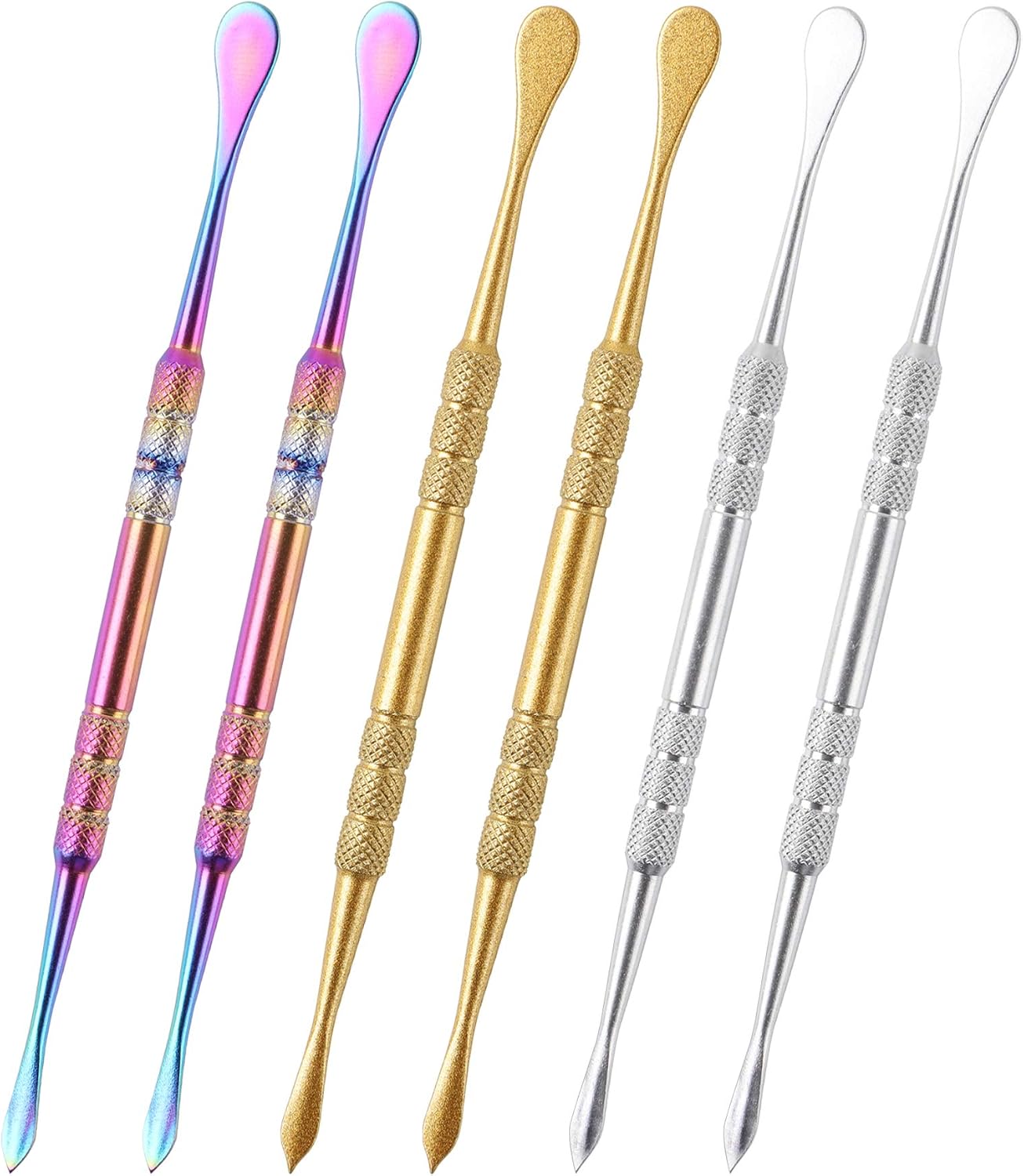


Eurotool
Freeman Carving Wax Block, Blue, Medium Hard, 1/2 Pound, Sliced | WAX-331.25
See current price
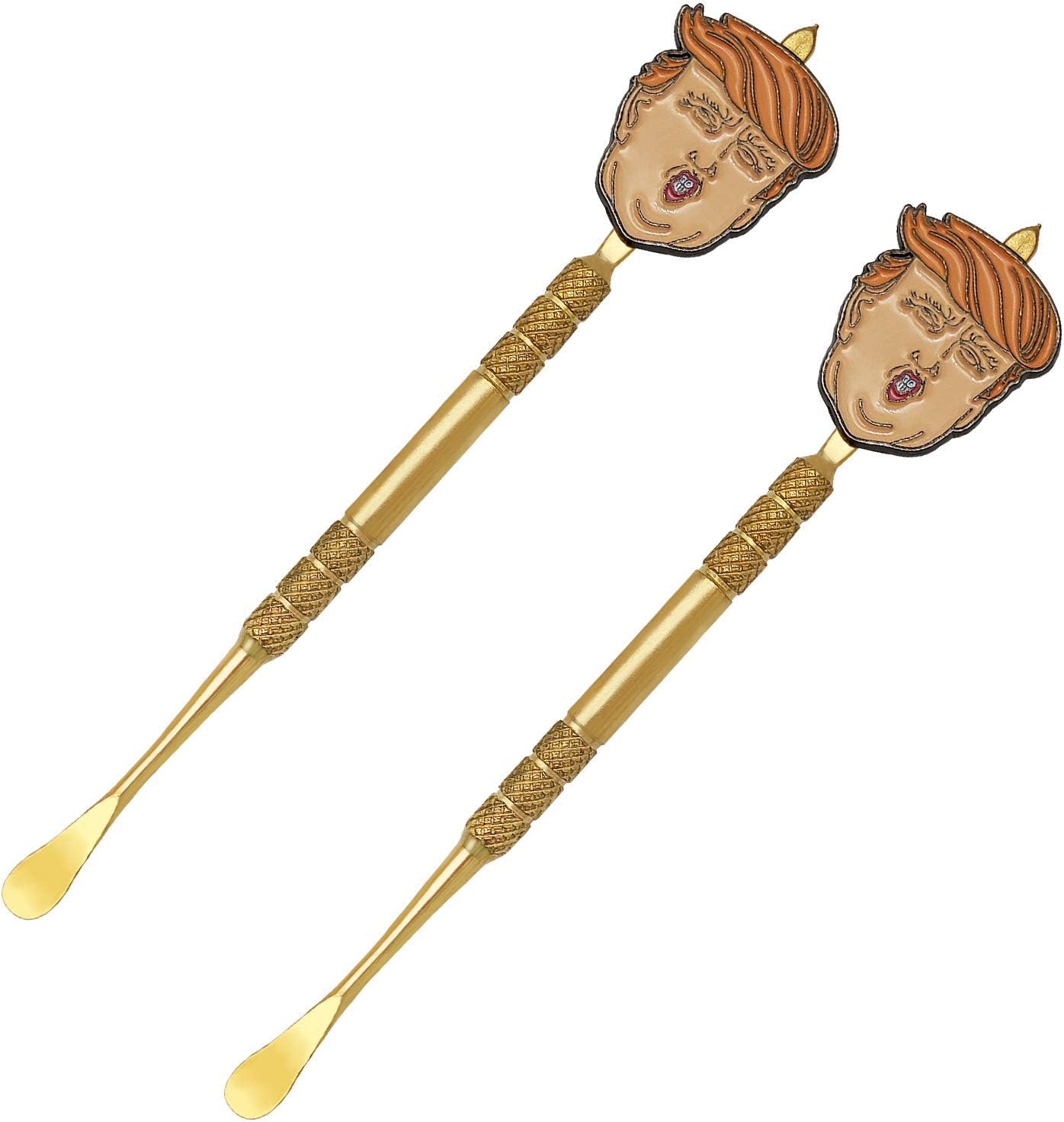
Waxmaid
2 Pack 4.7 Inch Wax Carving Tool, Trump Toy Gift Stainless Steel Wax Sculpting Tool (Gold)
See current price


Waxmaid
Waxmaid 2 Packs Wax Carving Tool, 4.7 inch Cartoon Toy Gift Stainless Steel Wax Sculpting Tool
See current price


Popular brands in Wax Molding Materials
Wax molding materials help jewelry makers turn an idea into a physical shape before refining, duplicating, or casting it. The right wax can make detailed work easier, while the wrong firmness or format may make carving, joining, or cleanup frustrating.
This K-Catalog category brings together wax products for different modeling and jewelry-making workflows. Compare specifications and features to find a material that suits your design method, tools, level of detail, and casting plans.
How to choose wax molding materials
Start by deciding how the wax will be used. Some projects call for carving a design from a solid block or sheet, while others are easier to build by shaping moldable wax by hand. Small decorative elements may benefit from preformed wax shapes, whereas a custom ring, pendant, or sculptural piece may require a material that can be cut and refined.
Consider these factors before selecting a product:
- Work method: Choose a format suited to carving, modeling, pressing, layering, or assembling.
- Firmness: Softer wax is generally easier to shape by hand; firmer wax can help preserve crisp edges and fine details during carving.
- Detail level: Intricate designs require a material that accepts clean lines without crumbling or losing definition.
- Project scale: Check the product dimensions and amount of material against the size of the pattern you plan to make.
- Casting plans: If the wax pattern will be used for jewelry casting, confirm that the product is intended for that workflow and compatible with the process you use.
- Tool compatibility: Make sure the wax works with your carving tools, heated tools, files, or other accessories.
Common ways to use molding wax
Wax molding materials can support several stages of jewelry design. A jeweler may sculpt a form directly, carve a design into a block, or combine small wax components to create a more complex pattern. Wax can also be useful for testing proportions before committing to a final metal or cast version.
For hand modeling, look for a product described as pliable and easy to shape. This can be useful when building organic forms, rounded surfaces, or designs that rely on gradual adjustments. For carving, a stable block or sheet may be preferable because it provides a solid surface for removing material and defining edges.
When a project includes repeated motifs or small decorative details, preformed pieces may save preparation time. Always compare the listed shape, dimensions, and intended application so the material matches the design rather than requiring extensive alteration.
Key specifications and features to compare
Product descriptions may vary, so read the specifications closely instead of relying only on the product name. Pay particular attention to:
- Material format: Blocks, sheets, sticks, pellets, and ready-shaped pieces suit different techniques.
- Color: A contrasting color can make carved lines and surface changes easier to see, especially during detailed work.
- Surface finish: Smooth wax may be useful for clean patterns, while a texture-friendly surface can support sculptural work.
- Flexibility and hardness: These affect how the wax responds to pressure, cutting, heat, and repeated handling.
- Precision: Fine-detail projects benefit from wax that holds narrow edges, small openings, and sharp transitions.
- Cleanup needs: Look for information about residue, shavings, or how easily the material can be adjusted after shaping.
- Storage requirements: Protect wax from excessive heat, dust, and pressure that could deform the material before use.
If you are comparing products for casting, also check whether the instructions address spruing, investing, burnout, or other steps in the process. A wax suitable for modeling is not automatically the right choice for every casting method.
Brands represented in this catalog
The catalog includes wax molding materials from Mudder, Shappy, LUTER, XIFEI, Waxmaid, Kingsley North Inc, vitakiwi, Outus, Honeydak, KISEER, Patelai, and Augsun. These brands are represented across the available selection, but features can differ by product. Compare the individual specifications, format, dimensions, and intended use rather than choosing by brand alone.
Build a complete jewelry-making setup
Wax patterns are often only one part of a larger project. Browse Jewelry Casting Supplies when you need materials associated with turning a pattern into a finished casting. Jewelry Making Tools & Accessories can help you compare carving, shaping, measuring, and finishing equipment.
For designs that incorporate finished components, explore Jewelry Findings, Charms, or Beads & Bead Assortments. Additional materials and tools are collected in Beading Supplies, which can be useful when combining wax-made forms with assembled jewelry techniques.
Frequently asked questions
Is molding wax suitable for beginners?
It can be, particularly when the product is easy to shape and the project does not require highly precise carving. Beginners should compare firmness, format, and recommended tools before starting.
Should I choose soft or hard wax?
Soft wax is often easier to manipulate by hand, while harder wax may provide better support for carving and fine edges. The best choice depends on the technique and detail level of the project.
Can wax molding materials be used for jewelry casting?
Some are designed for casting patterns, but suitability depends on the material and casting process. Check the product specifications and instructions before using wax in a casting workflow.
What tools are commonly used with molding wax?
Depending on the product, makers may use carving tools, heated tools, files, blades, or shaping accessories. Confirm that the wax’s firmness and working instructions match the tools available.
How should molding wax be stored?
Keep it clean, covered, and away from excessive heat or pressure. Storage conditions should prevent softening, deformation, and dust buildup before the wax is used.