
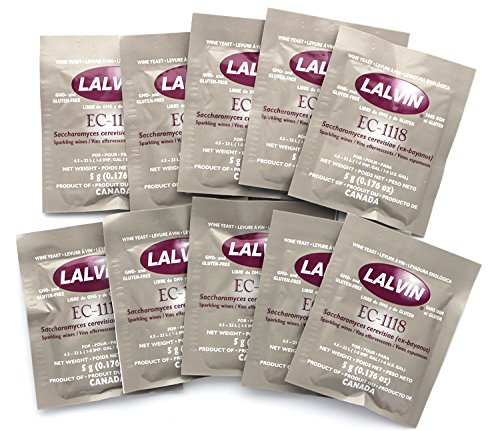
Winemaking Ingredients
Compare winemaking ingredients by function, format, and compatibility. From yeast and nutrients to acids, stabilizers, and fining agents, find options to match your recipe and process.
54 products in catalog
54 results
Filters
Availability
Brand
Price


North Mountain Supply
North Mountain Supply - RS-PB-5 Red Star Premier Blanc Wine Yeast - Pack of 5 - with Freshness Guarantee, Yellow
See current price


PURE ORIGINAL INGREDIENTS
Pure Original Ingredients Calcium Chloride (1 lb) Food Safe, for Wine Making, Home Brew, & Cheese Making
See current price


North Mountain Supply
North Mountain Supply - CA-3.5oz Pure Food Grade Citric Acid - 3.5 Ounce Jar
See current price

North Mountain Supply
North Mountain Supply - AB-4oz Food Grade Acid Blend - 4 Ounce Jar
See current price


Modernist Pantry LLC
Pure Potassium Sorbate ⊘ Non-GMO ❤ Gluten-Free ☮ Vegan - 50g/2oz
See current price

PURE ORIGINAL INGREDIENTS
Pure Original Ingredients Calcium Chloride (4 oz) Food Safe, for Wine Making, Home Brew, & Cheese Making
See current price

PURE ORIGINAL INGREDIENTS
Pure Original Ingredients Potassium Bicarbonate (1lb) Natural, Food Safe, Electrolyte, Leavening
See current price
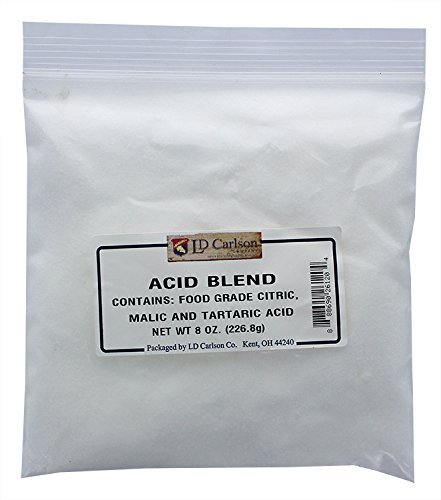


Must Bee Company
Mead Making Kit by Must Bee- 1 Gallon Reusable Fermentation Kit to Make Honey Wine
See current price


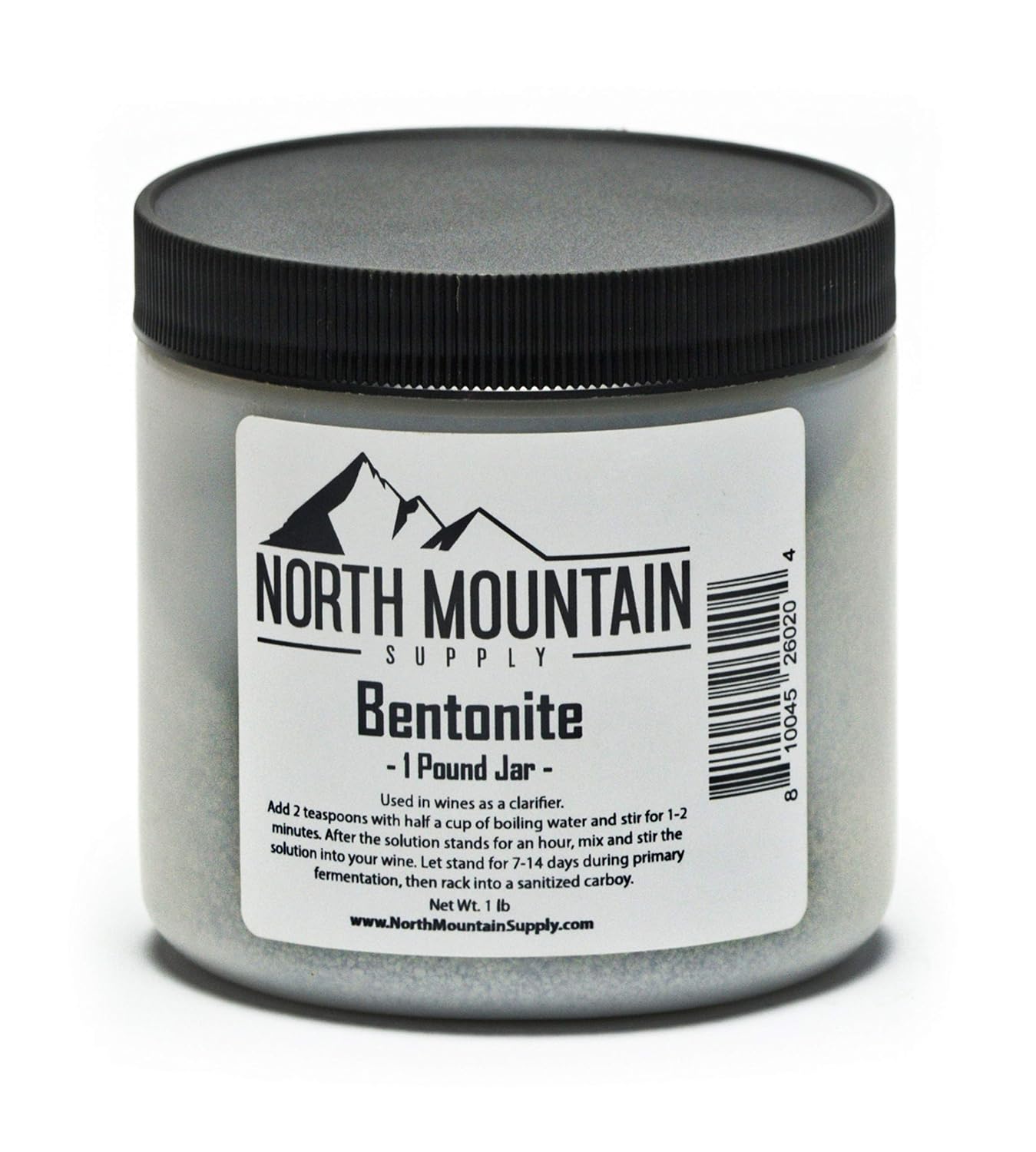
North Mountain Supply
North Mountain Supply - BT-1lb Food Grade Bentonite Clay (1 Pound)
See current price
Popular brands in Winemaking Ingredients
Winemaking ingredients influence fermentation, flavor, clarity, stability, and the finished character of a batch. The right choice depends on the fruit or juice being used, the desired wine style, the recipe instructions, and how much control you want over the process.
This category brings together ingredients for home winemaking, making it easier to compare product specifications and features before checking the current price and availability on Amazon.
How to choose winemaking ingredients
Start by identifying the role an ingredient needs to play. Yeast drives fermentation, while nutrients support yeast activity. Acid products can help adjust balance, and stabilizers or preservatives may be used at specific stages to help protect the finished wine.
Consider these factors before choosing:
- Wine base: Grape juice, fruit juice, concentrates, and country-wine recipes may have different nutritional and acidity needs.
- Stage of winemaking: Some ingredients are intended for primary fermentation, while others are used after fermentation or before bottling.
- Format: Powders, granules, tablets, and liquid products may differ in storage, measuring, and mixing requirements.
- Instructions: Check the recommended dosage, timing, storage conditions, and whether the product should be dissolved or added directly.
- Compatibility: Make sure the ingredient suits your yeast, recipe, fermentation vessel, and intended finishing method.
Common types of winemaking ingredients
Wine yeast
Wine yeast is selected to initiate fermentation and can influence the pace of fermentation and the resulting aroma profile. Compare the intended use, fermentation characteristics, temperature guidance, and package instructions. A yeast suited to fruit wine may not be the ideal choice for every grape or high-sugar recipe.
Yeast nutrients
Nutrients are used to provide support during fermentation, particularly when juice or fruit must may not supply enough naturally available nutrients. Compare the ingredient composition, recommended timing, and whether the product is intended for the start of fermentation, later additions, or both.
Acid blends and acidity adjusters
Acid products can help shape the balance of a wine and may be useful when working with fruit that is naturally low in acidity. Look for clear application instructions and consider testing the must before making adjustments. Small changes can affect flavor and fermentation conditions.
Stabilizers and preservatives
Potassium metabisulfite, potassium sorbate, and related products are commonly associated with wine stabilization and protection. Their purpose and timing are not interchangeable, so read the label carefully and follow the recipe or winemaking instructions. These ingredients require careful handling and accurate measuring.
Finings, tannins, enzymes, and additives
Finings are used to help clarify wine, while enzymes may assist with fruit processing or extraction. Tannins can contribute structure and mouthfeel. Other additives may support color, aroma, or recipe-specific results. Compare the intended function rather than choosing solely by package size or form.
Features and specifications to compare
Product descriptions can vary, so focus on details that affect how an ingredient fits your process:
- Intended application: Confirm whether the product is designed for grape wine, fruit wine, mead-style recipes, or general fermentation.
- Dosage guidance: Look for instructions tied to a batch size or ingredient quantity, and use the manufacturer’s directions rather than guessing.
- Ingredient list: Check for active components, carriers, blends, and any ingredients that could affect dietary preferences or recipe compatibility.
- Storage requirements: Moisture, heat, light, and opened-package storage can matter for dry and liquid ingredients.
- Packaging: Resealable packaging may be useful when an ingredient is not used all at once.
- Timing: Verify when the product should be added and whether it should be used before, during, or after fermentation.
Brands represented in the catalog
The catalog includes products from Lalvin, North Mountain Supply, Red_Star, Home Brew Ohio, PURE ORIGINAL INGREDIENTS, Midwest Homebrewing and Winemaking Supplies, WILD GRAPES, Global Vintners Inc., Spicy World, LD Carlson, Strange Brew Beer and Winemaking, and Northern Brewer. Compare each listing by ingredient type, directions, packaging, and stated use rather than relying on brand name alone.
For broader equipment and supply browsing, explore Home Brewing & Winemaking. Shoppers comparing fermentation ingredients across brewing styles can also visit Beer Brewing Ingredients.
Practical tips for using ingredients
Keep ingredients dry, sealed, and stored according to the label. Use clean, accurately measured tools, and avoid combining products unless the recipe or manufacturer instructions support doing so. When adjusting acidity or adding stabilizers, record what was added and when so the process is easier to repeat or troubleshoot.
Pay attention to expiration or freshness information where provided, especially for yeast and other active ingredients. If a product includes handling warnings, protective equipment guidance, or specific disposal instructions, follow those directions.
Frequently asked questions
What ingredients are usually needed for home winemaking?
The answer depends on the recipe, but common categories include wine yeast, nutrients, acidity adjusters, stabilizers, finings, enzymes, and tannins. Not every batch requires every type.
How do I choose wine yeast?
Match the yeast to the fruit or juice, desired wine style, fermentation conditions, and the manufacturer’s stated characteristics. Temperature guidance and tolerance information are especially important to compare.
When should winemaking nutrients be added?
Timing varies by product and recipe. Some nutrients are added at the start of fermentation, while others are designed for staged additions. Follow the label directions for the specific product.
Are stabilizers and preservatives the same as fining agents?
No. Stabilizers and preservatives serve different purposes from fining agents, which are generally used to help clarify wine. Check each product’s stated function and application timing.
How should dry winemaking ingredients be stored?
Keep them tightly sealed in a cool, dry location away from moisture and excessive heat. Use the package instructions for storage after opening and check freshness information when available.