

Beer Brewing Ingredients for Home Brewers
Compare beer brewing ingredients for extract, partial-mash, and all-grain recipes. Review ingredient types, formats, and specifications to assemble supplies that suit your recipe and brewing process.
60 products in catalog
60 results
Filters

North Mountain Supply
Fermentis SafAle BE-134 Beer/Ale Yeast - Pack of 1 - With North Mountain Supply Freshness Guarantee
See current price





FastRack
Danstar Lallemand Nottingham Ale Yeast - 5 Packets Multicolor 11g Nottinghamx5
See current price


Box Brew Kits
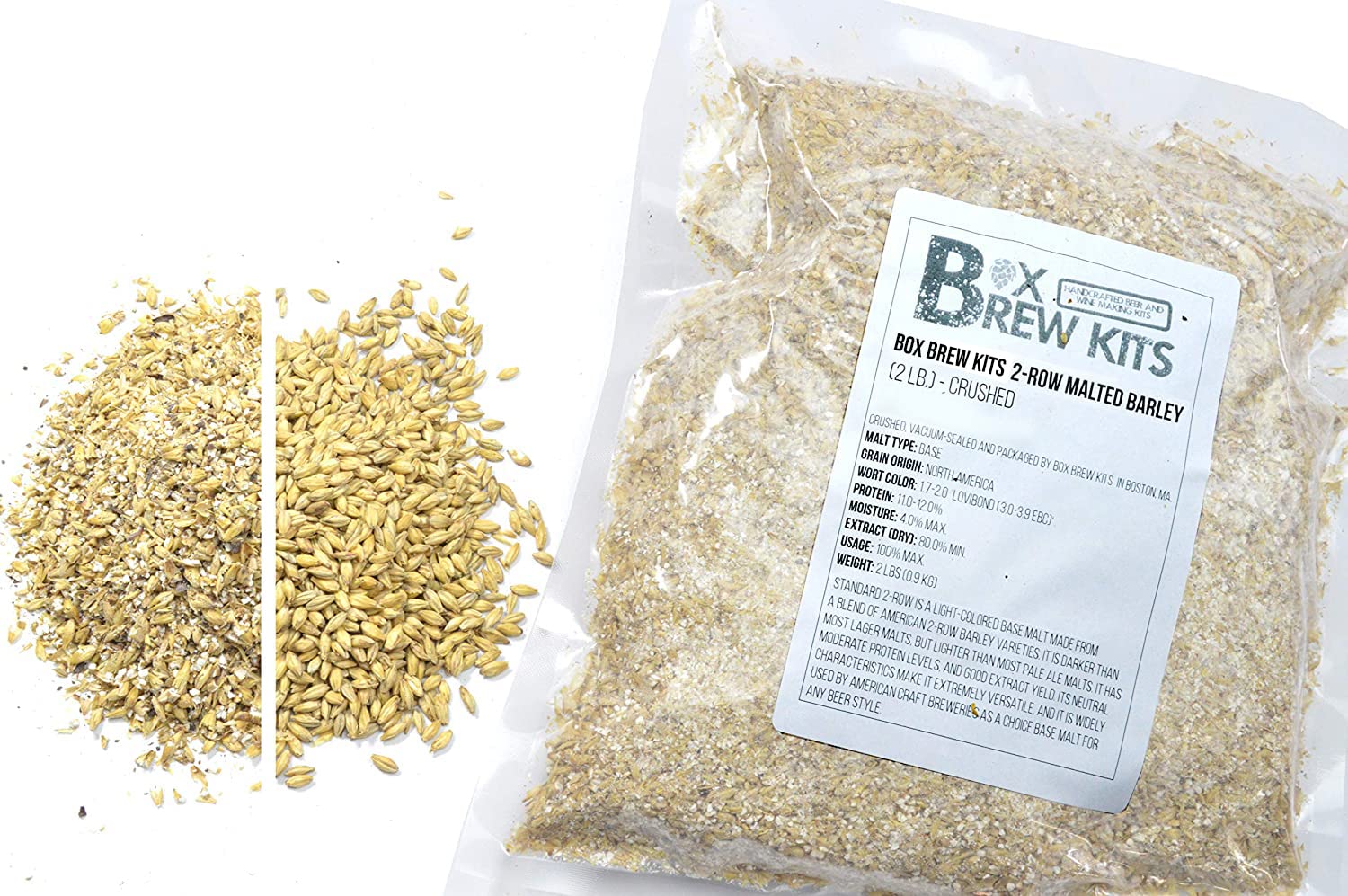
Box Brew Kits 2-Row Malted Barley 2 LBS CRUSHED Home Brewing Beer Making Recipe Ingredients Vacuum Sealed
See current price


North Georgia Still Company
North Georgia Still Company's Fermentation Kit for Moonshine, Corn Whiskey, DIY 5 Gallon Mash Kit
See current price


Popular brands in Beer Brewing Ingredients
Beer brewing ingredients shape a beer’s color, body, sweetness, bitterness, aroma, and fermentation character. Whether you are following a kit recipe or building a batch from individual components, comparing the ingredient format and intended use can help prevent compatibility problems and unnecessary substitutions.
This category is part of Home Brewing & Winemaking, with ingredients for different brewing methods and recipe styles. Use the product details to check what each item contributes, how it should be used, and whether it fits your equipment and process.
How to choose beer brewing ingredients
Start with the recipe and brewing method. Extract brewers generally look for malt extract and recipe-specific additions, while all-grain brewers need the appropriate base and specialty malts. Partial-mash recipes may combine both approaches.
Before selecting an ingredient, compare:
- Ingredient role: Determine whether it provides fermentable sugars, bitterness, aroma, color, body, or yeast activity.
- Format: Check whether it is supplied as liquid, dry, whole, pellet, grain, powder, or another form.
- Recipe compatibility: Confirm that the ingredient suits the beer style and the quantities called for in the recipe.
- Storage needs: Review packaging and storage guidance, especially for ingredients that can lose freshness or activity after opening.
- Brewing stage: Identify whether it belongs in the mash, boil, whirlpool, fermentation vessel, or conditioning stage.
Main types of brewing ingredients
Malt and fermentable sugars
Malt extract provides fermentable sugars without requiring a full grain mash and may be available in liquid or dry formats. Base malt and specialty grains are used to build a beer’s fermentable foundation while influencing color, flavor, mouthfeel, and foam character.
Other sugars and fermentables can change the body, sweetness, alcohol potential, or finish of a recipe. Compare the ingredient’s intended purpose rather than treating every sugar product as interchangeable.
Hops
Hops contribute bitterness, flavor, and aroma. When comparing hop products, look for the variety, form, and any available brewing specifications supplied in the listing. Pellet and whole-hop formats may call for different handling and storage practices.
The point in the brewing process also matters. Earlier additions are commonly selected for bitterness, while later additions are used when flavor and aroma are the priority. Follow the recipe’s timing and dosage guidance.
Brewing yeast
Yeast converts fermentable sugars during fermentation and has a major effect on the finished beer’s character. Compare the yeast type, recommended fermentation conditions, attenuation information, and package format when those details are provided.
Dry yeast can be convenient to store and handle, while liquid yeast may be selected for a particular strain or recipe profile. Either way, check the product instructions and make sure the yeast is appropriate for the beer being brewed.
Adjuncts and specialty additions
Adjuncts can add flavor, aroma, color, texture, or fermentable material. Examples may include fruit, spices, sugars, grains, and other recipe additions. These products require closer attention to timing, sanitation, and their effect on the overall balance of the beer.
Specifications worth comparing
Product listings can differ in the amount supplied, preparation requirements, and brewing instructions. Pay attention to the following details:
- Intended batch size or recipe use: Make sure the package is suitable for the quantity being brewed.
- Ingredient condition: Look for freshness information, packaging details, and storage recommendations where available.
- Preparation instructions: Some ingredients require steeping, dissolving, boiling, rehydration, or another step before use.
- Brewing measurements: Confirm whether the listing gives weight, volume, concentration, or another useful specification.
- Allergen and dietary details: Review the product information if ingredients such as grains, sugars, or other additions are important to your recipe requirements.
Brands represented in the catalog
The catalog includes beer brewing ingredients from Briess, Home Brew Ohio, Still Spirits, Alcotec, Brewmaster, Fermentis, CellarScience, Box Brew Kits, Liquor Quik, Midwest Homebrewing and Winemaking Supplies, Home Brew Stuff, and Brewer’s Best. Compare individual listings by ingredient type, format, package details, and brewing instructions rather than choosing by brand name alone.
Brewing and storage tips
Keep ingredients in the conditions recommended on the package. Protect dry ingredients from moisture and keep hops and yeast stored as directed. Older or improperly stored ingredients may not perform as expected, so review freshness and storage information before brewing.
Sanitize equipment that contacts the wort or beer after the boil, and avoid changing several recipe variables at once if you are trying to understand the effect of a particular ingredient. Record the ingredients, timing, and quantities used so future batches can be adjusted consistently.
For related supplies and recipe components beyond beer, browse Winemaking Ingredients.
Frequently asked questions
What ingredients are needed for home beer brewing?
A recipe commonly includes fermentable malt or extract, hops, yeast, and water, with optional sugars, grains, fruit, spices, or other adjuncts depending on the beer style and brewing method.
Is liquid or dry malt extract better?
Neither format is universally better. Compare the recipe requirements, storage preferences, handling instructions, and the amount of extract needed for the batch.
How should brewing yeast be selected?
Choose yeast that matches the beer style and the fermentation conditions recommended by the manufacturer. Check strain information, temperature guidance, attenuation, and package instructions.
Do hops need to be stored carefully?
Yes. Follow the listing’s storage guidance and protect hops from conditions that can reduce freshness. Compare the hop format and packaging before deciding how it fits your brewing routine.
Can brewing ingredients be substituted?
Substitution depends on the ingredient’s role, form, and effect on the recipe. A different malt, hop, yeast, or sugar may change flavor, bitterness, color, body, or fermentation performance, so compare specifications carefully before substituting.