

3-D Puzzles for Building and Display
Explore 3-D puzzles by construction style, materials, design, and display needs. Compare product specifications and features to find a building experience suited to your space and skill level.
344 products in catalog
344 results
Filters

Ravensburger
Ravensburger Pokemon 3D Jigsaw Puzzle Ball for Kids Age 6 Years Up - 72 Pieces
See current price

WREBBIT PUZZLES
Wrebbit 3D Harry Potter Hogwarts Astronomy Tower 3D Jigsaw Puzzle (875 Pieces)
See current price


Bepuzzled
Original 3D Crystal Puzzles | Dragon Deluxe Original 3D Crystal Puzzle, Ages 12 and Up
See current price


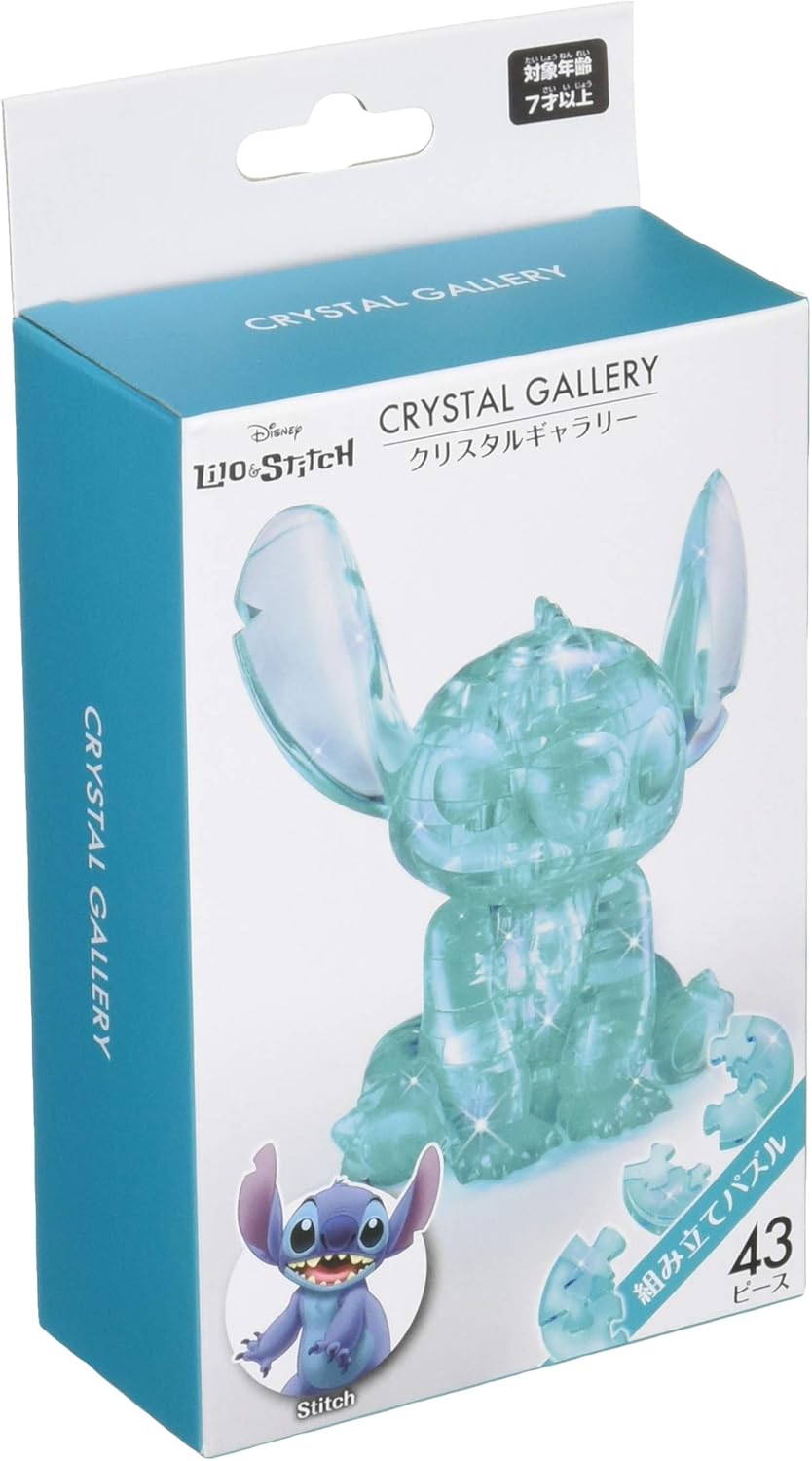
Crystal Gallery
Hanayama Disney Crystal Gallery Hawaiian Blue Stitch 3D Puzzle (43 Piece)
See current price




Popular brands in 3-D Puzzles
3-D puzzles turn puzzle solving into a hands-on building activity. Instead of creating a flat image, you assemble a model, structure, vehicle, scene, or decorative object that can be displayed when finished.
The right choice depends on how you want to build, who will use the puzzle, and what should happen to the finished model. Some designs emphasize interlocking pieces and visual accuracy, while others add mechanical movement, layered construction, or architectural detail.
How to choose a 3-D puzzle
Start with the intended builder and the available building space. A compact design can be easier to sort and assemble, while a larger or more detailed model may offer a longer, more involved project. Check the product description for the recommended age range, dimensions, assembly guidance, and any warnings.
Consider these factors before choosing:
- Construction method: Pieces may connect through interlocking edges, tabs, slots, layered sections, or more involved mechanical parts.
- Materials: Cardboard, wood, plastic, and mixed-material designs create different building experiences and finished appearances.
- Theme: Architecture, vehicles, animals, landmarks, fantasy settings, and decorative scenes can suit different interests.
- Display needs: Check the completed dimensions and whether the model is intended to stand independently or needs a stable surface.
- Assembly commitment: Detailed kits may require patience, careful sorting, and the ability to follow illustrated instructions.
If the puzzle is a gift, the recipient’s interests and previous building experience may matter more than the appearance of the package. For shoppers comparing the wider Puzzles category, 3-D models are a distinct option for those who want a finished object as well as a solving activity.
Types of 3-D puzzles to compare
Although this category does not have separate catalog subcategories, 3-D puzzles can be grouped by their construction and intended use.
Structural and architectural models recreate buildings, landmarks, rooms, or city scenes. These are a good fit for builders who enjoy visual detail and want a display piece after assembly.
Wooden mechanical puzzles may include moving parts, gears, or functional mechanisms. They can appeal to hobbyists who enjoy understanding how a model works, but they may require more precise handling during construction.
Sculptural and decorative puzzles form animals, characters, globes, ornaments, or other objects. Their appeal often comes from shape, color, and display value rather than mechanical movement.
Vehicle and themed models focus on cars, aircraft, ships, and other recognizable subjects. Compare the design’s scale, construction style, and finished footprint to make sure it matches the builder’s interests and available space.
For a flat puzzle format, browse Jigsaw Puzzles. Shoppers looking for a logic-focused challenge rather than a physical model can also compare Brain Teasers.
Features and specifications that matter
Piece material is one of the most important comparisons. Wooden pieces can provide a firm, tactile feel and may contribute to a model’s structural appearance. Cardboard-based designs are often shaped, printed, and layered to create three-dimensional forms. Plastic or mixed-material construction may be useful when a design includes specialized connectors or moving elements.
Look closely at the assembly details. Some puzzles are designed to connect without glue, while others may use additional supplies or finishing steps. If tools, adhesive, batteries, or other accessories are required, they should be listed in the product specifications. Instruction quality is also important for complex builds, especially when parts look similar or must be assembled in a specific order.
For finished models, compare the listed dimensions, approximate weight when provided, and base or support design. A puzzle that will be displayed on a shelf needs different characteristics from one intended to be disassembled and rebuilt.
Brands represented in the catalog
The catalog includes 3-D puzzle products from brands such as ROKR, UGears, Bepuzzled, Wood Trick, RoWood, ROBOTIME, Ravensburger, WREBBIT 3D, CubicFun, Rolife, University Games, and SiamMandalay. Their offerings may differ in themes, materials, construction methods, and intended difficulty, so compare the individual product specifications rather than choosing by brand name alone.
Building, storage, and display tips
Sort pieces before beginning, especially when the design contains similar shapes or repeated components. A clear work surface helps prevent small parts from being lost and makes it easier to leave an unfinished project undisturbed. Follow the instructions in order, and avoid forcing a connection that does not align naturally.
Keep completed models away from moisture, excessive heat, and high-traffic areas. Wooden and cardboard structures can be sensitive to rough handling, while detailed decorative parts may be delicate. A storage box, tray, or Puzzle Accessories selection can help organize loose pieces and tools during a project.
For large builds, a Puzzle Play Mat may make it easier to move an unfinished assembly safely. If the goal is a traditional floor-based activity for younger children, compare Floor Puzzles instead. Pegged Puzzles are another format to consider when chunky pieces and simple placement are more appropriate.
Frequently asked questions
Are 3-D puzzles suitable for beginners?
Many are, but difficulty varies by construction method, detail, piece shape, and instructions. Beginners should compare the recommended age range and choose a design with a manageable size and clear assembly guidance.
Do 3-D puzzles require glue or tools?
Some connect through slots or interlocking parts, while others may require adhesive, tools, or additional supplies. Check the product specifications before starting.
Can a completed 3-D puzzle be displayed?
Yes. Many are designed to become decorative models, but stability and durability vary. Review the finished dimensions and support design before selecting a display location.
What materials are used in 3-D puzzles?
Common materials include wood, cardboard, plastic, and combinations of these. Material affects the feel of assembly, the appearance of the finished model, and how carefully it should be handled.
How should an unfinished 3-D puzzle be stored?
Keep pieces in a labeled container or tray on a dry, level surface. If the assembly needs to be moved, protect it from bumps and place small parts in a separate container.