

Abrasive Accessories
Compare abrasive accessories by application, tool compatibility, material, and construction. Use the listed specifications and features to narrow options for grinding, deburring, sanding, and finishing work.
14 products in catalog
14 results
Filters


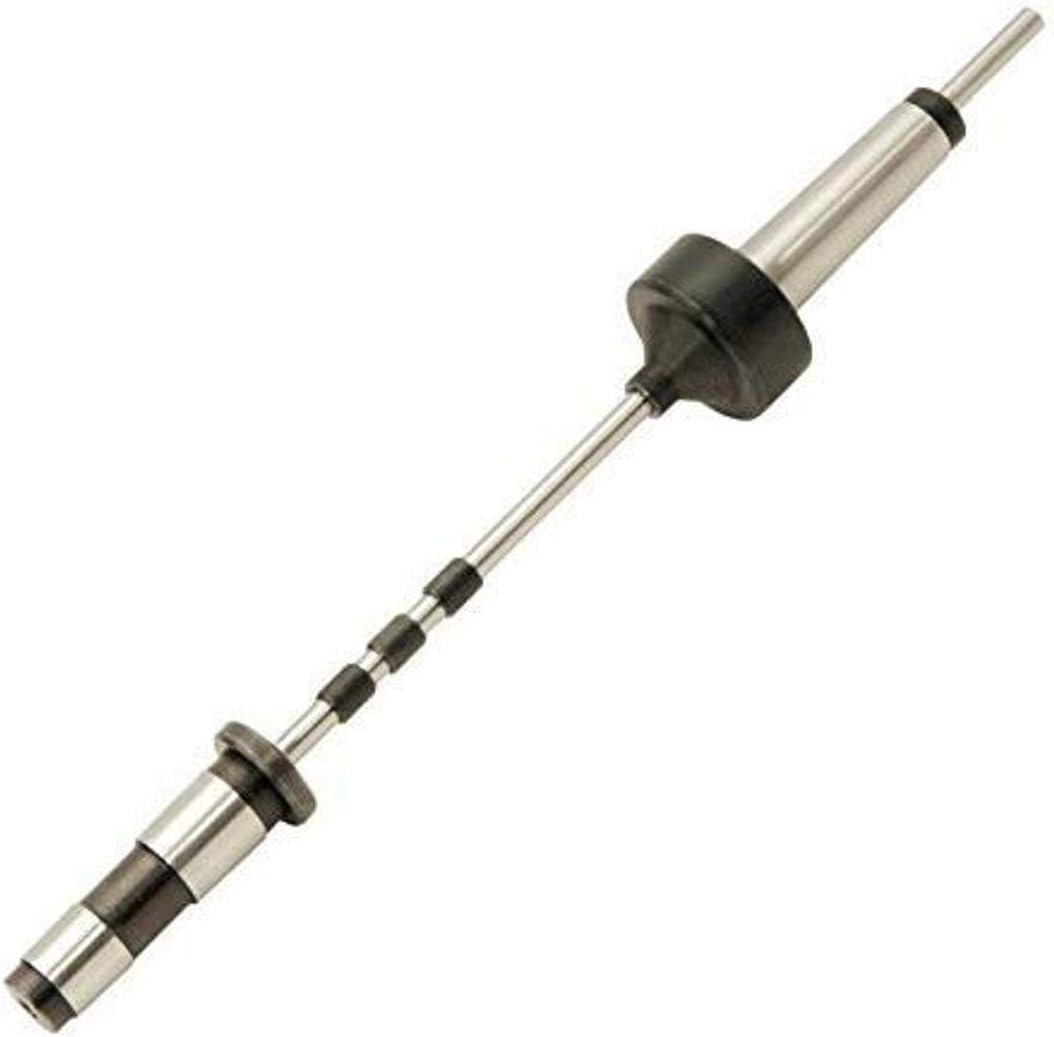
PSI Woodworking Products
PSI Woodworking PKMS1SET Pen Mandrel Saver Package, 1 Morse Taper (1MT)
See current price

LINE10 Tools
LINE10 Tools 6pk Wire Brush Drill Attachment Set Brass Coated for Cleaning Rust Hex Shank Fits Impact Driver
See current price


Preamer
Preamer 12 Pcs 1/8 Shank Cut-Off Wheel Holder Screw Mandrel Compatible with Most Rotary Tool Bit
See current price

Pro Tools
2pc 1/8"-Shank Mandrel Set - For 1/8" & 1/4" Wheel Disc Arbor Holes - Fits Dremel
See current price

Commando Products, Inc.
Commando Grinding Wheel Dresser with Flat Diamond Coated Surface for Truing Grinding & Deburring Wheels
See current price
Popular brands in Abrasive Accessories
Abrasive accessories help adapt, support, or refine abrasive tools for specific shop, maintenance, woodworking, and fabrication tasks. The right accessory can affect fit, control, surface finish, and how efficiently an abrasive product works with your tool.
This K-Catalog page brings together abrasive accessory listings from brands including Dremel, Weiler, PSI Woodworking Products, Cubitron, GRND, Swpeet, Malco, Preamer, Mudder, Yosoo, LINE10 Tools, and Commando Products, Inc. Compare the specifications for each listing, then check the current product details on Amazon before choosing.
How to choose abrasive accessories
Start with the tool and the task rather than the accessory name alone. An accessory intended for a rotary tool may not fit a bench grinder, drill, angle grinder, sander, or other equipment. Confirm the connection method, dimensions, and any stated compatibility information before ordering.
Consider the material you need to work on and the result you want. Removing burrs, cleaning corrosion, smoothing an edge, shaping wood, and preparing a surface for coating can call for different abrasive materials and accessory designs. For delicate work, control and surface consistency may matter more than aggressive material removal.
Also consider access to the work area. A narrow, extended, flexible, or small-format accessory may be useful around edges and confined spaces, while a broader support or backing component can be more practical on larger surfaces.
Common types and related categories
Abrasive accessories can include backing pads, mandrels, adapters, holders, sanding supports, polishing attachments, and replacement components. The exact design determines how an abrasive is mounted, aligned, or guided during use. Always match the accessory to the abrasive product and the power tool.
For abrasive media that directly removes material, browse Abrasive Wheels & Discs. If the project focuses on smoothing, polishing, or preparing a surface after abrasion, Finishing Products may offer useful alternatives. Wire and abrasive brush formats are covered in Abrasive Brushes.
The parent catalog also includes broader Abrasive & Finishing Products for shoppers comparing accessories with other surface-preparation options.
Specifications and features to compare
Product titles can describe a general use, but the specification details usually determine whether an accessory is suitable. Compare:
- Compatibility: Check the stated tool types, mounting system, attachment method, and supported abrasive formats.
- Dimensions: Review diameter, length, thickness, shaft or arbor details, and working-area measurements where provided.
- Abrasive material: Common choices may include aluminum oxide, silicon carbide, diamond, ceramic, or abrasive-coated materials. Each can suit different materials and levels of stock removal.
- Grit or grade: A coarser grade generally supports faster material removal, while a finer grade is typically used for smoothing and finishing. Follow the product’s stated application guidance.
- Construction: Look for details about backing material, bristles, bonded components, fasteners, flexibility, and resistance to wear.
- Operating guidance: Check any stated speed limits, recommended tool settings, intended direction of use, and other manufacturer instructions.
- Workpiece suitability: Confirm whether the accessory is intended for wood, metal, plastic, paint, masonry, or another surface.
If a listing does not provide a specification that matters to your setup, consult the manufacturer’s information or verify compatibility before purchase.
Brands represented in the catalog
The catalog includes abrasive accessory listings associated with PSI Woodworking Products, Dremel, Cubitron, GRND, Swpeet, Weiler, Malco, Preamer, Mudder, Yosoo, LINE10 Tools, and Commando Products, Inc. These brands may offer different accessory formats and intended applications, so compare the actual product specifications rather than selecting by brand name alone.
Pay particular attention to the product description, included components, compatibility notes, and dimensions. Similar-looking accessories can use different mounting systems or be designed for different tools.
Safe and consistent use
Inspect the accessory before installation. Do not use components that are cracked, bent, excessively worn, loose, or otherwise damaged. Secure the workpiece, install the accessory according to the manufacturer’s directions, and confirm that it is firmly attached before operating the tool.
Use appropriate eye protection and other protective equipment for the material and operation. Abrasive work can produce dust, particles, heat, and sparks, so ventilation and clothing suitable for the task are important. Keep hands, cords, and loose clothing away from rotating components, and avoid forcing the tool through the work.
Start with the recommended tool setting and use light, controlled pressure. Excessive force can affect the finish, increase heat, and place unnecessary stress on the accessory or tool.
Frequently asked questions
What are abrasive accessories used for?
Abrasive accessories mount, support, adapt, or guide abrasive materials during tasks such as sanding, deburring, cleaning, shaping, grinding, and surface preparation.
How do I know whether an accessory will fit my tool?
Compare the accessory’s mounting method, shaft or arbor details, dimensions, and stated compatible tool types with your equipment. Do not rely on appearance alone.
Should I choose a coarse or fine abrasive grade?
A coarse grade is generally suited to faster stock removal, while a fine grade is typically better for smoothing and finishing. The workpiece material and desired result should guide the choice.
Can one accessory work on different materials?
Some accessories are designed for multiple materials, but suitability varies by abrasive composition and construction. Check the listing’s intended applications and manufacturer guidance.
What should I check before using a replacement accessory?
Verify fit, dimensions, operating guidance, included parts, workpiece compatibility, and the condition of the accessory. Inspect it again before each use.