
Dewalt
DEWALT Cutting Wheel, General Purpose Metal Cutting, 4-1/2-Inch, 5-Pack (DW8062B5), Multi
See current price

Compare abrasive wheels and discs for cutting, grinding, deburring, and surface preparation. Review the abrasive material, disc type, dimensions, and tool compatibility before choosing.
291 products in catalog
291 results
Dewalt
See current price


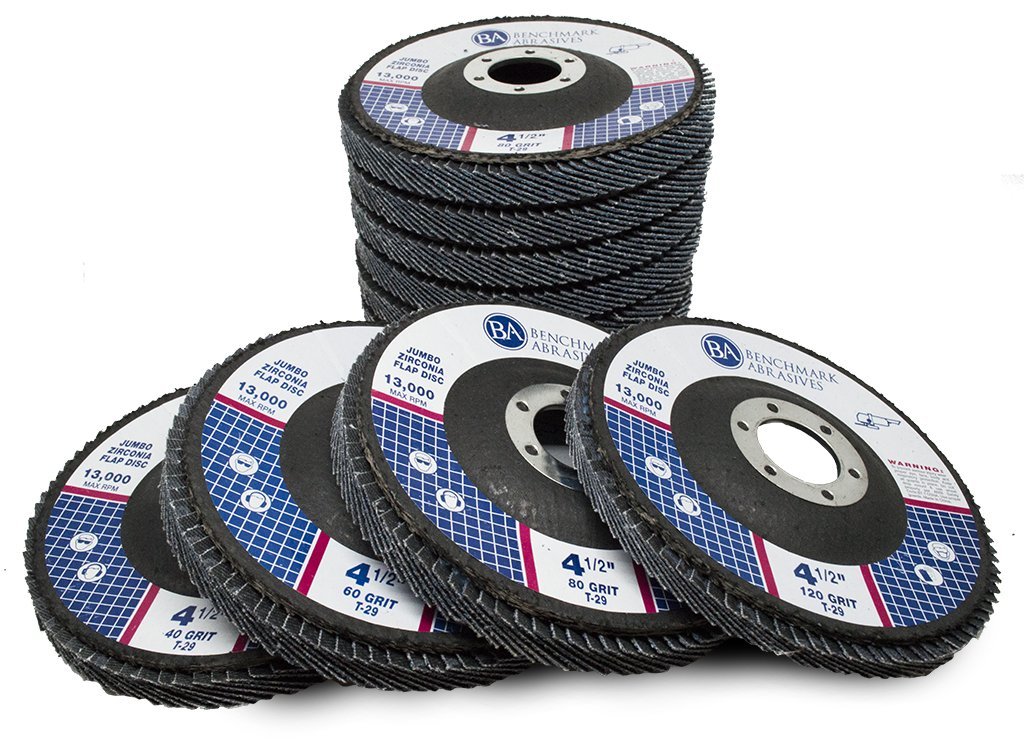

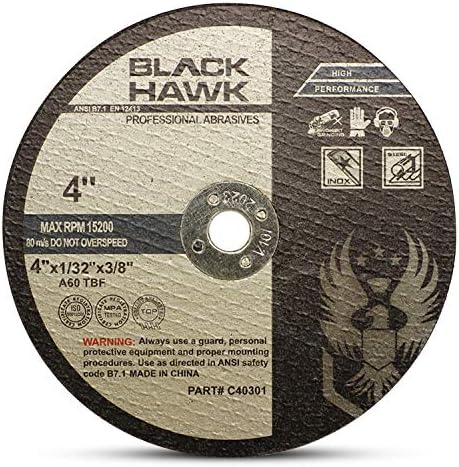


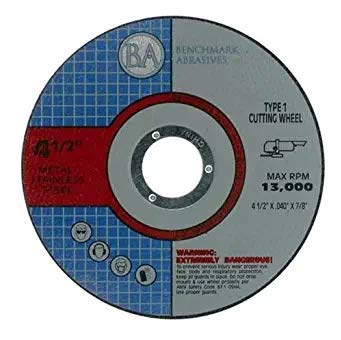


Abrasive wheels and discs are designed for demanding material-removal and surface-preparation tasks. The right option depends on the material being worked, the finish required, the tool being used, and whether the job calls for cutting, grinding, blending, or polishing.
K-Catalog helps shoppers compare listed specifications and features across options from brands represented in the catalog. Use the product details to confirm fit and intended use before visiting Amazon to check current availability and price.
Start with the task rather than the brand. A thin cutting disc is intended to separate material, while a grinding wheel is built for removing material and shaping edges. Flap-style discs can combine material removal with blending, and specialized discs may be intended for surface finishing or work on particular materials.
Consider these factors:
The category includes several formats, so product descriptions deserve close attention. Cutting wheels are typically selected when a clean separation is needed, while grinding wheels are used for heavier material removal, shaping, and edge work. Flap discs use overlapping abrasive flaps and may suit blending, deburring, and preparing a surface for a smoother finish.
Diamond wheels and discs are often considered for hard, abrasive materials, but suitability still depends on the product’s intended application and the tool. Sanding discs and specialty finishing discs may be a better match for surface refinement than aggressive grinding products.
For adjacent options, browse Finishing Products for surface-treatment supplies, Abrasive Brushes for brushing and cleaning tasks, or Abrasive Accessories for related equipment and components. The broader Abrasive & Finishing Products category can also help when the required format is not yet clear.
Product titles can look similar even when intended uses differ. Compare the abrasive type, backing or construction, and any stated compatibility information. Bonded wheels, coated discs, flap discs, and diamond products each behave differently and should not be treated as interchangeable.
Pay attention to the manufacturer’s guidance for:
A larger pack may be useful for recurring work, while a smaller selection can make more sense when testing a format for an occasional project. Always verify the actual package contents in the product listing rather than relying on product photography.
Brands represented in this category include Dewalt, Makita, Powertec, Benchmark Abrasives, BHA, Mudder, OCM Brand, SIQUK, Ozerland, LotFancy, Coceca, and MinCHI257. Compare each listing on its own specifications and stated application rather than choosing by brand name alone. Compatibility, abrasive construction, dimensions, and intended material remain the most important checks.
Abrasive wheels and discs can create sparks, dust, fragments, and sharp debris. Use the protective equipment and guards recommended for the tool and application, and keep bystanders away from the work area. Inspect the product before use for visible damage, distortion, or deterioration, and do not use a wheel or disc that does not match the tool’s requirements.
Store abrasives in a clean, dry place away from impacts, excessive heat, and moisture. Follow the manufacturer’s instructions for mounting, direction, pressure, and disposal. Avoid forcing the accessory against the workpiece; excessive pressure can affect control and product performance.
A cutting wheel is intended to separate material, while a grinding wheel is designed for material removal, shaping, and edge work. They are not automatically interchangeable.
Compare the disc’s diameter, thickness, arbor or hole size, and maximum operating speed with the tool manufacturer’s requirements. Also confirm that the tool is approved for that type of accessory.
Choose a product whose listing specifically identifies the metal and task involved. Cutting, grinding, deburring, and finishing may require different abrasive constructions.
No. Diamond products vary by application. Check the manufacturer’s stated material compatibility, tool requirements, and wet or dry operating guidance.
Keep them dry, clean, protected from impacts, and stored according to the manufacturer’s instructions. Inspect each item before mounting it to a tool.