

AC Adapters: Compare Specs and Features
Compare AC adapters by electrical output, connector fit, polarity, plug type, and device compatibility. Use the listed specifications to narrow your options before checking current availability on Amazon.
918 products in catalog
918 results
Filters


![[Upgraded Version] SoulBay 30W Universal AC/DC Adapter Switching Power Supply with 8 Selectable Adapter Tips, Including Micro USB Plug, for 3V to 12V Household Electronics and LED Strip - 2000mA Max](https://m.media-amazon.com/images/I/714CcUWHQgL._AC_SL1500_.jpg)


![[Upgraded Version] SoulBay Universal AC/DC Adapter Multi-Voltage Regulated Switching Power Supply with 8 Selectable Adapter Plugs, for 3V to 12V Home Electronics, 2Amps Max](https://m.media-amazon.com/images/I/71A4kZY4M7L._AC_SL1500_.jpg)


Fire-Stick Wireless
fireCable Wireless Adapter for Firestick | Declutters TV Wires & Eliminates AC Outlet (No Software Required, Installs in Seconds)
See current price


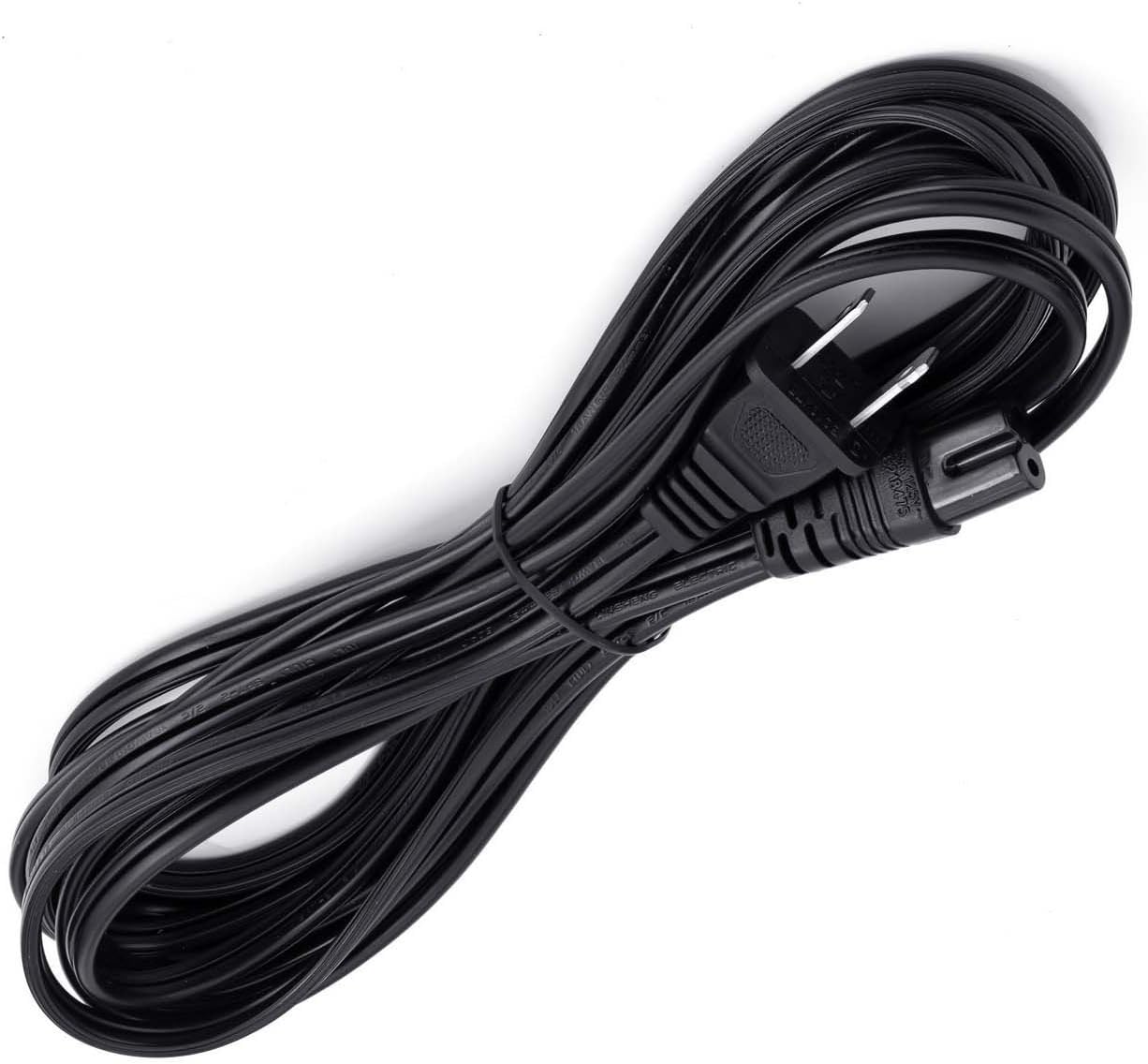
iMBAPrice
iMBAPrice 15 Feet Extra Long AC Power Adapter Cord Compatible with Apple TV (1st, 2nd & 3rd Generation)
See current price
![Belker 12W 3V 4.5V 5V 6V 7.5V 9V 12V Adjustable Voltage Universal AC/DC Adapter Power Supply for Household Electronics,Micro USB - 1A Max. [BN]](https://m.media-amazon.com/images/I/611n9vpkmrL._AC_SL1000_.jpg)


Popular brands in AC Adapters
AC adapters convert household AC power into the type of electrical output required by compatible electronics. The right adapter must match the device’s voltage, current requirements, connector, and polarity; a physical fit alone does not guarantee compatibility.
This K-Catalog category brings together AC adapters from brands including T POWER, PWR+, Superer, ALITOVE, VHBW, UPBRIGHT, SoulBay, Belker, LJO-EEIH, HQRP, MAGIPEA, and PowerSource. Compare each product’s specifications carefully, since adapters with similar appearances may be designed for different devices.
How to choose an AC adapter
Start with the original adapter, the device label, or the manufacturer’s documentation. Look for the required input and output information, then compare those details with the adapter listing.
- Output voltage: The adapter’s output voltage should match the device’s requirement. Do not assume that a physically compatible plug makes different voltage specifications safe.
- Output current: Check the required amperage or current rating. An adapter should be suitable for the device’s demand rather than selected by connector size alone.
- Connector dimensions: Barrel plugs can look alike while differing in inner or outer diameter. Confirm the connector measurements or the listed compatible devices.
- Polarity: For barrel-style connectors, center-positive and center-negative configurations are not interchangeable unless the device specifically supports the arrangement.
- Input and plug type: Check the supported input range and the AC plug configuration for the location where the adapter will be used.
If the original adapter is missing, identifying the device’s exact model and power requirements is usually more reliable than choosing an adapter based only on its appearance.
Common AC adapter options
AC adapters vary by intended device, connection style, and power requirements. Some are made for a particular product or device family, while others offer broader compatibility through selectable tips or multiple connector options. A dedicated replacement can be simpler when the required specifications and connector are clearly identified; a more flexible option may help when several compatible tips or output settings are provided.
Read the full listing rather than relying on the product title. Confirm whether the adapter includes the needed cable, plug tip, or accessory, and check whether the stated compatibility applies to your exact device.
For equipment that changes electrical characteristics rather than simply supplying the expected adapter output, Power Converters may be a more relevant category. For centralized power distribution, compare PDUs. Devices requiring electrical separation may call for Isolation Transformers instead.
Specifications and features to compare
The most useful comparison points are the ones that affect safe, dependable compatibility:
- Output voltage, current, and total power capability
- Input voltage range and AC frequency compatibility
- Connector type, dimensions, cable length, and polarity
- Fixed-output versus selectable-output design
- Detachable or integrated power cord
- Plug style and included accessories
- Indicator lights, overcurrent protection, overvoltage protection, or short-circuit protection, when stated in the listing
- Physical size and ventilation requirements
Avoid treating extra features as a substitute for matching the core electrical specifications. Protection features can be useful, but they do not correct an incorrect voltage, polarity, or connector fit.
Compatibility and everyday use
Before connecting an adapter, inspect the cable and plug for damage and make sure the connection is secure. Keep the adapter in a location with adequate ventilation, and avoid placing it where it may be exposed to moisture, crushing, or excessive heat.
If an adapter becomes unusually hot, emits an odor, makes unexpected sounds, or causes the device to behave abnormally, disconnect it and investigate the specifications and condition of both the adapter and the device. When replacing a lost or damaged adapter, retain the original electrical requirements rather than guessing from the device’s general category.
Brands in this catalog
The catalog includes AC adapter listings from T POWER, PWR+, Superer, ALITOVE, VHBW, UPBRIGHT, SoulBay, Belker, LJO-EEIH, HQRP, MAGIPEA, and PowerSource. Brand selection can help narrow a search, but the most important comparison remains the match between the adapter’s specifications and the device’s requirements. Review the individual listing for the exact connector, output, compatibility information, and included components.
Frequently asked questions
Can any AC adapter with the same plug be used?
No. The output voltage, current suitability, polarity, and connector dimensions must all be compatible with the device.
Does a higher current rating damage a device?
A higher available current rating is not automatically a problem, but the adapter must still match the device’s required voltage and polarity. Follow the device or manufacturer specifications.
What does adapter polarity mean?
Polarity identifies how positive and negative electrical connections are arranged at the connector. The adapter’s polarity must match the device when using a polarized connector.
How can I find the correct replacement adapter?
Check the original adapter label, device label, or manufacturer documentation for output, input, connector, and polarity details. Then compare those specifications with the full product listing.
Are AC adapters and power converters the same?
No. An AC adapter typically supplies a device with its required electrical output, while a power converter is generally used when the electrical characteristics need to be changed. Review the equipment requirements before choosing between them.