
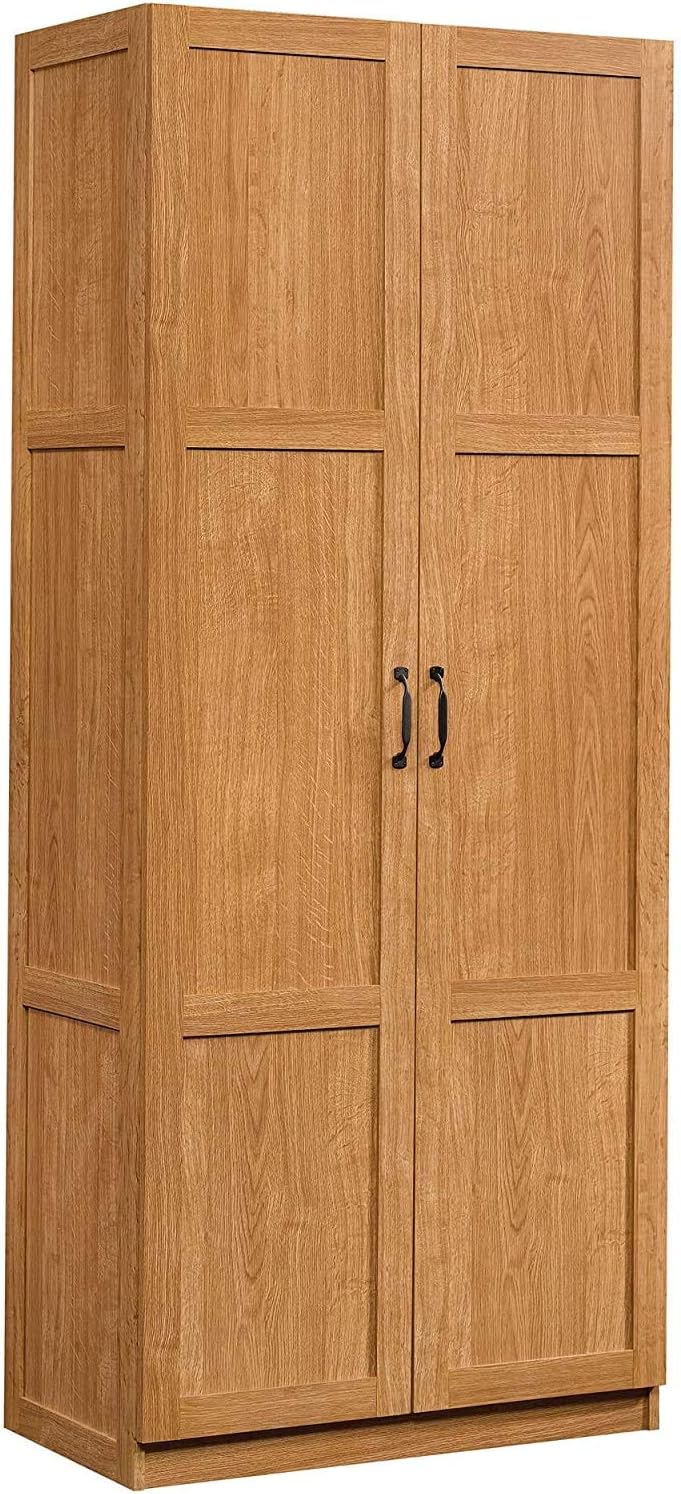
Accent Furniture for Every Room
Compare accent furniture for adding storage, seating, display space, or a finishing touch to your home. Review dimensions, materials, construction, and style before choosing a piece.
443 products in catalog
443 results
Filters


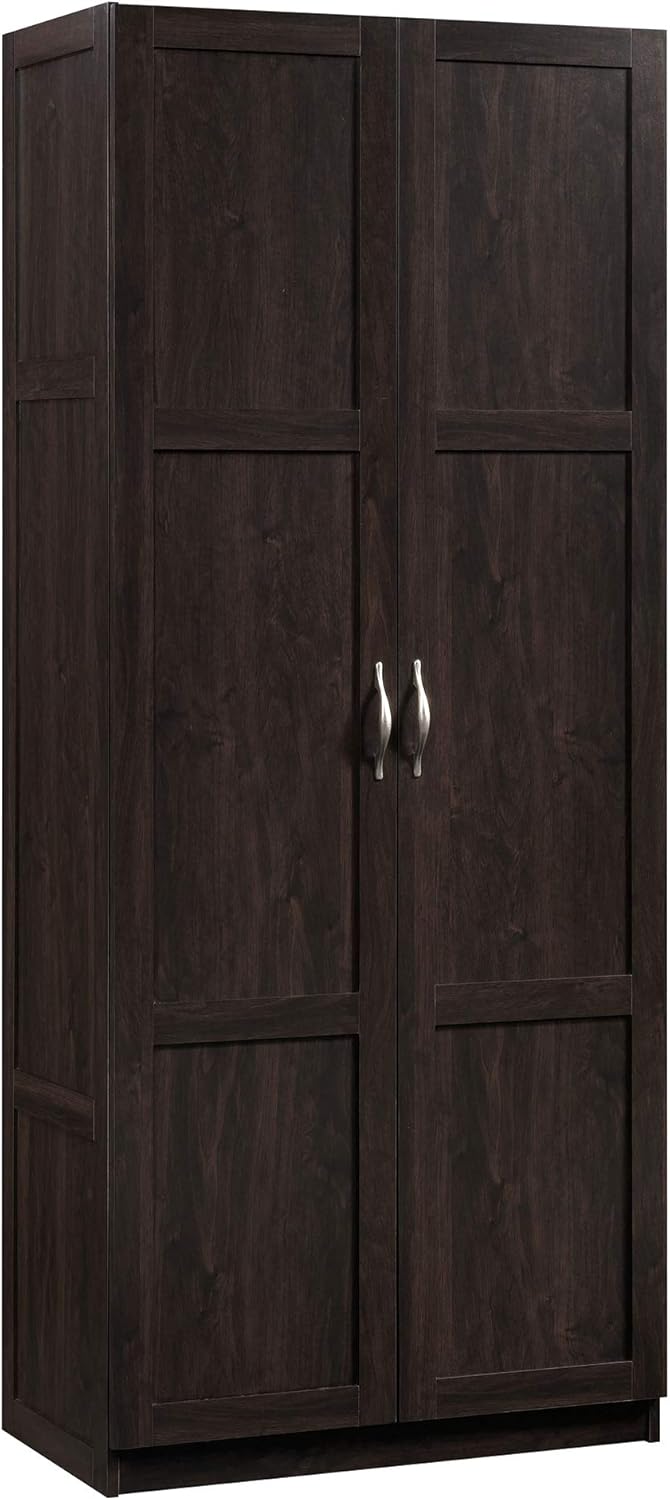


Winsome
Winsome Wood Halifax Storage/Organization, White & Winsome Wood Halifax Cabinet, 26 H, White
See current price

Sauder
Sauder Select Storage Cabinet, L: 29.61" x W: 16.02" x H: 71.50", White Finish
See current price


Teamson Home
Teamson Home Glancy 1 Shutter Door Wooden Corner Stand Floor Cabinet with Dark Brown Finish
See current price

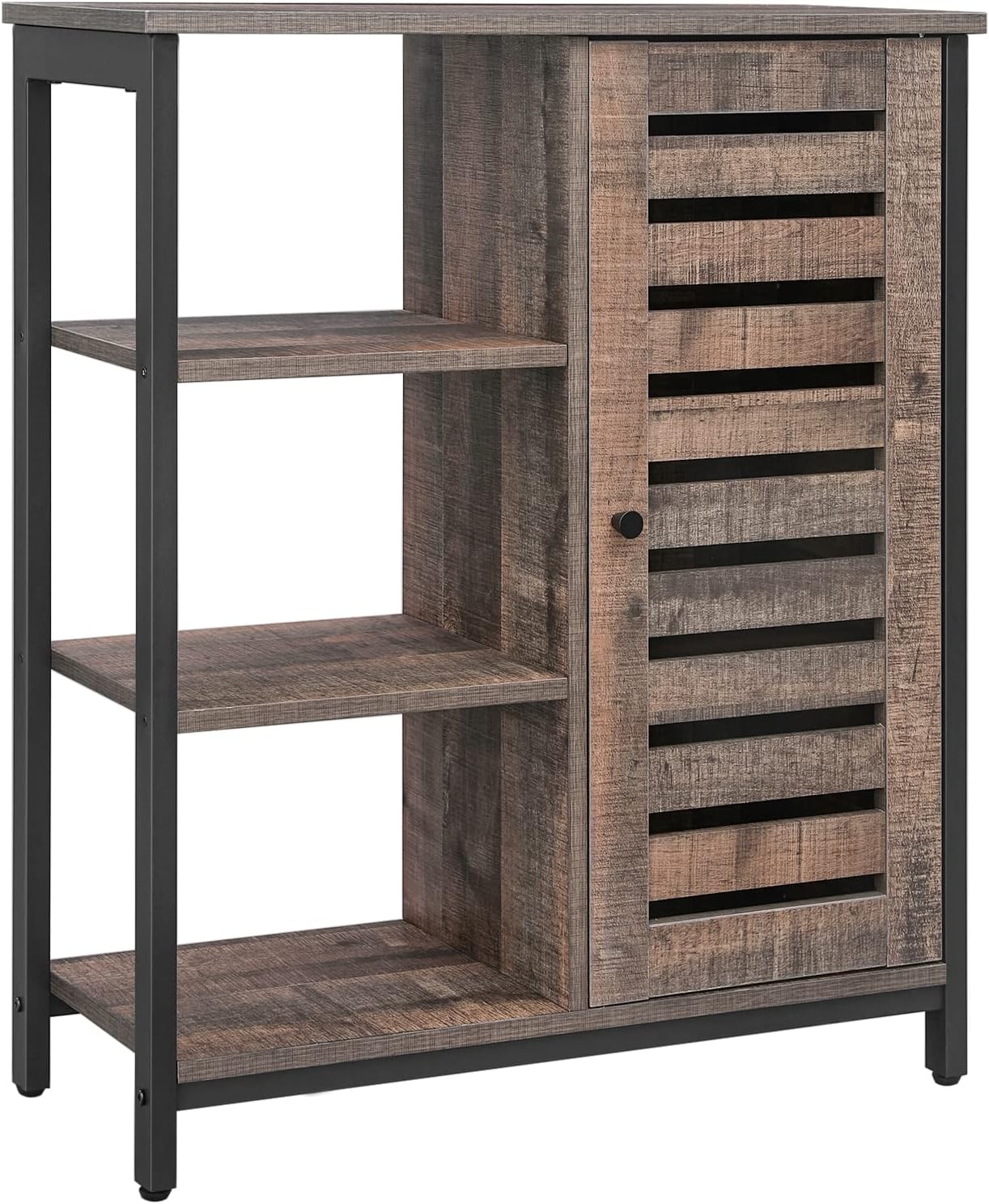


Popular brands in Accent Furniture
Accent furniture can change how a room looks and functions without requiring a complete redesign. A compact cabinet may organize an entryway, a side table can keep essentials within reach, and a decorative console can give an empty wall a finished appearance.
K-Catalog brings together accent furniture from brands including Sauder, VASAGLE, Tangkula, SystemBuild, Yaheetech, Iwell, South Shore, Teamson Home, Baxton Studio, Prepac, Winsome, and RiverRidge. Compare specifications and features to find a piece that suits your space, storage needs, and decorating style.
How to choose accent furniture
Start with the job the furniture needs to perform. Some pieces are primarily decorative, while others provide useful storage, a surface for lamps or decor, or extra seating. Defining the purpose first makes it easier to narrow down styles and dimensions.
Measure the intended area before comparing products. Record the available width, depth, and height, then account for doors, drawers, nearby furniture, walkways, and electrical outlets. For larger pieces, also check the route into the room, including doorways, stairways, and tight corners.
Consider the visual weight of the item as well as its measurements. Open shelving and raised legs can make a small room feel less crowded, while a solid cabinet or darker finish may create a stronger focal point.
Popular uses and placements
Accent furniture can work in nearly any part of the home. Common applications include:
- Living areas: Side tables, end tables, cabinets, and consoles can support lighting, media accessories, books, or decorative objects. For a wider selection of room-specific pieces, browse Living Room Furniture.
- Bedrooms: Nightstands, storage cabinets, benches, and chests can add practical surface or storage space. Compare with Bedroom Furniture when coordinating several pieces.
- Entryways: Narrow consoles and compact cabinets can provide a landing place for keys, bags, and everyday items without blocking the entrance.
- Home offices: Small shelving units, cabinets, and occasional tables can help organize supplies or create additional workspace. See Home Office Furniture for related options.
- Dining spaces: A console, sideboard-style unit, or storage cabinet can hold serving items and table linens. Dining Room Furniture may offer more room-focused choices.
Accent pieces can also suit recreation spaces and children’s rooms. Compare Game & Recreation Room Furniture or Kids' Furniture when durability, organization, or room-specific proportions are especially important.
Features and specifications to compare
Dimensions are among the most important specifications, but they are only part of the decision. Check the overall size and the measurements of individual shelves, drawers, or compartments. Interior dimensions matter when the unit must hold baskets, electronics, books, or other specific items.
Material and finish affect both appearance and maintenance. Wood-based panels, metal, glass, and mixed-material construction can create different looks and levels of visual weight. Look for finish descriptions that coordinate with existing furniture, flooring, and hardware. If the piece will sit near a window or heat source, consider how direct sunlight and temperature changes may affect its placement.
Storage details deserve close attention. Compare the number and arrangement of compartments, whether shelves are adjustable, and whether doors or drawers are included. Open storage keeps items visible and easy to reach; enclosed storage creates a cleaner appearance and helps conceal clutter.
Also review assembly information, required tools, and the recommended placement conditions. Wall anchoring may be important for taller or heavier furniture, especially in homes with children or pets. Check the product specifications for any included hardware and follow the manufacturer’s installation guidance.
Coordinating style and proportion
Accent furniture does not have to match every other item in a room exactly. Instead, look for a shared element such as a finish, leg shape, hardware color, material, or overall silhouette. A contrasting piece can become a focal point, while a more understated design can blend into the existing arrangement.
Proportion is equally important. A low table may work beside a sofa or chair, while a tall cabinet can draw attention upward in a room with high ceilings. Avoid placing a large piece where it overwhelms nearby furniture or makes circulation difficult. For compact rooms, prioritize streamlined shapes and storage that serves more than one purpose.
Brands represented in the catalog
The Accent Furniture catalog includes products from Sauder, VASAGLE, Tangkula, SystemBuild, Yaheetech, Iwell, South Shore, Teamson Home, Baxton Studio, Prepac, Winsome, and RiverRidge. Comparing products across these brands can help shoppers evaluate differences in materials, layouts, finishes, dimensions, and assembly requirements without limiting the search to one design approach.
Use the product specifications to compare each individual piece rather than relying on brand familiarity alone. The best fit depends on the room, available space, intended use, and the features that matter most for everyday routines.
Frequently asked questions
What is accent furniture used for?
Accent furniture adds decorative interest or a useful function to a room. Depending on the design, it may provide seating, storage, display space, or a convenient surface.
How do I know what size accent furniture to buy?
Measure the available area, then compare those measurements with the product’s overall dimensions. Leave enough clearance for doors, drawers, walkways, and nearby furniture.
Should accent furniture match my existing furniture?
Exact matching is not required. Coordinating one or two elements, such as the finish, hardware, or shape, can help different pieces look intentional together.
Is enclosed or open storage better?
Open storage offers quick access and keeps displayed items visible. Enclosed storage hides clutter and can create a more streamlined appearance. Choose based on what the furniture will hold and how often it will be accessed.
What should I check before assembling an accent piece?
Review the dimensions, assembly instructions, required tools, included hardware, and any wall-anchoring recommendations. Confirm that the finished piece will fit through the intended entry route and in its final location.