

Body Repair Tools for Automotive Projects
Compare body repair tools for dent removal, panel shaping, sanding, surface preparation, and finishing. Use specifications and features to narrow options for DIY or professional automotive work.
1,100 products in catalog
1,100 results
Filters




Guangzhou Jie Mo Automotive Supplies Co., Ltd
Windshield Repair Kit, Windshield Crack Repair Kit, Automotive Glass Nano Fluid Glass Repair Kit for Chips & Cracks & Star-Shaped & Nicks & Half-Moon & Crescents - Car Windshield Repair kit
See current price


Popular brands in Body Repair Tools
Body repair tools cover the equipment used to prepare, reshape, smooth, and finish vehicle panels. The right choice depends on the repair, the material being worked on, the level of finish required, and whether the job is occasional or part of a regular workshop workflow.
K-Catalog helps shoppers compare product specifications and features across the body repair tool selection before visiting Amazon for more information. Check the tool’s intended use, operating method, included accessories, and compatibility with your existing equipment.
How to choose body repair tools
Start by identifying the stage of the repair. A shallow dent may call for pulling or reshaping tools, while damaged paint or filler may require sanding and surface-preparation equipment. Larger panel work can involve several tool types rather than a single all-purpose solution.
Consider these factors before choosing:
- Repair type: Match the tool to dent pulling, panel straightening, sanding, polishing, masking, or finishing.
- Vehicle material: Confirm that the tool is appropriate for the panel material and the type of damage.
- Control: Hand tools can provide direct feedback, while powered or pneumatic tools may speed up repetitive work.
- Working space: Compact tools are useful around tight curves, edges, seams, and confined areas.
- Included accessories: Kits may include attachments, abrasives, pads, hooks, handles, or replacement parts that affect versatility.
- Skill level: Choose equipment that matches the operator’s experience and the amount of adjustment the repair requires.
Common types of body repair tools
Body repair equipment can be grouped by the task it performs. Dent repair tools help pull, tap, push, or reshape panels. Look for suitable contact points and adjustment options when working around contours or delicate surfaces.
Sanding and finishing tools remove old coatings, smooth filler, prepare surfaces, or refine a repair before painting. Compare the abrasive or pad format, attachment method, dust-management design, and whether the tool is intended for hand or powered use.
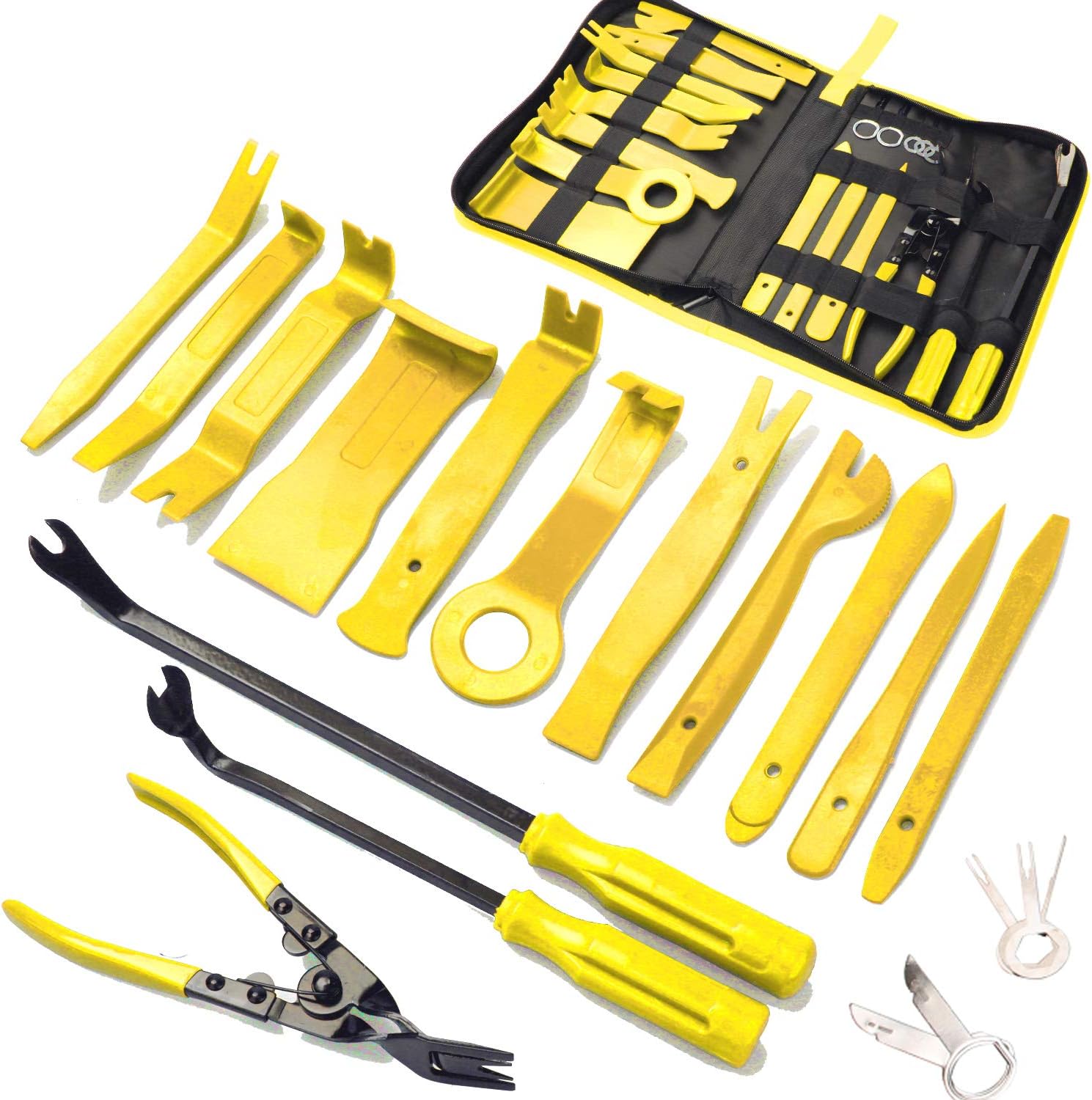
Panel-beating and shaping tools support controlled correction of bends and uneven areas. Hammers, dollies, pry-style tools, and specialty shaping implements differ in their working surfaces and the level of control they provide. For organized repair work, a set can be useful when multiple shapes or attachments are needed.
Paint-preparation and application equipment can also be part of a broader body repair setup. Spray equipment, masking accessories, and surface-preparation tools should be evaluated for compatibility with the coatings and compressor or power equipment being used.
Features and specifications to compare
Tool construction matters when repeated force, vibration, or contact with metal is involved. Compare handle materials, working surfaces, housing construction, and the quality of attachment points. A comfortable grip and balanced design can make careful work easier, particularly during longer repair sessions.
For powered equipment, review the power source, operating controls, attachment system, and maintenance requirements. Pneumatic tools require suitable air connections and an adequate compressor setup. Electric tools may be preferable when portability and straightforward setup are priorities.
For sanding and polishing equipment, check pad or disc size, speed control, movement type, and compatible consumables. For pulling tools, examine the pulling method, contact accessories, adjustment range, and instructions for protecting the surrounding panel.
Brands represented in the catalog
The catalog includes body repair and automotive tool products from brands such as スリーエム(3M), TCP Global, SPTA, Griot's Garage, Chemical Guys, GLISTON, SIQUK, YOOHE, Devilbiss, Lisle, ABN, and UTOOL. These brands are represented across different tool formats and automotive tasks, so compare each product on its own specifications rather than choosing by brand name alone.
Building a practical workshop setup
Body repair often works best as a coordinated process. Shoppers comparing tools may also want to browse Tools & Equipment for broader automotive equipment and Garage & Shop for workshop-related products.
Depending on the project, other equipment may be relevant. Diagnostic, Test & Measurement Tools can support fault-finding before cosmetic work begins, while Tire & Wheel Tools address separate wheel and tire tasks. For vehicle maintenance outside bodywork, Oil System Tools and Air Conditioning Tools & Equipment may help complete a wider garage setup.
Keep consumables, replacement attachments, lighting, and storage in mind when comparing a tool. A product that fits existing accessories and workshop equipment may be more practical than one requiring a completely different setup.
Safety and care tips
Read the manufacturer’s instructions before use, especially for powered, pneumatic, pulling, and cutting equipment. Wear suitable eye protection and respiratory protection when sanding, grinding, spraying, or handling dust and coatings. Protect nearby glass, trim, wiring, and finished surfaces from accidental contact.
Inspect handles, cords, hoses, fasteners, pads, and attachments before each use. Keep abrasive surfaces clean, replace worn components, and store tools where moisture and contamination will not affect them. Use controlled force and test an unfamiliar tool on an appropriate practice area when possible.
Frequently asked questions
What body repair tool should be used for a dent?
The appropriate tool depends on the dent’s depth, shape, location, and the panel material. Compare pulling, pushing, tapping, and reshaping tools based on the repair method they support.
Are body repair tool kits better than individual tools?
A kit can offer several attachments or tool styles for varied repairs. Individual tools may be a better fit when a specific task or working profile is already known.
What should be compared for pneumatic body repair tools?
Check the air connection, operating requirements, controls, attachments, and compressor compatibility. Confirm that the workshop’s air setup matches the tool’s specifications.
Which tools help prepare a panel for painting?
Sanding, surface-preparation, cleaning, masking, and finishing tools can all be involved. Choose based on the existing coating, repair material, desired finish, and compatible consumables.
How can body repair tools be stored and maintained?
Clean tools after use, inspect moving and contact parts, replace worn accessories, and store equipment in a dry, organized location. Follow the care instructions supplied with each product.