

Antifreezes & Coolants
Compare antifreezes and coolants by vehicle compatibility, coolant chemistry, and concentrate or premixed format. Review specifications before choosing a fluid for your maintenance needs.
75 products in catalog
75 results
Filters
Availability
Brand
Price


Valvoline
Valvoline Multi-Vehicle 50/50 Prediluted Ready-to-Use Antifreeze/Coolant 1 GA, Light Yellow/Green.
See current price


BlueDEF
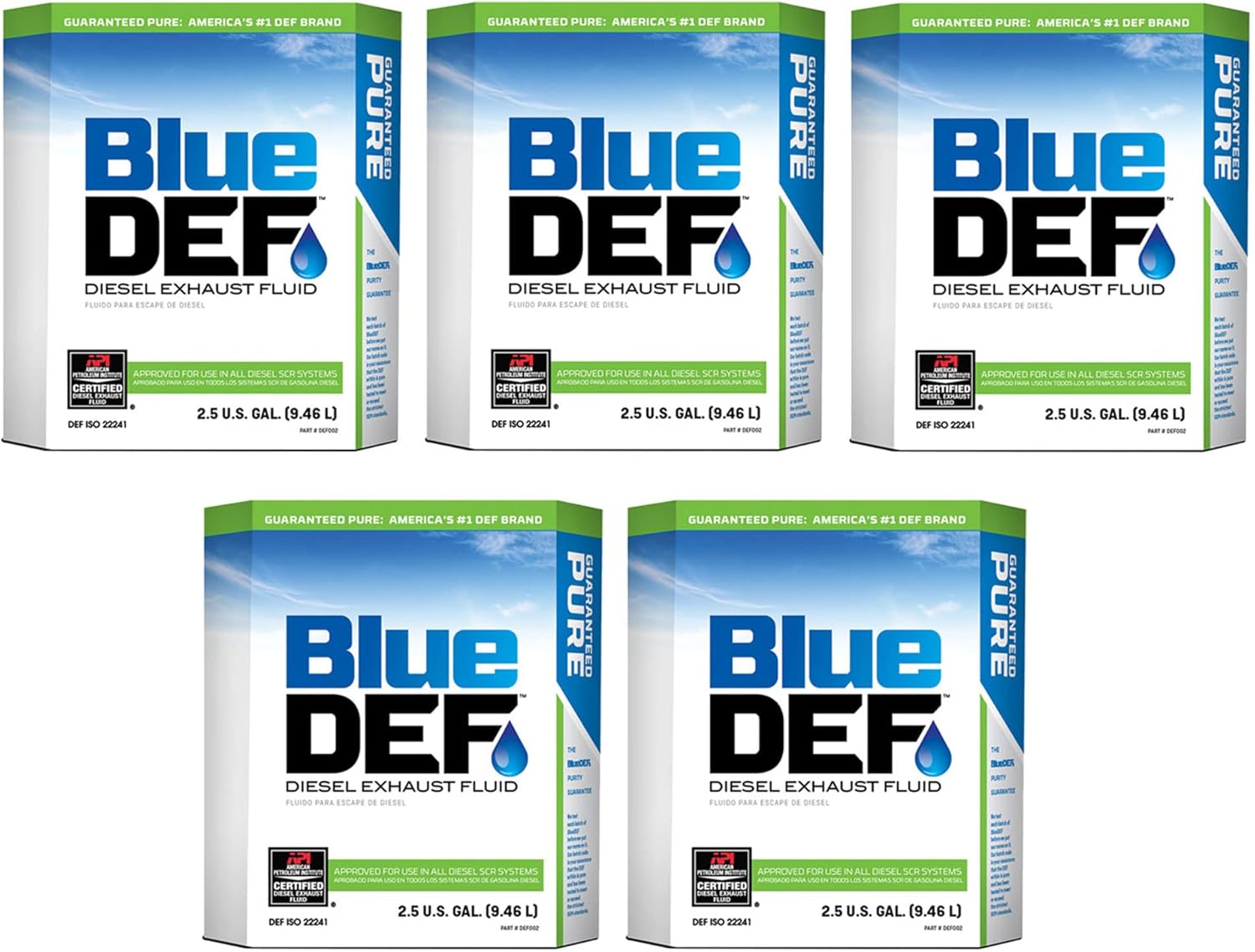
BlueDEF Diesel Exhaust Fluid Synthetic Urea Deionized Water 2.5 Gallon (5 Pack)
See current price


Polaris
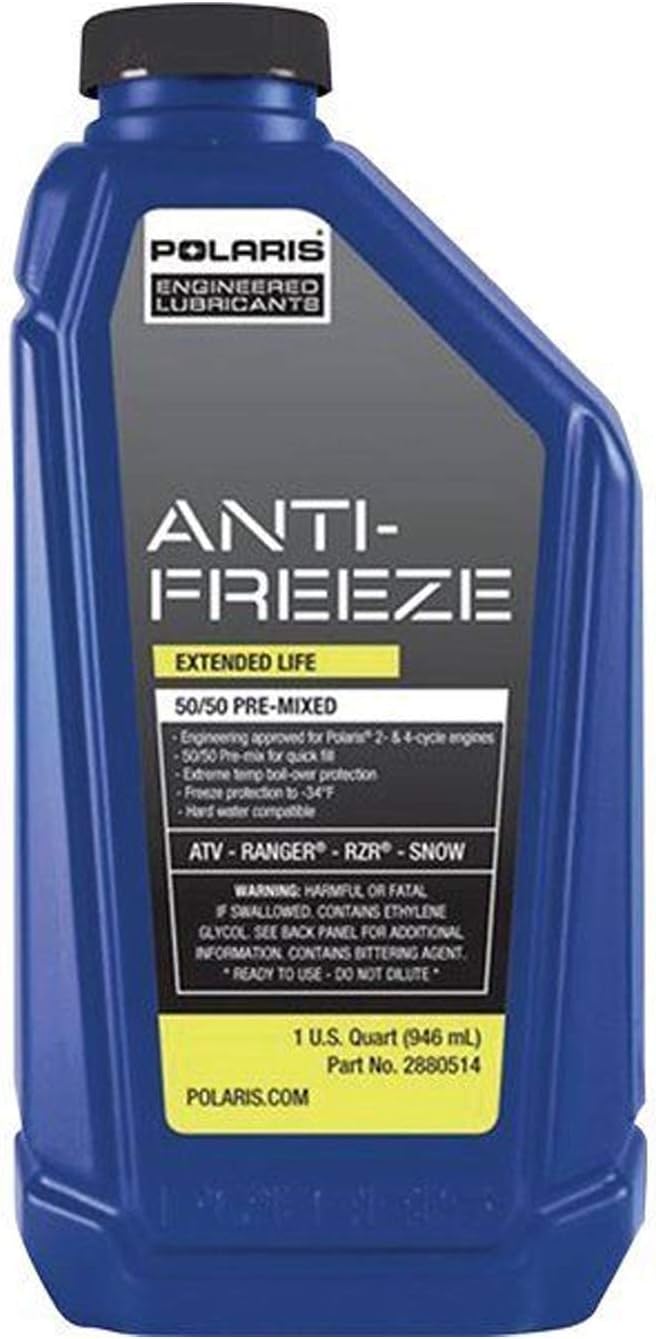
Polaris 50/50 Premix Extended Life Antifreeze, Snowmobiles and ORV Aluminum Cooling Systems
See current price


Genuine Nissan Parts
Genuine Nissan Parts - Authentic Catalog Part from The Factory (999MP-L25500P)
See current price


ACDelco
ACDelco GM Original Equipment 10-5027 Dex-Cool 50/50 Pre-Mix Engine Coolant - 1 gal
See current price

Popular brands in Antifreezes & Coolants
Antifreeze and coolant help manage engine temperature and protect the cooling system during changing operating conditions. The right product depends less on color or brand recognition and more on the vehicle manufacturer’s requirements, the existing coolant, and how the fluid will be prepared.
K-Catalog brings together options from brands including PEAK, Ford, Prestone, Zerex, Genuine, Valvoline, Mopar, Engine Ice, BMW, Thermaltake, Red Line, and Honda. Compare product specifications and features, then check the current listing for details before buying.
How to choose antifreeze or coolant
Start with the owner’s manual or the vehicle manufacturer’s service information. It may specify a coolant technology, approval, service requirement, or particular formulation. Matching those requirements is more dependable than choosing by color, since color is not a universal guide to coolant chemistry or compatibility.
Consider these factors before selecting a product:
- Vehicle compatibility: Look for the vehicle make, model, engine, and required coolant specification where provided.
- Coolant chemistry: Different formulations may use different additive packages and are not automatically interchangeable.
- Concentrate or premix: Concentrate must be diluted correctly, while premixed coolant is ready to use as supplied.
- Operating conditions: Climate, seasonal temperatures, towing, and the vehicle’s cooling-system design may affect the appropriate choice.
- Maintenance situation: A top-off, drain-and-fill, or complete flush can require different preparation and volume planning.
If the existing coolant is unknown or contaminated, mixing products without confirming compatibility can make maintenance decisions more difficult. Follow the vehicle maker’s instructions for draining, flushing, and refilling.
Main coolant types and formats
Concentrated coolant
Concentrate offers flexibility because it can be mixed with the appropriate amount of distilled or deionized water when the manufacturer calls for that preparation. It requires careful measuring and storage of any unused product. Check the label and vehicle documentation for the recommended mixture rather than assuming one ratio applies to every vehicle.
Premixed coolant
Premixed products are prepared for direct use and can be convenient for topping off or routine service. Confirm whether the product is intended for your vehicle before opening it, and do not dilute it further unless the instructions specifically say to do so.
Vehicle-specific formulations
Some coolants are marketed for particular vehicle makes or manufacturer specifications. These can simplify comparison when the product documentation matches the requirement in the owner’s manual. A vehicle-specific label is not a substitute for verifying the exact specification, especially when the car has had previous coolant service.
Performance-oriented coolants
Some products are positioned for specialized applications or demanding operating conditions. Compare the stated use, compatibility information, protection claims, and preparation instructions carefully rather than selecting solely on the basis of performance language.
Specifications and features to compare
Product labels and technical descriptions can differ in the details they provide. Give priority to information that directly affects fit and safe use:
- Application approvals and specifications: These are useful for matching the fluid to the vehicle’s requirements.
- Ready-to-use status: Confirm whether the product is premixed or concentrated.
- Protection information: Review the stated temperature protection and corrosion-control details where available.
- Coolant technology: Check whether the formulation is intended for a specific additive system or service interval.
- Container format: Choose a size and package type that suits the planned service while allowing secure storage.
- Usage instructions: Read dilution, flushing, storage, and disposal guidance before use.
Coolant should not be selected by color alone. Two fluids with similar colors can have different formulations, while the same general color does not guarantee compatibility.
Brands represented in the catalog
The catalog includes products associated with PEAK, Prestone, Zerex, Valvoline, Engine Ice, and Red Line, along with vehicle-related offerings from Ford, Genuine, Mopar, BMW, and Honda. Thermaltake is also represented. Treat these names as a starting point for comparison, then verify each product’s specifications and intended application against the vehicle documentation.
Antifreezes and coolants are part of the broader Oils & Fluids category. For related maintenance products, browse Oils, Additives, and Greases & Lubricants. Other fluid and care categories include Cleaners, Transmission Fluids, and Windshield Washer Fluids.
Safe handling and maintenance tips
Never remove a radiator or expansion-tank cap while the engine is hot. Allow the cooling system to cool and follow the vehicle manufacturer’s procedure. Keep coolant away from children and pets, use suitable protective equipment, and clean spills promptly. Used coolant should be collected and disposed of according to local requirements rather than poured onto the ground or into a drain.
For a refill, identify the correct reservoir, confirm the fluid level markings, and follow the recommended bleeding or air-removal procedure. If the fluid looks contaminated, the engine is overheating, or the level repeatedly drops, investigate the underlying issue instead of relying on repeated top-offs.
Frequently asked questions
Is antifreeze the same as coolant?
The terms are often used together. Antifreeze is typically the concentrated fluid, while coolant commonly refers to the prepared mixture used in the vehicle. Check the product label to confirm whether it is concentrate or premixed.
Can different coolant brands be mixed?
Brand names alone do not determine compatibility. Mix products only when their specifications and chemistry are confirmed to be compatible with each other and with the vehicle’s requirements.
Does coolant color identify its type?
No. Color is not a reliable way to identify coolant chemistry or compatibility. Use the specification, application information, and vehicle documentation instead.
Should concentrate be diluted with tap water?
Use the water type and mixture recommended by the product instructions or vehicle manufacturer. Do not assume tap water is suitable for every cooling system.
How do I choose coolant for a specific vehicle?
Check the owner’s manual or service information for the required specification, then compare product labels for vehicle compatibility, coolant technology, and ready-to-use status.