

Windshield Washer Fluids
Compare windshield washer fluids by seasonal performance, cleaning ability, and vehicle compatibility. Review the specifications and features that matter before choosing a formula.
30 products in catalog
30 results
Filters


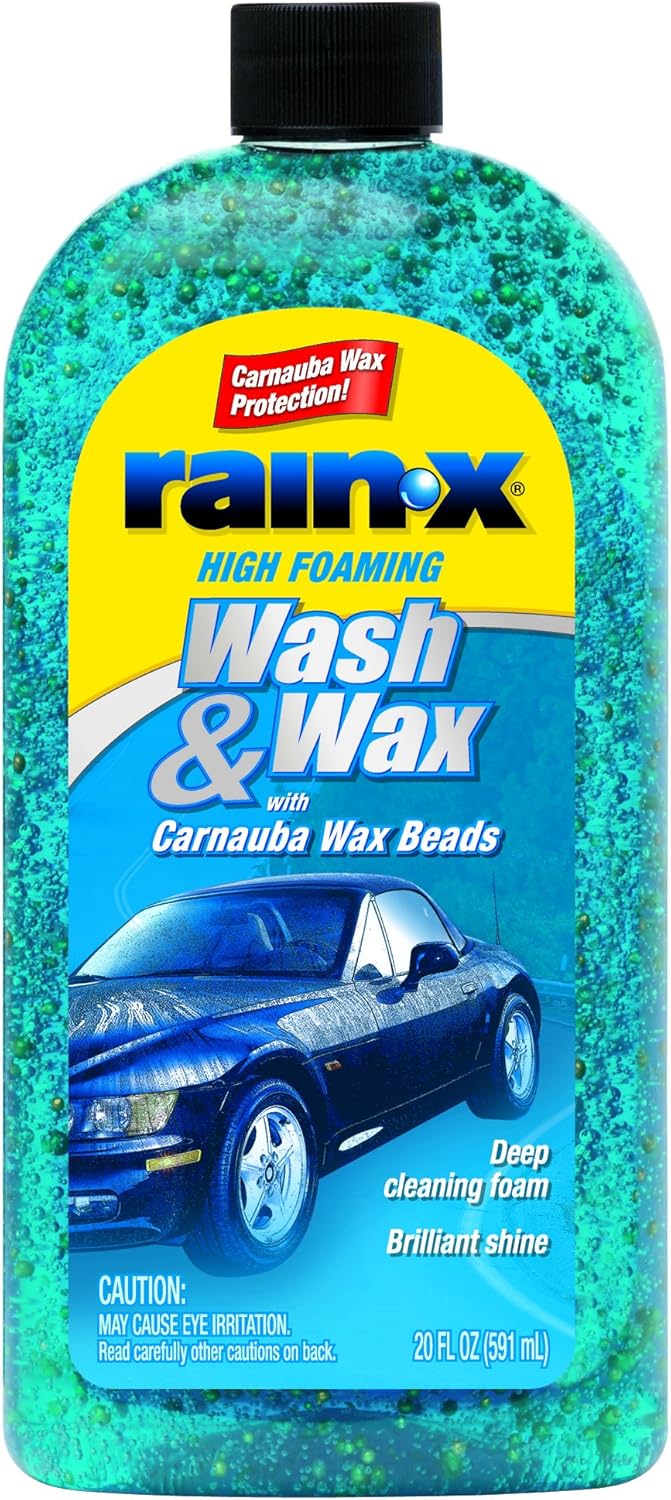

nextzett
nextzett 92100815 Kristall Klar Washer Fluid 1:200 Concentrate - 8.5 fl. oz., Green
See current price


Rain-X
Rain-x 2 Pack 2 in 1 All Season (-25) Washer Fluid Net Wt 255.63 Fl Oz, 255.63 Fluid Ounce
See current price


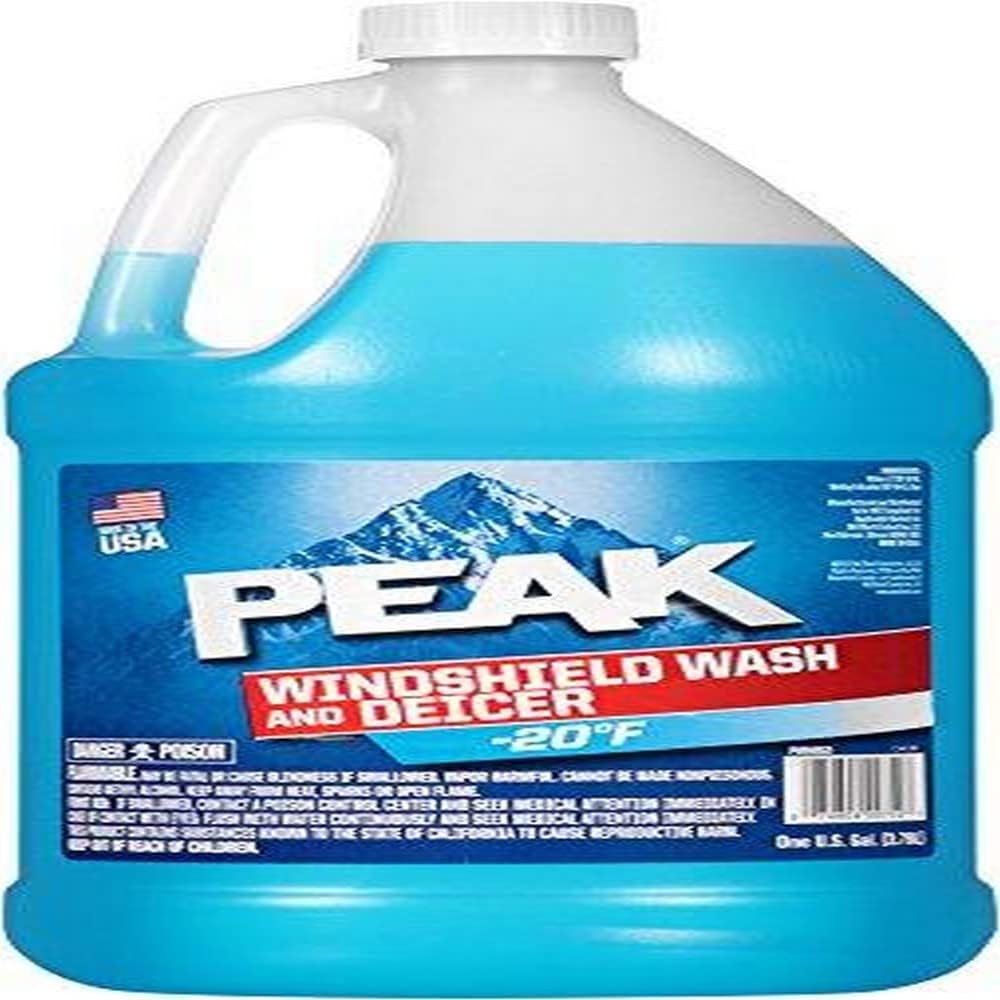

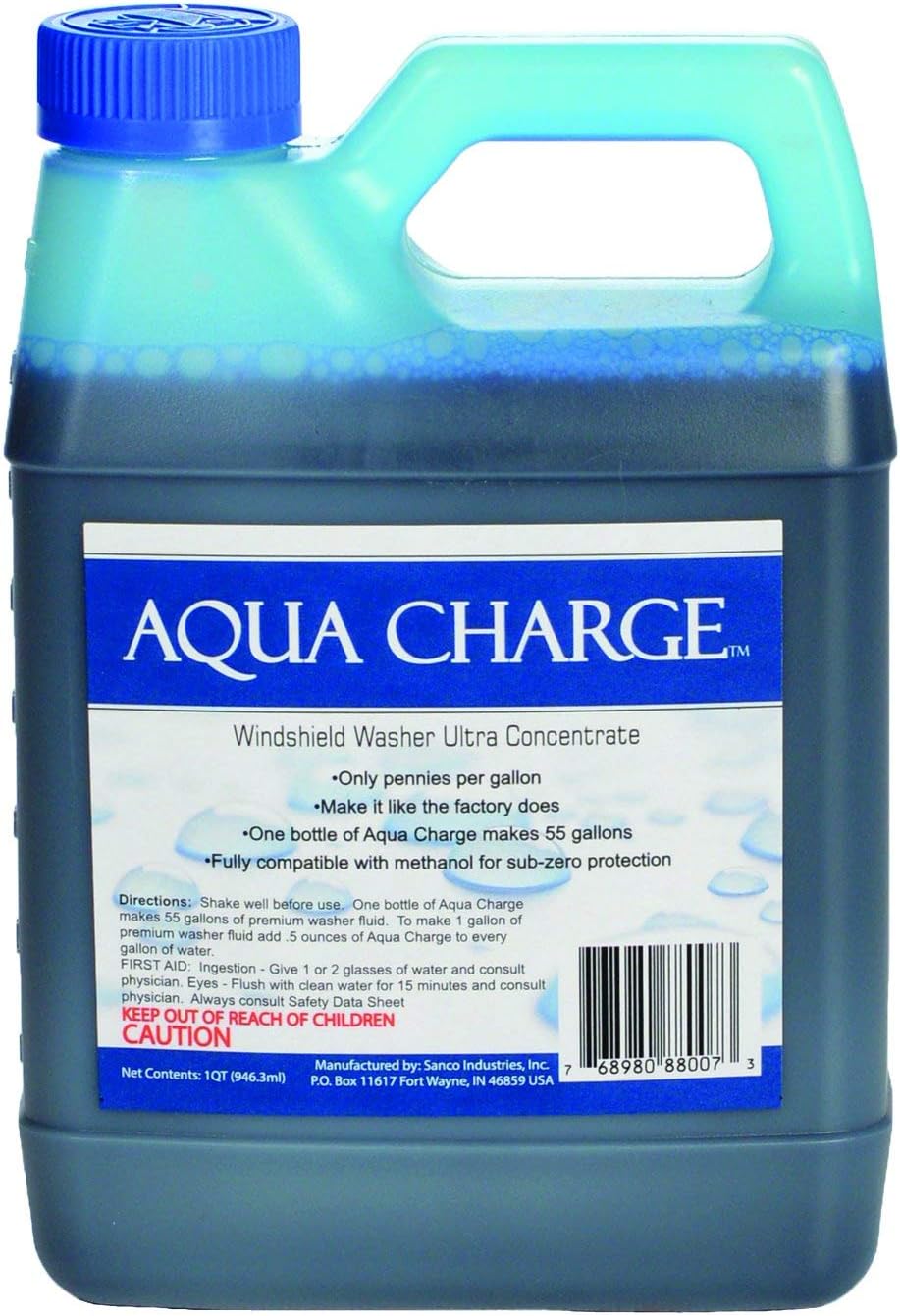


Qwix Mix
Qwix Mix Rain Shield Windshield Washer Fluid Concentrate, 1 Bottle makes 32 Gallons– Repels Rain
See current price


Prestone
Prestone 3-in-1 All Season Year Round Windshield Washer Fluid 0 Degree (1 Gallon),Orange
See current price

Popular brands in Windshield Washer Fluids
Windshield washer fluid helps clear road film, dust, insects, salt, and other visibility-blocking residue from the windshield. The right formula depends on your climate, driving conditions, vehicle requirements, and the type of cleaning performance you want.
K-Catalog makes it easier to compare available options by their listed specifications and features. Since formulas vary, check the product details carefully rather than choosing based only on packaging or brand familiarity.
How to choose windshield washer fluid
Start with the conditions your vehicle commonly faces. A mild-weather cleaning fluid may suit drivers in warmer regions, while a winter-oriented formula can be more appropriate where freezing temperatures are common. If your vehicle is exposed to road salt, heavy rain, insects, or frequent highway driving, look for features that address those specific residues.
Important factors include:
- Climate suitability: Confirm whether the formula is intended for summer, winter, all-season, or general use.
- Freezing protection: In cold regions, check the stated freeze-resistance information and follow the product’s usage guidance.
- Cleaning focus: Some products emphasize general windshield cleaning, while others are designed to help remove insects, grime, or road film.
- Vehicle compatibility: Review the label for guidance on use with your vehicle, washer system, paint, trim, and wiper components.
- Ready-to-use or concentrate format: A ready-to-use fluid requires no mixing, while a concentrate may need dilution according to the manufacturer’s instructions.
Types and seasonal considerations
Windshield washer fluids are commonly differentiated by intended season and cleaning task. Winter formulas are generally selected for colder conditions, but the listed temperature guidance is the key detail to compare. Using a product that does not suit the local climate can reduce convenience and may create problems in the washer system.
Summer and warm-weather formulas often focus on removing insects, dust, and road residue. All-season options may appeal to drivers who want one general-purpose product, but the label should still be checked against the lowest temperatures where the vehicle is driven.
Concentrated products can be useful when storage space or transport is a concern, provided the required dilution is clear. Ready-to-use products are more straightforward for quick refills. Never mix products unless the manufacturer specifically indicates that doing so is appropriate.
For other automotive fluid categories, browse Oils & Fluids or compare Antifreezes & Coolants when shopping for separate cooling-system protection.
Features and specifications to compare
Product pages can differ in the amount of technical information provided, so compare the details that are available for each formula. Pay particular attention to the stated operating conditions, intended use, and handling instructions.
Useful specifications and features may include:
- Freeze protection or minimum temperature guidance
- Seasonal designation, such as winter or all-season use
- Compatibility with vehicle washer systems and exterior surfaces
- Cleaning claims for insects, grease, salt, or road film
- Ready-to-use or concentrated formulation
- Container design and dispensing convenience
- Scent or fragrance information, if relevant to your preferences
- Directions for filling, dilution, storage, and safe handling
The washer reservoir should also be identified correctly before filling. Windshield washer fluid is not a replacement for Oils, Transmission Fluids, or coolant. Each automotive fluid serves a different system and should be used only as directed.
Brands represented in the catalog
The catalog includes windshield washer fluid products from Prestone, Rain-X, Number 1 In Service, Qwix Mix, CRC, Frylr, awave bloom, DOKIKO, Sanco Industries, Kliveco, HS, and PEAK/HERCLNR. These brands are well represented in this category, giving shoppers a range of formulas and product formats to compare.
Brand name alone does not determine whether a fluid is suitable for a particular vehicle or climate. Use the brand information alongside the product’s listed specifications, directions, and compatibility details.
Use and storage tips
Check the vehicle handbook or washer-fluid reservoir instructions before selecting a product. Keep the container sealed when stored, follow the label’s safety guidance, and avoid transferring fluid to an unlabeled container. If a concentrate requires dilution, use the method and proportions stated by the manufacturer.
Inspect the washer nozzles and wiper blades if cleaning performance is poor. Clogged spray openings, worn blades, or a nearly empty reservoir can affect visibility even when the fluid is appropriate. In freezing weather, confirm that the fluid in the reservoir and lines is suitable for the conditions before driving.
For adjacent maintenance products, K-Catalog also organizes Additives, Greases & Lubricants, and Cleaners.
Frequently asked questions
What windshield washer fluid should I use in winter?
Choose a formula whose listed freeze protection matches the coldest conditions in which the vehicle will be driven. Check the product directions before filling the reservoir.
Can summer washer fluid be used in cold weather?
Only if its stated temperature suitability covers the conditions. A formula without adequate cold-weather protection may not be appropriate when freezing temperatures are expected.
Is concentrated washer fluid better than ready-to-use fluid?
Neither format is universally better. Concentrate can reduce storage needs, while ready-to-use fluid offers simpler filling. Compare directions and convenience for your situation.
Can windshield washer fluid replace antifreeze or coolant?
No. Washer fluid is intended for the windshield cleaning system, while antifreeze and coolant serve the vehicle’s cooling system. They are not interchangeable.
How do I compare washer fluids for frequent highway driving?
Look for product information addressing road film, insects, grime, or salt, then confirm that the seasonal and vehicle-compatibility guidance fits your conditions.