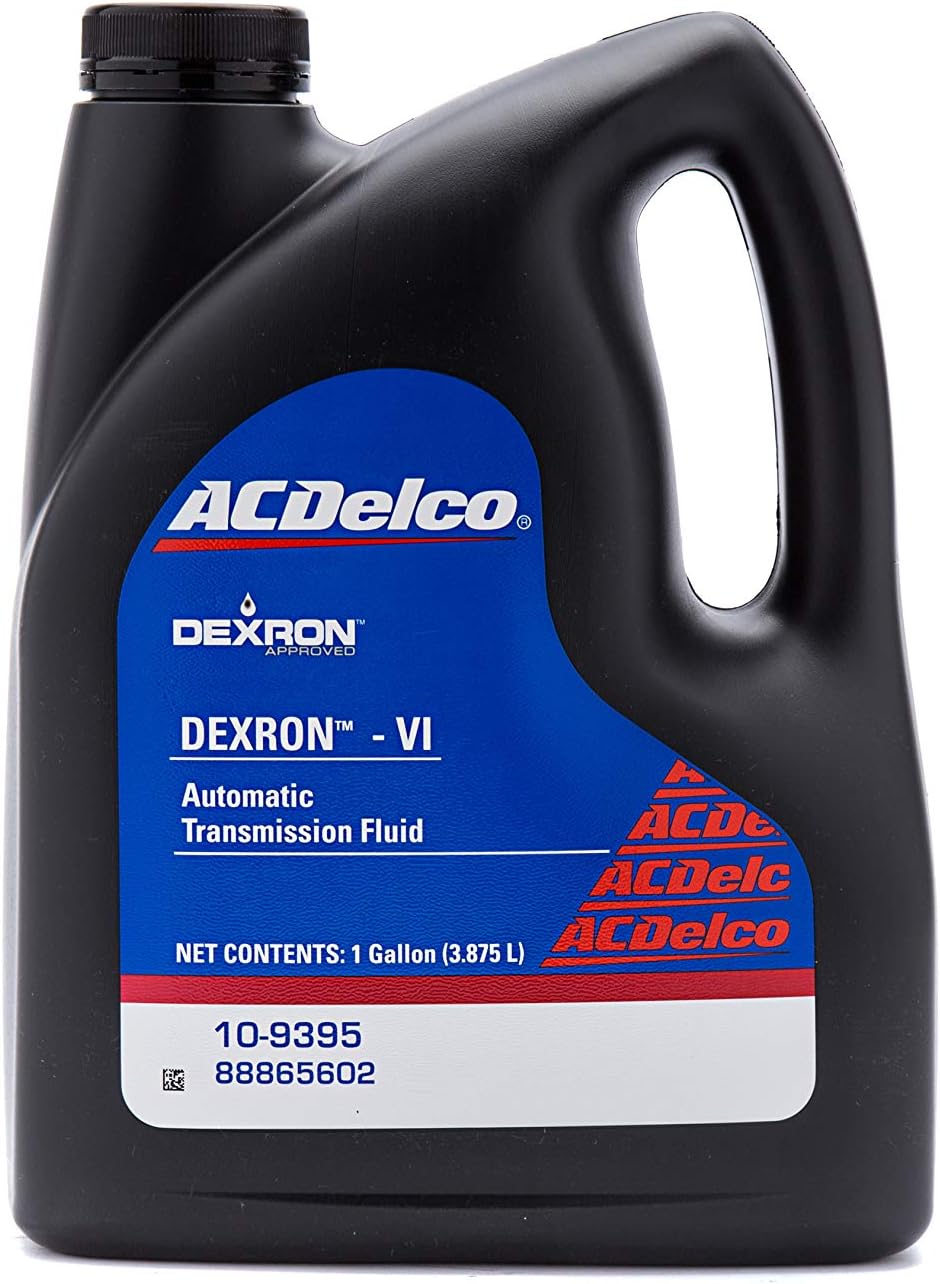
ACDelco
ACDelco GM Original Equipment 10-9395 Dexron VI Automatic Transmission Fluid - 1 gal
See current price

Compare transmission fluids by vehicle compatibility, transmission type, required specifications, and fluid features. Use the product details to narrow options before checking the current listing.
120 products in catalog
120 results
ACDelco
See current price
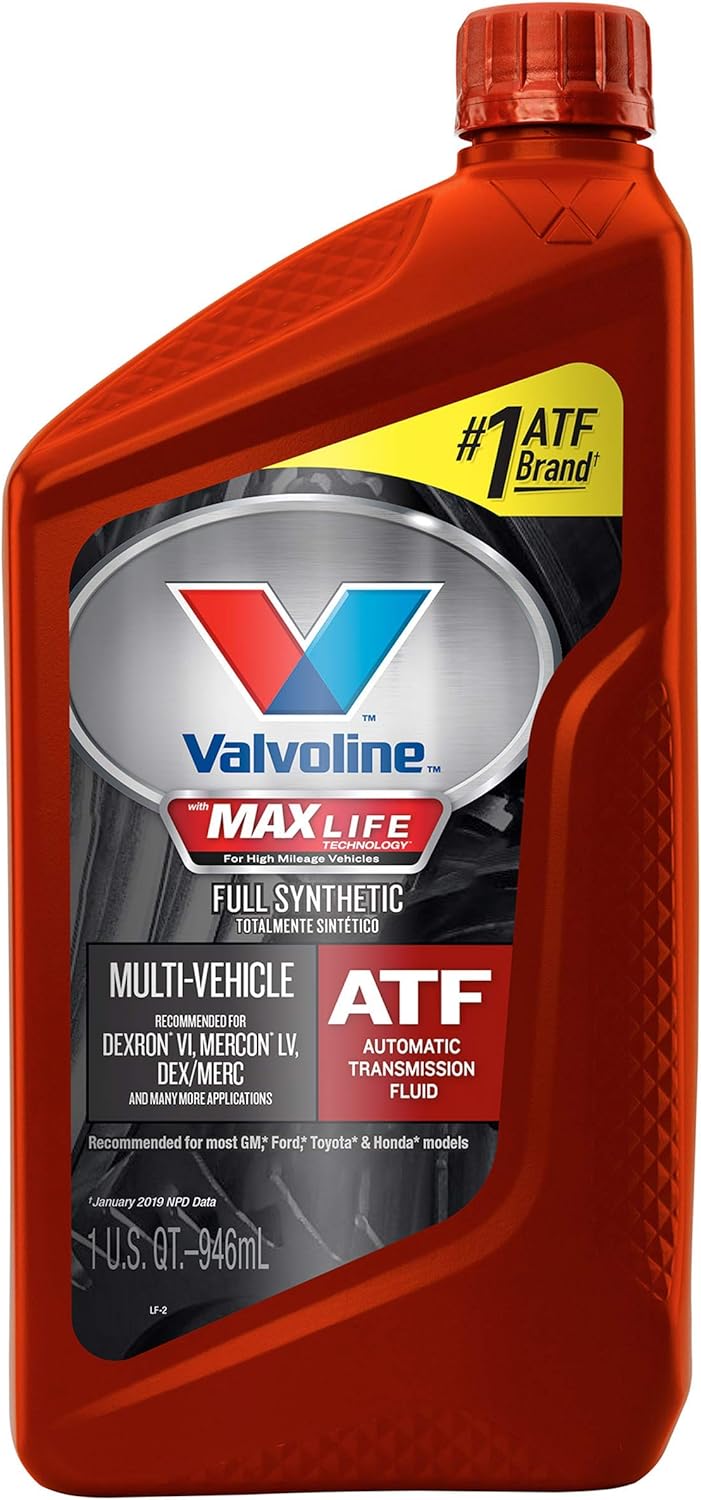
Valvoline
See current price


TOYOTA
See current price
TOYOTA
See current price


Motorcraft
See current price


Royal Purple
See current price

Genuine Chrysler
See current price


Valvoline
See current price


Transmission fluid helps lubricate internal components, transfer hydraulic pressure, and manage heat within a transmission. The correct product depends on the vehicle, transmission design, and fluid specification—not simply whether the container says “transmission fluid.”
K-Catalog makes it easier to compare available specifications and features across listings. Always confirm the requirements in the owner’s manual or service information before selecting a fluid.
Start with the vehicle manufacturer’s requirements. A transmission may require a specific formulation, approval, or performance standard, and using an incompatible fluid can affect shifting or transmission operation. Vehicle year, make, model, engine, and drivetrain details may all be relevant when checking compatibility.
Next, identify the transmission type:
Read the product description and label information carefully rather than relying on a general product name. Important details include:
A fluid described as multi-vehicle or multi-application still needs to match the required specification. “Universal” wording should not replace checking the vehicle manufacturer’s instructions.
Transmission service intervals vary by vehicle and driving conditions, so follow the maintenance schedule provided for the specific vehicle. If the fluid level is low, look for the cause rather than treating repeated top-offs as normal maintenance. Leaks, unusual shifting, delayed engagement, or unfamiliar noises may require professional diagnosis.
Use clean equipment and avoid introducing dirt, water, or another fluid type into the transmission. If a product is intended for a particular transmission family, verify that it is approved for the exact application before mixing or switching fluids. Some transmissions also require a specific filling procedure or fluid-level temperature range; the service information should take priority over general advice.
For other vehicle maintenance supplies, browse Oils & Fluids, or compare related Oils, Additives, and Greases & Lubricants. Cleaners may also be useful when preparing equipment or service areas, but cleaners are not substitutes for transmission fluid.
The transmission fluid catalog includes products from Honda, Valvoline, Mopar, ACDelco, Idemitsu, Motorcraft, TOYOTA, Red Line, Genuine Nissan Parts, Ford, Mobil 1, and LUCAS. These brands may cover different vehicle applications and formulation types, so compare each individual listing’s specifications rather than choosing by brand name alone.
Manufacturer-branded fluids can be useful when the vehicle documentation calls for a particular specification. Aftermarket products may also list compatibility information, but the exact claim should be compared with the vehicle’s required standard.
Not automatically. CVTs often require a dedicated fluid, so use only a product that matches the vehicle manufacturer’s stated requirement.
The required specification comes first. Synthetic formulation may offer certain performance characteristics, but it does not make an otherwise incompatible fluid suitable.
Mixing should be avoided unless the vehicle or fluid manufacturer specifically permits it. Confirm compatibility before topping off or changing fluid types.
Check the owner’s manual, service documentation, or manufacturer information using the vehicle’s exact year, make, model, and transmission type.
Usually not. Their formulations, viscosity requirements, and intended applications can differ substantially. Use the lubricant specified for the particular transmission or gearbox.
Depending on the maintenance task, you may also need Antifreezes & Coolants or Windshield Washer Fluids. These products serve different systems and should not be substituted for transmission fluid.