

Wind & Woodwinds: Compare Instruments and Features
Compare wind and woodwind instruments by their design, playing experience, construction, and included accessories. Review specifications side by side before choosing a fit for practice, lessons, or performance.
146 products in catalog
146 results
Filters


Mendini by Cecilio
Mendini By Cecilio Eb Alto Saxophone - Case, Tuner, Mouthpiece, 10 Reeds, Pocketbook- Nickel E Flat Musical Instruments
See current price


GLORY
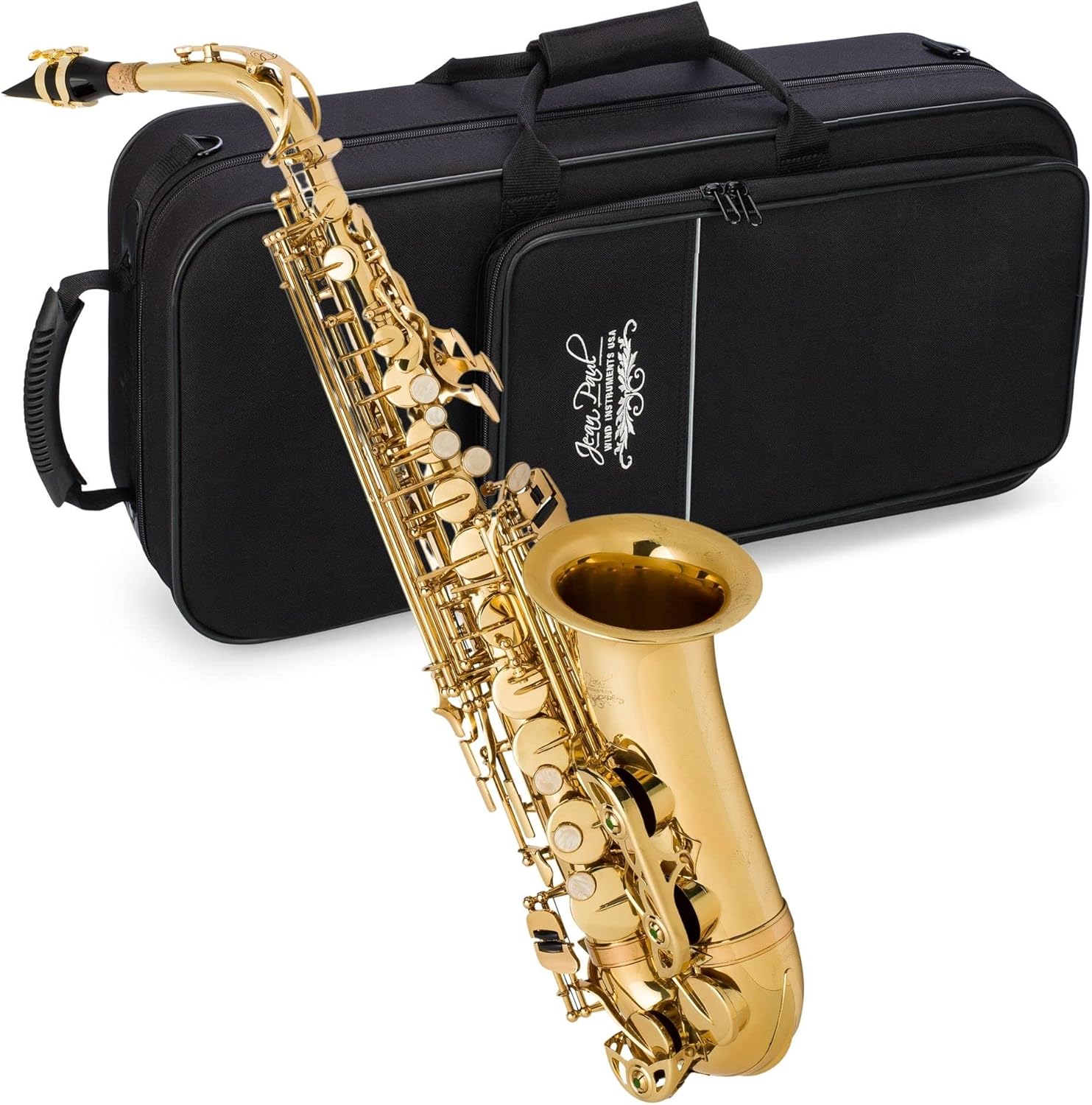
Glory Black Laquer E Flat Alto Saxophone with 11reeds,8 Pads cushions,case,carekit
See current price


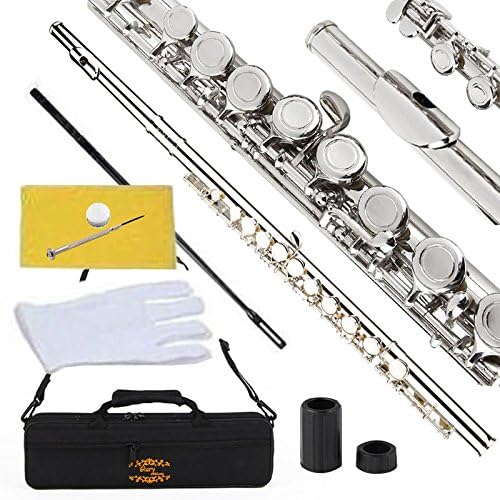
GLORY
Glory Closed Hole C Flute With Case, Tuning Rod and Cloth,Joint Grease and Gloves Blue
See current price




Popular brands in Wind & Woodwinds
Wind and woodwind instruments cover a broad range of musical styles, from classroom and concert-band playing to solo practice and ensemble performance. When comparing products, start with the instrument type and playing level, then look closely at materials, dimensions, included components, and care requirements.
This category sits within Band & Orchestra, alongside other instrument families used in ensemble settings. The catalog includes options from brands such as Yamaha, Mendini by Cecilio, GLORY, Eastar, TROPHY, EASTROCK, Nuvo, 8BEES, Jean Paul USA, EastyGold, and Hohner Accordions. sweetnice Women Shoes also appears among the catalog brands, so check each listing carefully to confirm that its specifications match the instrument or accessory you need.
How to choose a wind or woodwind instrument
Begin with the player’s experience, musical setting, and practical needs. A beginner may benefit from a straightforward design, manageable size, and a package that includes useful essentials. More experienced players may prioritize construction details, response, ergonomics, and compatibility with their existing setup.
Consider these questions before comparing individual listings:
- Who will play it? An adult, child, student, hobbyist, or performing musician may need a different size and handling experience.
- Where will it be used? Home practice, lessons, marching, concert band, and stage performance can place different demands on an instrument.
- What is included? Check whether the listing includes a case, mouthpiece, reeds, cleaning tools, straps, stands, or other accessories rather than assuming they are part of the package.
- How will it be maintained? Instruments with small moving parts or moisture-sensitive components require consistent cleaning and appropriate storage.
Main wind and woodwind types
Wind instruments produce sound through moving air, but the playing method and construction vary considerably. Woodwinds generally use a mouthpiece, reed, or air channel, while other wind instruments may use a different sound-producing design. The right choice depends on the desired tone, technique, and role in an ensemble.
Look for instruments intended for beginner instruction if the player is learning fundamentals. Student-oriented designs may focus on accessible handling and a complete starting setup. Players who already understand embouchure, fingering, or breath control may instead compare more specialized construction and performance features.
For neighboring instrument families, explore Brass or Orchestral Strings. These categories can help when assembling a broader band or orchestra setup, but they use different playing techniques and maintenance routines.
Specifications and features to compare
Product descriptions can differ significantly, so compare like-for-like details rather than relying on appearance alone.
- Instrument type and key: Confirm the exact instrument, tuning or key, and intended musical role.
- Materials and finish: Examine the listed body material, finish, pad or valve construction, and any details that may affect durability or upkeep.
- Size and weight: Dimensions matter for younger players, travel, storage, and comfortable posture.
- Mouthpiece and reed compatibility: Check the included mouthpiece or reed information and whether replacements are easy to source.
- Mechanism and ergonomics: For instruments with keys, valves, or other moving parts, review the layout and whether it suits the player’s hand size and technique.
- Included accessories: A case, cleaning equipment, grease, swabs, straps, or spare components can affect how ready the instrument is for lessons or practice.
- Care instructions: Look for guidance on moisture removal, lubrication, storage, and routine inspection.
Brands represented in the catalog
The catalog includes wind and woodwind listings associated with Yamaha, Mendini by Cecilio, GLORY, Eastar, TROPHY, EASTROCK, Nuvo, 8BEES, Jean Paul USA, EastyGold, and Hohner Accordions. Brand name alone does not determine whether an instrument is suitable. Compare the specific listing’s construction, included parts, dimensions, and intended use, since products within a brand can serve different players.
Setup, care, and compatibility tips
Before ordering, verify that the instrument’s size and configuration fit the player. For a student, confirm that an instructor or school has not specified a particular instrument type, key, mouthpiece, or accessory standard. This can prevent compatibility issues later.
Store the instrument in its case when it is not being played, and follow the manufacturer’s instructions for cleaning and drying. Avoid forcing keys, valves, joints, or connectors. Reeds, pads, and other wear components should be checked periodically and replaced when they no longer perform properly. When comparing a bundle, identify which items are consumable and which are reusable.
Frequently asked questions
What is the difference between wind and woodwind instruments?
Wind is a broad family of instruments played with air. Woodwinds are a wind-instrument group that commonly uses a reed, air channel, or similar design to create vibration and sound.
Which instrument is suitable for a beginner?
The best starting point depends on age, hand size, musical goals, and instruction. Prioritize manageable dimensions, clear specifications, included essentials, and compatibility with the player’s lessons or school program.
Should an instrument include a case and accessories?
A case can simplify transport and storage, while accessories may make setup and maintenance easier. Check the listing carefully to see which items are actually included.
How do I compare instruments from different brands?
Compare the same specifications across listings: instrument type, key, materials, dimensions, weight, mechanism, mouthpiece or reed details, and included accessories. Then consider the player’s experience and intended use.
What maintenance do wind and woodwind instruments need?
Most require regular cleaning, careful drying, safe storage, and inspection of moving or moisture-sensitive parts. Follow the care instructions provided for the specific instrument.