

Brass Instruments for Band and Orchestra
Compare brass instruments for band and orchestra by instrument type, construction, playability, and included accessories. Review specifications from brands represented in the K-Catalog.
34 products in catalog
34 results
Filters


Mendini by Cecilio
Mendini by Cecilio Trombone Kit - Bb Tenor Brass Instruments for Kids, Beginners w/Case & Gloves
See current price

Mendini by Cecilio
Mendini MPT Brass Bb Pocket Trumpet + Tuner, Case, Mouthpiece, & More (Gold)
See current price

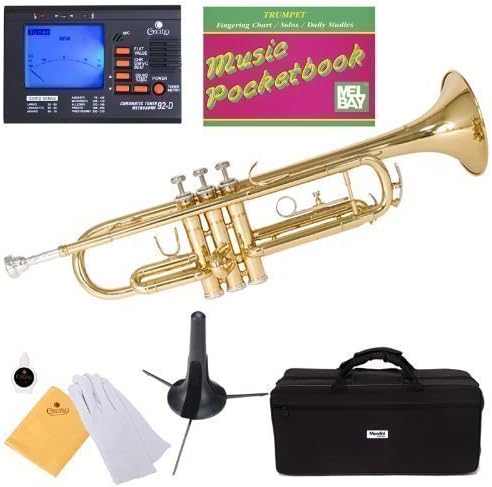
Mendini by Cecilio
Mendini MTT-L Gold Lacquer Brass Bb Trumpet + Tuner, Case, Stand, Mouthpiece, Pocketbook & More - MTT-L+SD+PB+92D
See current price






Popular brands in Brass
Brass instruments create sound when a player vibrates their lips against a mouthpiece. Although they share this basic method, each instrument has a different range, size, feel, and role in an ensemble. The right choice depends on the player’s experience, musical setting, comfort, and the specifications that matter most for regular practice or performance.
This K-Catalog category sits within Band & Orchestra and brings together brass instruments from brands including Mendini by Cecilio, EASTROCK, Eastar, GLORY, Jean Paul USA, PINSTRUMENTS, Pampet, AleHorn, LJ Hutchen, EKING, Forum Novelties, and PBone.
How to choose a brass instrument
Start with the intended musical role. Trumpets are commonly chosen for bright, projecting parts, while trombones offer a broad sound and use a slide rather than valves. French horns are associated with rounded, blended tones, and larger brass instruments such as euphoniums or tubas are designed for lower registers and foundational ensemble parts.
For a beginner, physical comfort and manageable handling can be as important as the instrument’s sound. Consider the player’s age, reach, hand size, and ability to support the instrument. A student instrument should be comfortable enough for consistent practice and straightforward enough to maintain.
The playing environment also matters. A compact instrument may be more convenient for lessons and transport, while a larger instrument may be better suited to an ensemble that needs a deeper register. If the player already performs with a school, community, or orchestra group, check its required instrument type and specifications before buying.
Common brass instrument types
Brass instruments vary considerably in technique and sound. The main distinctions to consider include:
- Trumpets: Compact and generally suited to melodic lines, fanfares, and ensemble parts that need clear projection. Valve action, mouthpiece comfort, and overall weight are key considerations.
- Trombones: Played with a slide, requiring coordination, accurate positioning, and enough room for comfortable movement. Slide smoothness and balance can strongly affect playability.
- French horns: Known for a rounded, blended character and a different hand position from many other brass instruments. Players should pay close attention to fit, control layout, and comfort.
- Euphoniums and baritones: Lower-voiced instruments with a fuller sound, often used for supporting harmony and melodic parts. Weight, valve response, and case portability are useful comparison points.
- Tubas: Large, low-register instruments that require substantial breath support and careful attention to body position. Dimensions, handling, and storage should be considered before purchase.
For instruments outside the brass family, shoppers can also browse Wind & Woodwinds or compare the different construction and playing requirements of Orchestral Strings.
Specifications and features to compare
Product descriptions can differ widely, so compare like-for-like details rather than relying on appearance alone. Useful specifications and features include:
- Instrument type and key: Confirm that the instrument matches the music, ensemble, or instructional program where it will be used.
- Material and finish: Brass construction, surface finish, and protective coatings can affect appearance, care requirements, and the instrument’s overall feel.
- Valves or slide: Look for clear information about valve operation, slide design, alignment, and maintenance needs.
- Size and weight: These affect posture, transport, storage, and whether the instrument is practical for the intended player.
- Mouthpiece and accessories: Check what is included, such as a mouthpiece, case, cleaning tools, lubricant, or polishing cloth. Included accessories can vary by listing.
- Case design: A suitable case helps with carrying and storage. Consider handles, straps, padding, and available room for essential accessories.
- Intended player: Some listings are aimed at beginners, students, or more experienced musicians. Match the design and setup to the player’s current needs.
Brands represented in the catalog
The catalog includes brass listings from Mendini by Cecilio, EASTROCK, Eastar, GLORY, Jean Paul USA, PINSTRUMENTS, Pampet, AleHorn, LJ Hutchen, EKING, Forum Novelties, and PBone. Availability and product details can vary between listings, so compare each item’s instrument type, materials, dimensions, included accessories, and care requirements individually.
Brand familiarity should not replace specification checking. The most suitable listing is the one that fits the player, ensemble requirements, and practical needs for transport, maintenance, and storage.
Care, storage, and setup tips
Brass instruments need routine care to remain comfortable to play. Follow the manufacturer’s cleaning and lubrication instructions, and use products intended for the relevant valves, slide, or finish. Avoid forcing valves or slides if they feel stuck; improper handling can cause damage.
After playing, store the instrument in its case rather than leaving it exposed to dust, moisture, or accidental impact. Keep the mouthpiece and small accessories organized, and check that the case closes securely before carrying it. For student musicians, an instructor can help confirm mouthpiece fit, posture, breathing technique, and basic maintenance.
Frequently asked questions
Which brass instrument is easiest for a beginner?
There is no single choice for every player. A compact instrument may be easier to hold, while the best option also depends on the student’s instruction program, physical comfort, and preferred musical role.
What should I compare first?
Confirm the instrument type and key first, then compare size, weight, construction, valve or slide design, included mouthpiece, case, and care accessories.
Are included accessories important?
Yes. A mouthpiece and suitable case are especially useful, while cleaning tools and lubricants can make regular maintenance more convenient. Always verify the listing contents.
How do valves and slides differ?
Valved instruments change notes by pressing finger-operated valves. Trombones use a hand-controlled slide, which requires accurate positioning and adequate space for movement.
How should a brass instrument be stored?
Clean and dry it according to the manufacturer’s guidance, then keep it in a properly fitting case away from excessive moisture, heat, and impact.