

Orchestral Strings: Instruments and Buying Guide
Compare orchestral string instruments and related essentials by size, construction, playability, and included accessories. This guide highlights the specifications that matter for students, ensembles, and experienced players.
95 products in catalog
95 results
Filters


Cecilio
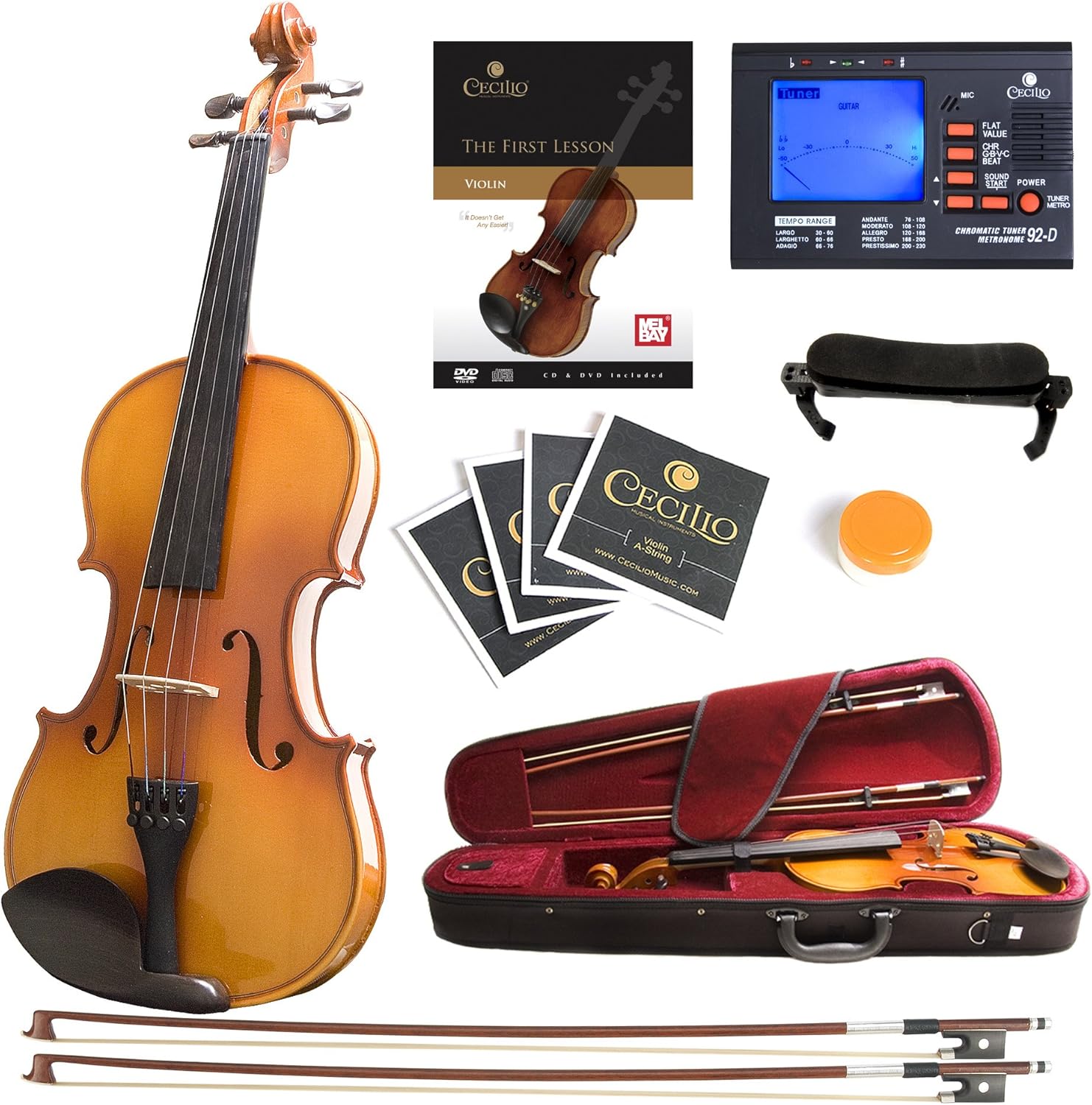
Cecilio CVN-300 Solidwood Ebony Fitted Violin with D'Addario Prelude Strings, Size 3/4
See current price



Mendini by Cecilio
Mendini 12-Inch MA250 Varnish Solid Wood Viola with Case, Bow, Rosin, Bridge and Strings
See current price

Cecilio
Cecilio 4/4 CVNAE-White Ebony Fitted Acoustic/Electric Violin in Pearl White(Full Size)
See current price


Mendini by Cecilio
Mendini MV400 Ebony Fitted Solid Wood Violin with Hard Case, Shoulder Rest, Bow, Rosin, Extra Bridge and Strings - Size 1/2
See current price

Mendini by Cecilio
Mendini MV400 Ebony Fitted Solid Wood Violin with Hard Case, Shoulder Rest, Bow, Rosin, Extra Bridge and Strings - Size 3/4
See current price
Mendini by Cecilio
Mendini MV400 Ebony Fitted Solid Wood Violin with Hard Case, Shoulder Rest, Bow, Rosin, Extra Bridge and Strings - Size 1/4
See current price
Mendini by Cecilio
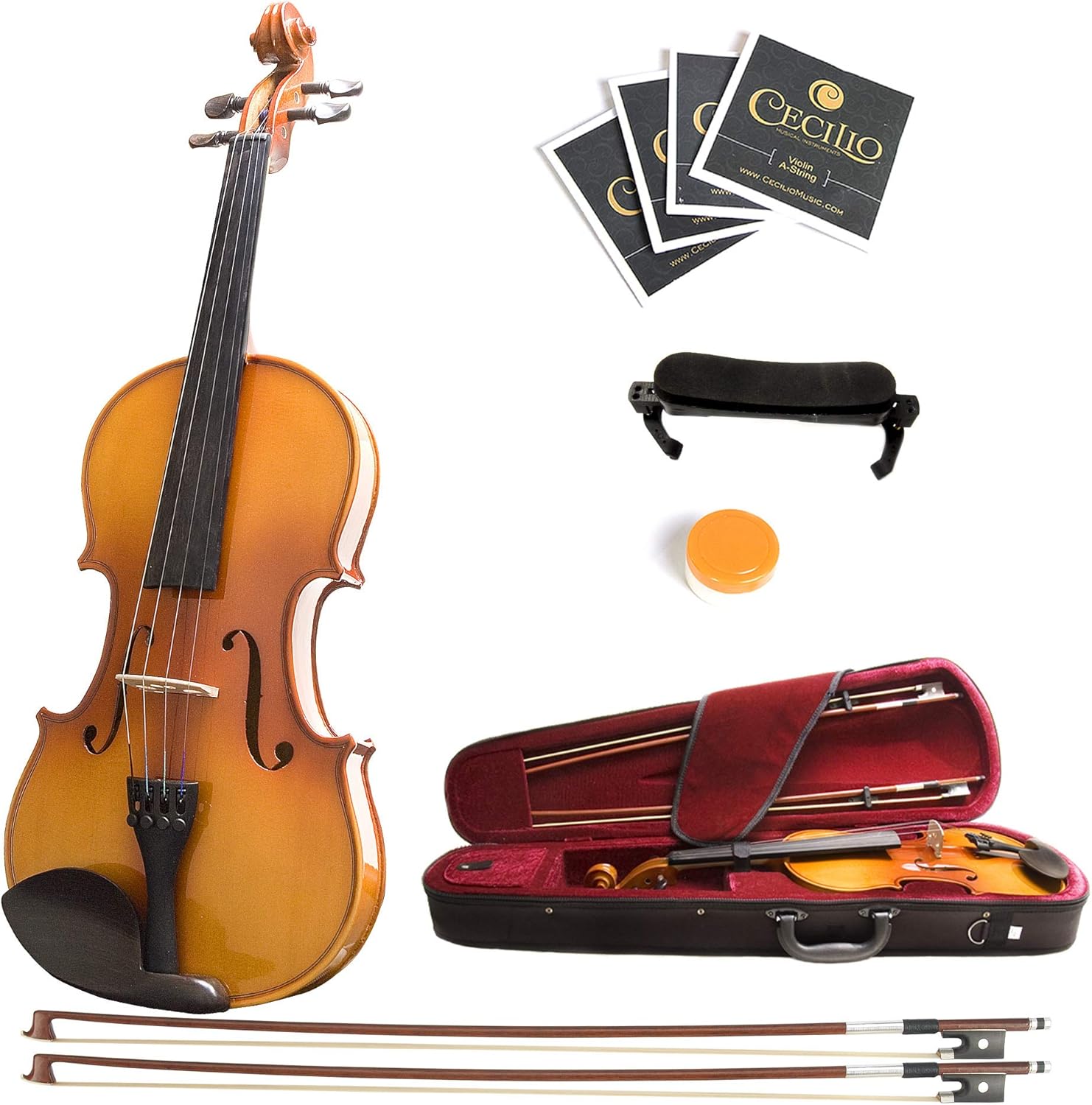
Mendini MV400 Ebony Fitted Solid Wood Violin with Hard Case, Shoulder Rest, Bow, Rosin, Extra Bridge and Strings - Size 4/4, (Full Size)
See current price


Cecilio
Cecilio Solid Wood Electric/Silent Violin with Ebony Fittings in Style 2 - Full Size - White
See current price

Popular brands in Orchestral Strings
Orchestral strings cover the bowed instruments that form the foundation of a symphony orchestra, including violins, violas, cellos, and double basses. The right choice depends on the player’s size, experience, musical setting, and practical needs such as portability and setup.
K-Catalog helps shoppers compare product specifications and features before visiting Amazon to check the current price and purchase options. Use the details below to narrow the category and identify which features deserve closer attention.
How to choose an orchestral string instrument
Start with the instrument itself. Violins are the smallest and highest-pitched members of the standard string family, while violas offer a larger body and a lower, warmer range. Cellos produce a deeper voice and are played seated, and double basses are the largest orchestral strings with the lowest range.
Player fit is especially important. A full-size instrument may not be comfortable or manageable for every player, particularly younger students. Look for sizing guidance from the manufacturer and compare the listed dimensions with the player’s height, arm reach, and teacher recommendations. When in doubt, an instructor or experienced string specialist can help confirm the appropriate size.
Also consider where and how the instrument will be used. A student practicing at home may prioritize a complete starter setup, while an advancing player may focus more closely on tonewoods, fittings, string quality, and the ability to upgrade individual components over time.
Instrument types and related categories
The main orchestral string types have different playing positions, tonal ranges, and space requirements:
- Violins: A common starting point for string study and a central instrument in many ensembles. Compare size, body construction, bow compatibility, and included accessories.
- Violas: Similar in appearance to violins but larger and tuned lower. Pay close attention to body size and ergonomics, since comfort can affect technique.
- Cellos: Played while seated and supported by an endpin. Check the instrument’s size, endpin design, case compatibility, and whether a bow and rosin are included.
- Double basses: Large instruments that require substantial storage and transportation planning. Compare dimensions, support hardware, case options, and the needs of the intended player.
For other sections of a band or orchestra, browse Wind & Woodwinds and Brass. These categories use different construction, maintenance, and fit considerations, so they are useful comparisons when outfitting an ensemble.
Specifications and features to compare
Construction details can help distinguish instruments that look similar in photographs. Review the listed materials for the top, back, sides, neck, fingerboard, bridge, and fittings. Wood selection and finishing methods may influence appearance, durability, response, and tonal character, but product descriptions should be compared consistently rather than judged by one specification alone.
Other useful details include:
- Size and dimensions: Confirm the intended player size and check storage or transport requirements.
- Strings and fittings: See whether the instrument arrives with strings, pegs, a tailpiece, a chin rest, an endpin, or other installed components.
- Included accessories: Starter packages may include a bow, rosin, case, shoulder rest, tuner, or cleaning cloth. Verify the exact contents instead of assuming every package is alike.
- Setup information: Look for details about bridge installation, string height, tuning, and whether the instrument is ready for basic playing when received.
- Finish and appearance: Color and varnish style are primarily visual choices, but the finish can also affect maintenance requirements.
- Case and portability: A suitable case protects the instrument during storage and travel. Compare handles, straps, padding, and the fit for the specific instrument size.
Brands represented in the catalog
The catalog includes orchestral string products from Sky store, Crescent, Cecilio, Mendini by Cecilio, Kennedy Violins, ARTALL, Eastar, Windsor, LAGRIMA, Aliyes, Vangoa, and Music Maker. These brands may appear across different instrument sizes, package configurations, and feature sets.
Brand name alone should not determine the selection. Compare the complete product description, dimensions, materials, included accessories, and setup details for each option. A package with more accessories may be convenient for a beginner, while a more focused instrument may suit a player who already owns a case, bow, or other essentials.
Setup, care, and compatibility tips
String instruments need regular attention to stay comfortable and playable. Store the instrument in its case when it is not in use, loosen excessive moisture or dust with a soft cloth, and avoid leaving it in extreme heat, cold, or direct sunlight. The bow should be loosened after playing, and rosin should be applied according to the player’s normal practice routine.
Check compatibility before ordering replacement strings, bows, cases, shoulder rests, chin rests, or other accessories. Size and instrument type matter, and components designed for a violin may not fit a viola, cello, or double bass. For setup changes, bridge work, peg adjustments, or persistent tuning issues, consult a qualified instrument technician or teacher.
Frequently asked questions
Which orchestral string instrument is easiest for a beginner?
There is no universal answer. Violins are common beginner instruments, but the best choice depends on the player’s size, musical goals, comfort, and access to instruction.
How do I choose the right instrument size?
Use the manufacturer’s sizing guidance and compare it with the player’s height and arm reach. A teacher or string specialist can help confirm the fit before purchase.
What accessories should a starter package include?
Common essentials may include a bow, rosin, case, and basic cleaning items. Check the individual listing to confirm exactly what is included.
Do orchestral strings arrive ready to play?
Setup varies by product. Review the listing for information about bridge placement, tuning, strings, and other preparation details before ordering.
How should an orchestral string instrument be stored?
Keep it secured in a properly sized case away from extreme temperatures, direct sunlight, and excess moisture. Wipe away rosin and handling residue after playing.