Amazon Basics
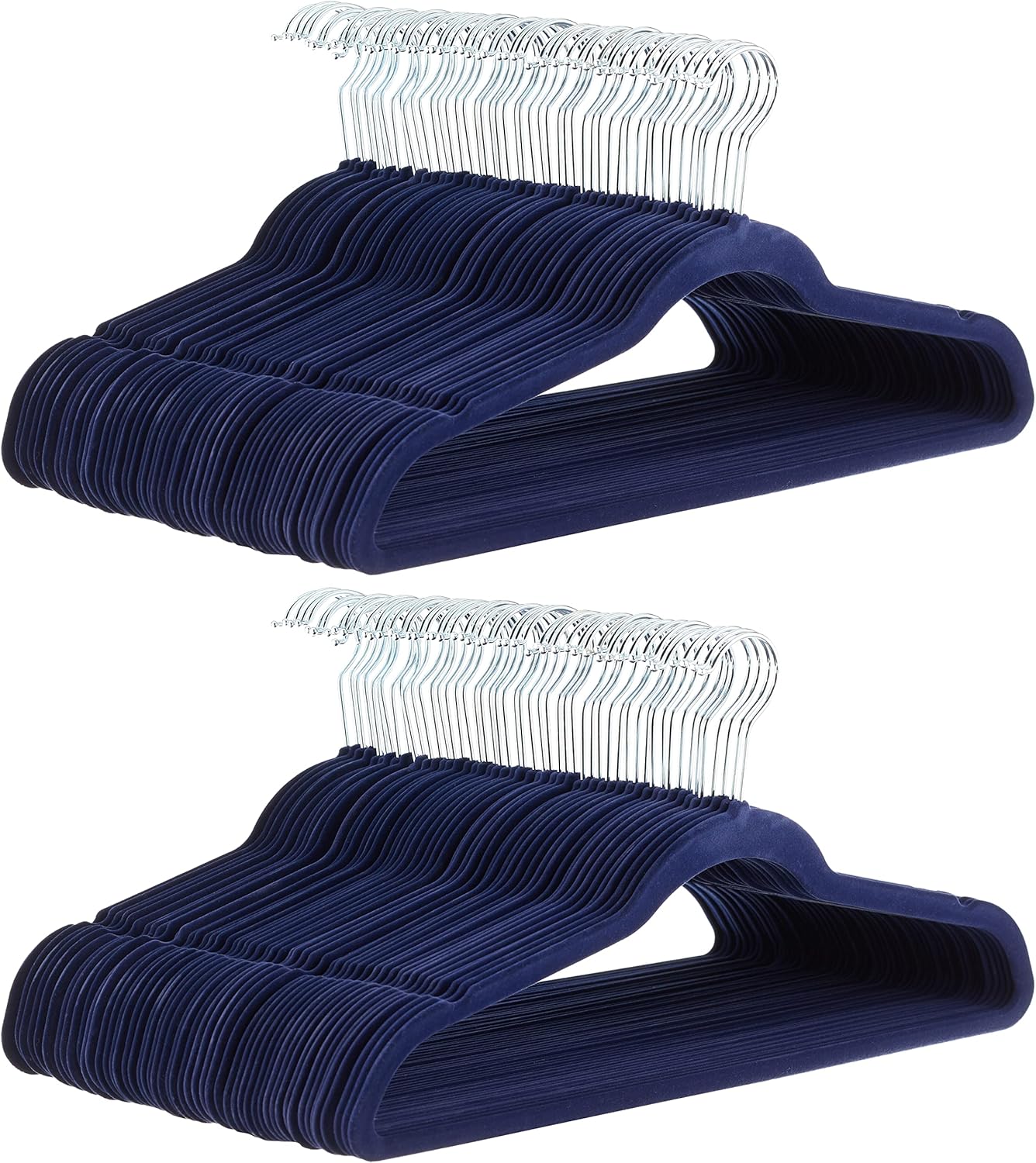
Amazon Basics Slim, Velvet, Non-Slip Suit Clothes Hangers, Navy Blue/Silver - Pack of 100
See current price

Compare clothing and closet storage for wardrobes, bedrooms, dorms, and seasonal items. Check dimensions, materials, capacity, and access features to find options that suit your space.
7,465 products in catalog
7,465 results
Amazon Basics
See current price


Simple Houseware
See current price

Amazon Basics
See current price

Simple Houseware
See current price


Simple Houseware
See current price






Amazon Basics
See current price



Simple Trending
See current price


Amazon Basics
See current price
Clothing and closet storage can make better use of limited wardrobe space while keeping clothing, shoes, accessories, and seasonal items easier to find. The right choice depends on what you are storing, how often you need it, and whether the item will sit on a shelf, hang from a rod, or stand on its own.
K-Catalog helps shoppers compare product specifications and features across this broad category. Before choosing, measure the available space and consider how storage will fit into your daily routine.
Start with the location. A closet shelf, hanging rod, bedroom corner, under-bed area, or entryway each calls for a different storage format. Record the available width, depth, and height, including clearance for doors, drawers, and nearby furniture. For hanging organizers, check the rod type and the amount of vertical space below it.
Next, sort items by how they are used:
Capacity is only useful when the storage remains practical to access. An oversized container may hold more, but a smaller, clearly separated organizer can make everyday items easier to locate.
Clothing and closet storage includes several formats rather than one standard product type. The best option may be a combination of organizers for hanging garments, folded clothing, shoes, and accessories.
Hanging storage attaches to or hangs from a closet rod. Hanging shelves, shoe organizers, and pocket organizers are useful when floor space is limited. Compare the attachment method, overall length, shelf spacing, and whether the material stays stable when loaded.
Bins and baskets are flexible choices for shelves, cubbies, and open closets. Look for handles or openings that make removal easier, along with a shape that uses the available shelf space efficiently. Fabric bins are often suited to bedrooms and closets where a softer appearance is preferred, while more structured containers can help maintain their shape.
Garment bags and clothing covers are designed for hanging items that need separation from the rest of the wardrobe. Consider the closure, ventilation, material, visibility, and room for the garment’s length. Clear sections or viewing windows can make identification easier without opening each bag.
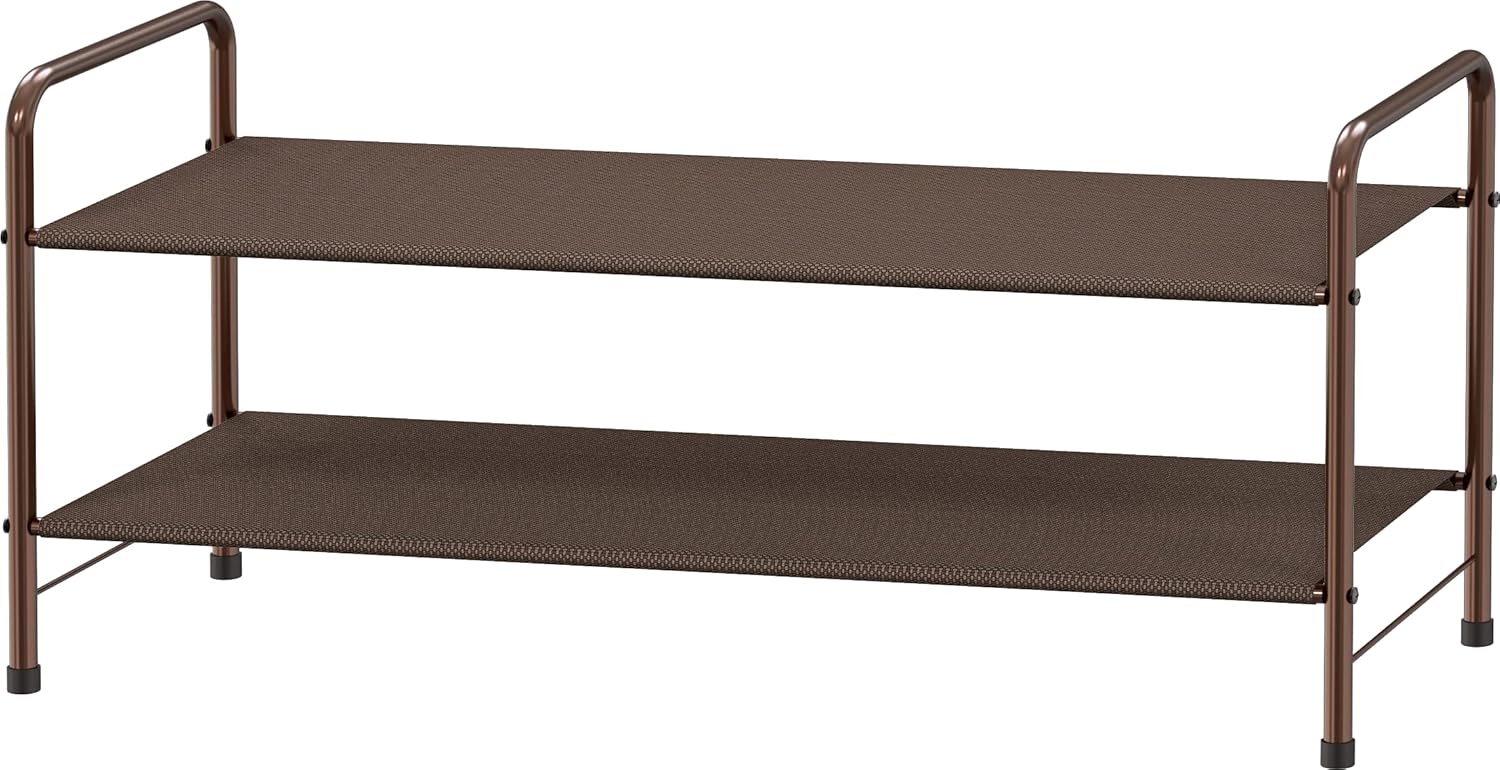
Shoe storage ranges from compact organizers to freestanding racks and stackable compartments. Compare the number and arrangement of spaces with the shoe sizes and styles being stored. Open designs provide quick visibility, while enclosed options can create a more contained appearance.
Drawer and shelf organizers divide larger spaces into smaller sections. These can be useful for undergarments, socks, accessories, and other items that tend to become mixed together. Check the organizer’s dimensions against the drawer interior rather than relying on exterior measurements alone.
For a broader selection of general storage furniture and organizers, browse Racks, Shelves & Drawers. Baskets, Bins & Containers is another useful related category for flexible container-based storage.
Product descriptions can vary, so compare the details that affect fit, durability, and everyday use.
If storage will be used in a shared bedroom, rental, dorm, or temporary living space, portability and tool-free setup may matter more than maximum capacity. For a permanent closet system, adjustability, structure, and long-term access may be more important.
The catalog includes clothing and closet storage from mDesign, SONGMICS, Whitmor, HANGERWORLD, NEATERIZE, Simple Trending, Amazon Basics, ZOBER, MISSLO, Honey-Can-Do, HOUSE DAY, and Simple Houseware. These brands may appear across different storage formats and materials, so compare each listing’s specifications rather than choosing by brand name alone.
Pay particular attention to measurements, included components, installation requirements, and care instructions. Similar-looking organizers can differ in depth, compartment layout, support, and intended placement.
Group items according to the way they are retrieved. Keep regularly worn clothing at eye level or in the easiest-to-reach drawers, and place occasional-use items higher up or farther back. Use labels on opaque bins, especially when storing seasonal clothing or accessories.
Avoid filling soft organizers beyond their supported shape. Overloading can make shelves difficult to pull out and may reduce stability. For hanging products, spread weight across the rod and follow any stated capacity guidance.
Measure before buying replacement or additional containers. Even small differences in depth can prevent bins from sliding properly or cause doors and drawers to remain partially open. If you are coordinating several organizers, compare their dimensions and visual style so they work together.
For cleaning and laundry-related storage needs, see Laundry Storage & Organization. Hooks can help with robes, bags, and accessories; explore Home Storage Hooks for related options. Storage for seasonal decorations belongs in Holiday Décor Storage, while household waste organization is covered under Trash, Recycling & Compost.
Closet organizers can hold folded clothing, shoes, accessories, bags, linens, and seasonal garments. Choose the format according to the item’s size, weight, and frequency of use.
Measure the available space and compare it with the product’s exterior dimensions. Also check interior dimensions, handle clearance, lid movement, and any nearby doors or drawers.
They can be suitable when the product and closet rod support the load. Review the stated weight guidance, attachment method, and construction, then distribute heavier items rather than concentrating them in one section.
Open storage offers quick visibility and access. Enclosed bins, drawers, and garment bags provide more separation and can create a neater appearance. The better choice depends on the room, contents, and cleaning preferences.
Lids, closures, garment covers, handles, labels, and stackable shapes can make seasonal storage easier to protect, move, and identify. Choose a dry storage location and follow the product’s care instructions.
For racks, shelves, and freestanding units, complete assembly and check stability before loading clothing. Confirm that fasteners are secure and that the finished product fits the intended space.