

Batteries & Accessories for Automotive Use
Compare automotive batteries, chargers, cables, terminals, jump starters, and other accessories by fitment, electrical specifications, construction, and intended use.
712 products in catalog
712 results
Filters

CARTMAN
CARTMAN 10 Gauge 12 Feet Jumper Cables UL Listed Heavy Duty Booster Cables with Carry Bag
See current price
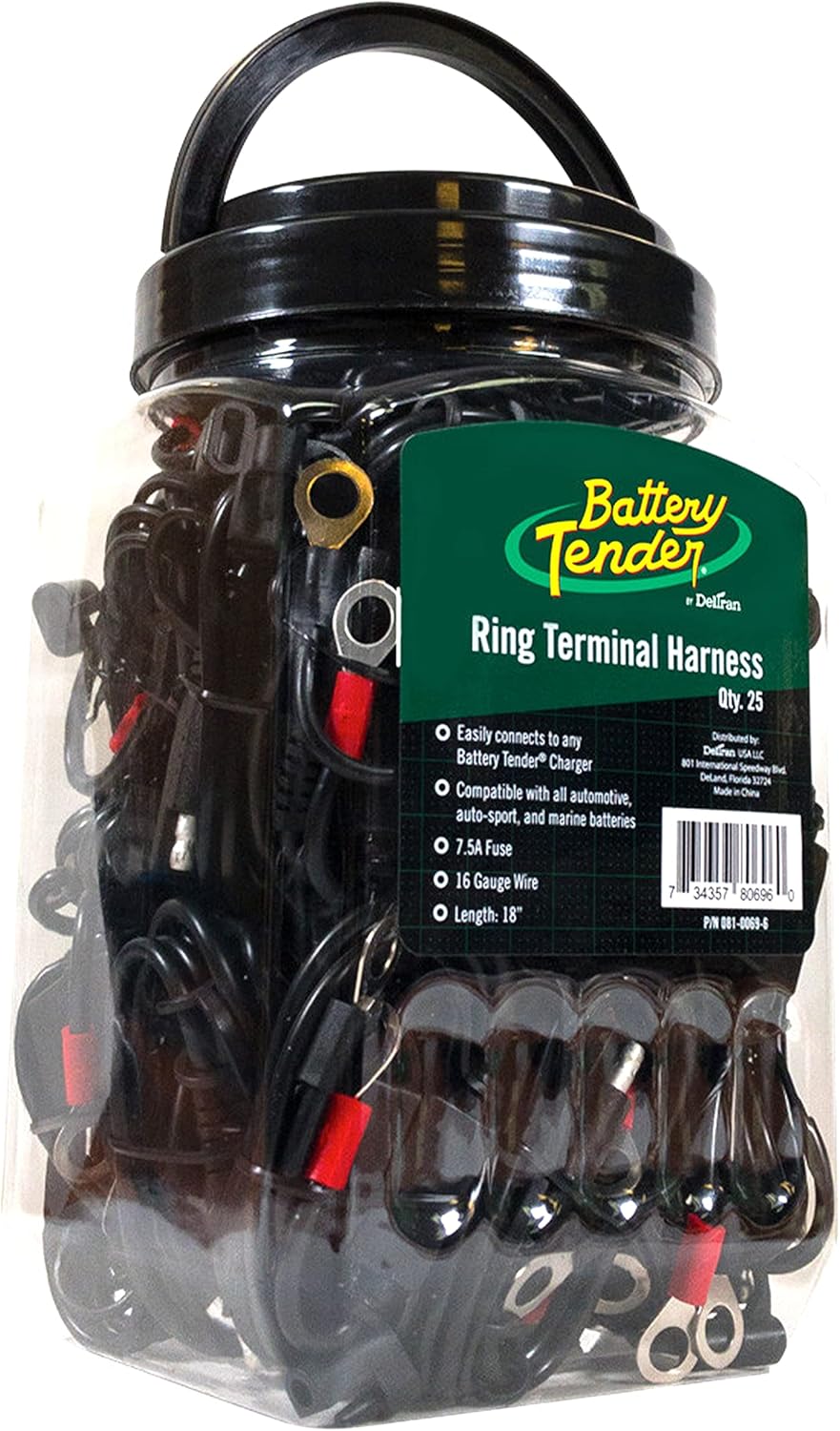
Battery Tender
Battery Tender Ring Terminal Harness Accessory Cable, 2 Foot Cord Adapter with SAE Quick Disconnect, 25 Pack
See current price


NOCO
NOCO GC002 X-Connect M6 Eyelet Terminal Accessory Genius Smart Battery Chargers
See current price


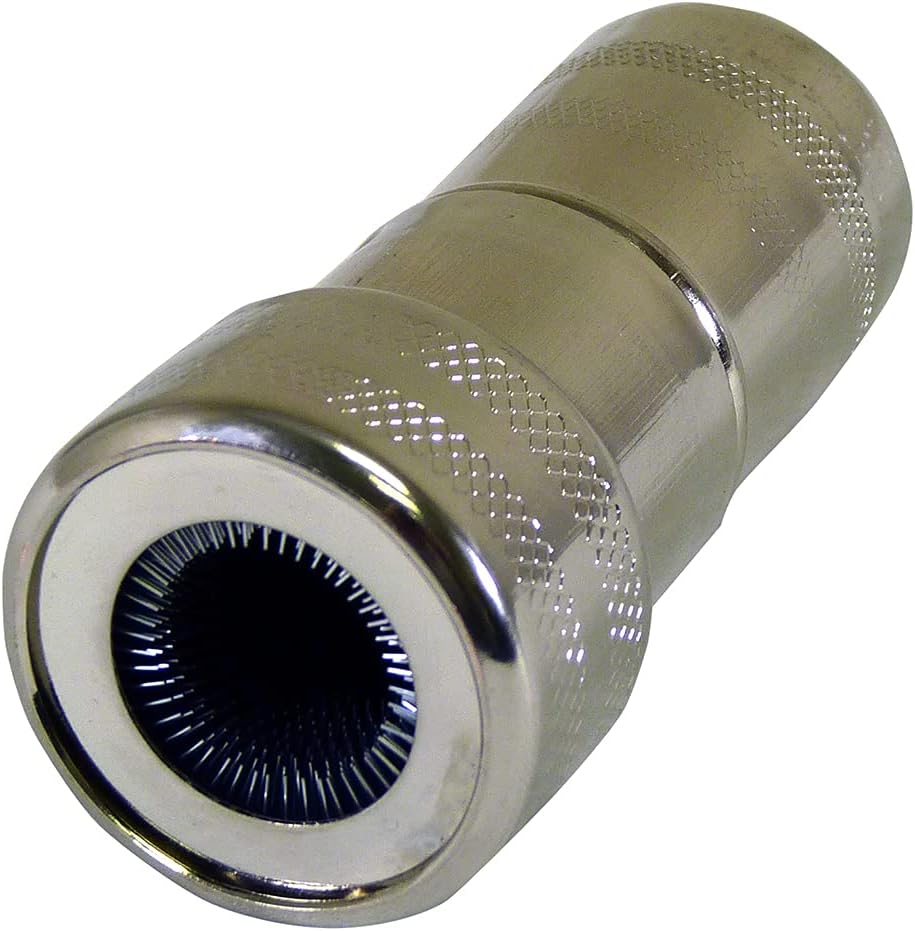


NOCO
NOCO GC008 X-Connect M10 XL Eyelet Terminal Accessory Genius Smart Battery Chargers
See current price


Popular brands in Batteries & Accessories
Automotive batteries and accessories cover the parts that start a vehicle, supply electrical power, and help maintain or connect the battery system. The right choice depends on vehicle compatibility, battery design, electrical demands, climate, and how the vehicle is used.
Use this catalog to compare specifications and features across replacement batteries and supporting equipment. For other vehicle repair needs, browse the broader Replacement Parts category or explore related electrical and maintenance sections.
How to choose the right battery or accessory
Start with the vehicle’s required fitment rather than choosing by appearance alone. Check the owner’s manual, the existing battery label, or the vehicle manufacturer’s specifications for the required battery group or dimensions, terminal arrangement, chemistry, and electrical ratings.
Important questions include:
- Will it fit? Compare overall dimensions, hold-down style, terminal position, and case design.
- Does it match the vehicle? Confirm compatibility with the make, model, engine, and onboard electrical system where applicable.
- Is the battery suited to the use? Daily driving, seasonal storage, off-road use, accessory-heavy builds, and recreational vehicles can have different demands.
- What accessory is actually needed? A charger, maintainer, cable, terminal, tray, isolator, or jump starter solves a different problem.
If the product is intended for a boat, camper, trailer, or auxiliary electrical system, check the equipment manufacturer’s requirements before selecting a battery or connection accessory.
Battery types and accessory categories
Automotive batteries may use different internal designs, including conventional flooded lead-acid, AGM, and other specialty constructions. Flooded batteries can suit standard replacement applications when the vehicle specifies that design. AGM batteries are often considered for vehicles or setups that require a sealed construction, stronger vibration resistance, or support for higher electrical demands. Specialty batteries may be designed for performance, auxiliary power, or recreational applications.
Accessories can include:
- Battery chargers and maintainers for replenishing or preserving charge during storage
- Jump starters and portable starting equipment for emergency situations
- Battery cables, terminals, connectors, and distribution components
- Battery trays, boxes, hold-downs, and protective covers
- Disconnect switches, isolators, and other power-management hardware
- Solar charging components for suitable off-grid or auxiliary systems
For additional electrical replacement parts, compare the catalog’s Lighting & Electrical and Switches & Relays categories. Ignition Parts may also be relevant when diagnosing starting problems, although ignition components and batteries perform different functions.
Specifications and features to compare
Battery listings should be compared using the ratings and dimensions that matter for the application. Look for starting power, reserve capacity, amp-hour information where provided, terminal type, polarity, case size, and mounting details. The correct rating is the one specified for the vehicle or equipment—not necessarily the largest rating available.
For chargers and maintainers, check supported battery chemistry, charging modes, input requirements, output behavior, connection style, and built-in protection features. A unit intended only for maintaining a charged battery may not be appropriate for recovering a deeply discharged battery.
For cables and terminals, compare cable gauge, length, conductor material, terminal design, corrosion resistance, and connection method. For trays and boxes, confirm dimensions, ventilation requirements, hold-down compatibility, and access to the terminals. For jump starters, consider vehicle compatibility, connection safety features, portability, and whether the unit is intended for occasional emergency use or repeated service.
Brands represented in the catalog
The catalog includes products from NOCO, Optima, Ampper, Dorman, Camco, LotFancy, Fastronix Solutions, Schumacher, XS Power, WindyNation, Odyssey Battery, and EAPP. These brands appear across battery, charging, connection, starting, and accessory listings, so compare each product’s specifications and intended application rather than relying on brand name alone.
When comparing products from different manufacturers, pay close attention to the exact design and fitment. Products in the same general category may differ in terminal layout, charging requirements, mounting hardware, or supported battery type.
Installation, storage, and safety tips
Disconnect power before replacing terminals or wiring accessories, and follow the vehicle and product instructions for the correct connection sequence. Avoid allowing tools to bridge terminals, and inspect cables for damaged insulation, loose connections, or corrosion before installation.
Batteries should be secured against movement and installed in an appropriate, ventilated location when required by the battery design. During storage, use a suitable maintainer if the manufacturer permits it, and periodically inspect the battery, charger leads, and connections. Do not mix charging equipment with a battery chemistry it does not support.
If the issue may involve air, fuel, suspension, or body components rather than the electrical system, the related Filters, Shocks, Struts & Suspension, and Body & Trim categories can help narrow the search.
Frequently asked questions
How do I know which automotive battery will fit?
Check the vehicle’s required battery group or dimensions, terminal position, mounting arrangement, chemistry, and electrical ratings. Confirm the application against the manufacturer’s fitment information.
What is the difference between a battery and a battery maintainer?
A battery stores electrical energy for starting and powering equipment. A maintainer supplies controlled charging to help preserve a suitable charge during periods of limited use; it does not replace the battery.
Can I use any charger with any automotive battery?
No. Charger compatibility depends on the battery chemistry, voltage system, charging needs, and the charger’s supported modes. Follow the instructions for both products.
Do battery cables need to match the original length?
They should be long enough for a safe, unobstructed connection without excessive slack. Compare length, cable gauge, terminal ends, routing, and clearance before selecting a replacement.
When should I consider a battery box or tray?
Use one when the application requires secure mounting, protection from contact or debris, or a compatible enclosure. Confirm its dimensions, hold-down method, ventilation needs, and terminal access first.