

Battery Testers for Comparing Battery Health and Charge
Compare battery testers by compatibility, testing method, readout, and ease of use. Find practical features for checking household batteries before replacing or recycling them.
98 products in catalog
98 results
Filters


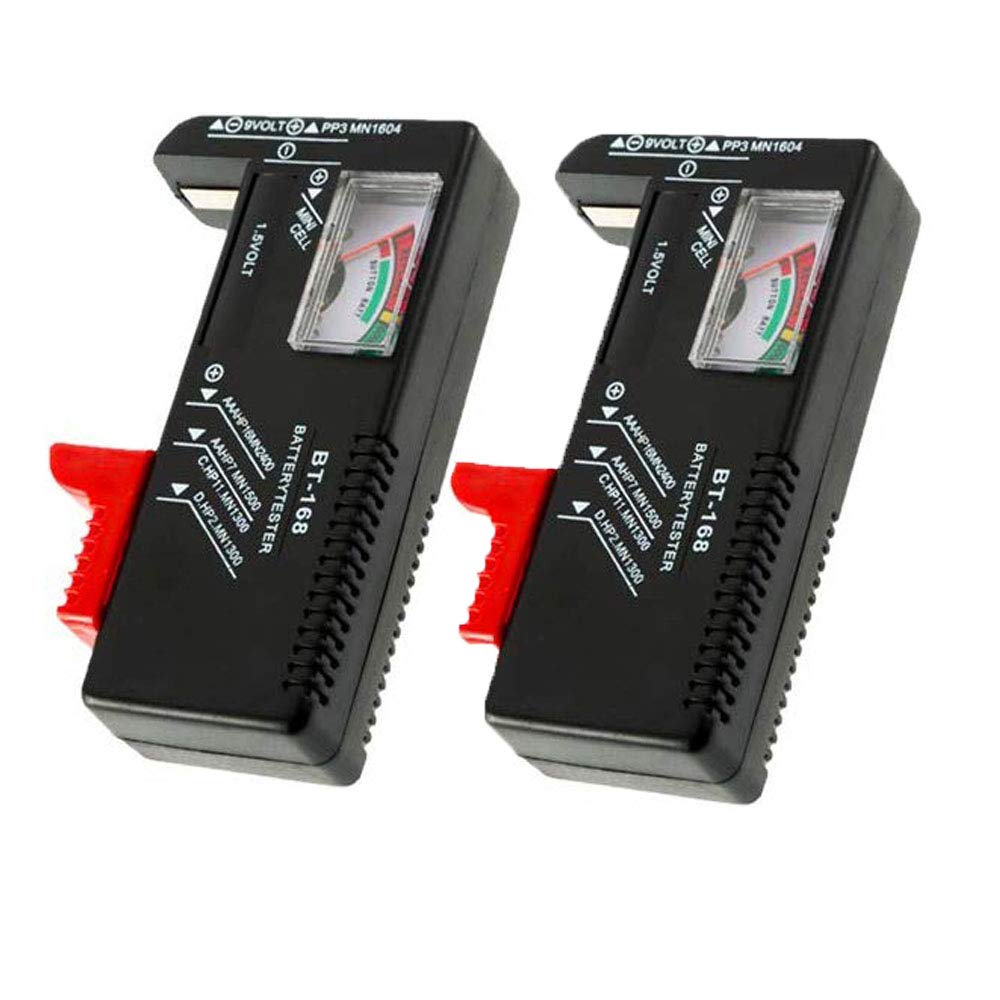

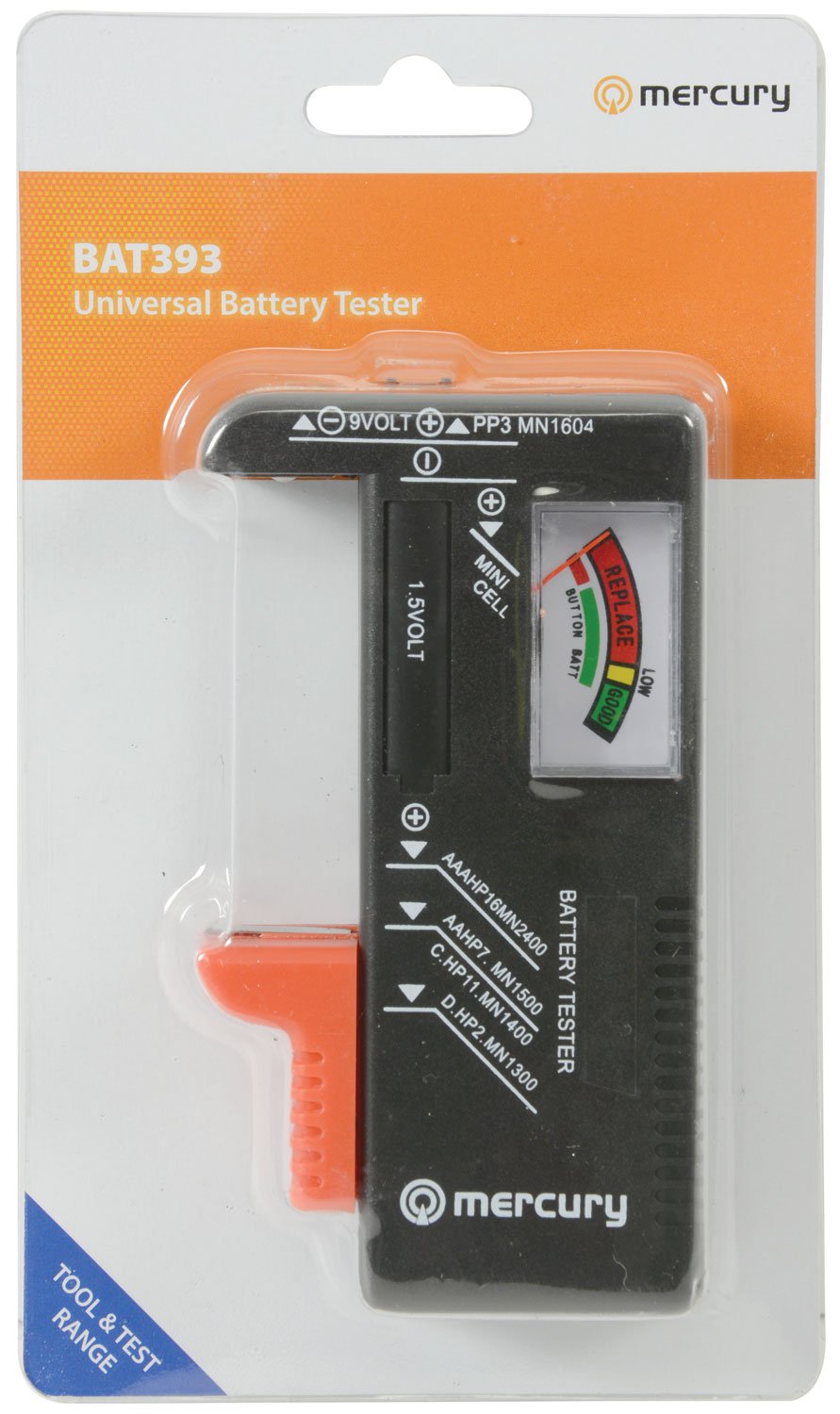
Mercury
MERCURY Universal Analogue Battery Tester for AA, AAA, C, D, 9V PP3 & Coin Button Cells
See current price





Popular brands in Battery Testers
Battery testers help determine whether a household battery still has usable power, making it easier to separate working batteries from depleted ones. They can be useful for battery drawers, remotes, toys, flashlights, clocks, and other everyday devices.
This K-Catalog category is part of Household Batteries, Chargers & Accessories. Compare the specifications and features of available testers to find a design suited to the battery types and testing habits in your home.
How to choose a battery tester
Start with compatibility. A tester should support the battery formats you commonly use, whether they are cylindrical household batteries, compact button cells, rechargeable batteries, or a combination of types. Check the product specification carefully rather than assuming a tester works with every battery.
Next, consider how much information you need. Some testers provide a simple indication such as good, low, or replace, while others display a voltage reading or use a more detailed scale. A basic indicator may be sufficient for sorting batteries quickly. A numeric or graduated display can be more useful when you want to compare batteries or monitor a rechargeable cell over time.
The tester’s physical design also matters. A compact handheld unit is convenient for a kitchen drawer or toolbox, while a larger tester may be easier to operate if the terminals or display are more accessible. Look for clear controls and a readout that can be viewed without awkwardly holding the battery in place.
Types of battery testers
Battery testers generally differ in their testing method and the information they provide.
- Basic load testers: These apply a small load while checking the battery. They are intended to give a practical indication of whether a battery can still deliver usable power.
- Voltage testers: These show a voltage value or position on a scale. They can help with comparisons, but the reading should be interpreted in light of the battery’s chemistry and whether it is rechargeable.
- Multi-purpose testers: These support several battery formats and may combine a broader compatibility range with a simple display. They suit households that keep multiple battery types on hand.
- Specialized testers: These are designed for particular cell formats or battery chemistries. They may be a better choice when general-purpose compatibility is not enough.
A battery tester is different from a charger. A tester checks the battery’s condition or output, while a charger is designed to replenish compatible rechargeable batteries. If charging is also required, compare the separate Battery Chargers category.
Features and specifications to compare
Pay attention to the following details when comparing products:
- Supported battery types: Confirm compatibility with the cells you want to check, including rechargeable formats if relevant.
- Testing method: A load-based check may provide a more practical indication of battery performance than an open-circuit voltage reading alone.
- Display style: Choose between a simple status indicator, an analog scale, or a digital readout based on how precise and easy to interpret the information should be.
- Operation: Spring contacts, sliding holders, clearly marked terminals, and straightforward controls can make repeated testing easier.
- Power requirements: Check whether the tester operates without its own battery or needs a separate power source. This affects convenience and storage.
- Size and build: A lightweight design is easy to keep nearby, while a sturdier housing may suit workshop or frequent-use environments.
Compatibility is especially important for rechargeable batteries. Their voltage behavior can differ from disposable cells, so use a tester that specifically identifies support for the chemistry and format being checked.
Brands represented in this catalog
The catalog includes battery testers from Product Trend, DLYFULL, SE, LuckyStone, Pgzsy, D-FantiX, Finejo, Livin' Well, Tenergy, Big Bargain, TOOGOO, and RIGICASE. These brands are represented in the category for shoppers who want to compare specifications, controls, supported battery formats, and overall design across different listings. Brand presence should not replace checking the individual product details, since capabilities can vary between products.
Safe and practical testing tips
Inspect a battery before placing it in a tester. Do not use cells that are leaking, swollen, cracked, badly corroded, or visibly damaged. Keep the positive and negative contacts aligned with the tester markings, and avoid forcing a battery into a holder that does not fit.
A tester reading is a helpful sorting tool, not a guarantee that a battery will perform identically in every device. High-drain electronics may stop working sooner than low-drain devices, even when the same battery appears usable. Separate batteries by type and condition, and store them where loose metal objects cannot contact their terminals. A Battery Storage Containers category can help when organized storage is a priority; Battery Holders may be useful for devices or setups that need batteries kept securely in place.
Frequently asked questions
What does a battery tester measure?
A tester may measure voltage, apply a small load, or use both methods to indicate whether a battery has usable power. The exact result depends on the tester’s design.
Can one battery tester check every battery type?
No. Compatibility varies by product. Check the supported formats and chemistries before choosing a tester, particularly if rechargeable or button-cell batteries are involved.
Is a battery tester the same as a battery charger?
No. A tester evaluates a battery, while a charger replenishes compatible rechargeable batteries. They serve different purposes.
Are digital battery testers more accurate than analog testers?
Not automatically. Digital displays can make readings easier to read, while analog scales can provide a quick visual indication. The testing method and product design matter as well.
Can a tester tell how long a battery will last?
A tester can indicate present condition or output, but it cannot guarantee runtime in every device. Actual battery life depends on the device’s power demands and the battery’s chemistry and age.