
![TOCOL [5 in 1 for iPhone 13 Case, with 2 Pack Screen Protector + 2 Pack Camera Lens Protector, Slim Liquid Silicone Phone Case iPhone 13 6.1 Inch, [Anti-Scratch] [Drop Protection], Light Purple](https://m.media-amazon.com/images/I/612RTte-yEL._AC_SL1500_.jpg)
Bearings & Seals for Automotive Replacement
Compare automotive bearings and seals by vehicle fit, component location, dimensions, materials, and intended use. Review specifications before selecting replacement parts for your repair.
271 products in catalog
271 results
Filters


TIMKEN
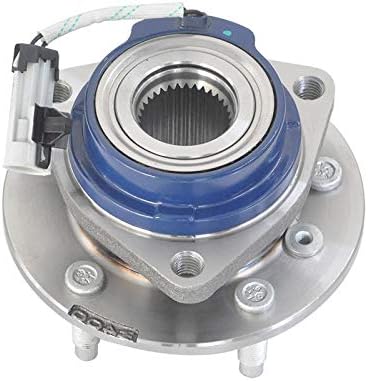
Timken SP500300 Axle Bearing and Hub Assembly with Blue-Connector Passive Sensor
See current price




Dorman
Dorman 924-284 Front Differential Vent Breather Compatible with Select Lexus / Toyota Models
See current price

Popular brands in Bearings & Seals
Bearings and seals play an important role in keeping automotive components moving smoothly and protecting assemblies from contamination or fluid loss. The right replacement depends on the exact vehicle, part location, and design of the original component—not just the general part name.
Use this K-Catalog category to compare available specifications and features from brands represented in the catalog. When you find a suitable option, check the current listing on Amazon for the latest product details and purchasing information.
How to choose bearings and seals
Start with vehicle compatibility. Confirm the year, make, model, engine, drivetrain, and the specific position where the part will be installed. A bearing or seal that looks similar may still differ in dimensions, mounting style, load capacity, or application coverage.
The original equipment part number can be a useful reference, but it should be checked against the product's fitment information. If the vehicle has had suspension, drivetrain, axle, or hub modifications, verify the physical specifications as well as the listed vehicle fit.
Consider the complete repair rather than replacing a part in isolation. A worn bearing may have affected a mating surface, while an old seal may be brittle, damaged, or no longer seated correctly. Inspect surrounding components and follow the service procedure for the vehicle.
Common automotive bearing and seal applications
Although this category does not use separate subcategory pages, bearings and seals can serve several areas of a vehicle, including:
- Wheel hubs and assemblies: These support rotating wheel components and must match the hub design, axle configuration, and installation position.
- Axles and differentials: Bearings and seals in drivetrain assemblies require careful attention to dimensions, fluid compatibility, and the correct location.
- Transmission and engine components: Seals help retain lubricants, while bearings support shafts and rotating parts. Exact application data is especially important.
- Suspension and steering-related assemblies: Some replacement components use bearings or sealed designs to allow movement while limiting exposure to dirt and moisture.
For broader repair planning, browse Replacement Parts or compare adjacent categories such as Shocks, Struts & Suspension. These areas can help identify related components that may be involved in the same service job.
Specifications and features to compare
Pay close attention to the details below when comparing products:
- Dimensions: Check inner diameter, outer diameter, width, thickness, and overall height where applicable. Even small differences can prevent proper installation.
- Bearing design: Compare sealed, shielded, open, tapered, ball, or roller designs according to the original application and service requirements.
- Seal construction: Look for the stated seal type, material, fluid compatibility, and resistance to heat, dirt, moisture, or pressure when those details are provided.
- Assembly format: Determine whether the product is a single component, a bearing-and-seal combination, a hub assembly, or another preassembled configuration.
- Installation position: Confirm whether the part is intended for the front or rear, left or right, inner or outer position, or a particular axle or drivetrain location.
- Included hardware: Check whether retainers, clips, gaskets, nuts, or other installation pieces are included or must be sourced separately.
When specifications are incomplete or conflicting, use the vehicle service information and compare the original part before ordering. A professional technician can also help confirm fitment and installation requirements.
Brands represented in the catalog
The catalog includes bearings and seals from Detroit Axle, TIMKEN, Autoround, ECCPP, Moog, Fel-Pro, MOSTPLUS, ACDelco, Dorman, DRIVESTAR, GM, and IRONTEK. Brand availability varies by application, so compare the actual fitment details, construction, included components, and stated specifications for each listing rather than selecting by brand name alone.
Related replacement categories may also be useful during a larger repair. Explore Filters, Lighting & Electrical, Ignition Parts, or Switches & Relays when other maintenance or electrical components are needed. For exterior repair work, Body & Trim covers a separate group of replacement parts.
Installation and maintenance considerations
Bearings and seals generally require clean handling and correct installation tools. Keep sealing surfaces free of dirt, avoid striking sensitive components directly, and use the lubricant specified for the application. Press-fit parts should be installed against the correct race or surface so force is not transferred through the wrong component.
Inspect the shaft, housing, hub, axle, and mating surfaces for scoring, corrosion, looseness, or distortion before installing a replacement. A new seal may not perform properly against a damaged surface, and a new bearing may wear prematurely if an adjoining component is misaligned.
Follow the vehicle manufacturer's torque, preload, adjustment, and fluid requirements. After installation, check for abnormal noise, looseness, vibration, or leakage and stop driving if a safety-related issue appears.
Frequently asked questions
How do I confirm that a bearing or seal fits my vehicle?
Match the product's listed year, make, model, engine, drivetrain, and installation position with the vehicle. Also compare the original part number and physical dimensions where available.
Should I replace a seal when replacing a bearing?
Often, inspecting or replacing the related seal is sensible because seals can wear, harden, or become damaged during disassembly. Confirm the service requirements for the specific assembly.
What is the difference between a bearing and a seal?
A bearing supports controlled movement between components, while a seal helps retain lubricant and limit the entry of dirt, water, or other contaminants. Some repair kits include both.
Can similar-looking bearings be interchangeable?
Not necessarily. Differences in diameter, width, bearing style, load design, sealing, and installation position can affect fit and operation. Verify application and dimensions before ordering.
What should I do if the product listing has unclear fitment information?
Compare the original component, consult the vehicle's service information, and request clarification from the seller or a qualified technician before purchase.