

Beef Buying Guide: Cuts, Types & What to Compare
Compare beef products by cut, format, sourcing details, intended use, and storage needs. This guide explains what to check before choosing beef for grilling, roasting, slow cooking, or everyday meals.
280 products in catalog
280 results
Filters
Availability
Brand
Price




Amazon.com Services, Inc.
Fresh Brand – Beef Chuck Center Roast, USDA Choice, Boneless, 2 lb
See current price




Pat LaFrieda Meat Purveyors
Pat LaFrieda Beef Strips for Stir Fry / Fajita Meat, 1 lb
See current price


Pat LaFrieda
Pat LaFrieda All Natural, Black Angus, Beef Stew, Raised without Antibiotics, 1 lb
See current price


Popular brands in Beef
Beef products vary widely in cut, preparation, packaging, and intended use. The right choice depends on how you plan to cook it, how many people you are serving, and whether convenience, sourcing information, or a particular texture matters most.
Use the product specifications to compare cuts and formats rather than relying on the product name alone. K-Catalog lists beef alongside other options in Meat & Seafood, making it easier to compare related choices for different recipes and cooking styles.
How to choose beef
Start with the cooking method. Tender cuts are commonly selected for quick cooking, while tougher cuts can be suitable for slow cooking that allows connective tissue to soften. Ground beef is versatile for burgers, meatballs, tacos, sauces, and casseroles, while roasts and steaks are better suited to meals where the cut itself is the centerpiece.
Consider these factors before selecting a product:
- Cut and intended use: Check whether the product is a steak, roast, ground beef, stew meat, or another preparation.
- Fresh or frozen format: Confirm how the beef is shipped and stored, and make sure you have suitable freezer space if needed.
- Package size: Match the package to the meal plan and available storage rather than choosing by appearance alone.
- Preparation: Look for details such as trimmed, seasoned, portioned, or ready to cook.
- Sourcing information: If origin, farming practices, or organic labeling matters to you, review the information provided on the product page.
Beef types and cooking uses
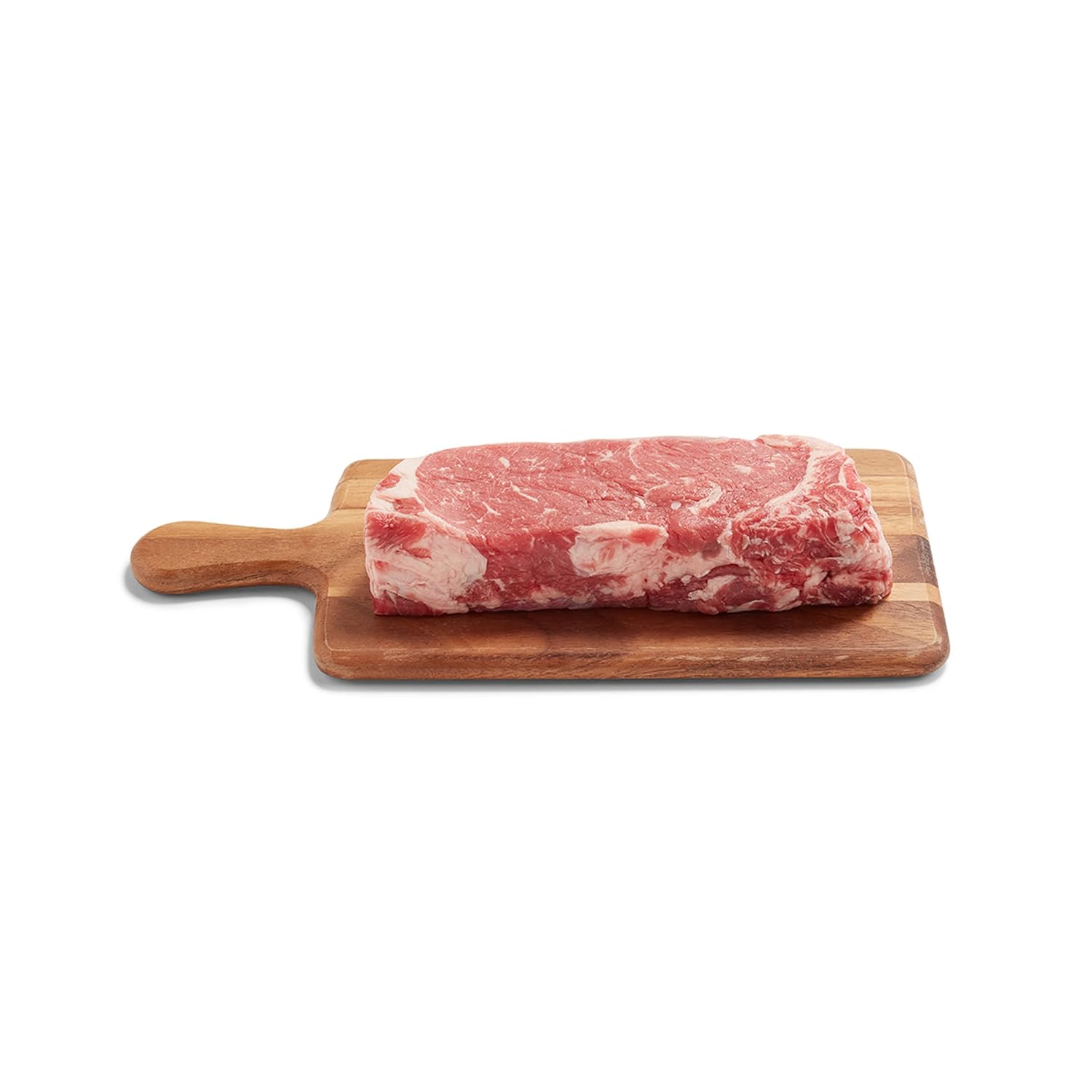
Steaks are generally chosen for grilling, broiling, pan searing, or other quick methods. Compare the named cut, thickness, trimming, and whether the product is sold individually or as a larger package. A steak intended for a fast cooking method may not be the same choice as beef intended for braising.
Roasts are useful for larger meals and cooking methods that take more time. Compare the roast cut, serving plan, preparation requirements, and whether it arrives tied, trimmed, seasoned, or ready for the oven or slow cooker.
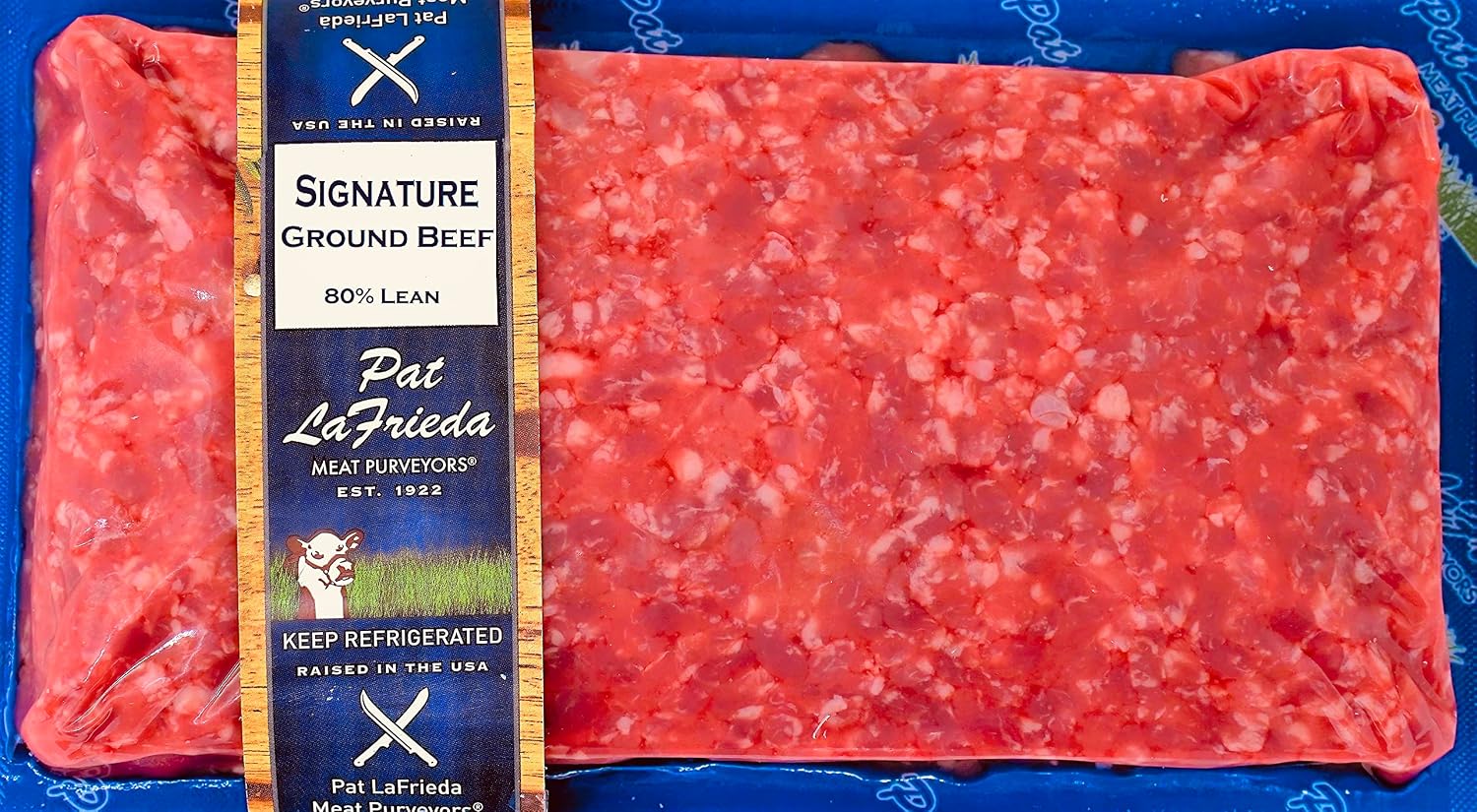
Ground beef works well when a recipe calls for a flexible, easy-to-season ingredient. Check the listed lean-to-fat ratio when provided, since it can affect moisture, texture, and how much fat remains after cooking. Ground beef can also be sold in patties or other formed portions for added convenience.
Stew meat and other cubed cuts are suited to dishes where beef cooks with liquid and vegetables. Compare the cube size, cut description, and preparation details to help determine whether the product fits your recipe.
For alternatives within the wider meat category, browse Sausages, Chicken, or Pork. Bacon and Hot Dogs & Franks may also suit breakfast, sandwiches, or casual meals.
Key specifications to compare
Product pages may describe beef using several terms, and each can affect the buying decision. Pay attention to the following:
- Cut name: The cut is one of the strongest indicators of texture and cooking suitability.
- Weight and package configuration: Check whether the listing contains one piece, multiple portions, patties, or a bulk package.
- Boneless or bone-in: This affects preparation, serving, storage, and the amount of usable meat.
- Seasoning and preparation: Plain beef offers more recipe flexibility, while seasoned or marinated products may reduce preparation time.
- Handling and storage: Review refrigeration, freezing, thawing, and delivery guidance on the product page.
- Ingredient information: For ground, formed, seasoned, or marinated products, check the ingredient list for added ingredients or allergens relevant to your household.
Brands represented in the catalog
Beef listings in the catalog include brands and suppliers such as Pat LaFrieda Meat Purveyors, Pat LaFrieda, Hamilton Meats, PRE Brands, Verde Farms, Kansas City Steak Company, Tyson, EEL RIVER ORGANIC BEEF, and Niman Ranch. Meat, Fresh, and Amazon.com Services, Inc. also appear among the catalog’s brand or supplier labels.
These labels are useful starting points for filtering and comparison, but the product-level details remain important. Compare the exact cut, package format, sourcing information, and storage instructions for each listing rather than assuming that every product from a given brand has the same characteristics.
Storage, preparation, and food safety
Follow the handling and storage directions supplied with the product. Keep beef refrigerated or frozen as directed, and use a clean preparation surface to reduce cross-contamination. Thaw frozen beef safely according to the product guidance rather than leaving it at room temperature.
Use a food thermometer when appropriate and follow established food-safety guidance for the specific type and preparation of beef. After cooking, store leftovers promptly and keep raw beef separate from foods that will be eaten without further cooking.
Frequently asked questions
Which beef cut should I choose for grilling?
Choose a steak or other cut specifically described for quick cooking, then compare thickness, trimming, portion format, and preparation details.
Is ground beef suitable for everyday meals?
Yes. Ground beef is adaptable for burgers, meatballs, sauces, tacos, and casseroles. Compare the listed fat ratio, package size, and whether it is plain or seasoned.
Should I buy fresh or frozen beef?
Choose the format that matches your cooking schedule and storage space. Frozen beef can be convenient for advance planning, while fresh products may suit meals planned soon after delivery.
What does boneless or bone-in mean?
Boneless beef is easier to portion and prepare. Bone-in beef can affect cooking, storage, and serving, so compare the cut and usable portion for your recipe.
How can I compare beef products from different brands?
Compare the cut, package configuration, preparation, sourcing details, storage instructions, and ingredient information at the product level. These details are more useful than the brand name alone.
Where can I compare beef with other meat options?
Browse Seafood for fish and shellfish options, or compare beef with the broader meat categories listed in the catalog.