

Seafood
Explore seafood products by form, ingredients, storage needs, and preparation style. Compare specifications and features to find options that fit your meals and pantry.
239 products in catalog
239 results
Filters


Amazon.com Services LLC.
Amazon Fresh – Atlantic Salmon Skin-On Fillet Portions, 12 oz, Responsibly Sourced (Previously Frozen)
See current price


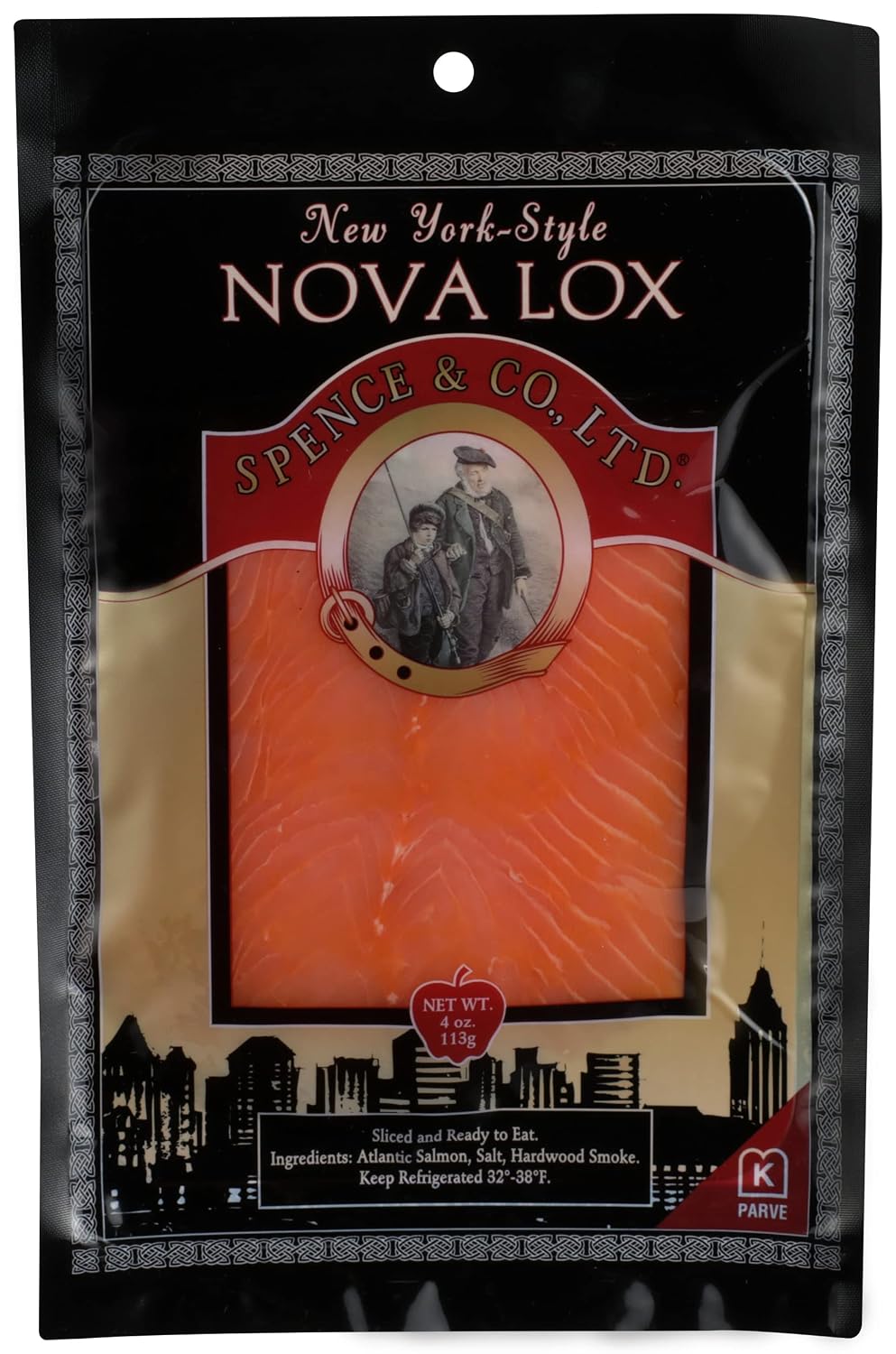
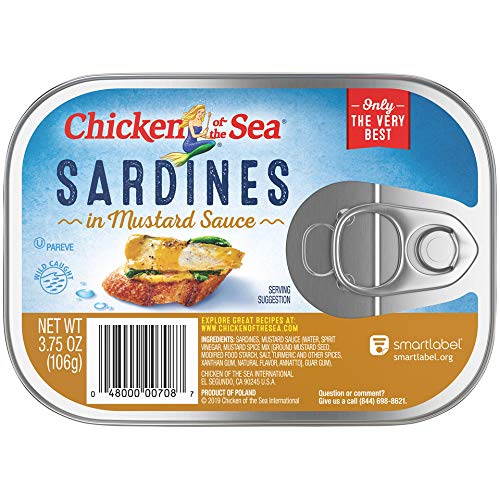
CHICKEN OF THE SEA INT
Chicken of the Sea Sardines in Mustard Sauce, Wild Caught, 3.75-Ounce Cans (Pack of 18)
See current price


Amazon.com Services LLC.
Fresh Brand – Tilapia Skinless Fillets, 12 oz, Responsibly Sourced (Previously Frozen)
See current price
Popular brands in Seafood
Seafood can be a convenient choice for quick meals, planned recipes, appetizers, and pantry storage. The catalog includes products from brands such as MOWI, Sea Best, Pacific Seafood, WHOLE CATCH, and Acme Smoked Fish, along with other seafood-focused and grocery brands.
Because seafood products vary widely in species, packaging, preparation, and storage requirements, comparing the details on each product page is important. Check the product description and specifications on Amazon before making a purchase.
How to choose seafood
Start by deciding how you plan to use the product. A ready-to-eat smoked seafood option may suit a snack board or sandwich, while frozen or uncooked seafood can provide more flexibility for cooking. Shelf-stable products can be useful for pantry meals, but they may have different texture and ingredient considerations than refrigerated or frozen choices.
Compare these details:
- Product form: Look for fillets, portions, pieces, flakes, spreads, or other formats that match your recipe.
- Preparation status: Confirm whether the seafood is ready to eat, fully cooked, partially prepared, or intended to be cooked before serving.
- Storage requirements: Check whether the item should be kept frozen, refrigerated, or stored at room temperature until opened.
- Ingredients and seasonings: Review added oils, sauces, smoke flavor, salt, sweeteners, preservatives, and other ingredients.
- Pack size and packaging: Consider how much you need and whether the package is convenient for one meal or multiple uses.
Common seafood product types
The Seafood catalog does not list separate subcategories, so shoppers may find it useful to organize products by how they are sold and served.
Frozen and uncooked seafood
Frozen seafood can be a practical option for meal planning because it may be stored until needed. Compare thawing instructions, cooking requirements, portion format, and any included seasoning or sauce. For uncooked products, follow the package directions and handle them according to the stated food-safety guidance.
Smoked seafood
Smoked fish and other smoked seafood can work in salads, sandwiches, appetizers, and snack plates. Compare the smoking style or flavor description, ingredients, serving suggestions, and storage instructions. Brands represented in the catalog include Ducktrap River of Maine, Ducktrap River, and Acme Smoked Fish.
Canned and shelf-stable options
Shelf-stable seafood can be convenient for emergency provisions, packed lunches, and quick recipes. Check the container type, draining instructions, liquid or oil used, seasoning, and serving size information. Once opened, storage instructions may differ from the unopened product, so review the label carefully.
Prepared seafood products
Some products may be seasoned, sauced, cooked, or otherwise prepared for easier serving. These can reduce preparation time, but the ingredients and flavor profile matter more. Compare whether the item is intended as a main dish, appetizer, topping, or recipe ingredient.
Key features and specifications to compare
Product descriptions are especially useful when comparing seafood from different suppliers. Look for the stated seafood species or blend, the product’s country or region information when provided, and any details about sourcing or processing. Do not assume that products with similar names have identical ingredients or preparation requirements.
Also consider dietary and recipe needs. If avoiding particular ingredients, inspect allergen statements and the full ingredient list rather than relying only on the product title. For a low-effort meal, prioritize preparation instructions and serving format. For cooking from scratch, compare whether the product is plain or flavored and whether it can be used in the intended recipe.
Packaging can affect convenience. Resealable bags, individual portions, cans, jars, and trays each suit different storage habits. Check whether the package needs to be used soon after opening and whether the product can be divided for later meals.
Brands represented in the catalog
The catalog includes seafood brands and grocery labels such as SEAFOOD, MOWI, Sea Best, WHOLE CATCH, Pacific Seafood, Trans-Ocean Products, Inc, 365 By Whole Foods Market, WFM 365, Ducktrap River of Maine, Ducktrap River, Acme Smoked Fish, and Amazon.com Services LLC. Brand availability and product selection can change, so compare the specifications of individual listings instead of relying on the brand name alone.
For broader grocery browsing, Seafood is part of Meat & Seafood. Shoppers comparing other protein categories can also explore Beef, Chicken, or Pork when planning a mixed grocery order.
Storage, preparation, and food-safety tips
Read the product label before storing or preparing seafood. Frozen products should remain frozen until thawing is appropriate, while refrigerated items should be kept chilled as directed. Avoid using a product if its packaging is damaged or if it has not been stored according to the stated instructions.
Use separate preparation surfaces for raw seafood and ready-to-eat foods, and clean utensils after handling uncooked products. Follow the package’s cooking instructions rather than estimating preparation times. For smoked, canned, or ready-to-eat seafood, check whether the product needs refrigeration after opening and note any recommended use-by guidance.
Frequently asked questions
What should I compare first when choosing seafood?
Start with the product form, preparation status, storage requirements, ingredients, and intended use. These details help determine whether a product fits your recipe and kitchen routine.
Is all seafood in the catalog ready to eat?
No assumption should be made from the category alone. Check each listing and package description to confirm whether the product is ready to eat, cooked, or intended to be prepared before serving.
How should seafood be stored?
Storage depends on the product. Follow the listing and package directions to determine whether it belongs in the freezer, refrigerator, or pantry and how it should be handled after opening.
What ingredients should I check carefully?
Review the full ingredient list for oils, sauces, smoke flavor, salt, sweeteners, preservatives, and allergens. This is particularly important for seasoned, smoked, or prepared seafood.
Can seafood products be compared with other grocery proteins?
Yes. If seafood does not fit a planned meal, compare it with Sausages, Bacon, or Hot Dogs & Franks based on preparation, storage, ingredients, and serving needs.