

Sausages: Compare Types, Ingredients & Features
Compare sausages by meat type, preparation, seasoning, package format, and cooking needs. This catalog makes it easier to review product details and find options suited to everyday meals, grilling, entertaining, or specialty recipes.
239 products in catalog
239 results
Filters


Tyson Foods
Aidells Smoked Chicken Sausage, Chicken & Apple, 12 oz. (4 Fully Cooked Links)
See current price


Tyson Foods
Jimmy Dean - Chilled Fully Cooked Original Pork Sausage Links, 12 Count, 9.6 Oz
See current price


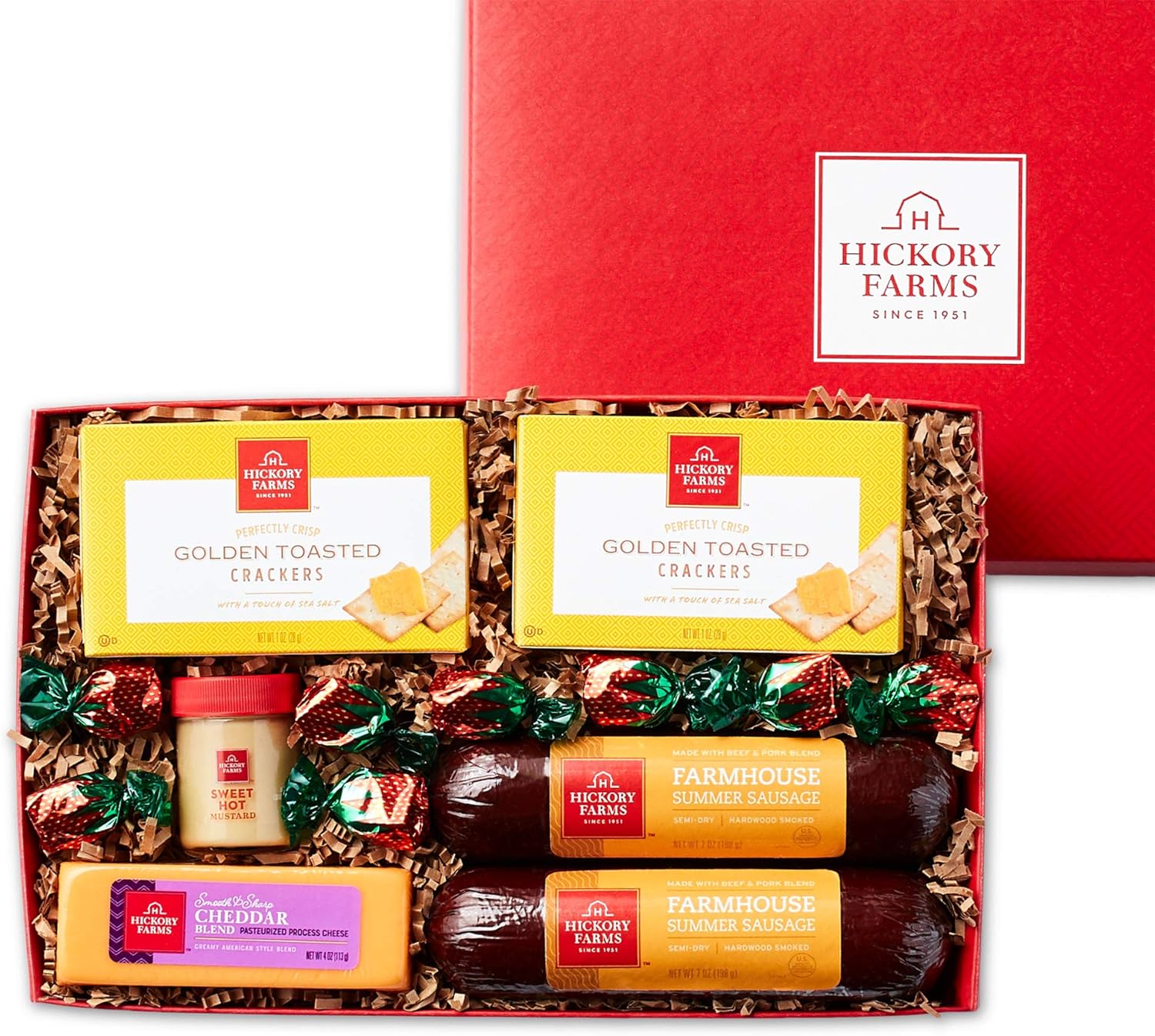
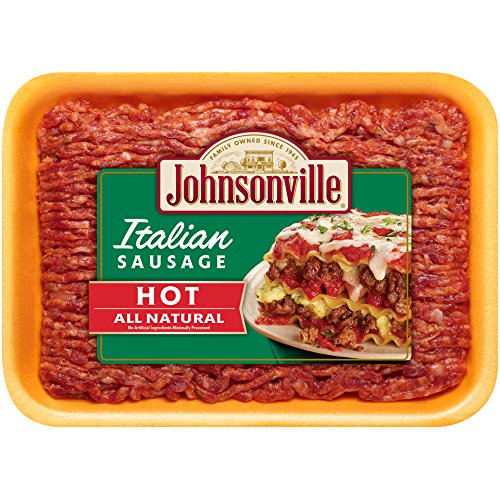

Popular brands in Sausages
Sausages can be a convenient centerpiece for breakfast, sandwiches, pasta, soups, casseroles, and grilling. The right choice depends on more than flavor: meat type, preparation, casing, serving format, and storage requirements all affect how a product fits your plans.
Use the product listings to compare ingredient details and package information side by side. Since the catalog includes a broad selection, shoppers can explore familiar everyday options as well as smoked, specialty, and regional-style sausages.
How to choose sausages
Start with the meal you are planning and the cooking method you prefer. Fresh sausages generally need thorough cooking, while fully cooked options may be convenient for reheating or adding to recipes. Smoked and cured products can bring a more pronounced savory flavor and may work well on snack boards, in sandwiches, or as recipe ingredients.
Consider these factors before selecting a product:
- Meat and flavor: Look for the protein and seasoning profile that suits the dish, whether mild, smoky, spicy, herb-forward, or savory.
- Preparation: Check whether the sausage is fresh, smoked, cured, or fully cooked, and follow the package directions.
- Format: Links, patties, ropes, slices, and other formats suit different recipes and serving styles.
- Ingredients: Review the full ingredient list for allergens, preservatives, sweeteners, fillers, and flavorings that may matter to your household.
- Storage: Check refrigeration or freezing instructions and consider how quickly the package will be used after opening.
For a wider look at meat options, browse Meat & Seafood. Related Beef, Chicken, and Pork categories can help when the protein is the main deciding factor.
Types and uses to consider
Fresh sausages
Fresh varieties are often selected for breakfast plates, skillet meals, stuffing, and grilling. They can be sold in links or patties and may feature pork, beef, chicken, or blended ingredients. Because they are not ready to eat, cooking instructions and safe handling are especially important.
Smoked and cured sausages
Smoked or cured choices are useful when you want a deeper flavor or a product that can be served in slices, depending on the label instructions. They can add substance to charcuterie boards, beans, stews, pizzas, and sandwiches. Read the package carefully to confirm whether heating is required.
Fully cooked sausages
Fully cooked options can simplify meal preparation. They may be reheated in a skillet, oven, grill, or other method specified by the manufacturer. Compare cooking directions, casing texture, serving format, and ingredients to find a product that matches your routine.
Specialty and entertaining options
For gatherings, look for sausages with a format that is easy to portion or serve. A range of flavors can work well in appetizers, mixed grills, or shared meals. If sausage is being paired with cheese, bread, sauces, or vegetables, consider whether its seasoning will complement the rest of the menu.
Key specifications to compare
Product details can vary substantially even among sausages made with the same type of meat. Pay attention to the following specifications:
- Protein source and blend: Confirm the primary meat and whether the product combines more than one protein.
- Serving format: Links and patties are convenient for individual portions, while ropes or larger formats may be better for slicing or sharing.
- Seasoning style: Garlic, herbs, smoke, chili, and other seasonings can change how the sausage works in a recipe.
- Dietary information: Review labels for gluten-related ingredients, dairy, soy, nitrates or nitrites, and other ingredients relevant to your needs.
- Package and storage details: Compare package size, number of pieces, refrigeration requirements, and instructions for freezing or using after opening.
- Cooking guidance: Check recommended internal temperature and preparation method on the package rather than relying on appearance alone.
If you are comparing alternatives for a breakfast or grilling menu, Bacon and Hot Dogs & Franks provide related options with different formats and preparation styles. For seafood-based meal planning, see Seafood.
Brands represented in the catalog
The sausage selection includes products associated with Tyson Foods, Johnsonville, Dietz & Watson, 365 By Whole Foods Market, Hickory Farms, Whole Foods Market, North Country Smokehouse, Niman Ranch, Bilinski, and SILVA SAUSAGE. Meat, as well as Amazon.com Services LLC., also appears among the catalog brand labels. These names are represented in the catalog rather than endorsements, so compare each individual product’s ingredients, preparation, and storage information.
Practical shopping and cooking tips
Match the format to the recipe before choosing. Patties can be convenient for breakfast sandwiches, links suit grilling and skillet meals, and sliced smoked sausage can distribute flavor through soups or pasta. If serving several people, consider how easily the product can be portioned and whether it needs cooking immediately.
Keep raw sausage separate from ready-to-eat foods during preparation. Use the package’s handling and cooking directions, and store leftovers according to the label. When comparing products for dietary reasons, read the complete ingredient and allergen statements each time, since similar sausage styles may use different formulations.
Frequently asked questions
Are all sausages ready to eat?
No. Some are fresh and require thorough cooking, while others are smoked, cured, or fully cooked. Always check the product label and preparation instructions.
What is the difference between links and patties?
Links are formed into individual or connected portions, while patties are shaped into flat rounds. The best format depends on the recipe, cooking surface, and serving style.
How should I compare sausage ingredients?
Review the meat or protein source, seasonings, fillers, preservatives, allergens, and dietary statements. The ingredient list and package information are the most reliable references for each product.
Which sausage format works well for sandwiches?
Links, patties, and sliced fully cooked sausages can all work, depending on the bread and recipe. Compare size, texture, seasoning, and cooking requirements before choosing.
Can sausage be used in soups and casseroles?
Yes. Fresh sausage should be cooked as directed before or during preparation, while fully cooked or smoked varieties may simply need reheating. Check the label for the appropriate method.