
Belts, Hoses & Pulleys
Compare automotive belts, hoses and pulleys by vehicle fit, construction, dimensions and intended use. Review the listed specifications and features before clicking through to Amazon.
1 products in catalog
Popular brands in Belts, Hoses & Pulleys
Belts, hoses and pulleys support essential vehicle systems, from accessory drive components to coolant and fluid routing. The right replacement or performance part needs to match the vehicle, engine configuration and intended application—not just the general part type.
Use this catalog to review available specifications and features, then confirm compatibility and current purchasing details on Amazon. Because this category can include parts with very different functions, careful comparison is especially important.
How to choose the right part
Start with the vehicle’s year, make, model, engine and configuration. Some components vary between engines or trim levels, and a part that appears similar may have different dimensions, connection points or operating requirements.
Before selecting a product, compare:
- Part function: Determine whether the component is intended for accessory drive, cooling, fluid transfer or another system.
- Vehicle compatibility: Check the stated fitment against the exact vehicle and engine details.
- Dimensions and routing: Compare belt length, rib or groove configuration, hose shape, inner diameter, outer diameter and connection locations where listed.
- Materials and construction: Look for information about the rubber compound, reinforcement, fittings, clamps or pulley construction.
- Operating conditions: Consider exposure to heat, coolant, oil, fuel, pressure, vibration and weather, depending on the application.
If the original part is being replaced, matching its markings, measurements and routing can help reduce installation problems.
Main types of belts, hoses and pulleys
Belts transfer rotational power between the engine and accessories. Serpentine belts typically drive several accessories through a continuous belt path, while other belt designs may serve a more specific drive arrangement. Compare the belt profile, length, rib count and application details rather than relying on appearance alone.
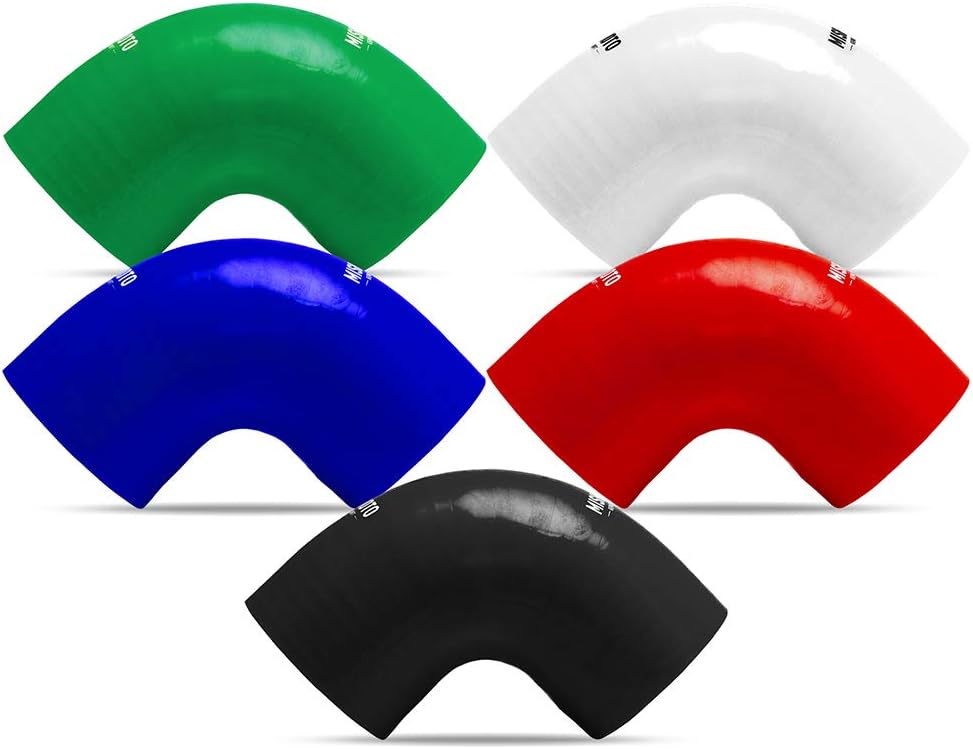
Hoses carry coolant, air or other fluids between components. Cooling-system hoses may be shaped for a particular routing path, while other hoses can be designed for different fluids, pressures or temperatures. Shape, flexibility, connection size and material compatibility all matter.
Pulleys guide or transfer belt movement and can affect alignment and tension. When comparing a pulley, pay attention to its diameter, groove pattern, bearing or mounting arrangement, and the vehicle application for which it is intended.
Specifications and features to compare
Catalog listings may describe a part using different specifications, so compare the complete product information carefully. For belts, useful details can include the belt type, rib configuration, length, width and construction. For hoses, review the hose form, dimensions, end connections, reinforcement and rated service conditions when provided. For pulleys, check mounting details, groove design, diameter and any included hardware.
Fitment information should take priority over a generic dimension. Two parts can share a diameter or length and still be unsuitable because of routing, connector style, clearance or material requirements. If installation requires a tensioner, clamp, bracket or related component, verify whether it is included or must be sourced separately.
Brands represented in the catalog
Mishimoto is represented in this catalog. Brand information can help narrow a comparison, but compatibility and product specifications should remain the deciding factors. Review the individual listing for the stated application, construction details and included components.
For broader vehicle projects, related catalog sections may also be useful. Explore Exhaust Systems & Parts for exhaust-related components, Ignition & Electrical for electrical and ignition parts, or Filters for filtration components. Other nearby areas include Shocks, Struts & Suspension, Fuel System, and Engines & Engine Parts.
Installation and maintenance considerations
Inspect the surrounding system before replacing a belt, hose or pulley. A worn belt may be associated with misalignment or tension problems, while a damaged hose can indicate heat exposure, abrasion, pressure issues or an underlying cooling-system concern. A pulley with unusual wear may warrant checking belt tracking and nearby components.
Use the manufacturer’s installation guidance for routing, torque, tension and coolant or fluid handling. Keep belts free from oil and other contaminants, route hoses away from sharp edges and hot surfaces, and replace clamps or related hardware when the application calls for it. Never work near moving belts or a hot, pressurized cooling system.
Frequently asked questions
How do I confirm fitment for a belt or hose?
Compare the listing’s vehicle and engine fitment with the exact details of the vehicle. Also verify dimensions, routing, connector style and any configuration notes.
Are belt length and hose diameter enough to choose a part?
Not always. Routing, rib or groove pattern, hose shape, material compatibility, connection points and operating conditions can also determine whether a part is suitable.
What should I check when replacing a pulley?
Check the pulley’s diameter, groove design, mounting arrangement and vehicle application. Inspect belt alignment and nearby tensioning components before installation.
When should a belt or hose be replaced?
Replacement may be appropriate when a component shows cracking, fraying, glazing, swelling, soft spots, leaks or other visible damage. Follow the vehicle or component manufacturer’s maintenance guidance.
Should related components be replaced at the same time?
That depends on their condition and the repair requirements. Inspect connected belts, hoses, pulleys, tensioners, clamps and fittings so worn components do not compromise the new part.