

Binoculars & Scopes
Compare binoculars and scopes by optical performance, size, durability, and intended use. Explore specifications and features to find equipment suited to travel, wildlife, sports, astronomy, or photography.
969 products in catalog
969 results
Filters


Carson Optical, Inc
Carson MicroBrite Plus 60x-120x Power LED Lighted Pocket Microscope - Set of 4 (MM-300MU),Black/Grey
See current price


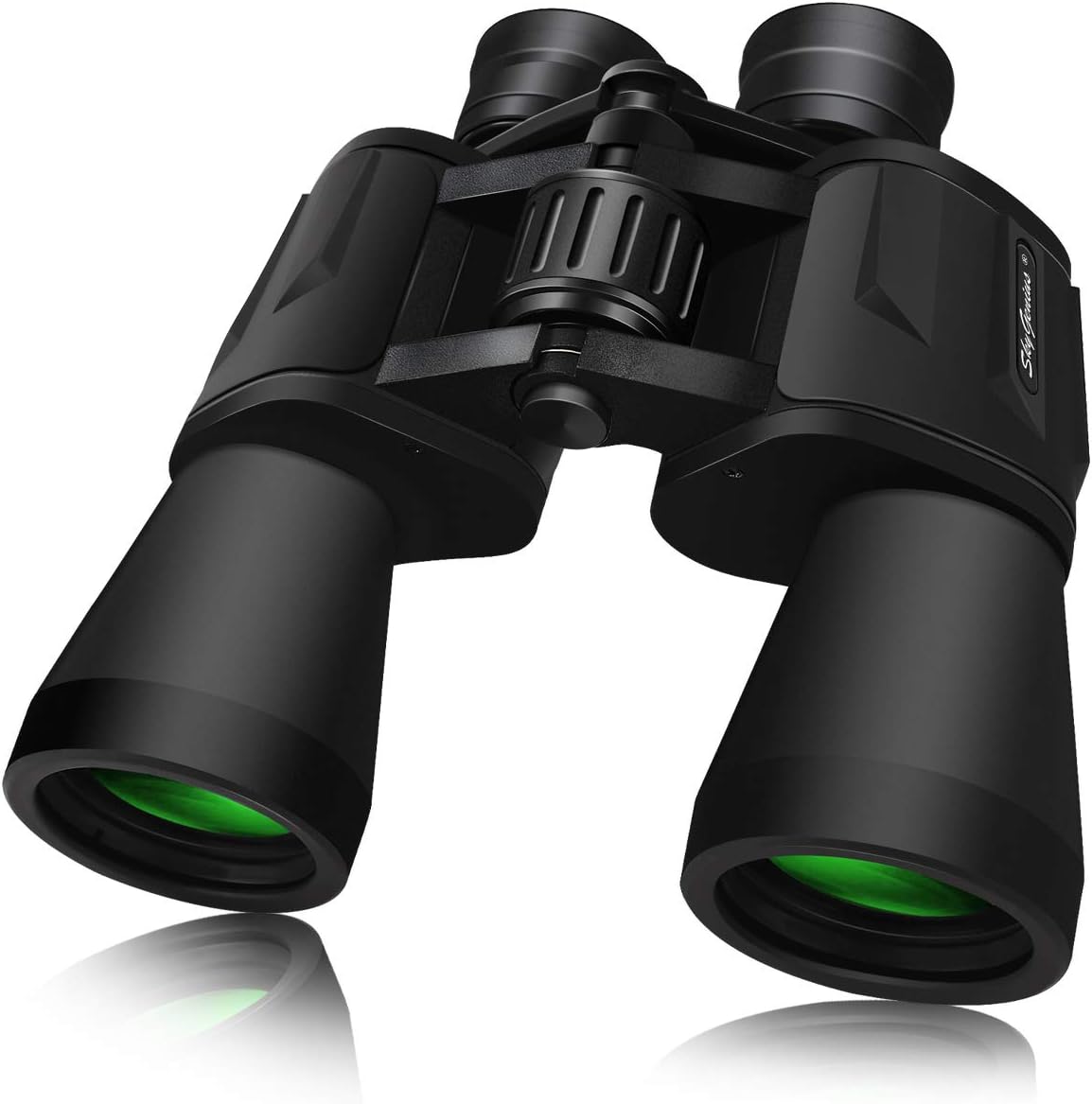
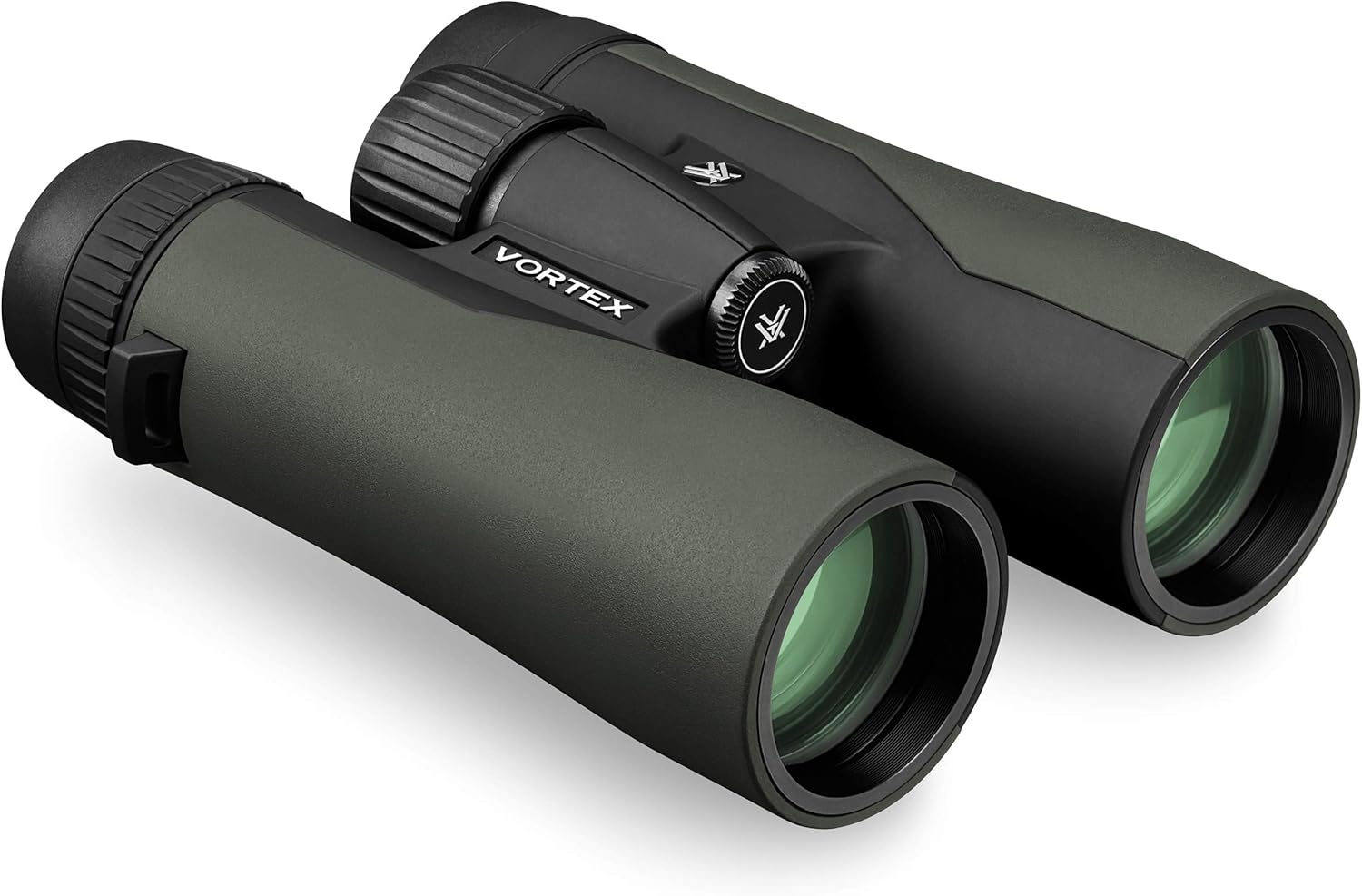
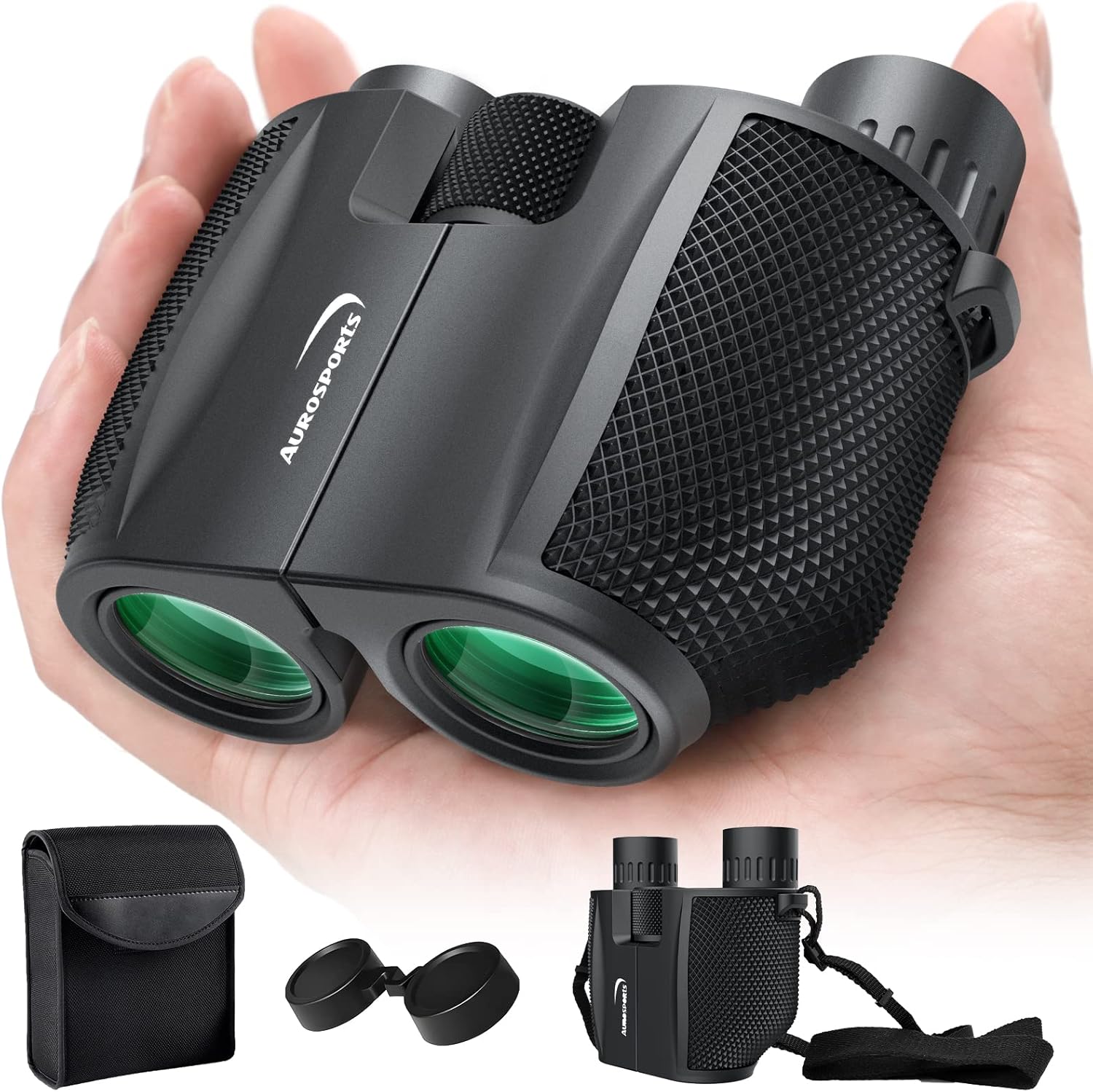


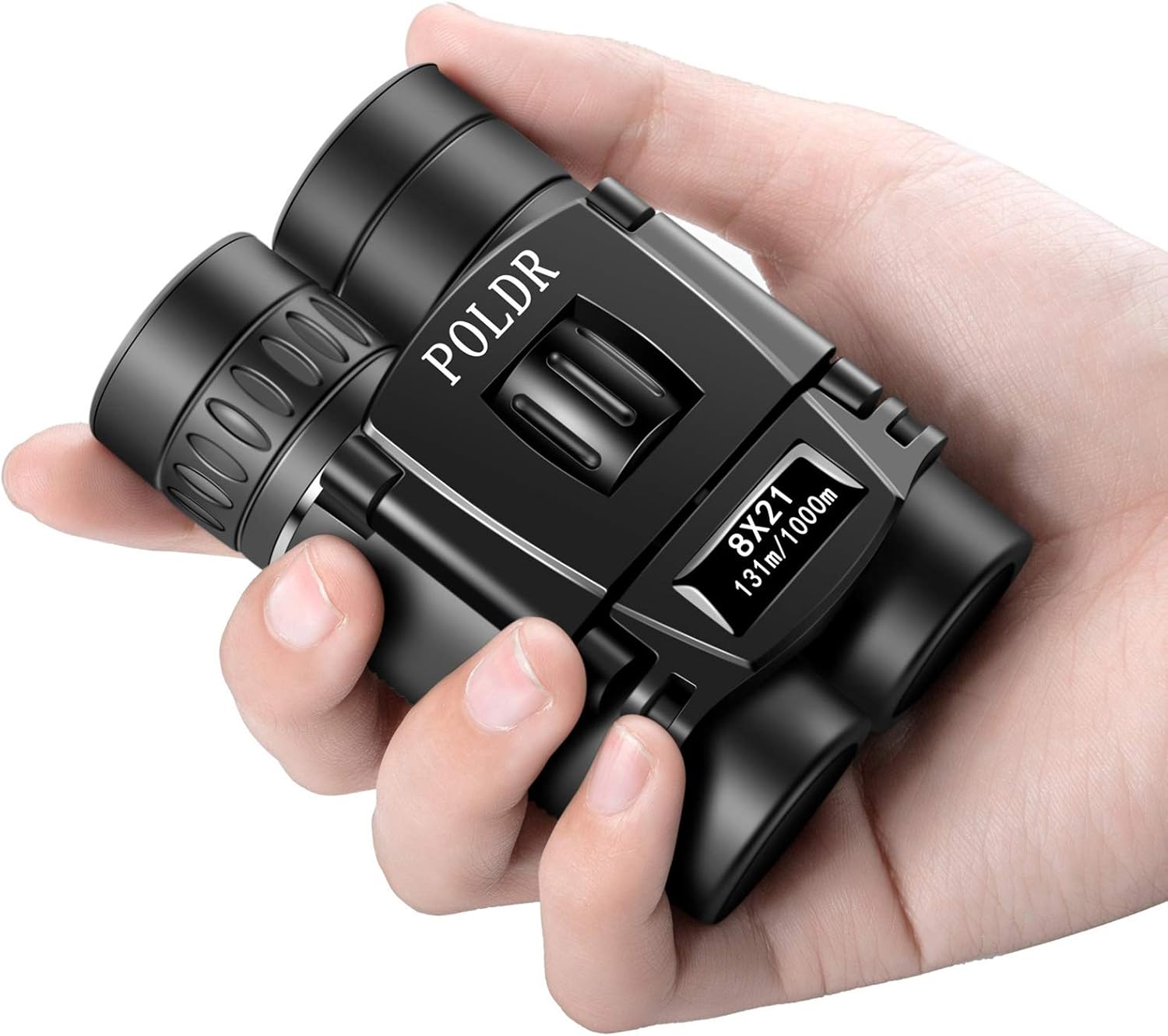


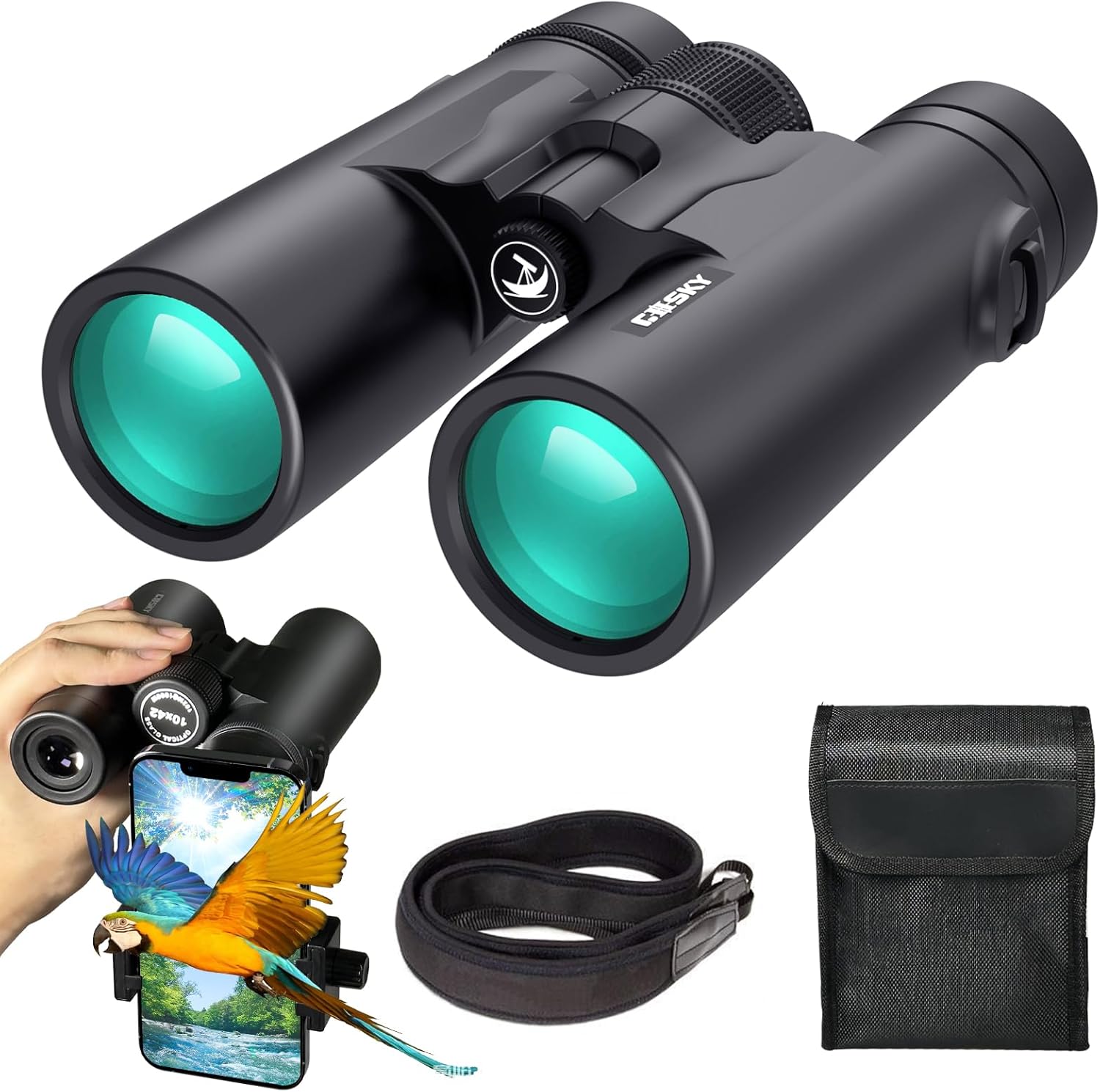
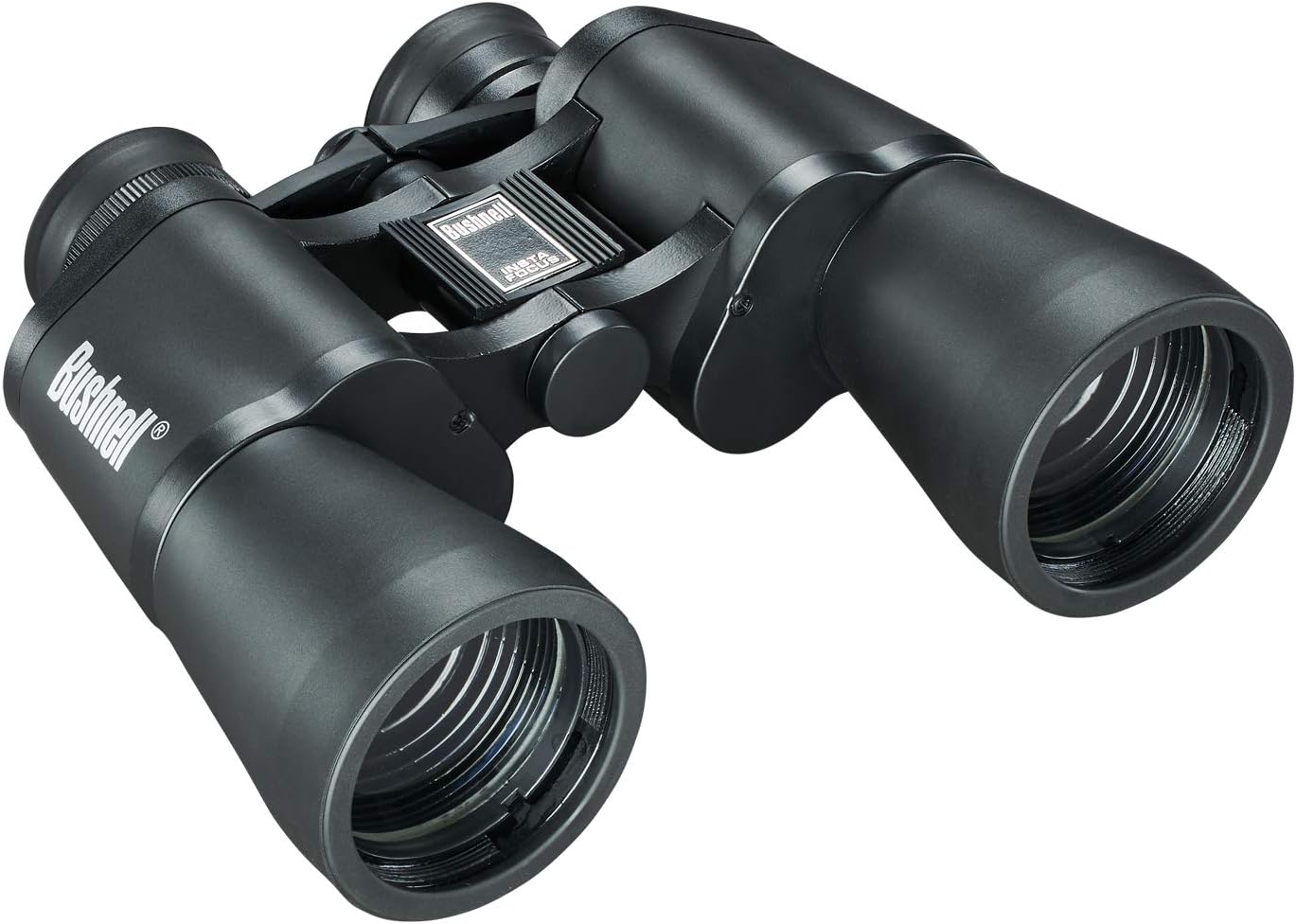

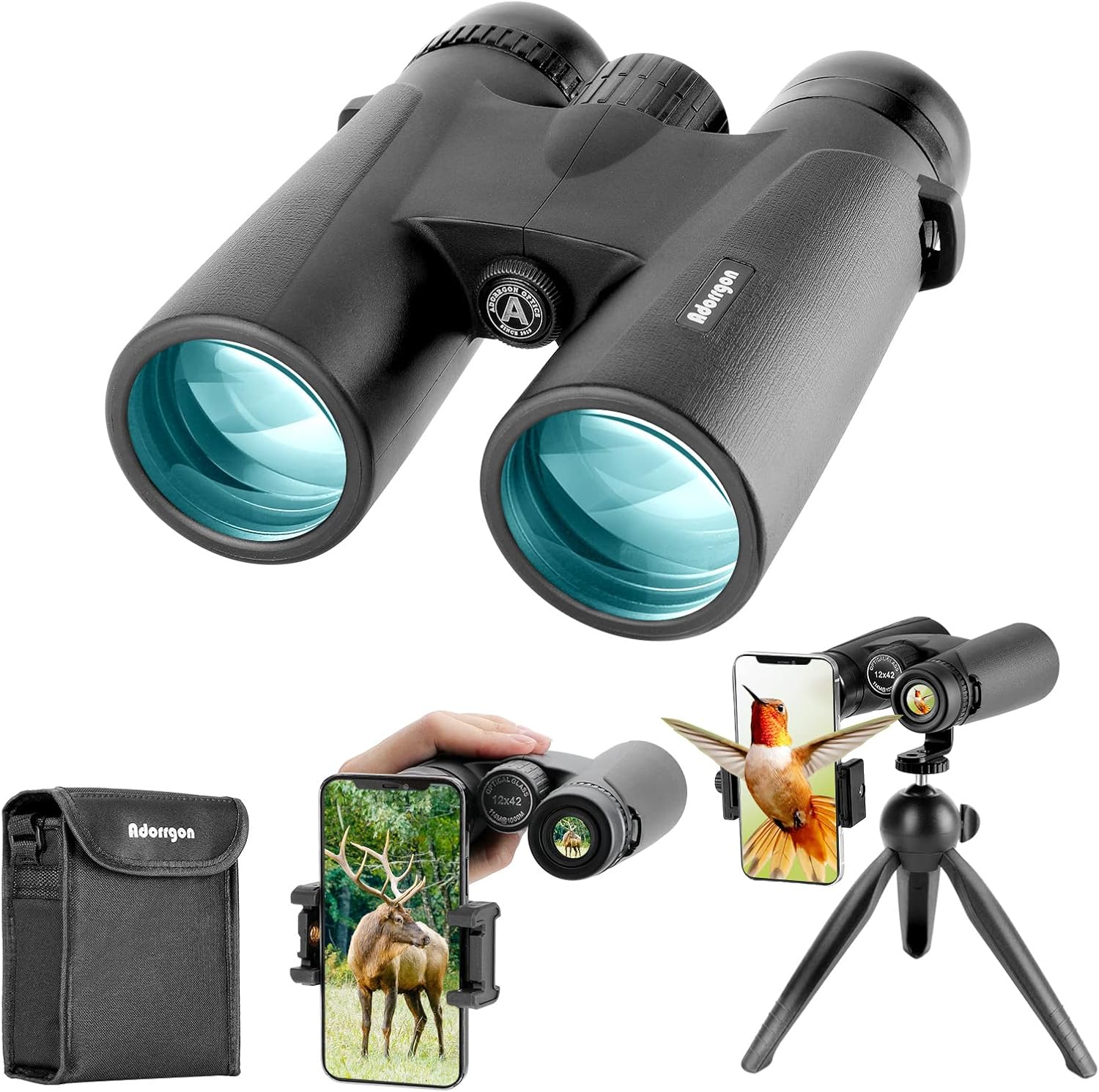
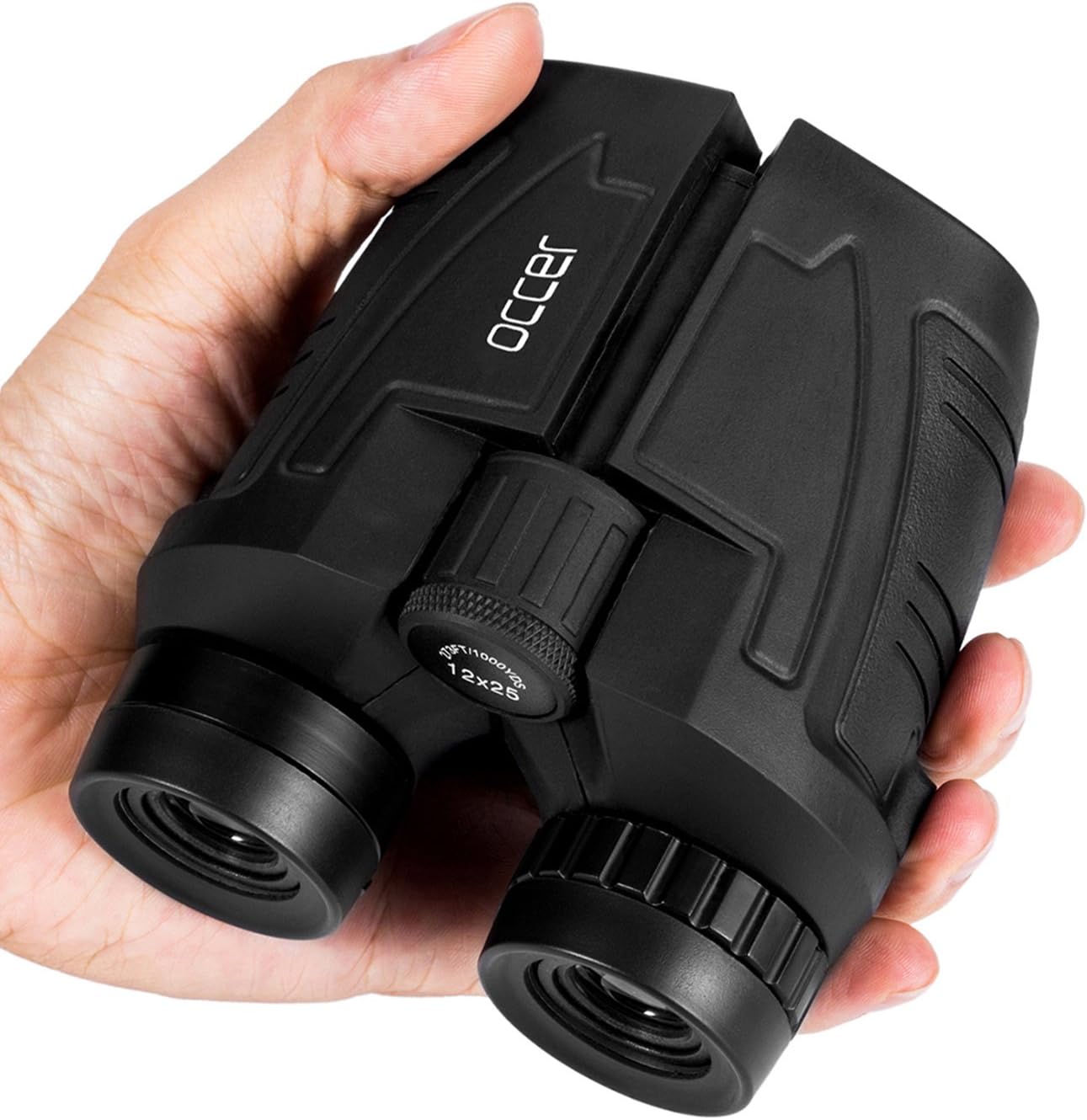
Popular brands in Binoculars & Scopes
Binoculars and scopes can look similar at a glance, but their designs suit different viewing situations. Binoculars provide a wider, more natural view through both eyes, while a scope typically prioritizes magnification, detail, or a specialized viewing task.
This K-Catalog selection includes options from brands such as Nikon, Celestron, Bushnell, Vortex, Carson, Orion, and Wingspan Optics, along with ICFPWR, Jiusion, Tasco, AOMEKIE, and JRD&BS WINL. Compare the specifications on each product page, then check the current listing on Amazon before buying.
How to choose binoculars or a scope
Start with how and where the optic will be used. Compact binoculars can suit travel, concerts, hiking, and casual outdoor viewing where low weight matters. Full-size binoculars may be more appropriate when brightness, steadiness, and extended observation are higher priorities. A spotting scope can help with distant subjects when more magnification is needed, but it may benefit from a stable support.
Consider these questions before comparing individual products:
- What are you viewing? Wildlife, sporting events, landscapes, stars, and distant targets can call for different optical designs.
- How far will you carry it? Weight and dimensions matter for hiking or travel, while larger optics may be acceptable for stationary use.
- Will the subject move? A wider field of view and easier focusing can help with birds, sports, and other moving subjects.
- Will you view in low light? Objective lens size and optical quality can affect how much light reaches the eye, though larger lenses usually add bulk.
- Do you need a mount? Higher magnification is more sensitive to hand movement, making tripod compatibility worth checking.
For cameras, adapters and other supporting equipment, browse Accessories. The wider Camera & Photo category can also help when comparing optical equipment with cameras and related gear.
Main types to compare
Binoculars
Binoculars are designed for comfortable two-eye viewing and are often the practical choice for scanning a broad area. Compact models are easier to pack, while larger designs may provide a brighter or more immersive view. Look at the stated magnification, objective lens diameter, field of view, and overall weight together rather than focusing on one specification.
Spotting scopes
Spotting scopes use a single optical tube and are intended for detailed viewing at longer distances. They can be useful for wildlife observation, landscape viewing, and other situations where a narrow, highly magnified view is preferred. Check whether the design accepts a tripod and whether the eyepiece is included or sold separately.
Specialized scopes
Some scopes are designed for astronomy, target observation, photography, or other specific uses. Their compatibility requirements may differ from those of general-purpose binoculars. Review the intended application, mounting method, included components, and focusing system carefully before choosing.
Optical features and specifications
The numbers and terms in a product listing describe how the optic is likely to behave, but they should be considered as a group.
- Magnification: Higher magnification shows more detail but can make hand-held viewing less steady and reduce the apparent field of view.
- Objective lens: A larger objective lens can support a brighter image in suitable conditions, but it generally increases size and weight.
- Field of view: This indicates how much area is visible at a given distance. A wider view can make it easier to follow moving subjects.
- Focus system: Center focus, individual focus, and focusing ranges suit different viewing preferences and distances.
- Eye relief: This is especially important for glasses wearers. Longer eye relief may allow a more comfortable view without removing eyewear.
- Prisms and coatings: Prism type and lens-coating descriptions can help distinguish optical designs and light-transmission features.
- Close focus: A shorter close-focus distance can be useful for nearby subjects, such as insects, plants, or exhibits.
Also compare dimensions, weight, included caps or cases, waterproof or fog-resistant construction, and warranty information when provided by the manufacturer.
Mounting, storage, and related gear
A tripod or monopod can make a high-magnification optic easier to hold steady during extended viewing. Browse Tripods & Monopods when a product listing specifies a mounting connection or when hands-free viewing is important. For transport and protection, Bags & Cases may provide options sized for optical equipment.
Keep lenses covered when the optic is not in use, and clean glass with products intended for coated lenses rather than household materials. Avoid touching optical surfaces unnecessarily, and follow the manufacturer’s instructions for moisture, storage, and maintenance.
Brands in the catalog
The catalog includes binoculars and scopes from Nikon, Celestron, Bushnell, Wingspan Optics, ICFPWR, Orion, Vortex, Carson, Jiusion, Tasco, AOMEKIE, and JRD&BS WINL. Brand selection can vary by product type, so compare the specifications, included accessories, dimensions, and stated use for each individual listing instead of relying on the brand name alone.
Frequently asked questions
Are binoculars or scopes better for distant viewing?
It depends on the task. Binoculars are convenient for scanning and tracking subjects, while scopes can provide higher magnification or more detailed single-eye viewing.
Is higher magnification always better?
No. Higher magnification can narrow the field of view and make image movement more noticeable. Choose magnification that matches the distance, subject movement, and available support.
What should glasses wearers check?
Look for the stated eye relief and adjustable eyecups. These features can affect whether the full field of view is comfortable while wearing glasses.
Do scopes need a tripod?
Not always, but a tripod or monopod can improve stability, especially with heavier optics or higher magnification. Check the mounting details for the specific product.
What is the most important specification to compare?
There is no single specification for every use. Compare magnification, objective lens size, field of view, focus range, weight, eye relief, and mounting needs as a complete set.