

Tripods & Monopods for Cameras and Video
Compare tripods and monopods by stability, working height, weight, portability, and compatibility. Browse camera support options and review the specifications that matter for your setup.
786 products in catalog
786 results
Filters



GoPro
GoPro Shorty Mini Extension Pole Tripod (All GoPro Cameras) - Official GoPro Mount
See current price
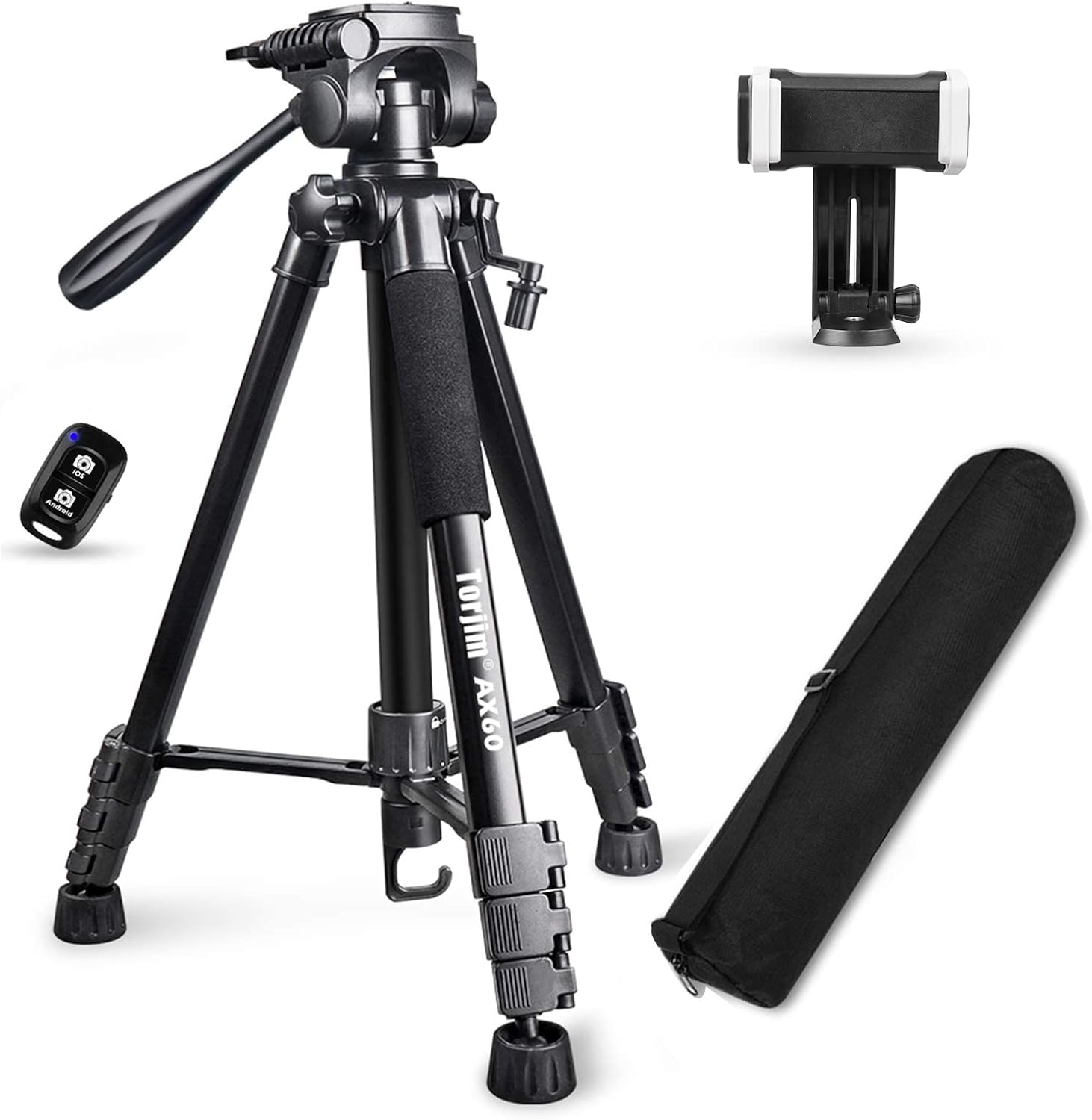
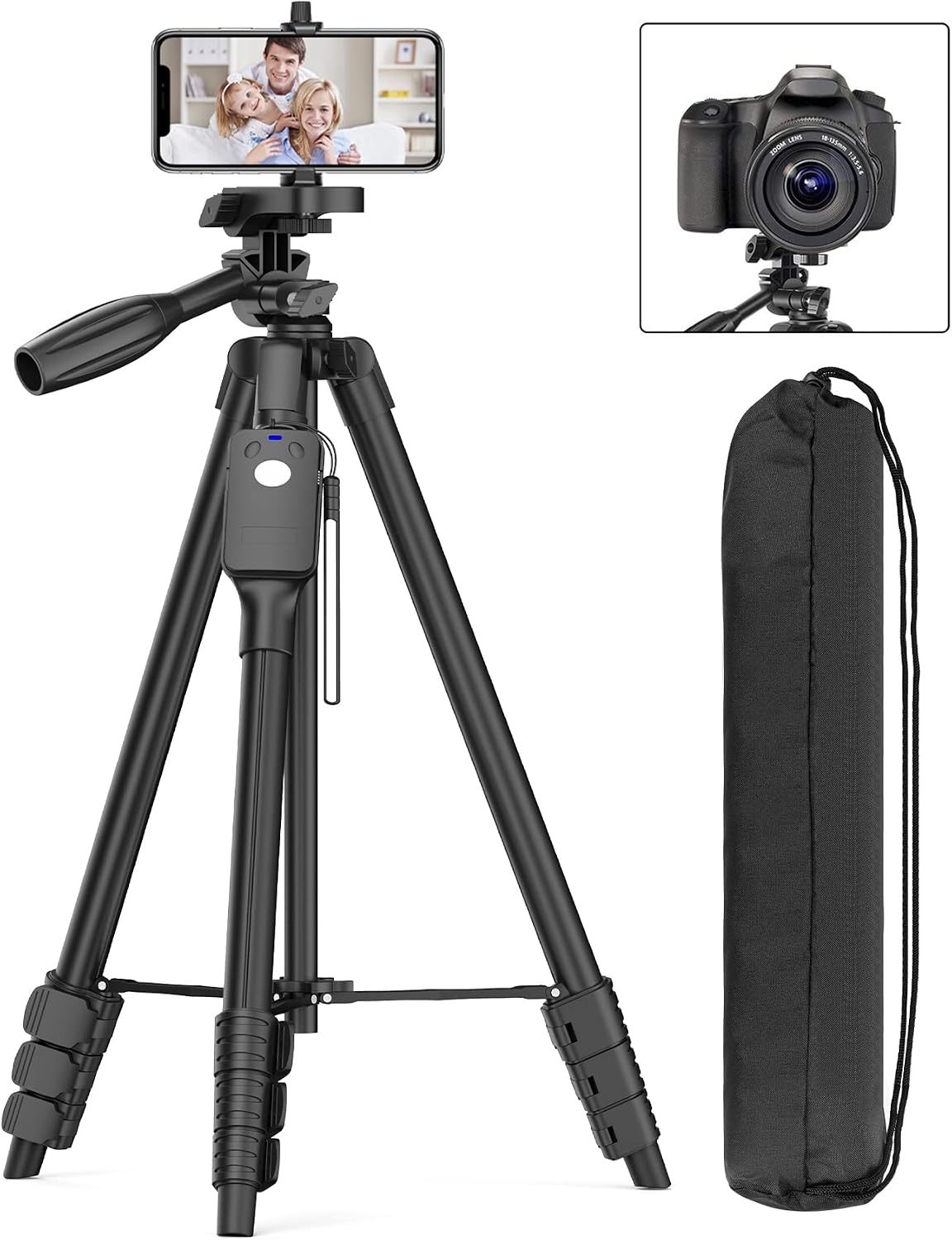


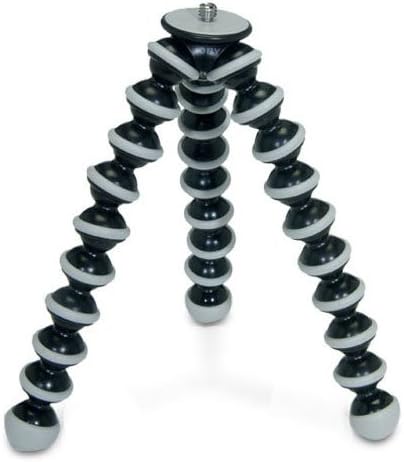

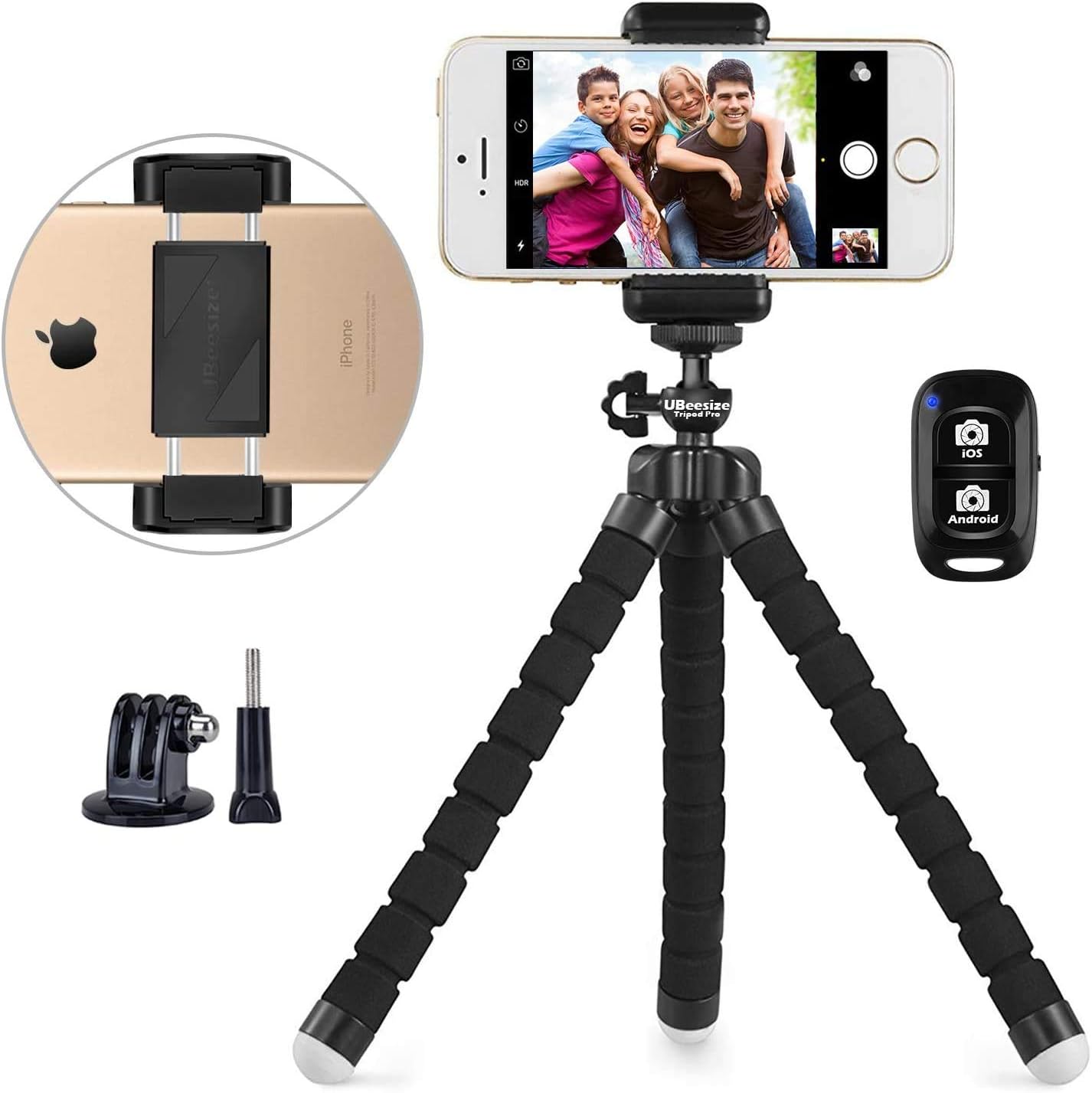
Amazon Basics
Amazon Basics Lightweight Adjustable Mini Tripod Stand - Pack of 4, 5 - 7.5 Inches, Black
See current price


Popular brands in Tripods & Monopods
A steady support system can make it easier to compose photos, record video, use longer exposures, and work with heavier camera equipment. Tripods provide a stable platform for stationary shooting, while monopods offer a lighter, faster way to support a camera when you need to move frequently.
This K-Catalog category is part of Camera & Photo. Use the available specifications to compare construction, adjustment controls, mounting options, and packed size before choosing a support that fits your equipment and shooting style.
How to choose between a tripod and monopod
A tripod is generally the better choice when maximum stability is the priority. Its three legs can support a camera without constant hand-holding, making it useful for landscapes, portraits, product photography, studio work, self-timers, and video recording from a fixed position.
A monopod has a smaller footprint and can be quicker to reposition. It is useful for event photography, sports, travel, wildlife, and other situations where you want extra support without carrying or setting up a full tripod. It still requires the user to hold or control the camera, and it may not provide the same hands-free stability.
Consider your usual shooting environment, camera and lens weight, desired working height, and how often you will carry the support. A compact option may be convenient for travel, while a larger model may offer more reach and rigidity.
Types of camera support to compare
Tripods and monopods can differ substantially in design even when they appear similar. Pay attention to the intended use rather than choosing only by appearance.
- Full-size tripods: Suitable when you want a stable platform and comfortable eye-level framing.
- Travel tripods: Designed around a more compact folded size and easier transport.
- Compact or tabletop tripods: Useful for small cameras, webcams, phones, and low-angle positioning when full height is unnecessary.
- Video-oriented supports: Often emphasize smooth camera movement, controlled pans, and a head suited to recording.
- Monopods: Helpful when mobility and quick setup matter more than hands-free stability.
- Flexible or specialty supports: Useful when you need to wrap, grip, or position a camera in less conventional locations, provided the support is compatible with the equipment.
For additional setup components, compare related Accessories and Lighting & Studio equipment.
Key features and specifications
Load capacity should match the combined weight of the camera, lens, flash, microphone, and other mounted accessories. Staying within the stated capacity can help the support operate as intended, but a suitable capacity alone does not determine how rigid or stable a design will feel.
Height range and folded length affect both usability and portability. Check the minimum height for low-angle work, the maximum height for your preferred framing, and the packed dimensions for your camera bag or storage space.
Leg sections and locks influence setup speed and adjustment. Twist locks can keep the profile clean, while lever locks may be faster to operate at a glance. Look for leg adjustments that suit uneven ground if you regularly shoot outdoors.
Head movement and controls matter for framing. A ball head allows quick multi-directional positioning, while a pan-and-tilt or fluid-style head may offer more deliberate control for photography or video. Make sure the included head or mounting system supports the movements you need.
Also compare the mounting thread, quick-release plate design, center-column adjustment, feet, folded weight, and material. Rubber feet can suit indoor surfaces, while wider or specialized feet may be more useful outdoors. A reversible or removable center column can expand positioning options on some designs.
Brands represented in the catalog
The catalog includes tripods and monopods from Neewer, Manfrotto, Joby, Victiv, Amazon Basics, Sirui, UBeesize, K&F Concept, ZOMEI, VANGUARD, KINGJOY, and GEEKOTO. These brands cover a range of camera support formats and feature combinations. Compare the specifications of individual products rather than relying on brand name alone, since construction, head style, dimensions, and intended use can vary within a brand.
Practical setup and compatibility tips
Check that your camera or device can attach to the support before ordering. A standard mounting thread may not be the only consideration: quick-release plates, phone clamps, cage systems, and other adapters can affect compatibility and convenience.
Before a shoot, confirm that all leg locks, center-column controls, and plate releases are secure. Extend thicker leg sections first when possible for a sturdier setup, keep the center column low when maximum stability matters, and avoid placing more weight on the system than its specifications allow.
A padded Bags & Cases option can make transport easier. If you are building a complete observation or recording setup, you may also compare Digital Cameras or Video Surveillance equipment according to your intended use.
Frequently asked questions
Is a tripod more stable than a monopod?
Yes. A tripod has three points of contact and can stand on its own, while a monopod provides support but normally requires the user to control and balance the camera.
How much load capacity do I need?
Choose a support whose stated capacity exceeds the combined weight of your camera, lens, and mounted accessories. Allowing some margin can be useful for a more secure setup.
What tripod height is appropriate?
Look for a maximum height that suits your typical framing without requiring excessive center-column extension. Also check minimum height if you shoot from low angles.
Are compact tripods suitable for larger cameras?
They can be, but compatibility depends on the support’s load capacity, mounting system, and physical stability. Always compare those specifications with your complete camera setup.
What should I check for video use?
Look for a head and controls that support smooth movement, along with appropriate load capacity, working height, and a mounting plate compatible with your camera or video accessories.