

Camera Bags & Cases
Compare camera bags and cases for cameras, lenses, accessories, and everyday carrying. Review dimensions, protection, organization, and comfort before choosing a setup.
1,749 products in catalog
1,749 results
Filters

Amazon Basics
Amazon Basics Extra Small GoPro And Accessories Case - 6.5 x 5 x 2.5 Inches, Black
See current price


Amazon Basics
Amazon Basics Holster Camera Case for DSLR Cameras - 6.9 x 6.3 x 9 Inches, Black
See current price


Amazon Basics
Amazon Basics Large Point and Shoot Camera Case, 6 x 4 x 2 Inches, Black, Solid
See current price




Popular brands in Bags & Cases
Protecting camera equipment starts with choosing a bag or case that fits both the gear you carry and the way you shoot. A compact setup may need a small pouch or shoulder bag, while interchangeable-lens equipment, lighting accessories, or video gear can call for more structured storage.
Use this catalog to compare specifications and features across camera bags and cases. Pay attention to interior dimensions, padding, access points, carrying options, and weather protection rather than choosing by appearance alone.
How to choose a camera bag or case
Start by listing the equipment that needs to fit inside. Include the camera body, attached lens, additional lenses, batteries, memory cards, chargers, cables, and any other accessories you routinely bring. Leave some room for a different lens or small accessory if your setup is likely to change.
Think about how you will carry the bag:
- Shoulder and messenger bags can provide quick access for casual shooting or short outings.
- Backpacks distribute weight across both shoulders and may suit longer walks or larger kits.
- Sling bags offer a balance between mobility and access, especially when changing locations often.
- Pouches and soft cases work well for individual cameras, lenses, or compact accessories.
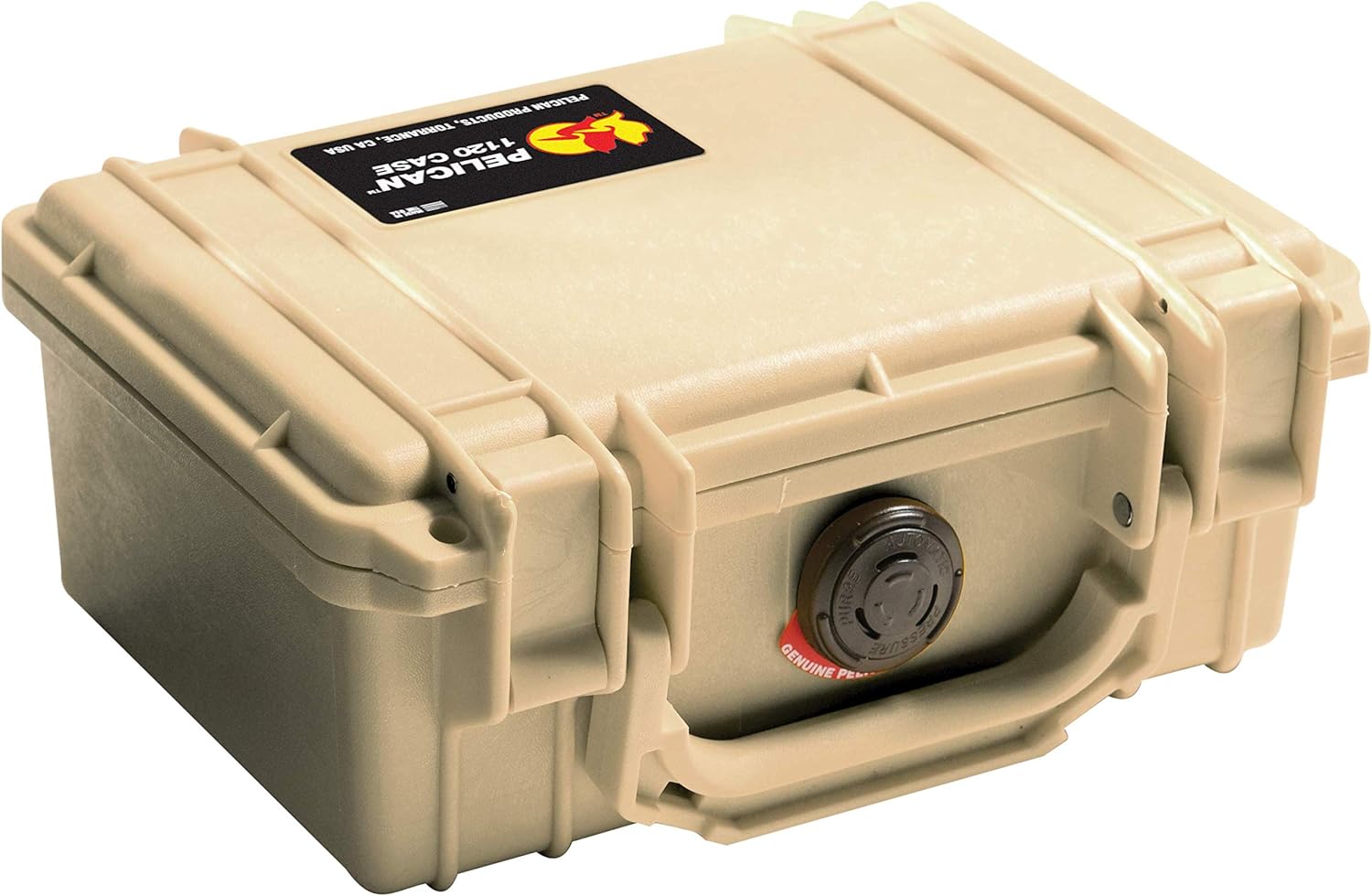
- Hard cases are useful when impact resistance and organized equipment storage are priorities.
For a broader selection of camera equipment, browse Camera & Photo and compare bags with the rest of your setup.
Protection and construction
Padding is one of the most important features to compare. Look for a padded main compartment and dividers that separate equipment from one another. Adjustable dividers can make a bag more useful when your lens collection or camera body changes.
The exterior material, seams, closures, and base construction also matter. Water-resistant fabric may help with light exposure to moisture, while a rain cover or a more sealed design can provide additional protection. If the bag will be transported in crowded areas or stored with other equipment, consider how well it resists abrasion and compression.
Hard cases and reinforced cases may be preferable for transport where equipment is more exposed to knocks. Soft bags are often easier to carry and store, but they can provide a different level of structural protection. Match the case style to the environments where the equipment will be used.
Key specifications to compare
Dimensions should be checked carefully. Compare the listed interior dimensions with the actual size of your camera and lens combination, not just the exterior size of the bag. A snug fit can reduce movement, but a compartment that is too tight may make equipment difficult to remove.
Other useful specifications and design details include:
- Number and arrangement of compartments
- Adjustable or removable dividers
- Compatibility with a camera body and attached lens
- Space for tablets, laptops, or personal items
- Handle, shoulder strap, sling, or backpack carrying options
- Zipper, buckle, flap, or latch closures
- Tripod or accessory attachment points
- Weight and overall profile
- Weather-resistant materials or included covers
Consider access speed as well. A top-opening design may be convenient when standing, while a front or side opening can offer a different way to organize and reach equipment. For travel, a more compact profile may be easier to manage than a large bag with unused space.
Bags for related camera equipment
The right camera bag often depends on the accessories used with it. If you carry stands, mounts, filters, batteries, or other add-ons, compare options in Accessories as well. Lighting equipment may require deeper or more structured compartments; see Lighting & Studio for related gear.
Photographers who use a tripod should check whether the bag can hold or attach one securely. Compare available options in Tripods & Monopods. For video equipment, surveillance gear, or optical equipment, the storage requirements may differ from those of a standard camera kit; related categories include Video Surveillance and Binoculars & Scopes.
Brands represented in the catalog
The catalog includes camera bags and cases from Lowepro, MegaGear, Katia, Neewer, Case Logic, SAIKA, CAIUL, Pelican, Peak Design, CADeN, USA GEAR, and Tiessic. Comparing products by construction, dimensions, organization, and carrying design can be more useful than choosing by brand name alone, since different product lines may suit different types of equipment and use.
Practical fit and care tips
Before ordering, measure the equipment that must fit and check whether the listed capacity refers to the interior or exterior. Confirm that the dividers can be arranged around the camera and lenses without pressing against controls or glass. If the bag includes a laptop or tablet compartment, compare those dimensions separately.
Avoid overloading a soft bag or forcing zippers around bulky equipment. Keep delicate gear separated, close all compartments before moving, and inspect straps, handles, seams, and closures periodically. For outdoor use, consider how the bag will be stored when wet and whether its materials require specific care.
Frequently asked questions
What size camera bag should I choose?
Choose a bag based on the dimensions of the equipment you carry together, including an attached lens. Allow enough space for dividers and small accessories without leaving the gear loose.
Is a backpack better than a shoulder bag?
Neither is universally better. A backpack may distribute a heavier kit more evenly, while a shoulder bag can offer quicker access. Choose according to carrying time, equipment weight, and shooting style.
Are hard cases safer than soft camera bags?
Hard cases generally provide more rigid protection, while soft bags can be lighter and easier to carry. Compare the protection level with the convenience required for your usual transport.
Should a camera bag be weatherproof?
Weather-resistant construction can be useful outdoors, but the level of protection varies. Check for sealed closures, protective covers, and material details if moisture exposure is likely.
Can a camera bag hold a tripod?
Some bags include tripod straps or attachment points, while others do not. Check the product specifications and carrying design before assuming a tripod will fit securely.